
In an increasingly interconnected and fast-paced world, the ability to move money quickly and securely is no longer a luxury but a fundamental necessity. From covering an unexpected expense for a loved one to settling critical business invoices, instant money transfers have revolutionized how we manage our finances, blurring the lines between physical cash and digital transactions. This article delves into the mechanisms, advantages, and considerations surrounding instant money transfers, empowering you with the knowledge to navigate this crucial aspect of modern financial management.
The Paradigm Shift: Why Instant Payments Matter More Than Ever
The traditional banking system, with its multi-day clearing periods for checks and wire transfers, once dominated financial transactions. However, the digital age has ushered in an era where immediate gratification is expected, and financial services are no exception. The demand for speed has accelerated due to a confluence of factors, including globalization, the rise of e-commerce, and the pervasive use of mobile technology. For individuals, instant payments offer peace of mind during emergencies, seamless splitting of bills, and rapid gifting. For businesses, they translate into improved cash flow, quicker supplier payments, and enhanced customer satisfaction. Understanding this paradigm shift is the first step in appreciating the transformative power of instant money solutions.
The Evolution of Payment Speed
Historically, financial transactions were bound by geographical and logistical constraints. Sending money across borders often involved complex processes, significant fees, and delays spanning days or even weeks. Even domestic transfers, such as ACH payments, typically required several business days to clear. The advent of credit and debit cards offered near-instant authorization but still involved backend settlement processes. The true leap towards “instant” as we understand it today began with the rise of digital payment networks and the underlying technological infrastructure designed to facilitate real-time gross settlement (RTGS) for smaller, everyday transactions. This evolution has democratized financial speed, making it accessible to a broader population and an array of financial scenarios.
Driving Factors for the Demand for Instantaneity
Several key factors have fueled the insatiable demand for instant money transfers. Firstly, the “on-demand” economy, characterized by services like ride-sharing and food delivery, has conditioned consumers to expect immediate execution in all aspects of their lives, including payments. Secondly, the gig economy and freelance work necessitate quick payouts for services rendered, directly impacting the livelihoods of millions. Thirdly, globalization means more individuals and businesses operate across borders, making instant international remittances critical for supporting families and facilitating trade. Finally, the inherent desire for financial control and flexibility pushes individuals to seek solutions that allow them to move their money when and where they need it, without arbitrary delays.
Exploring the Landscape of Instant Money Transfer Methods
The market for instant money transfers is diverse and continually evolving, offering a range of options tailored to different needs, transaction sizes, and geographical locations. From mobile apps designed for peer-to-peer (P2P) transfers to sophisticated real-time payment networks embedded within traditional banking, understanding the various methods is key to choosing the most appropriate financial tool.
Peer-to-Peer (P2P) Payment Applications
P2P payment apps have emerged as a dominant force in domestic instant money transfers, particularly for casual exchanges between friends and family. Services like Zelle, Venmo, and Cash App allow users to link their bank accounts or debit cards and send money directly to another user’s account within minutes, often with no fees for standard transfers. These platforms typically leverage existing banking infrastructure or proprietary networks to achieve near-instantaneous settlement. While incredibly convenient for splitting bills or repaying small debts, users should be mindful of transaction limits and the irrevocable nature of many instant payments, which can pose risks if money is sent to the wrong recipient.
Real-Time Payment Networks and Online Banking
Beyond dedicated P2P apps, traditional banking systems are increasingly integrating real-time payment capabilities. In the United States, initiatives like RTP® (Real-Time Payments) network by The Clearing House and the newer FedNow® Service by the Federal Reserve are enabling financial institutions to offer instant payment services directly through their online banking portals and mobile apps. These networks allow businesses and consumers to send and receive payments 24/7/365, with immediate availability of funds. This development is particularly significant as it brings instant payments into the mainstream of traditional banking, facilitating everything from payroll processing to vendor payments with unprecedented speed and finality.
Digital Wallets and Mobile Payment Services
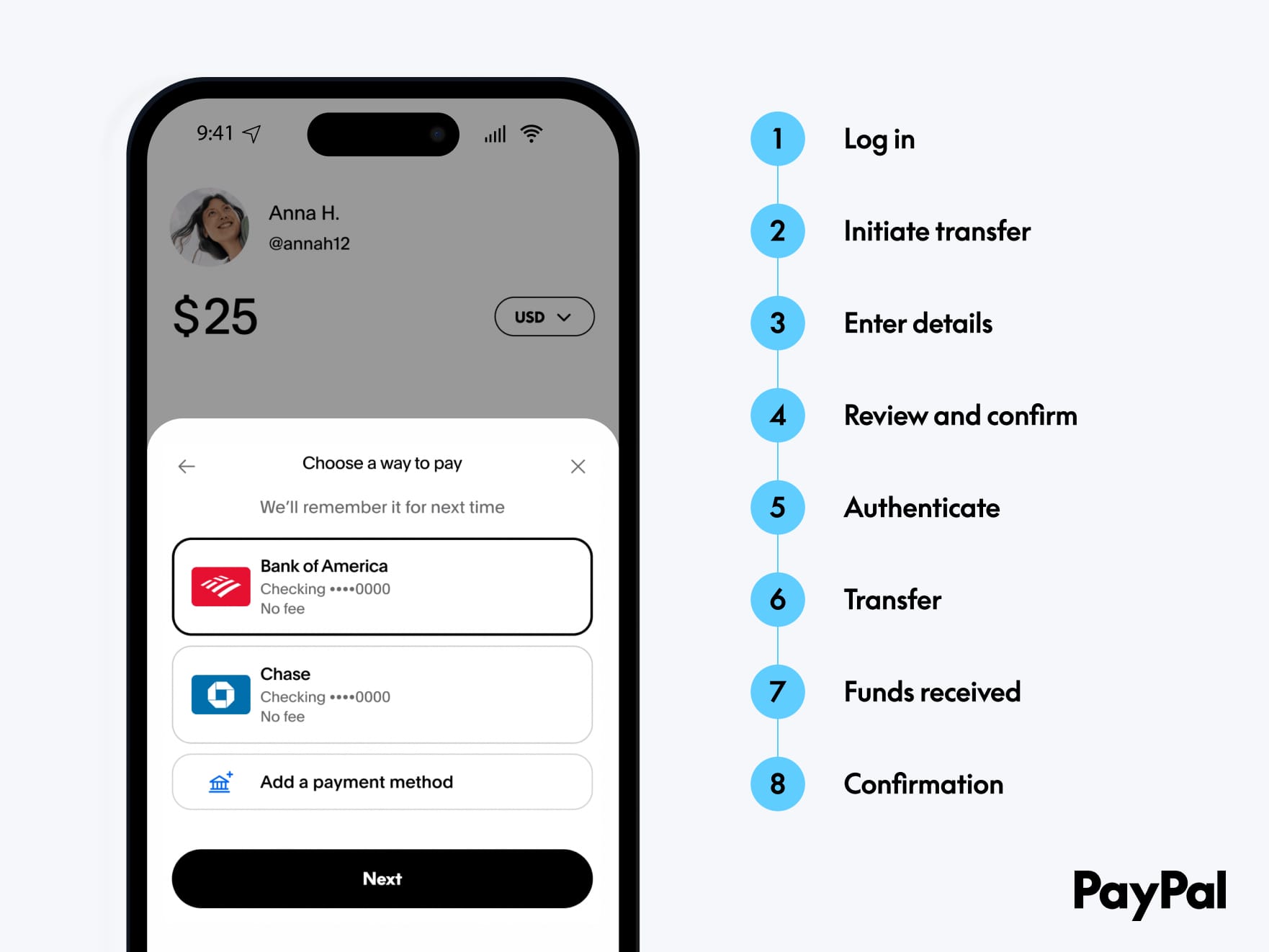
Digital wallets like PayPal, Apple Pay Cash, and Google Pay offer another avenue for instant money transfers. While they often integrate P2P functionality, their scope extends to online purchases, in-store payments, and sometimes even international transfers. Money held within these digital wallets can often be sent instantly to other users of the same platform. For withdrawals to linked bank accounts, some services offer instant transfer options for a small fee, or standard transfers that may take 1-3 business days. These platforms provide a layer of convenience and often enhanced security features, acting as a versatile financial hub for various types of instant transactions.
International Remittance Services
For sending money across borders instantly, specialized international remittance services like Wise (formerly TransferWise), Remitly, and Xoom (a PayPal service) have become indispensable. These platforms have disrupted traditional wire transfer services by offering more competitive exchange rates, lower fees, and significantly faster transfer times. While not all international transfers are truly instant due to varying banking infrastructures in different countries, many offer same-day or near-instant delivery, especially to major corridors and when funded via debit card or bank transfer to a local payout partner. They leverage sophisticated networks and often hold funds in various currencies globally to facilitate quicker exchanges, proving invaluable for migrant workers supporting families abroad or businesses conducting international trade.
Critical Considerations for Secure and Effective Instant Transfers
While the speed and convenience of instant money transfers are undeniable, they come with a unique set of considerations that users must understand to ensure secure and effective transactions. The finality of instant payments means there’s often less recourse if an error occurs or fraud is involved, making due diligence paramount.
Fees, Exchange Rates, and Transaction Limits

One of the primary financial considerations is the cost associated with instant transfers. While many domestic P2P apps offer free standard transfers, fees may apply for instant withdrawals to a bank account or for using a credit card as a funding source. International remittance services, though generally more cost-effective than traditional banks, will charge fees and apply exchange rates. It’s crucial to compare these across platforms, as a seemingly small difference in exchange rate can significantly impact the final received amount for larger sums. Furthermore, most services impose daily, weekly, or monthly transaction limits, which can vary based on verification levels and the recipient country, a vital detail for both personal and business finance planning.
Security Protocols and Fraud Prevention
The speed of instant payments unfortunately also attracts fraudsters. Robust security measures are therefore essential. Users should always enable two-factor authentication (2FA) on their payment apps and banking accounts. Be highly skeptical of unsolicited requests for money, especially if they involve urgent situations or high-pressure tactics. Verify the recipient’s identity through a separate channel (e.g., a phone call) before initiating a transfer, as typos in usernames or account numbers can lead to funds being sent irrevocably to the wrong person. Reputable services employ encryption, fraud detection algorithms, and customer support for disputes, but the ultimate responsibility for verifying the transaction details often lies with the sender.
Accuracy of Recipient Information
Given the finality of instant transfers, ensuring the absolute accuracy of recipient information is perhaps the most critical step. Unlike traditional bank transfers that sometimes allow for recall or reversal within a specific window, instant payments are often irreversible once sent. A single incorrect digit in an account number, a misspelled name, or an incorrect email address can mean your money is lost indefinitely. Always double-check—and ideally triple-check—all recipient details before authorizing an instant payment. Confirming with the recipient beforehand, especially for first-time transfers or significant amounts, is a best practice that can prevent costly errors.
The Broader Impact: Benefits for Individuals and Businesses
The widespread adoption of instant money transfers has profound positive implications across various facets of financial life, offering tangible benefits to both individuals managing personal finances and businesses optimizing their operations.
Empowering Personal Financial Management and Emergency Preparedness
For individuals, instant transfers provide unparalleled financial flexibility. They enable immediate responses to emergencies, such as medical bills or unexpected travel costs, without the stress of waiting for funds to clear. Families can support each other across distances instantly, ensuring that essential needs are met without delay. Furthermore, instant payments simplify everyday financial tasks like splitting restaurant bills, contributing to group gifts, or reimbursing friends, fostering smoother social interactions and reducing awkward financial delays. This agility cultivates a greater sense of financial control and reduces the friction associated with managing money in daily life.
Streamlining Business Operations and Enhancing Cash Flow
For businesses, the advantages of instant money transfers are equally transformative. Small businesses can pay suppliers instantly, improving vendor relationships and potentially securing better terms. Freelancers and gig workers can receive immediate payment for their services, drastically improving their personal cash flow and reducing financial uncertainty. Large corporations can leverage real-time payment networks for just-in-time inventory management, rapid insurance payouts, or instant payroll for hourly employees, leading to greater operational efficiency. Instant payments also facilitate quicker settlement of invoices, accelerating the accounts receivable cycle and providing businesses with immediate access to working capital, which is critical for growth and stability.
Greater Convenience, Accessibility, and Financial Inclusion
Beyond speed, instant money transfers contribute significantly to convenience and accessibility. They allow transactions to happen anywhere, anytime, removing the constraints of banking hours or physical locations. This is particularly impactful in promoting financial inclusion for the unbanked or underbanked populations, who may not have access to traditional banking services but can utilize mobile payment apps. The ease of use and ubiquity of these services make financial transactions less intimidating and more approachable for a wider demographic, bridging gaps in access to essential financial tools and services.
The Future Trajectory of Instant Payments
The trajectory of instant payments is one of continuous innovation and expansion. As technology advances and global financial infrastructures mature, we can anticipate even more seamless, secure, and integrated instant payment solutions.
Integration with Open Banking and API-Driven Finance
The concept of open banking, where financial data and services can be securely shared between institutions with customer consent, is set to further enhance instant payments. Through Application Programming Interfaces (APIs), financial apps and services will be able to more deeply integrate with bank accounts, enabling more intelligent and automated instant transfers. This could lead to innovative financial tools that automatically manage recurring payments, optimize savings through instant transfers, or provide real-time financial insights based on immediate transaction data.
The Role of Blockchain and Cryptocurrencies
While still nascent in widespread adoption for everyday payments, blockchain technology and cryptocurrencies present a fascinating frontier for instant money transfers, particularly across international borders. Cryptocurrencies like stablecoins, designed to maintain a stable value, offer the potential for near-instant, low-cost global transfers, bypassing traditional banking intermediaries and their associated delays and fees. As regulatory frameworks evolve and the technology matures, blockchain-based solutions could offer a new paradigm for truly global and instant financial settlements, transforming everything from international remittances to large-scale business-to-business transactions.

Global Standardization and Regulatory Harmonization
For instant payments to reach their full potential, especially for cross-border transactions, greater global standardization and regulatory harmonization are essential. Efforts by international bodies to establish common protocols and legal frameworks for real-time payments will reduce fragmentation, lower costs, and enhance interoperability between different national payment systems. This will pave the way for a future where sending money instantly across any border is as simple and reliable as sending it to a friend across town.
In conclusion, the ability to send money instantly is a cornerstone of modern financial life, offering unparalleled convenience, flexibility, and efficiency. By understanding the available methods, exercising caution regarding security and accuracy, and appreciating the broad benefits, individuals and businesses can fully leverage these powerful financial tools to navigate an increasingly dynamic economic landscape. The journey towards a truly instant and interconnected global financial system is well underway, promising further innovations that will redefine how we interact with money.
aViewFromTheCave is a participant in the Amazon Services LLC Associates Program, an affiliate advertising program designed to provide a means for sites to earn advertising fees by advertising and linking to Amazon.com. Amazon, the Amazon logo, AmazonSupply, and the AmazonSupply logo are trademarks of Amazon.com, Inc. or its affiliates. As an Amazon Associate we earn affiliate commissions from qualifying purchases.