
In the contemporary financial landscape, the ability to move capital fluidly between platforms is more than just a convenience—it is a necessity for effective personal finance management. As the gig economy expands and digital entrepreneurship becomes the norm, many consumers find their liquid assets distributed across various fintech ecosystems. Two of the most prominent players in this space are Cash App, owned by Block, Inc., and PayPal, the veteran of online payment processing.
While both platforms serve the primary purpose of sending and receiving funds, they operate on different proprietary infrastructures. Consequently, there is no single, direct button that allows a user to “Send to PayPal” from within the Cash App interface. To bridge this gap, users must employ strategic maneuvers involving intermediary bank accounts or debit card integrations. This guide provides a comprehensive analysis of how to navigate these financial tools to ensure your money is exactly where you need it to be.
The Architecture of Modern Digital Finance: Why Interoperability Matters
To understand why a direct transfer between Cash App and PayPal does not yet exist, one must look at the competitive nature of the fintech industry. Both companies strive to be the “all-in-one” financial hub for their users. By maintaining closed ecosystems, they encourage users to keep their balances within their respective apps, thereby increasing the platforms’ Total Payment Volume (TPV) and potential for fee generation through internal services like stock trading or cryptocurrency purchases.
However, for the savvy consumer, maintaining a presence on both platforms offers distinct advantages. PayPal remains the gold standard for international transactions and e-commerce protection, whereas Cash App is often preferred for its peer-to-peer (P2P) speed and its unique “Cash Card” rewards. Mastering the movement of funds between these two giants allows you to leverage the specific benefits of each without being tethered to a single provider. This flexibility is the cornerstone of modern financial agility.
Understanding the Role of the Intermediary
Because Cash App and PayPal do not communicate directly, a third-party “bridge” is required. In most cases, this bridge is a traditional checking account. By acting as a central clearinghouse, your bank account allows you to “Cash Out” from one ecosystem and “Add Money” to another. Understanding the clearing times and verification requirements of this intermediary is crucial for managing your cash flow effectively.
The Primary Bridge: Moving Funds via a Linked Bank Account
The most reliable and cost-effective method for transferring money from Cash App to PayPal involves utilizing a common bank account linked to both services. This method is preferred by financial professionals because it provides a clear paper trail for accounting purposes and, when done through standard channels, avoids the high fees associated with instant transfers.
Step 1: Cashing Out from Cash App to Your Bank
The process begins with moving your balance from the Cash App ecosystem into your regulated bank account.
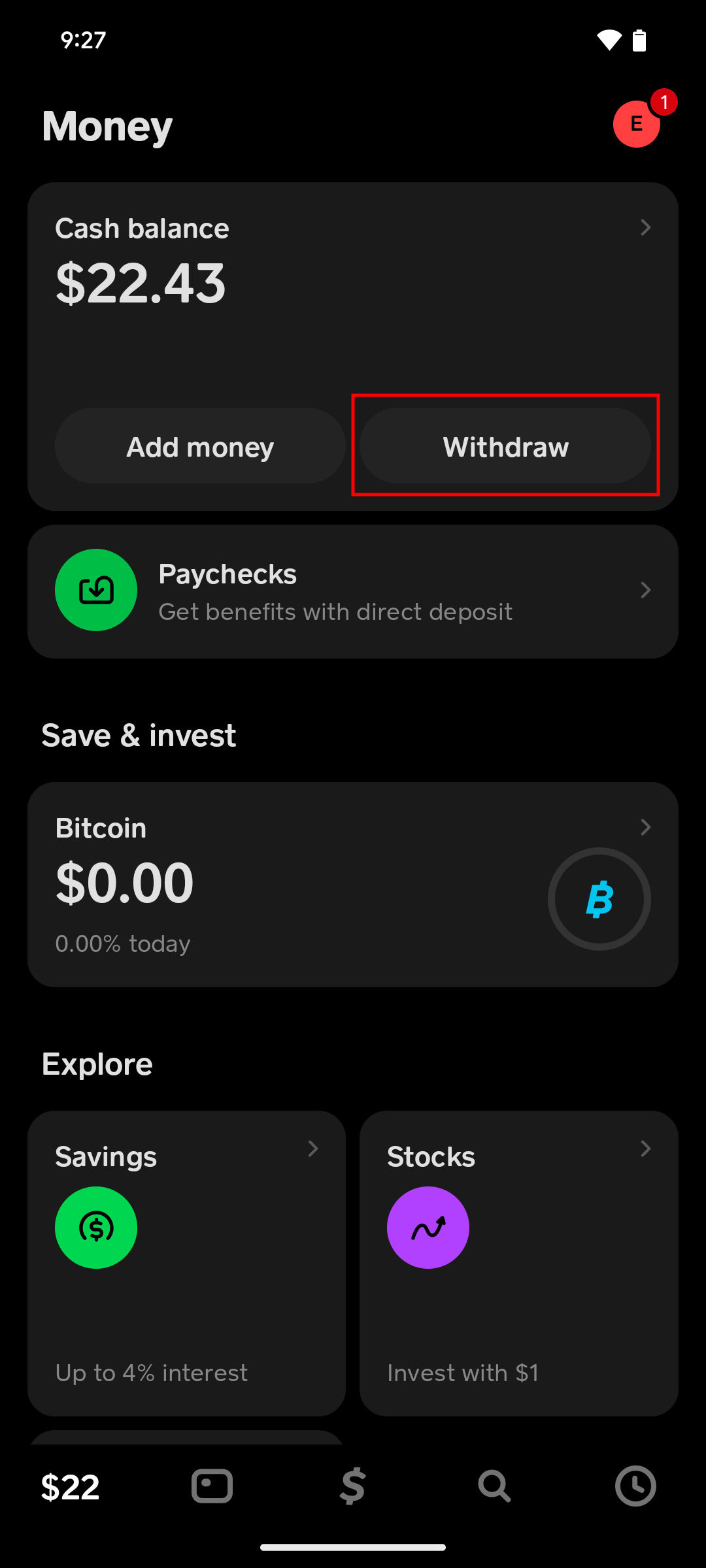
- Open Cash App and navigate to the “Banking” or “My Cash” tab.
- Select “Cash Out.”
- Choose the amount you wish to transfer.
- Select your transfer speed. Here, you face a strategic choice: the Standard Transfer is free but takes 1–3 business days, while the Instant Transfer incurs a small percentage fee (usually 0.5% to 1.75%) but settles immediately. For those not in an urgent liquidity crunch, the standard transfer is the superior choice for preserving capital.
Step 2: Transferring Funds from the Bank to PayPal
Once the funds have settled in your bank account, you can pull them into the PayPal ecosystem.
- Log in to your PayPal account via the mobile app or web browser.
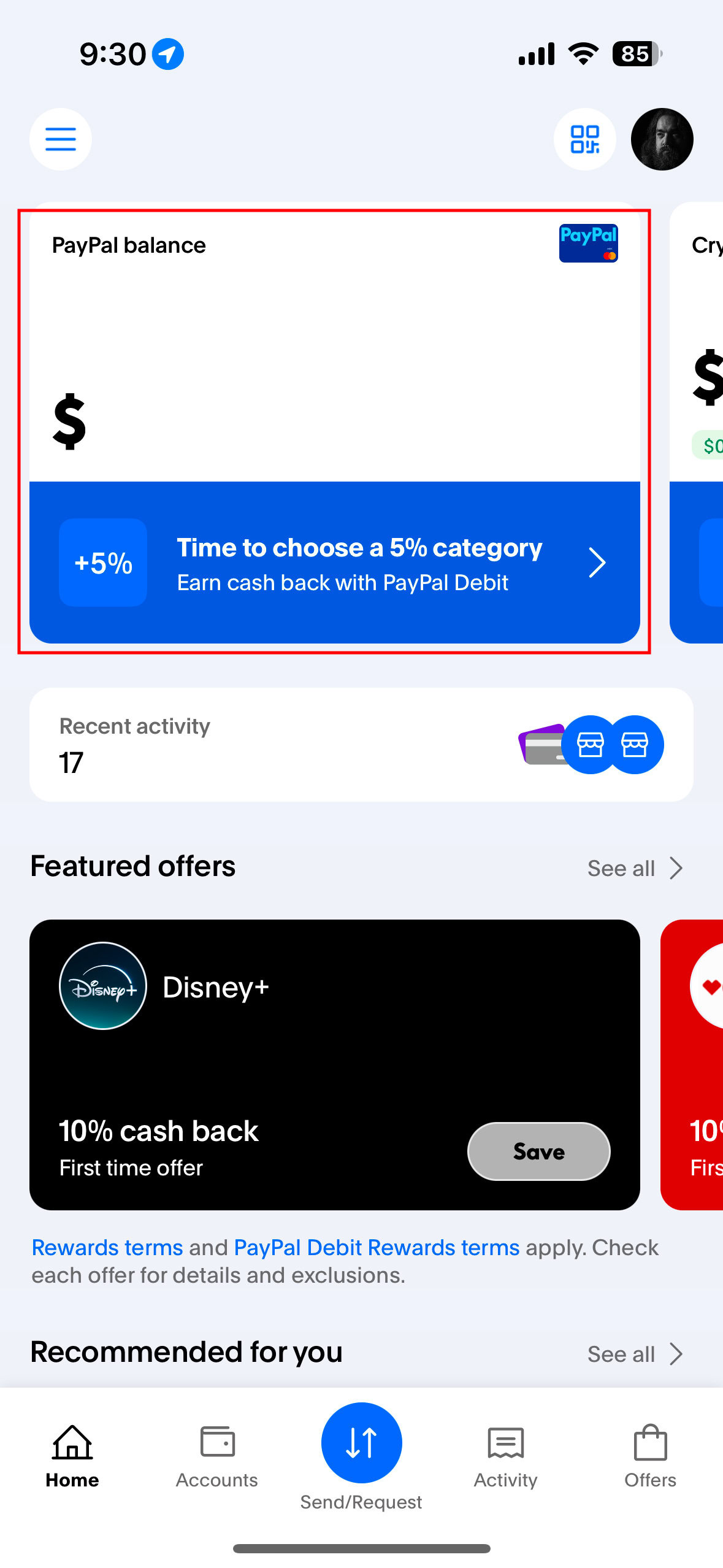
- Navigate to your “Wallet” and select “Transfer Money.”
- Select “Add money to your balance.”
- Choose the bank account that you just used to receive the Cash App funds.
- Enter the amount and confirm.
It is important to note that PayPal’s “Add Money” feature typically takes 3–5 business days to clear. Therefore, if you use the standard transfer options for both legs of this journey, you should plan for a total lead time of approximately one business week.
The Cash Card Integration Strategy: A Faster Alternative
For users who require a more streamlined approach or who do not wish to wait for traditional banking clearance times, the Cash App “Cash Card” offers a sophisticated workaround. The Cash Card is a Visa debit card linked directly to your Cash App balance. By treating this card as a standard funding source within PayPal, you can bypass the need to manually move money into a middleman bank account.
Linking the Cash Card to Your PayPal Wallet
The first step in this strategy is to integrate the two platforms at the software level.
- In your PayPal account, go to the “Wallet” section.
- Select “Link a card or bank” and then choose “Link a debit card.”
- Enter the details of your Cash App Cash Card (the 16-digit number, expiry, and CVV).
- PayPal may perform a small temporary authorization charge to verify the card.
Using the Linked Card for Payments and Transfers
Once the Cash Card is linked to PayPal, you have successfully “bridged” the two accounts. When you go to make a purchase or send money via PayPal, you can select the Cash Card as your primary funding source. This effectively spends the money that is sitting in your Cash App balance through the PayPal interface.
However, a critical distinction remains: while you can spend Cash App funds through PayPal this way, you generally cannot “Add Money” to your PayPal balance directly from a debit card in the same way you can from a bank account. Instead, the Cash Card serves as a “pass-through” entity, allowing for real-time transactions without the need for a pre-loaded PayPal balance.
Analyzing Fees, Timelines, and Financial Efficiency
In any financial maneuver, the goal should be to minimize friction and maximize the retention of funds. When moving money between Cash App and PayPal, the “cost of speed” is a significant factor. Every percentage point lost to an “Instant Transfer” fee is a direct hit to your net worth, especially when dealing with high-frequency transfers.
Speed vs. Cost Analysis
If you are transferring $1,000, an instant transfer fee of 1.75% costs you $17.50. While this may seem nominal for a one-time transaction, a monthly habit of instant transfers can result in hundreds of dollars in lost capital annually.
- The Patient Path: 0% fees, 4–8 days total. Best for routine budget rebalancing.
- The Urgent Path: ~1.75% fees, near-instant. Best for emergency expenses or time-sensitive investment opportunities.
By planning your transfers in advance, you can avoid these fees entirely. Financial discipline involves anticipating your liquidity needs a week in advance so that you are never forced to pay a premium for your own money.
Security and Fraud Prevention Protocols
Whenever you are linking multiple financial platforms, you increase your digital footprint and, by extension, your exposure to risk. It is imperative to enable Two-Factor Authentication (2FA) on both Cash App and PayPal. Furthermore, because these transfers often involve an intermediary bank, ensure that your bank’s notification system is set to alert you of any “ACH” or “Direct Deposit” activity. This creates a multi-layered security net that protects your assets as they move through the digital ether.
Building a Seamless Multi-Platform Financial Workflow
The ultimate goal of mastering these tools is to create a workflow that supports your broader financial objectives. Many professionals use Cash App for local, personal transactions—splitting dinner bills or receiving small payments for side hustles—while reserving PayPal for business invoices and international subscriptions.
Optimizing Cash Flow with Automated Transfers
To maintain a high level of financial organization, consider setting a “sweep” schedule. For example, every Friday, you might cash out your accumulated Cash App balance to your bank account. By Monday, that capital is ready to be deployed into PayPal or your investment accounts. This structured approach prevents funds from sitting idle in non-interest-bearing accounts, which is a common pitfall of the “digital wallet” era.
The Future of Fintech Interoperability
As the industry matures, we may see more direct integrations. The rise of “Open Banking” in the UK and Europe is a precursor to what may eventually happen in the United States. Open Banking regulations force financial institutions to allow their customers to share their data and initiate payments through third-party providers securely. Until such regulations become standard in the U.S., the methods outlined above—using bank accounts and debit cards as bridges—remain the most effective strategies for the modern consumer.
In conclusion, sending money from Cash App to PayPal is a task that requires a fundamental understanding of how digital ledgers interact. By leveraging the intermediary bank account for volume and the Cash Card for speed, you can maintain total control over your digital assets. This mastery not only ensures that your funds are accessible when needed but also reinforces a disciplined approach to personal finance in an increasingly fragmented digital world.
aViewFromTheCave is a participant in the Amazon Services LLC Associates Program, an affiliate advertising program designed to provide a means for sites to earn advertising fees by advertising and linking to Amazon.com. Amazon, the Amazon logo, AmazonSupply, and the AmazonSupply logo are trademarks of Amazon.com, Inc. or its affiliates. As an Amazon Associate we earn affiliate commissions from qualifying purchases.