
In today’s dynamic marketplace, the ability to sell a valuable asset like a car quickly and efficiently is often critical for personal finance management. Whether you’re looking to free up capital for a new investment, mitigate ongoing depreciation costs, or simply streamline your budget, understanding the financial levers involved in a rapid sale is paramount. This guide delves into the strategic financial considerations and actionable steps necessary to expedite your car sale, ensuring you secure a desirable outcome without compromising on value. We’ll explore pricing strategies, smart preparation, marketing tactics, negotiation techniques, and alternative selling avenues, all viewed through the lens of maximizing financial efficiency and return.
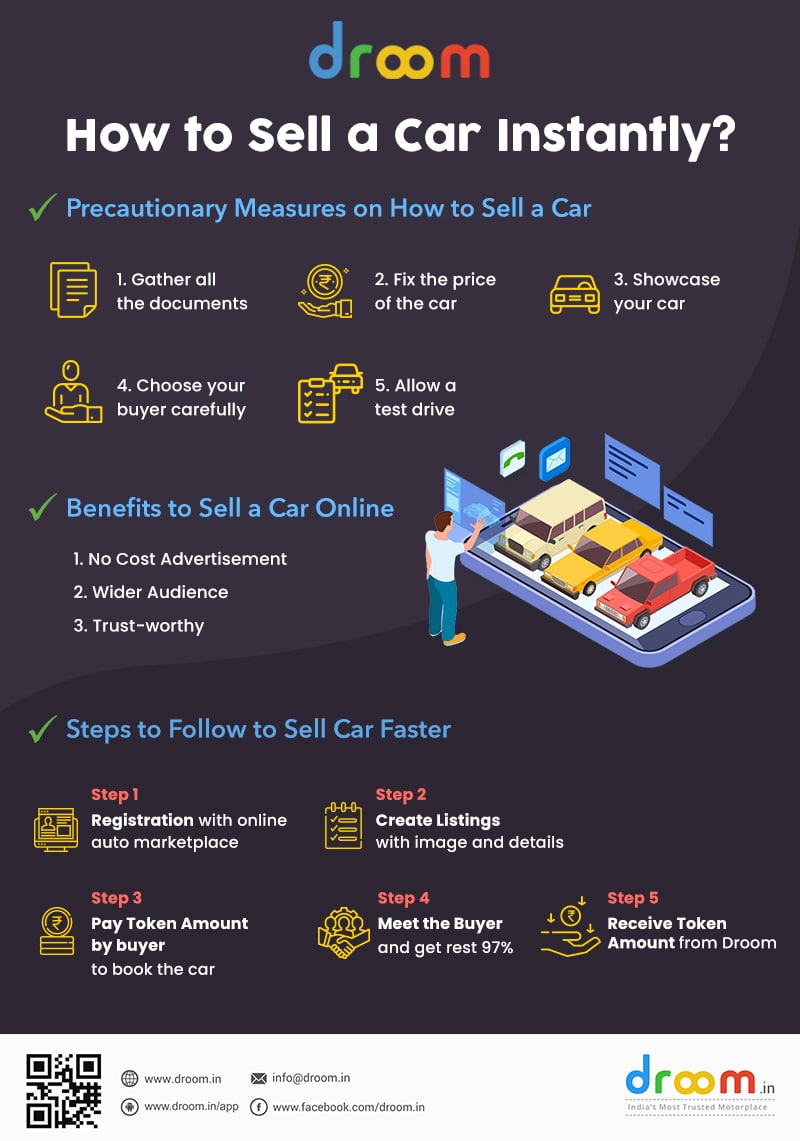
Strategic Pricing for Swift Sales: Mastering Market Valuation
The cornerstone of a fast car sale is setting an accurate and attractive price. This isn’t merely about guessing a figure; it’s a data-driven process that directly impacts your liquidity and potential financial gain. An overpriced vehicle languishes on the market, incurring holding costs and continued depreciation, while an underpriced one leaves money on the table. The goal is to find that sweet spot that signals fair value to buyers and encourages swift action.
Comprehensive Market Research: Identifying Your Car’s True Worth
Before listing your car, thorough market research is indispensable. Begin by identifying comparable vehicles – those of the same make, model, year, trim level, and similar mileage and condition – that have recently sold or are currently listed in your local market. Utilize online marketplaces, dealership websites, and valuation tools (e.g., Kelley Blue Book, Edmunds, NADAguides) to gather a comprehensive data set. Pay close attention to the asking prices of similar cars, but more importantly, try to ascertain their actual selling prices if possible, which can often be slightly lower. This financial benchmarking provides a realistic understanding of your car’s current market value, factoring in regional demand and supply dynamics. Consider the impact of any unique features, optional extras, or unusual mileage (either very low or very high) on this baseline valuation. This initial financial due diligence is crucial for setting expectations and avoiding common pricing pitfalls.
The Art of Competitive Pricing: Balancing Speed and Profit
Once you have a solid understanding of your car’s market value, the next step is to strategize your listing price. For a fast sale, competitive pricing is often more effective than aiming for the absolute maximum possible profit. Consider setting your price slightly below the average market value for comparable vehicles. This strategy, often referred to as “psychological pricing,” makes your car appear as an excellent value proposition, attracting more inquiries and potentially sparking a bidding situation if demand is high. It also provides a small buffer for negotiation, allowing you to quickly close a deal while still achieving a satisfactory financial outcome. Be transparent about your pricing, and be prepared to justify it with your research. Remember, the cost of holding onto a car (insurance, registration, depreciation) can quickly erode any potential extra profit from an ambitious price. A slightly lower price that secures a quick sale often results in a higher net financial gain.
Understanding Depreciation and Value Retention: A Financial Perspective
Depreciation is the silent enemy of car owners, steadily eroding an asset’s value over time. For a fast sale, understanding your car’s depreciation curve is critical. Newer cars typically depreciate faster in their initial years, while older cars have a slower, more linear depreciation rate. By selling quickly, you can mitigate further depreciation, preserving more of your car’s residual value. Factors like mileage, condition, service history, and even the car’s color can influence its value retention. Vehicles with comprehensive service records, showing regular maintenance and necessary repairs, tend to hold their value better as they signal reliability and lower future costs to the buyer. Conversely, a car with significant cosmetic damage or mechanical issues will likely have accelerated depreciation and require a more aggressive pricing strategy for a swift sale. Factor in all these elements when calculating your asking price to ensure it accurately reflects the car’s current financial standing and minimizes future losses.
Maximizing Financial Return Through Smart Preparation
While aggressive pricing is a powerful tool for a quick sale, the physical and administrative preparation of your vehicle also plays a pivotal role in its perceived value and, ultimately, your financial return. Smart preparation isn’t about spending excessively; it’s about making strategic, cost-effective investments that yield a significant return in the form of a higher selling price and a faster transaction.
Cost-Benefit Analysis of Detailing and Minor Repairs
Before presenting your car to potential buyers, conduct a thorough cost-benefit analysis regarding detailing and minor repairs. A professionally detailed car, both inside and out, significantly enhances its appeal and can command a higher price. Buyers often equate cleanliness and a well-maintained appearance with mechanical reliability and care, making them more willing to pay a premium. Consider whether the cost of a full detail (typically $100-$300) is likely to add several hundred to thousands to your selling price. For minor repairs – such as fixing a burnt-out headlight, replacing worn wiper blades, or touching up small paint chips – calculate whether the cost of the repair is less than the perceived reduction in value if left undone. A buyer will often overestimate the cost of repairs they see, using it as a strong negotiation point. Addressing these small issues preemptively removes ammunition from negotiators and strengthens your financial position, signaling a car that has been cared for and requires minimal immediate investment from the new owner.
Assembling Comprehensive Financial Documentation and Service Records
Financial transparency and a well-documented history can significantly accelerate a sale and boost buyer confidence. Prepare all pertinent financial documents, including the car’s title (ensuring it’s clear of liens), registration, and any outstanding loan information. Buyers want assurance that the transaction will be straightforward and that they will obtain a clean title. Crucially, compile a complete service history, including all maintenance records, repair receipts, and inspection reports. These documents act as a verifiable ledger of your car’s health and maintenance investment. A car with a transparent, comprehensive service history often commands a higher price and sells faster because it mitigates buyer risk and provides a clear picture of the vehicle’s past. This attention to financial detail can differentiate your car from competitors and validate your asking price.
Presenting Your Car for Optimal Perceived Value
The way your car is presented in photos and in person directly influences its perceived financial value. Beyond cleaning, think about staging. Ensure the car is photographed in good lighting, ideally outdoors, with a clean and uncluttered background. Take high-quality, clear photos from multiple angles – exterior, interior, engine bay, trunk – highlighting key features and any upgrades. For in-person viewings, ensure the car smells fresh, is free of personal clutter, and all basic functions (lights, windows, radio) are demonstrably working. A well-presented car suggests a well-maintained car, psychologically reinforcing its financial worth to a potential buyer. This careful presentation can reduce the time your car spends on the market and minimize the chances of lowball offers, thus preserving your financial expectations.
Leveraging Digital Platforms for Rapid Buyer Engagement
In the digital age, online platforms are the most effective conduit for a fast car sale, offering unparalleled reach to a vast pool of potential buyers. The way you present your vehicle online directly impacts the speed and financial outcome of your sale. A compelling digital presence translates into more inquiries, faster viewings, and ultimately, a quicker transaction at a favorable price.
Crafting Compelling Listings: Emphasizing Financial Advantages and Features
Your online listing is your car’s digital showroom, and its financial details are key selling points. Start with a clear, concise, and captivating title that includes essential information (year, make, model, trim) to help buyers quickly identify your vehicle. In the description, go beyond basic specifications. Highlight the financial advantages of your car: its fuel efficiency, low maintenance costs (if applicable), recent upgrades that add value, or any remaining warranty coverage. Emphasize features that appeal to a buyer’s practical and financial sense, such as advanced safety features that could lower insurance premiums, or a robust infotainment system that enhances driving experience. Be honest about mileage and condition, as transparency builds trust and prevents time-wasting inquiries. Structure your description with bullet points for readability and use strong, descriptive language to paint a vivid picture of what the buyer is investing in. A well-written listing generates higher-quality leads, streamlining the sales process and accelerating your time to financial closure.
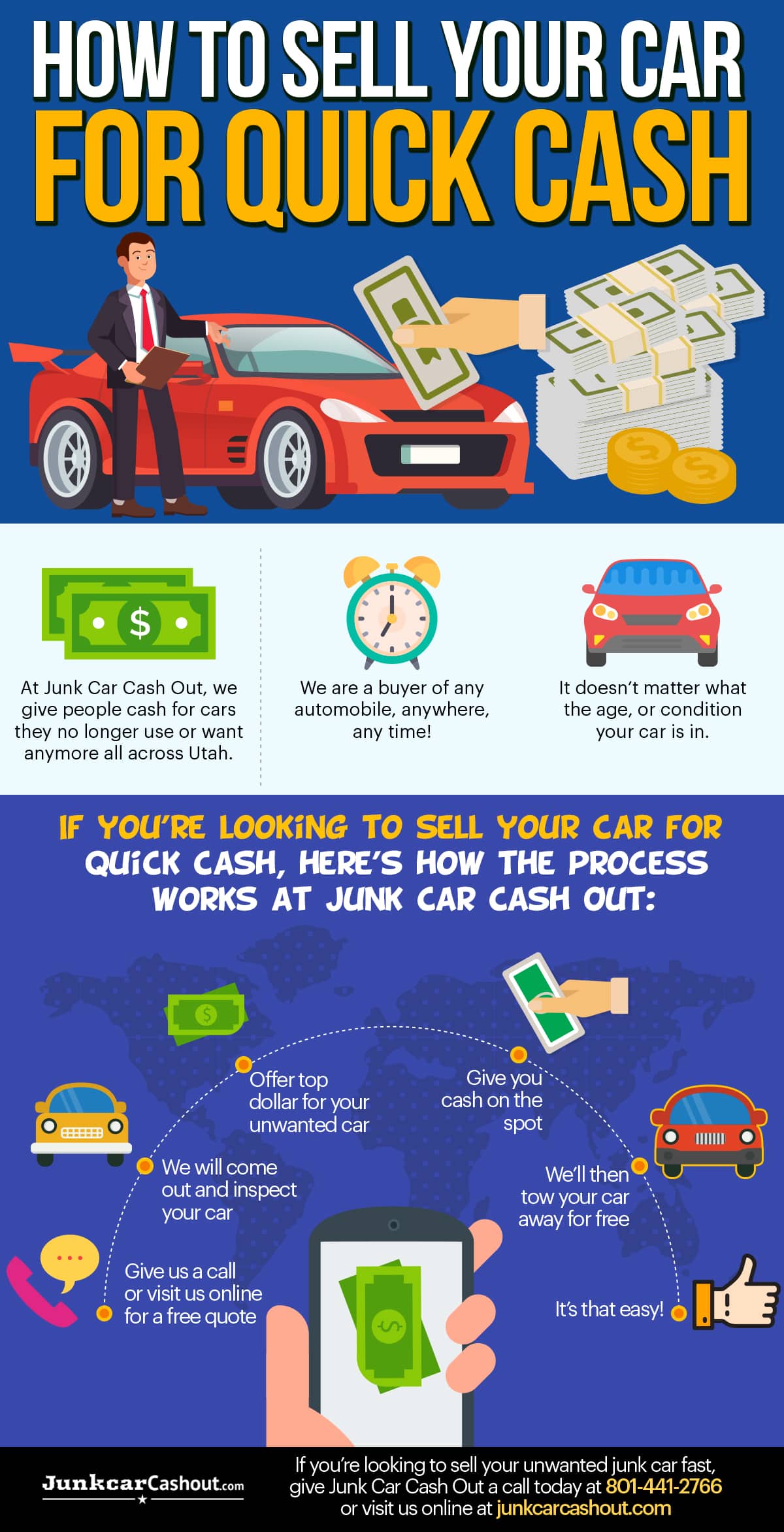
Visual Appeal: Photography as an Investment in Marketing
High-quality photography is arguably the most crucial element of a fast online sale, acting as a visual investment that pays significant dividends. Professional-looking photos grab attention, convey trustworthiness, and give buyers a realistic expectation of the vehicle’s condition, reducing unnecessary inquiries. Take clear, well-lit photos from at least 8-10 different angles, including:
- Exterior: Front, rear, both sides, front 3/4, rear 3/4.
- Interior: Dashboard, front seats, rear seats, trunk.
- Key Features: Wheels, tire tread, engine bay (if clean), any special features or upgrades.
- Documentation: A photo of a clean carfax report or service records can add immense value.
Ensure the car is clean, both inside and out, and that the background is uncluttered. Avoid blurry or dark photos. Consider taking photos during daylight hours for optimal natural lighting. This visual marketing investment significantly increases engagement, makes your listing stand out, and directly contributes to a faster sale at a better price by attracting serious, financially qualified buyers.
Choosing the Right Sales Channels: Reaching the Financially Motivated Buyer
Selecting the appropriate sales platform is critical for maximizing exposure and targeting the right buyer demographic for a swift financial transaction.
- Online Marketplaces (e.g., Facebook Marketplace, Craigslist): These platforms offer wide reach and are often free or low-cost, making them ideal for private sellers seeking to maximize profit margins by avoiding dealer fees. They require more active management and negotiation but connect you directly with individual buyers.
- Dedicated Car Sales Websites (e.g., AutoTrader, Cars.com): These sites typically charge a listing fee but offer specialized features, broader national reach, and often attract more serious buyers who are actively searching for specific models. The investment in listing fees can often be justified by the quality of leads and the speed of sale.
- Online Car Buying Services (e.g., Carvana, Vroom, Webuyanycar.com): For the absolute fastest sale, these services provide instant cash offers, often completing transactions within days. While they offer unparalleled speed and convenience, the financial trade-off is usually a lower offer than what you might achieve through a private sale or even a trade-in. They are an excellent option when liquidity and speed are the top priorities, even at a slight discount.
Strategically choose the platform(s) that align with your financial goals – whether it’s maximizing profit, ensuring speed, or balancing both. Diversifying your listing across a couple of key channels can also enhance visibility and accelerate the sales process.
Navigating Negotiation and Secure Transaction Practices
Once your car is listed and attracting attention, the next critical phase involves negotiation and ensuring a secure financial transaction. This stage is where your preparation culminates, allowing you to convert interest into a finalized sale. A strategic approach to negotiation and a meticulous focus on financial security are paramount to achieving your desired outcome swiftly and safely.
Establishing Your Financial Bottom Line and Negotiation Strategy
Before engaging with any buyer, firmly establish your non-negotiable financial bottom line – the absolute minimum price you are willing to accept. This figure should account for your initial research, the car’s condition, and any expenses incurred during preparation. Having a clear bottom line prevents emotional decision-making and ensures you don’t sell for less than your financial objective. When negotiating, be confident but flexible. Listen actively to the buyer’s offers and counter-offers. Don’t be afraid to politely decline offers that are too low, but also be open to a reasonable compromise. Highlight the value you’ve invested in the car (maintenance, recent repairs, detailing) to justify your price. Remember that the goal is a quick sale, so an overly rigid stance might deter a serious buyer. A slight concession, if within your bottom line, can often be the catalyst for a rapid agreement.
Safeguarding Your Sale: Secure Payment Methods and Fraud Prevention
The financial transfer is the most sensitive part of the transaction, requiring utmost caution to prevent fraud. For a private sale, cash is king for speed and security, but only for smaller amounts and always verified at your bank. For larger sums, a cashier’s check or wire transfer from the buyer’s bank are generally the safest options. Always verify cashier’s checks directly with the issuing bank during banking hours; never accept a check for more than the selling price with a request to wire back the difference, as this is a common scam. Avoid personal checks, money orders, or third-party payment apps like PayPal or Venmo for large transactions, as they often lack the same level of fraud protection or can be reversed. Conduct the transaction in a public place or at your bank if possible. Prioritize secure payment methods that provide immediate, irreversible funds to safeguard your financial assets and ensure a smooth, worry-free closing.
Finalizing the Financial Transfer: Essential Paperwork and Legalities
Once a price is agreed upon and payment secured, the final step involves transferring ownership and completing all necessary financial and legal paperwork. This typically includes:
- Signing the Title: Endorse the vehicle’s title to the new owner, indicating the sale date and odometer reading. Some states require this to be notarized.
- Bill of Sale: Prepare a Bill of Sale that clearly states the vehicle’s information (VIN, make, model), the agreed-upon sale price, the date of sale, and the signatures of both the buyer and seller. This document is crucial for both parties as a record of the financial transaction.
- Release of Liability: In many states, you’ll need to submit a Release of Liability form to your Department of Motor Vehicles (DMV) or equivalent agency. This officially removes your financial and legal responsibility for the vehicle, protecting you from any incidents involving the car after the sale.
- Proof of Insurance: Ensure the buyer has obtained their own insurance before they drive the vehicle away.
Completing all paperwork accurately and promptly is vital to protect your financial interests and avoid future liabilities. A meticulously handled financial transfer ensures a clean break from your ownership responsibilities and a swift, secure conclusion to the sale.
Exploring Expedited Selling Avenues: Trade-ins and Instant Cash Offers
While private sales often yield the highest financial return, they also demand the most time and effort. For sellers whose primary goal is speed, or those seeking a more streamlined process, exploring alternative expedited selling avenues can be highly beneficial. These options, while potentially offering a lower ultimate sale price, provide convenience and guaranteed liquidity, which can be invaluable depending on your financial priorities.
Evaluating Trade-in Options: Convenience vs. Direct Financial Gain
Trading in your car to a dealership when purchasing a new one is arguably the fastest and most convenient selling method. The entire transaction occurs at one location, eliminating the need for independent marketing, negotiation with private buyers, and complex paperwork. The financial benefit is typically realized through a reduction in the purchase price of your new vehicle, potentially saving on sales tax in some states as well (since the trade-in value is deducted before tax calculation). However, this convenience often comes at a cost. Dealerships typically offer wholesale or slightly above wholesale prices for trade-ins, which are generally lower than what you could achieve through a private sale. This is because the dealership needs to make a profit margin when reselling your car. Therefore, when evaluating a trade-in, you must weigh the substantial time and effort saved against the potential for a lower net financial gain. For those with a high opportunity cost for their time or an urgent need to consolidate a transaction, a trade-in can be a financially sound choice despite the lower price.
Instant Offers: Weighing Speed Against Potential Profit Margin
A growing number of online platforms and physical dealerships offer “instant cash offers” for your vehicle. Services like Carvana, Vroom, or various dealership groups allow you to submit your car’s details online and receive a no-obligation purchase offer, often within minutes. If you accept, they typically handle pickup and payment within a few days, providing an incredibly fast and hassle-free selling experience. The primary advantage here is unparalleled speed and certainty of sale. There’s no need to prepare the car, interact with multiple buyers, or negotiate. However, similar to trade-ins, these instant offers usually reflect a wholesale price or slightly below retail, meaning you’ll likely receive less than what you could achieve in a private sale. The financial decision boils down to your priorities: if immediate liquidity and minimal effort are paramount, even at the expense of a percentage of your car’s market value, then an instant cash offer is an excellent expedited option. It’s a strategic trade-off where the value of time and convenience directly outweighs maximizing the profit margin.

Understanding Dealership Consignment: A Hands-Off Financial Strategy
For those seeking a better financial return than an instant offer or trade-in, but without the personal time investment of a private sale, dealership consignment can be an appealing middle ground. In this arrangement, a dealership agrees to sell your car on your behalf for a fee or a percentage of the sale price. The dealership handles all the marketing, showings, negotiations, and paperwork, leveraging their established sales infrastructure and customer base. This approach can often fetch a higher price than a direct trade-in or instant offer because the dealership’s profit margin comes from the agreed-upon fee, not from acquiring the vehicle at wholesale. You retain ownership of the vehicle until it sells, and you have input on the final selling price. While not as fast as an instant offer, it can be significantly quicker and less stressful than a private sale. This strategy is best suited for sellers who value convenience and a potentially higher financial return, are not in an extreme rush, and are comfortable with the dealership managing the sales process. It’s a calculated financial delegation for those who see their time as a valuable commodity.
aViewFromTheCave is a participant in the Amazon Services LLC Associates Program, an affiliate advertising program designed to provide a means for sites to earn advertising fees by advertising and linking to Amazon.com. Amazon, the Amazon logo, AmazonSupply, and the AmazonSupply logo are trademarks of Amazon.com, Inc. or its affiliates. As an Amazon Associate we earn affiliate commissions from qualifying purchases.