
The digital commerce landscape has undergone a seismic shift, moving away from fragmented, self-hosted solutions toward integrated Software as a Service (SaaS) environments. At the forefront of this evolution is Shopify, a robust engine that provides the technical scaffolding for millions of businesses worldwide. To “sell on Shopify” in the modern era is to manage a complex tech stack that balances user experience, data security, and automated workflows. This guide explores the technical intricacies of the Shopify platform, offering a deep dive into how to leverage its software capabilities to build a high-performing digital storefront.

Architecture and Setup: Navigating the Shopify SaaS Environment
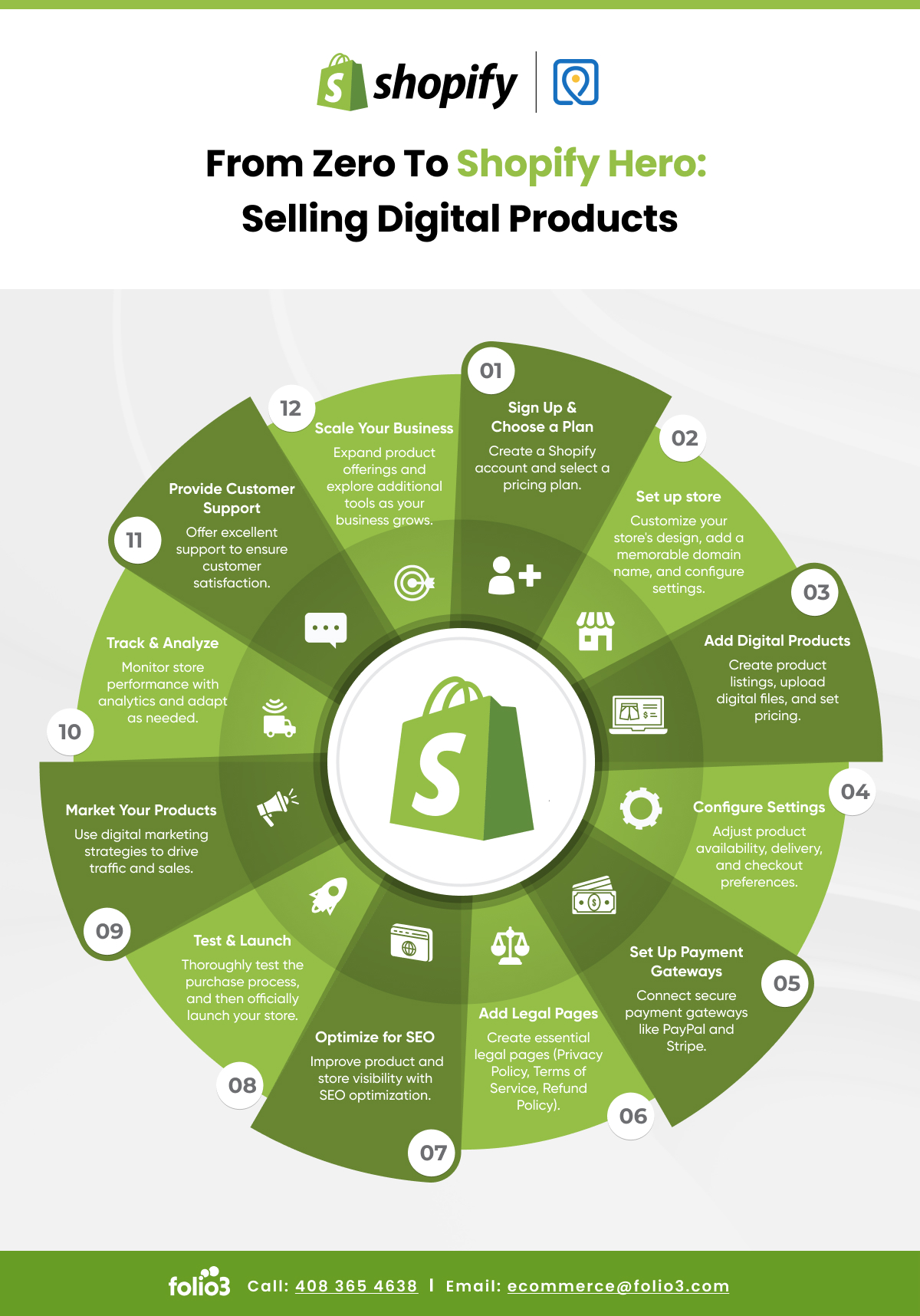
Before a single product can be sold, a merchant must understand the architectural foundation of Shopify. Unlike open-source platforms that require manual server management, Shopify is a closed-source SaaS, meaning the core security, hosting, and uptime are managed by the provider. This allows developers and merchants to focus on the application layer.
Choosing the Right Plan for Technical Scalability
The journey begins with selecting a technical tier that matches your operational requirements. While the Basic plan offers core functionality, larger enterprises often migrate to Shopify Plus. The technical distinction lies in API call limits, the ability to customize the checkout liquid file (for legacy stores), and access to “Shopify Functions,” which allow for custom backend logic without the need for complex workarounds. Understanding these limits is crucial for businesses planning to integrate heavy ERP (Enterprise Resource Planning) or CRM (Customer Relationship Management) systems.
Domain Mapping and DNS Configuration
A critical technical step in the setup phase is the proper configuration of Domain Name System (DNS) records. To ensure a seamless user experience and maintain SSL certification, merchants must correctly point A records and CNAME records to Shopify’s load balancers. This technical handshake ensures that global traffic is routed through Shopify’s Content Delivery Network (CDN), minimizing latency and ensuring that the “HTTPS” padlock is consistently present, which is a fundamental requirement for modern web security.
The Liquid Templating Engine: Customizing the Storefront
At the heart of Shopify’s customization capability is Liquid, an open-source template language written in Ruby. Liquid acts as the bridge between the Shopify database and the user’s browser. By mastering Liquid tags, objects, and filters, developers can create dynamic content that updates automatically based on product attributes or customer behavior. Whether it is rendering conditional pricing logic or building a custom product page layout, Liquid provides the technical flexibility to move beyond standard “out-of-the-box” themes.
Optimizing the Tech Stack: Essential Apps and API Integrations
The true power of Shopify lies in its extensibility. A “vanilla” Shopify store is often insufficient for complex operations; therefore, building a curated tech stack through the Shopify App Store or custom API development is essential.
Leveraging the Shopify App Store for Enhanced Functionality
The Shopify App Store is a vast ecosystem of third-party software designed to plug into the core platform. However, from a technical perspective, “app bloat” is a significant risk. Every app added to a store often injects additional JavaScript into the storefront, which can degrade PageSpeed scores. A technical approach to selling involves selecting apps that are “App Embed” compatible, allowing them to load more efficiently via the Shopify Theme App Extensions framework, which minimizes direct code injection into theme files.
Managing Inventory through Automated API Workflows
For merchants selling across multiple channels—such as Amazon, eBay, and a physical brick-and-mortar location—synchronizing inventory is a technical challenge. Shopify’s REST and GraphQL APIs allow for real-time data synchronization. By utilizing webhooks, a store can automatically trigger updates across the entire supply chain the moment a sale is made. This automated technical workflow prevents overselling and ensures that the inventory database remains a “single source of truth.”
Customer Relationship Management (CRM) Integration
Selling effectively requires data-driven insights. Integrating a CRM like Klaviyo or HubSpot via Shopify’s API allows for the technical tracking of customer lifecycles. This involves setting up tracking pixels and server-side events that capture data points such as “Added to Cart” or “Started Checkout.” This technical bridge enables sophisticated marketing automation, where software triggers personalized emails based on specific technical triggers within the Shopify environment.
Technical SEO and Performance Optimization
In a crowded digital marketplace, visibility is determined by technical performance. Search engines prioritize sites that load quickly and follow specific architectural standards.

Speed Optimization: Image Compression and Script Management
Performance is a core metric of the user experience. Shopify utilizes a global CDN powered by Cloudflare to serve images and assets. However, merchants must still implement technical best practices, such as using WebP image formats and implementing “lazy loading” for assets below the fold. Furthermore, managing the execution order of JavaScript—deferring non-essential scripts until after the primary content has rendered—is vital for achieving high scores in Google’s Core Web Vitals.
Mobile-First Indexing and Responsive Design Protocols
With over 70% of e-commerce traffic originating from mobile devices, the technical architecture of a Shopify theme must be mobile-first. This involves using CSS Flexbox or Grid layouts that adapt fluidly to various screen resolutions. From a technical standpoint, this also means ensuring that touch targets are appropriately sized and that the “Thumb Zone” is optimized for navigation. Shopify’s Liquid-based themes are generally responsive by default, but custom modifications require rigorous testing across multiple browser engines (WebKit, Blink, Gecko).
Structured Data and Schema Markup for Better Visibility
To help search engine crawlers understand the context of a product page, merchants must implement JSON-LD structured data. This snippet of code provides technical metadata—such as price, availability, and review ratings—directly to Google. When implemented correctly, this results in “Rich Snippets” in search results, which can significantly increase click-through rates. While many Shopify themes include basic Schema, advanced sellers often use custom code to inject more granular data, such as SKU numbers and MPNs, into the page’s technical header.
Security and Payment Technologies
The technical integrity of a store is most visible during the transaction phase. Handling sensitive financial data requires a sophisticated security infrastructure.
Implementing Secure Payment Gateways and PCI Compliance
One of the primary advantages of selling on Shopify is that the platform is Level 1 PCI DSS compliant by default. This means the technical burden of securing credit card data is handled by Shopify. However, merchants must still decide which payment gateways to integrate. Shopify Payments, powered by Stripe, offers the tightest technical integration, allowing for features like “Shop Pay,” which uses vaulted credit card data to enable one-click checkouts across the entire Shopify network.
Data Protection and GDPR Compliance in E-commerce
In an era of strict data privacy laws, the technical management of customer data is paramount. Shopify provides tools to manage GDPR and CCPA compliance, such as “Customer Privacy” settings that control how tracking cookies are deployed. From a technical perspective, this requires the implementation of a Consent Management Platform (CMP) that interfaces with Shopify’s privacy API to ensure that no tracking scripts are fired until the user has provided explicit consent.
Fraud Detection and Mitigation Tools
Selling online carries the inherent risk of fraudulent transactions. Shopify’s built-in analysis uses machine learning algorithms to flag “High Risk” orders based on technical indicators such as IP address geolocation, proxy usage, and BIN (Bank Identification Number) mismatches. For high-volume sellers, integrating additional software like Signifyd or NoFraud provides an extra technical layer of protection, using cross-platform data to verify the legitimacy of a buyer before the order is processed.
The Future of Selling: AI and Automation on Shopify
As we look toward the future, the technical landscape of Shopify is increasingly defined by Artificial Intelligence and advanced automation.
Utilizing Shopify Magic and Sidekick for AI-Driven Content
Shopify has integrated AI directly into its core software through “Shopify Magic.” This suite of tools uses Large Language Models (LLMs) to generate product descriptions, email subject lines, and blog posts. For the merchant, this represents a technical shift from “content creation” to “content orchestration.” By providing the AI with specific data points—such as material, tone, and keywords—the software generates high-quality copy that is already optimized for the store’s technical SEO framework.
Automating Customer Support with Advanced Chatbots
The integration of AI-driven chatbots, such as Shopify Inbox or third-party tools like Gorgias, has revolutionized customer service. These tools use Natural Language Processing (NLP) to understand customer inquiries and pull real-time data from the Shopify API (e.g., order status, tracking numbers) to provide instant answers. This reduces the technical overhead of customer support and ensures that the “selling” process continues 24/7 without human intervention.
Predictive Analytics for Data-Driven Decision Making
The final piece of the technical puzzle is the use of predictive analytics. By leveraging the vast amounts of data stored within the Shopify database, software can now predict future buying patterns, identify churn risks, and suggest optimal stock levels. This move from descriptive analytics (what happened) to predictive analytics (what will happen) is the hallmark of a technologically mature Shopify merchant.
In conclusion, selling on Shopify is no longer just about listing products; it is about managing a sophisticated technological ecosystem. From mastering Liquid code and DNS configurations to implementing AI-driven workflows and ensuring PCI compliance, the modern merchant must act as a technical architect. By embracing these software-driven strategies, businesses can build a storefront that is not only functional but also scalable, secure, and prepared for the future of digital commerce.
aViewFromTheCave is a participant in the Amazon Services LLC Associates Program, an affiliate advertising program designed to provide a means for sites to earn advertising fees by advertising and linking to Amazon.com. Amazon, the Amazon logo, AmazonSupply, and the AmazonSupply logo are trademarks of Amazon.com, Inc. or its affiliates. As an Amazon Associate we earn affiliate commissions from qualifying purchases.