
Selling cryptocurrency can be a crucial step in managing your digital asset portfolio, whether you’re looking to realize profits, rebalance investments, or convert assets into traditional currency for other financial needs. Coinbase stands as one of the most widely used and regulated platforms for such transactions, offering a streamlined process for converting your digital holdings into fiat currency. Understanding the financial implications, preparation, and execution involved is paramount for a successful and strategically sound sale. This guide delves into the essential steps and financial considerations for effectively selling your crypto on Coinbase.
Strategic Financial Planning Before Selling
Before initiating any sale, a clear financial strategy is essential. Selling cryptocurrency isn’t merely about clicking a button; it involves considering your original investment goals, market conditions, and future financial requirements.
Understanding Your Motivation to Sell
Your reason for selling should dictate your approach. Common motivations include:
- Profit Realization: You’ve seen significant gains in an asset and wish to lock in those profits, diversifying into other investments or traditional savings. This often involves tracking your cost basis carefully to accurately calculate capital gains.
- Portfolio Rebalancing: Your crypto holdings might have grown disproportionately within your overall investment portfolio. Selling a portion allows you to reallocate funds, maintaining your desired asset allocation and risk profile across different investment classes.
- Liquidity Needs: You might require immediate access to funds for a major purchase, an emergency, or to meet other financial obligations. Understanding the withdrawal timelines and potential fees is critical here.
- Risk Management: Market sentiment or fundamental changes in a cryptocurrency project might prompt you to reduce your exposure to a particular asset, mitigating potential future losses. This proactive step helps protect your capital.
Assessing Market Conditions and Timing
While it’s impossible to perfectly time the market, being aware of current trends can influence your selling decision. Consider the asset’s recent performance, broader market sentiment, and any upcoming news or events that could impact its price. A well-thought-out exit strategy, whether it’s setting price targets or using dollar-cost averaging (selling small portions over time), can help optimize your returns and manage emotional decision-making.
Tax Implications and Record Keeping
Every sale of cryptocurrency in most jurisdictions is a taxable event. Understanding your local capital gains tax laws is crucial. You’ll need to accurately track your cost basis (the price at which you acquired the crypto, plus any fees) and the proceeds from your sale to determine your capital gain or loss. Maintaining meticulous records of all your transactions—purchases, sales, swaps, and transfers—is not just good financial practice but often a legal requirement. Coinbase provides transaction history reports, but cross-referencing with your own records is advisable.
Preparing Your Coinbase Account for Sale
A secure and fully verified Coinbase account is the foundation for any cryptocurrency transaction. Ensuring your account is properly set up will prevent delays and facilitate a smooth transfer of funds.
Account Verification and KYC Compliance
Coinbase, as a regulated financial service provider, adheres to Know Your Customer (KYC) and Anti-Money Laundering (AML) regulations. This means your account must be fully verified, often requiring government-issued ID and proof of address. If your verification is incomplete or outdated, you may face limitations on selling or withdrawing funds. Ensure all your personal information is current and accurate to avoid any interruptions.
Linking and Verifying Withdrawal Methods
To receive funds from your crypto sale, you’ll need to link a valid bank account or other supported withdrawal method (such as PayPal) to your Coinbase account.
- Bank Account (ACH Transfer): This is the most common method for U.S. users. You’ll typically link your bank account through an instant verification service or by providing your routing and account numbers, followed by small deposit verifications. Be aware of transfer limits and processing times, which can range from 1-5 business days.
- PayPal: Coinbase supports PayPal for withdrawals in many regions, offering a faster way to access funds. Ensure your PayPal account is verified and linked correctly.
- Wire Transfer: For larger sums, wire transfers might be an option, often with higher fees but potentially faster processing for significant transactions.
Always double-check that your linked accounts are correct and active to prevent funds from being sent to the wrong destination or being held up.
The Step-by-Step Process of Selling Crypto on Coinbase
Once your account is prepared and your financial strategy is clear, the actual process of selling crypto on Coinbase is straightforward.
1. Navigating to the Sell Feature
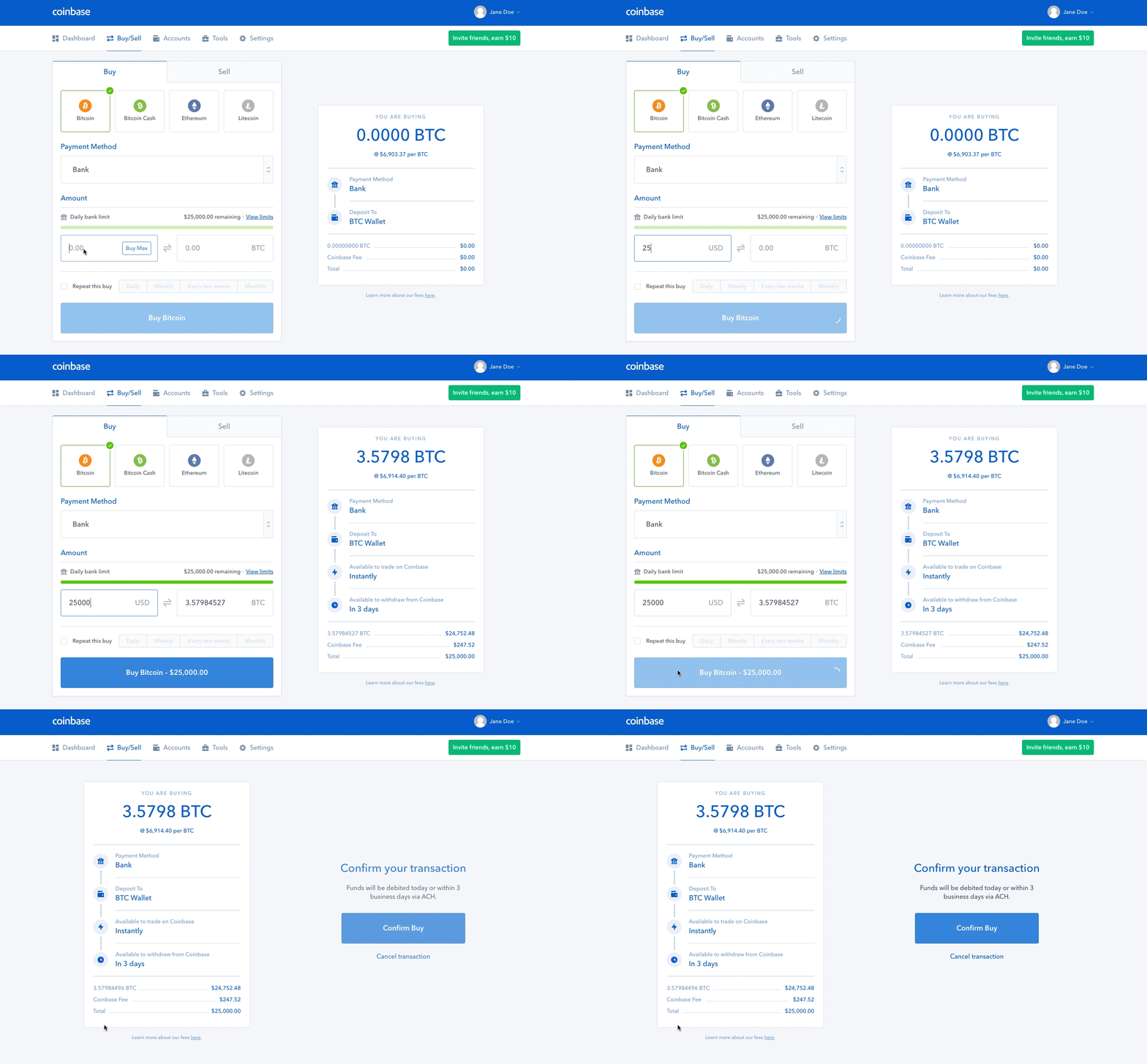
Log in to your Coinbase account. On the main dashboard or navigation menu, look for a “Buy / Sell” or similar option. Select “Sell.”
2. Selecting the Cryptocurrency and Amount

Choose the specific cryptocurrency you wish to sell from your portfolio. Coinbase will display your available balance for that asset. Enter the amount you want to sell, either as a specific quantity of the cryptocurrency (e.g., 0.5 BTC) or as a target fiat value (e.g., $1,000 USD). Coinbase will automatically calculate the equivalent amount.
3. Choosing Your Withdrawal Destination
Confirm that the “Deposit to” field correctly shows your linked bank account or PayPal account where you want the fiat currency to be sent. If you have multiple linked accounts, ensure you select the correct one.
4. Reviewing the Transaction Details
This is a critical step. Before confirming, Coinbase will present a detailed breakdown of your transaction:
- Current Exchange Rate: The rate at which your crypto will be converted to fiat.
- Coinbase Fee: The service charge for facilitating the sale. This fee varies based on the transaction amount and payment method and can significantly impact your net proceeds. Always factor this into your financial calculations.
- Net Proceeds: The final amount of fiat currency you will receive after fees.
- Total: The gross value of the crypto being sold.
Carefully review all these details. The exchange rate can fluctuate rapidly, so ensure you are comfortable with the quoted price.
5. Confirming the Sale
If all details are correct and you are satisfied with the net proceeds, click “Sell Now” or “Confirm Sale.” Your cryptocurrency will be converted, and the fiat funds will be processed for transfer to your chosen withdrawal method. You will typically receive an email confirmation of your sale.
Managing Your Proceeds and Post-Sale Actions
Selling your crypto is only half the financial journey. Managing the proceeds and fulfilling your tax obligations are equally important.
Withdrawing Funds from Coinbase
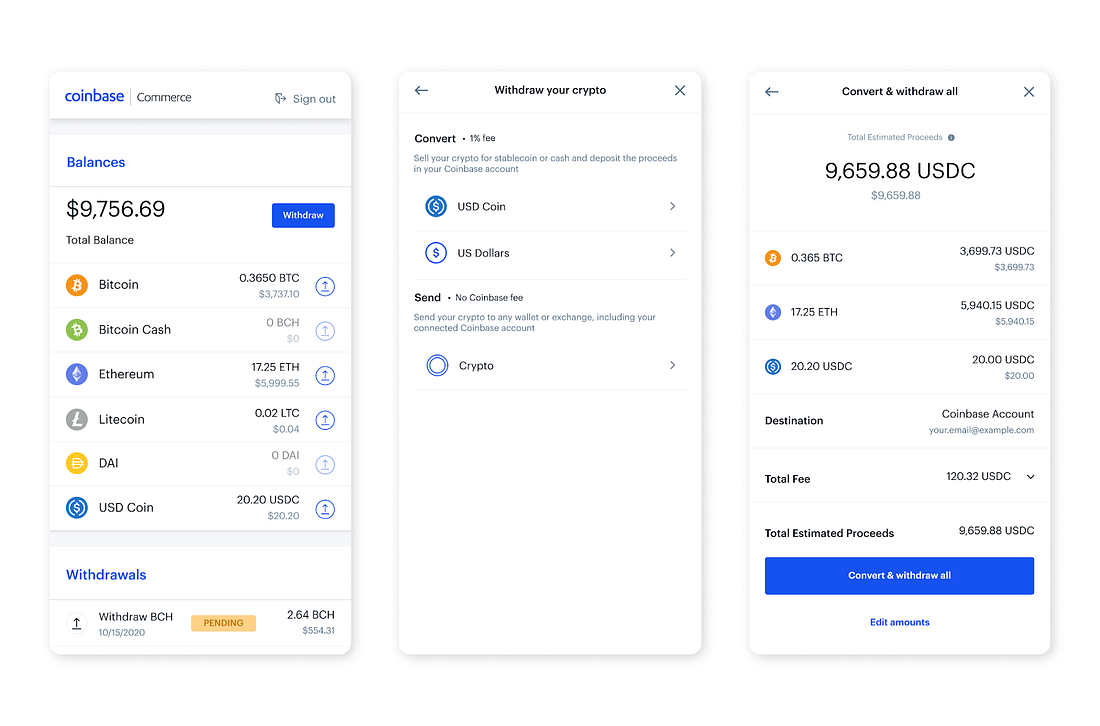
After your sale is confirmed, the fiat currency will be available in your Coinbase fiat wallet (e.g., USD Wallet). You can then initiate a withdrawal to your linked bank account or PayPal.
- Initiating Withdrawal: Go to your “Portfolios” or “Assets” section, select your fiat currency (e.g., USD), and choose the “Withdraw” option.
- Specifying Amount and Destination: Enter the amount you wish to withdraw and confirm your bank account or PayPal as the destination.
- Review and Confirm: Review the withdrawal details, including any associated fees or estimated transfer times, before confirming.
- Processing Times: ACH transfers to bank accounts typically take 1-5 business days. PayPal withdrawals are generally faster, often instant or within minutes, depending on the amount and PayPal’s processing. Be mindful of these timelines for your financial planning.
Record Keeping and Tax Reporting
As mentioned, accurate record-keeping is paramount. Download your transaction history from Coinbase regularly. This documentation is crucial for calculating your capital gains or losses when filing your taxes. Consult with a tax professional specializing in cryptocurrency to ensure full compliance with your local tax laws. They can help you apply appropriate accounting methods (e.g., FIFO, LIFO, specific identification) to minimize your tax liability legally.
Advanced Considerations for Financial Optimization
Beyond the basic mechanics, strategic financial thinking can enhance your selling experience.
Understanding Order Types
For more control over the selling price, Coinbase Advanced (formerly Coinbase Pro) offers more sophisticated order types than the instant “Sell” feature on the basic platform.
- Limit Orders: Allows you to set a specific price at which you want to sell your crypto. Your order will only execute if the market price reaches your specified limit. This is useful for capturing a desired profit target without constantly monitoring the market.
- Stop-Loss Orders: Can be used to limit potential losses by automatically selling your crypto if its price falls to a certain level. This acts as a risk management tool.
These advanced order types offer greater precision and strategic execution, especially for active traders or investors with specific price targets or risk thresholds.
Evaluating Fees and Spreads
Coinbase’s fees are an important financial consideration. Beyond the explicit transaction fee, Coinbase also includes a “spread” in its quoted prices for instant buy/sell transactions, which is the difference between the bid and ask price. This spread can effectively increase the cost of your transaction. For larger transactions, using Coinbase Advanced can sometimes offer lower fees and more transparent pricing based on maker/taker fees, which can result in better net proceeds. Always compare the overall cost across different platforms or methods if maximizing your return is the primary goal.
Selling crypto on Coinbase is a straightforward process when approached with a clear financial strategy and an understanding of the platform’s mechanics. By carefully preparing your account, understanding the fee structure, and diligently managing your post-sale obligations, you can effectively convert your digital assets into fiat currency, aligning with your broader personal finance and investment goals.
aViewFromTheCave is a participant in the Amazon Services LLC Associates Program, an affiliate advertising program designed to provide a means for sites to earn advertising fees by advertising and linking to Amazon.com. Amazon, the Amazon logo, AmazonSupply, and the AmazonSupply logo are trademarks of Amazon.com, Inc. or its affiliates. As an Amazon Associate we earn affiliate commissions from qualifying purchases.