
Selling a vehicle often feels like a daunting task, a complex financial transaction riddled with potential pitfalls and opportunities for significant value loss. In an economy where personal assets frequently represent substantial portions of one’s net worth, understanding how to divest of a vehicle efficiently and advantageously is paramount for sound personal finance. This guide delves into the strategic financial considerations and practical steps necessary to expedite the sale of your vehicle, ensuring you maximize its monetary return while minimizing the time it spends on your driveway.
Strategic Valuation and Financial Readiness
The cornerstone of a quick and profitable vehicle sale lies in astute financial preparation and an accurate understanding of market value. Without a solid grasp of what your vehicle is truly worth and how to present it financially, you risk either underselling it (losing money) or overpricing it (delaying the sale indefinitely).
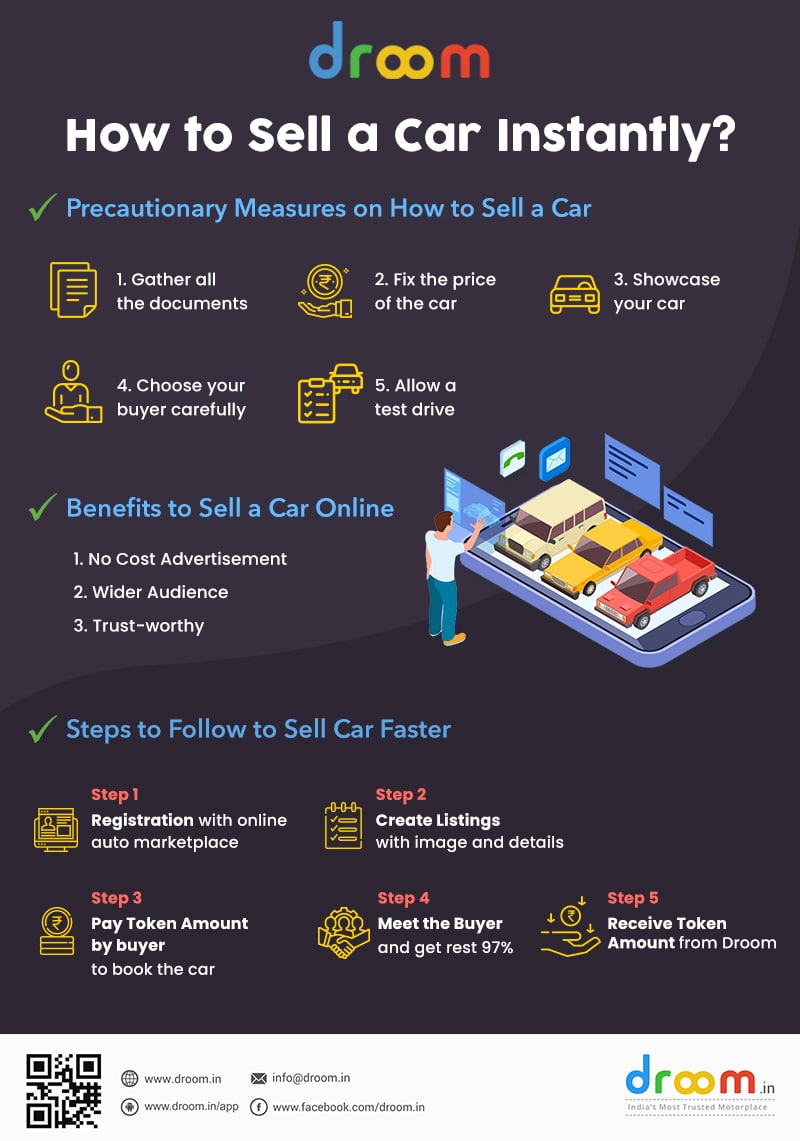
Understanding Market Dynamics and Pricing Strategy
The automotive market is a dynamic ecosystem influenced by supply and demand, economic indicators, fuel prices, and seasonal trends. A quick sale hinges on pricing your vehicle competitively within this shifting landscape. Begin by researching comparable vehicles (make, model, year, trim, mileage, condition) currently for sale in your local area and nationally on platforms like Kelley Blue Book (KBB), Edmunds, Autotrader, and CarGurus. These resources provide a wealth of data, offering estimated private party values, trade-in values, and dealer retail prices.
Your pricing strategy should aim for the sweet spot: attractive enough to generate immediate interest, yet robust enough to capture a fair return. Consider setting your initial asking price slightly above your absolute minimum acceptable price, allowing room for negotiation without deterring potential buyers. A vehicle priced significantly above market value will sit, accruing holding costs and depreciating further. Conversely, an aggressively low price might attract quick buyers but at a financial detriment to you. Factor in any outstanding loans on the vehicle; ideally, your selling price should comfortably cover the remaining balance to avoid an upside-down situation, which can complicate the sale.
Assessing Your Vehicle’s True Value: Professional vs. DIY Appraisals
While online tools provide excellent estimates, a more precise valuation can empower your selling strategy. A DIY appraisal involves meticulously cataloging your vehicle’s features, condition, and maintenance history, then cross-referencing this against numerous online listings. Be honest about wear and tear; transparency builds trust and avoids surprises during inspection.
For a more authoritative assessment, consider professional appraisals. Many dealerships offer free appraisals, often with the intent to offer a trade-in. While this can provide a baseline, remember their offer will typically be lower than private party value to ensure their profit margin. Independent mechanics or automotive appraisal services can offer an unbiased, detailed valuation, potentially for a fee. This might be a worthwhile investment if your vehicle is unique, a classic, or if you suspect it holds value beyond standard market metrics due to exceptional condition or rare features. Such a professional valuation can serve as a powerful tool in justifying your asking price to discerning buyers, lending credibility to your financial expectations.
Financial Implications of Quick Sales: Balancing Speed and Profit
The desire for a quick sale often comes with a financial trade-off. Expediency typically means accepting a slightly lower price than you might achieve with a more patient approach. This isn’t necessarily a loss; it’s an opportunity cost. Weigh the benefits of a swift transaction – avoiding ongoing insurance, registration, and maintenance costs, freeing up capital, and eliminating the hassle of prolonged selling efforts – against the potential for a marginally higher sale price over a longer period.
If you need the cash quickly, a trade-in or an instant-offer service might seem appealing. While these options are undeniably fast, they almost invariably yield a lower financial return compared to a private sale. Understand the financial spread: a dealership will offer a wholesale price to account for reconditioning, marketing, and profit. A private buyer, on the other hand, is often willing to pay closer to retail for a well-maintained vehicle, offering you a better net financial outcome. The key is to find your personal equilibrium between time and money – how much extra time are you willing to invest for how much additional financial gain?
Optimizing Presentation for Maximum Return
In the world of sales, perception is reality, and nowhere is this truer than in selling a used vehicle. A well-presented vehicle commands a higher price and sells faster. This isn’t just about aesthetics; it’s about signaling to prospective buyers that the vehicle has been cared for, thereby reducing perceived risk and increasing its financial appeal.
Cost-Effective Enhancements: Detailing and Minor Repairs
Before listing, invest a modest amount of time and money into making your vehicle shine. A thorough cleaning, inside and out, is the most impactful and cost-effective improvement. Professional detailing can range from $100-$300 but can add hundreds, if not thousands, to your asking price by creating an excellent first impression. Pay attention to small details: clean the engine bay, vacuum under the seats, clean windows, and shine tires. Remove all personal items. A clean, odor-free interior suggests responsibility and care.
Address any minor, inexpensive repairs that significantly impact perceived value or safety. Replacing a cracked headlight, fixing a broken taillight, or repairing a noisy exhaust pipe might cost little but can alleviate buyer concerns that could lead to extensive haggling or outright rejection. However, be judicious; don’t invest in major repairs that won’t yield a positive return on investment. If a repair costs $1,000 but only increases the vehicle’s value by $500, it’s a net financial loss. Focus on low-cost fixes that disproportionately improve aesthetic appeal or functional confidence.
The Visual Impact: Professional Photography and Virtual Tours
In the digital age, your vehicle’s online listing is its storefront. High-quality photographs are non-negotiable for a quick sale and a strong financial showing. Take well-lit photos in a clean, neutral environment (e.g., an empty parking lot, a clear driveway). Capture multiple angles of the exterior, interior, dashboard, engine bay, and trunk. Highlight key features and any upgrades. Avoid blurry, dark, or cluttered images. Consider using a good smartphone camera or, for an even sharper edge, a digital camera.
For higher-value vehicles or to stand out, a short video walkthrough or 360-degree virtual tour can be incredibly effective. These tools allow prospective buyers to experience the vehicle more intimately from afar, building confidence and reducing the need for multiple in-person viewings. This pre-screening process saves you time and ensures that those who do come to see the vehicle in person are genuinely interested and financially qualified.
Transparent Documentation: Service History and Maintenance Records
A complete service history is a powerful financial asset. It demonstrates diligent maintenance, providing concrete evidence that the vehicle has been cared for and is less likely to present unforeseen issues. Gather all receipts for oil changes, tire rotations, major services, and repairs. Organize them chronologically in a binder.
Presenting these records upfront builds immense trust and helps justify your asking price. It shows that you’re a responsible owner and that the vehicle has received necessary preventative care, minimizing a buyer’s perceived future financial outlay on maintenance. This transparency can significantly accelerate the decision-making process for financially savvy buyers who value a well-documented history over potential unknowns.
Leveraging Diverse Sales Channels for Swift Transactions
The choice of sales channel profoundly impacts both the speed of your sale and the ultimate financial return. Different platforms cater to different buyer demographics and offer varying levels of convenience and financial yield.
Online Marketplaces: Reaching a Broad Buyer Base Efficiently
For most private sellers, online marketplaces are the most effective avenue for a quick sale at a fair price. Websites like Craigslist, Facebook Marketplace, Autotrader, CarGurus, and eBay Motors offer unparalleled reach, connecting you with a vast pool of potential buyers, often for free or a nominal fee.
Craft a compelling listing that includes:
- Detailed Description: Be specific about features, trim level, mileage, condition, and any recent maintenance. Use keywords buyers might search for.
- Honest Disclosure: Mention any known imperfections or minor issues. Transparency prevents wasted time and builds trust.
- High-Quality Photos: As discussed, these are critical.
- Pricing Strategy: State your asking price and indicate if it’s firm or negotiable.
Responding promptly and professionally to inquiries is crucial. Buyers often contact multiple sellers simultaneously, so a quick, informative reply can secure their interest. While these platforms demand more effort from the seller, they typically offer the best financial outcome compared to trade-ins.

Dealership Trade-ins vs. Direct Sales: A Financial Comparison
The fastest way to sell a vehicle is often to trade it in at a dealership or accept an instant cash offer from a large used car retailer (e.g., CarMax, Shift). These options provide immediate liquidity and eliminate the hassles of private selling: no marketing, no negotiations, no paperwork beyond signing over the title.
However, the speed comes at a financial cost. Dealerships and instant-offer services operate on a profit margin. Their offer will be a wholesale price, significantly lower than what you could achieve through a private sale. They factor in reconditioning costs, administrative overhead, and profit. If your primary goal is speed and convenience, and you’re willing to accept a lower financial return, these are viable options. But if maximizing your return is a priority, and you have a little more time, a private sale nearly always yields a better financial outcome. Calculate the difference carefully: if the time saved isn’t worth the lost profit, pursue a private sale.
Exploring Auction Platforms and Instant Offer Services
Beyond traditional dealerships, online auction platforms (like eBay Motors) and instant-offer services (web-based platforms that provide a cash offer for your car after a quick online assessment) present interesting alternatives. Auction platforms can sometimes net a good price if your vehicle generates competitive bidding, but there’s also the risk of not meeting your reserve price or selling for less than desired. They require good photos and an accurate description, similar to other online marketplaces.
Instant offer services are the epitome of speed and convenience. After entering your vehicle’s details online, you typically receive a conditional cash offer within minutes. You then take the car to a physical location for a quick inspection, and if the condition matches your description, you walk away with a check. While these services offer unmatched speed, their financial offers are generally comparable to, or slightly better than, dealership trade-ins but still fall short of the average private sale price. They are ideal for sellers prioritizing time and minimal effort over financial maximization.
Mastering the Art of Negotiation and Secure Payment
Once you have interested buyers, the negotiation phase begins. This is where your financial preparation and market knowledge pay off. A successful negotiation leads to a quick sale at a price you are comfortable with, followed by a secure financial transaction.
Setting Your Bottom Line: Pre-Determined Price Floors
Before engaging with any buyer, establish your absolute minimum acceptable price. This “price floor” should account for any outstanding loans, your initial investment, and a reasonable margin for the vehicle’s condition and market value. Knowing this figure prevents you from being swayed by aggressive negotiation tactics and ensures you don’t sell at a financial loss.
Be prepared to justify your asking price with evidence: your market research, service records, and the vehicle’s excellent condition. Don’t be afraid to politely decline offers that fall below your price floor. Remember, a quick sale doesn’t mean a desperate sale. Your confidence in your vehicle’s value is a powerful negotiating tool.
Effective Communication: Addressing Buyer Concerns and Objections
Buyers will inevitably have questions and concerns. Address them openly and honestly. Be patient and willing to discuss the vehicle’s history, features, and condition. Common objections might revolve around price, minor cosmetic flaws, or maintenance history. Use your prepared documentation (service records, professional appraisal) to counter concerns and provide reassurance.
Allow potential buyers to conduct a pre-purchase inspection by their trusted mechanic. This small act of transparency can significantly accelerate the sale by removing a major point of apprehension for the buyer. It signals that you have nothing to hide and are confident in your vehicle’s condition, fostering trust and smoothing the financial transaction.
Safeguarding Your Financial Transaction: Payment Methods and Escrow
Securing payment is the final critical step in a quick and safe vehicle sale. Never release the vehicle or the title until you have verified funds. Avoid personal checks, as they can bounce. Cash is king for smaller transactions, but for larger sums, it carries security risks and isn’t practical.
The safest methods include:
- Cashier’s Check/Bank Check: Obtainable from the buyer’s bank, these are generally considered secure. However, it’s prudent to accompany the buyer to their bank to verify the check’s authenticity and watch it being drawn.
- Wire Transfer: A direct transfer of funds from the buyer’s bank to yours. This is usually irrevocable once processed but can take a day or two to clear fully. Ensure the funds are visible and cleared in your account before handing over the keys.
- Escrow Services: For higher-value vehicles, a third-party escrow service can provide an extra layer of security. The buyer deposits funds with the escrow service, which then holds them until both parties confirm the transaction is complete and the vehicle title has been transferred. While adding a small fee and a day or two to the process, it offers peace of mind for both buyer and seller.
Under no circumstances should you accept payment plans or personal promissory notes from a private buyer. This transforms a simple sale into a complex debtor-creditor relationship, fraught with financial risk.
Navigating the Financial and Legal Closing Procedures
The successful sale of a vehicle culminates in the proper transfer of ownership and documentation, ensuring both parties are legally and financially protected. Neglecting these steps can lead to future liabilities and financial headaches.
Transferring Title and Ownership: Protecting Your Interests
The vehicle title is the legal document proving ownership. Ensure the title is clear (no liens) and in your possession. You and the buyer must sign and date the title in the designated areas. Some states require notarization, while others might need an odometer disclosure statement. Familiarize yourself with your state’s specific Department of Motor Vehicles (DMV) or equivalent agency requirements for title transfer.
It’s critical that the title transfer is completed promptly. Until the title is officially transferred, you could theoretically be held liable for parking tickets, accidents, or other incidents involving the vehicle. For a quick and clean financial break, ensure this step is executed flawlessly and immediately after receiving payment. Make copies of the signed title for your records.
Understanding Sales Agreements and Bill of Sale
Even for private sales, a written Bill of Sale is essential. This document serves as a financial record of the transaction, protecting both buyer and seller. It should include:
- Names and addresses of seller and buyer
- Vehicle make, model, year, VIN (Vehicle Identification Number), and mileage
- Sale price
- Date of sale
- A “sold as-is” clause (unless you’re offering a warranty, which is rare for private sales), which states the buyer accepts the vehicle in its current condition with no implied warranties.
- Signatures of both parties.
The Bill of Sale provides concrete evidence of the transaction, which can be invaluable for tax purposes, legal disputes, or notifying your insurance company. Keep a signed copy for your records, and provide the buyer with one as well.

Reporting the Sale and Tax Implications
After completing the sale, notify your state’s DMV or motor vehicle department that you have sold the vehicle. This officially removes your liability for the car. Cancel your insurance policy on the sold vehicle as soon as the transaction is complete and the title is transferred. Failing to do so can result in unnecessary insurance premiums.
Understand the tax implications of selling your vehicle. In most jurisdictions, personal property sales are not subject to capital gains tax unless they’re sold for significantly more than their original purchase price, which is rare for depreciating assets like vehicles. However, some states may have specific sales tax implications, usually borne by the buyer but good for you to be aware of. Consult with a tax professional if you have any doubts about your specific situation, especially if the vehicle was used for business purposes. Proper reporting ensures a clean financial exit from vehicle ownership.
Selling a vehicle quickly and profitably is a blend of market savvy, meticulous preparation, effective marketing, and secure financial practices. By approaching the process with a strategic financial mindset, you can navigate the complexities with confidence, ensuring a swift transaction that maximizes your return and minimizes hassle.
aViewFromTheCave is a participant in the Amazon Services LLC Associates Program, an affiliate advertising program designed to provide a means for sites to earn advertising fees by advertising and linking to Amazon.com. Amazon, the Amazon logo, AmazonSupply, and the AmazonSupply logo are trademarks of Amazon.com, Inc. or its affiliates. As an Amazon Associate we earn affiliate commissions from qualifying purchases.