
In an increasingly digital world, the traditional method of selling a car—placing a “for sale” sign in the window or visiting multiple dealerships—is quickly becoming a relic of the past. Today, the internet offers an unparalleled array of platforms and strategies to connect sellers with a vast pool of potential buyers, often resulting in a quicker sale and, critically, a higher financial return. However, navigating the online landscape requires a strategic approach, a keen understanding of market dynamics, and a robust plan for financial security.
This guide delves into the financial intricacies of selling your car online, providing insights into valuation, secure transactions, platform selection for optimal exposure, and negotiation tactics designed to maximize your profitability. Whether you’re upgrading, downsizing, or simply need to convert an asset into liquid cash, mastering the art of the online car sale is an essential skill for savvy financial management.

1. Strategic Pricing: Valuing Your Asset for Optimal Return
The cornerstone of any successful sale, particularly when aiming for maximum financial return, is accurate and strategic pricing. Overpricing can deter potential buyers, leading to prolonged listings and eventual price reductions, while underpricing means leaving money on the table. Finding that sweet spot requires diligent research and an understanding of various financial factors.
Understanding Market Value: Research and Benchmarking
Before even thinking about a listing price, you must understand what your vehicle is truly worth in the current market. This isn’t just about sentimental value or what you paid for it; it’s about objective, data-driven valuation.
- Consult Industry-Standard Valuation Tools: Resources like Kelley Blue Book (KBB), Edmunds, and NADAguides are indispensable. These platforms provide estimated trade-in and private party values based on make, model, year, mileage, condition, and optional features. Be honest about your car’s condition—a “good” rating typically means it’s mechanically sound with minor cosmetic flaws, not pristine.
- Analyze Local Market Trends: The value of a car can fluctuate based on regional demand. Check local online marketplaces (e.g., AutoTrader, CarGurus, Facebook Marketplace) for similar vehicles currently listed in your area. Look at their asking prices, how long they’ve been listed, and what features they offer. This provides a real-time snapshot of competitive pricing.
- Factor in Unique Attributes: Has your car had all its scheduled maintenance religiously? Are there desirable after-market upgrades (that actually add value, not just personal preference)? Documenting these can justify a higher asking price. Conversely, significant damage, extensive wear, or an unpopular color might necessitate a lower price to attract buyers.
The Art of Competitive Pricing
Once you have a solid understanding of your car’s market value, the next step is to set a compelling asking price. This is where strategy comes into play, balancing attractiveness with profitability.
- Set a Realistic Asking Price: Aim for a price that is competitive but also reflects the effort you’ve put into maintenance and preparation. If your car is in excellent condition, you might price it at the higher end of the market value range. If it has some imperfections, a slightly lower price can accelerate the sale.
- Leave Room for Negotiation: Most buyers expect to negotiate, especially in private party sales. Building a small buffer (typically 5-10%) into your asking price allows you to “give” a little during negotiations without compromising your minimum acceptable profit. This psychological aspect can make buyers feel they’ve gotten a good deal, leading to a quicker close.
- Avoid Common Pricing Mistakes:
- Overpricing: This is the most common pitfall. An overpriced vehicle will sit on the market, gathering digital dust. Buyers will simply scroll past it in favor of better-priced alternatives, eventually forcing you to drop the price, which can signal desperation.
- Underpricing: While it might lead to a quick sale, underpricing means you’ve sold your asset for less than its worth, directly impacting your financial return. Do your research thoroughly to prevent this.
- Ignoring the “Sweet Spot”: The ideal price range attracts serious buyers who are ready to pay market value. Price too high, and you’ll attract fewer inquiries; price too low, and you’ll miss out on potential profit.
Accounting for Costs: Preparing for the Transaction
Selling a car isn’t always a pure profit transaction; there are often costs involved that can eat into your net proceeds. A financially savvy seller accounts for these in advance.
- Calculating Reconditioning Costs: Decide whether to invest in detailing, minor repairs, or professional photos. A clean, well-presented car typically sells faster and for a higher price. Weigh the cost of these improvements against the potential increase in selling price. Sometimes, a $200 detail can add $500-$1000 to the perceived value.
- Understanding Advertising Fees: While some platforms (e.g., Facebook Marketplace, Craigslist) are free, others (e.g., AutoTrader, eBay Motors) charge listing fees. Budget for these, especially if you plan to use multiple channels or promotional boosts. Factor these costs into your desired net selling price.
- Considering Transaction Fees: If you opt for an escrow service for secure payment, there will be a fee. Understand who bears this cost (buyer, seller, or split) and factor it into your financial calculations. These fees are often a small price to pay for significant financial security.
2. Financial Preparation and Documentation for a Smooth Sale
Beyond setting a price, a successful and financially secure online car sale hinges on thorough preparation of your vehicle’s financial standing and all necessary documentation. This ensures a legitimate transaction and protects both parties.
Assessing Your Car’s Financial Standing
The first step is to clarify your ownership status, as this dictates a significant portion of the sales process and your ultimate financial outcome.
- Determine Ownership: Do you own the car outright, or do you have an outstanding loan? This is critical. Selling a car you fully own is straightforward: you provide the title upon payment.
- Understand Equity and Negative Equity:
- Positive Equity: Your car is worth more than you owe on the loan. The sale proceeds will cover the loan payoff, and you’ll keep the remainder. This is the ideal scenario for maximizing your return.
- Negative Equity: Your car is worth less than you owe. In this case, you’ll need to cover the difference out-of-pocket to release the lien and provide a clear title to the buyer. This is a crucial financial consideration that must be addressed before listing the car.
- Strategies for Selling a Car with a Lien: If there’s an outstanding loan, you must involve your lender.
- Buyer Pays Lender Directly: The buyer can pay the outstanding loan amount directly to your lender, and the remaining balance (if any) to you. The lender will then send the title to the buyer (or you, to forward to the buyer).
- Pay Off Loan Before Sale: If you have the funds, paying off the loan yourself beforehand simplifies the transaction immensely. You’ll have the title in hand, making the sale quicker and easier. Obtain a “lien release” from your lender once the loan is satisfied.
Essential Financial and Legal Documents
A financially sound sale is a legally sound sale. Having all necessary paperwork ready not only builds buyer confidence but also protects you from future liabilities.
- Gather the Title and Registration: The clear title (also known as a pink slip or certificate of title) is paramount. It proves you own the car. Ensure the title is in your name and free of any liens (unless you’re actively working with your lender). Provide current registration documents.
- Service Records and Warranty Information: A complete history of maintenance and repairs adds significant financial value and transparency. It assures the buyer that the car has been well-cared for, potentially justifying a higher price. If the car has any transferable warranties, gather those documents too.
- Prepare a Bill of Sale: This legal document outlines the terms of the sale, including the price, date, parties involved, and vehicle identification number (VIN). It’s crucial for both your and the buyer’s protection. Many state DMVs offer templates, or you can find them online. Ensure it states the car is sold “as-is” to limit your post-sale liability.
- Understand State-Specific Requirements: Each state has specific regulations for transferring vehicle ownership and funds. Research your local Department of Motor Vehicles (DMV) website for details on title transfer, tax obligations, and any required forms. Failing to comply can lead to fines or complications down the line.
Secure Payment Methods: Protecting Your Proceeds
Protecting your financial proceeds is paramount. The online environment, while convenient, also harbors risks. Choosing the right payment method is critical to avoid scams and ensure you receive your money.

- Discuss Safe Payment Options:
- Cashier’s Check (Bank Check): Generally considered safe, but verify it with the issuing bank before releasing the car or title. Do not accept personal checks.
- Wire Transfer: A direct electronic transfer from the buyer’s bank account to yours. Once verified, these are very secure and usually irreversible. Confirm the funds are in your account before handing over the keys.
- Escrow Services: For higher-value vehicles, a reputable third-party escrow service can hold the funds until both parties fulfill their obligations (e.g., buyer receives car, seller receives funds). This offers significant protection but comes with fees.
- Warning Against Fraudulent Payment Methods: Be acutely aware of red flags:
- Overpayments: A buyer sends more than the agreed-upon price and asks you to refund the difference. This is a classic scam where the initial payment eventually bounces.
- Personal Checks/Money Orders: These are easily faked or can be canceled after you’ve released the vehicle.
- Unusual Payment Apps: While apps like Venmo or Zelle are convenient for small sums, they offer little recourse for large, fraudulent transactions. Stick to traditional banking methods for car sales.
- “My friend will pick up the car”: Scammers often use proxies to avoid direct interaction. Always deal directly with the buyer.
- Verify Funds Before Releasing: This cannot be stressed enough. Never release your vehicle or signed title until you have absolute confirmation that the funds are legitimate and irrevocably in your account. A quick call to your bank (using the number on their official website, not one provided by the buyer) can verify a cashier’s check.
3. Choosing the Right Online Platform to Maximize Exposure and Value
The internet offers a diverse ecosystem of platforms, each with its own advantages and disadvantages for selling a car. Selecting the right channel is a strategic financial decision that can significantly impact how quickly your car sells and at what price. The goal is to balance exposure with cost-effectiveness and target audience.
Direct-to-Consumer Marketplaces: Reaching a Wide Audience
These platforms connect individual sellers directly with a vast pool of potential buyers, offering the greatest potential for maximizing your selling price by cutting out dealer margins.
- Overview of Popular Platforms:
- AutoTrader and CarGurus: These are premium automotive listing sites with large user bases. They offer detailed listing options, analytics, and often have paid features that boost visibility. They tend to attract more serious buyers.
- Craigslist: A historically popular, often free, option for local sales. It offers simplicity and wide reach but also requires vigilance against scammers.
- Facebook Marketplace: Leveraging Facebook’s massive user base, it allows for free local listings and easy sharing within networks. It’s user-friendly and can be highly effective, especially for mid-range vehicles.
- eBay Motors: Ideal for unique, classic, or higher-value vehicles, offering both auction and “Buy It Now” formats. It provides robust buyer/seller protections but comes with fees.
- Analyzing Cost-Effectiveness vs. Reach:
- Paid Platforms (AutoTrader, CarGurus, eBay): While they incur listing fees (which vary based on package and duration), they typically offer better tools, more qualified leads, and broader exposure to dedicated car shoppers. For a higher-value car, the investment often pays off in a quicker sale at a better price.
- Free Platforms (Craigslist, Facebook Marketplace): Excellent for budgeting-conscious sellers. They offer wide local reach without direct cost. However, be prepared for more inquiries from tire-kickers and a higher risk of scam attempts.
- Creating Compelling Listings that Highlight Value: Regardless of the platform, the quality of your listing directly correlates with interest and perceived value.
- High-Quality Photos: Take numerous, well-lit photos from all angles (interior, exterior, engine bay, trunk). Clean the car thoroughly beforehand. Good photos make your car stand out and communicate its condition effectively.
- Detailed, Honest Description: Include all relevant financial and feature information: make, model, year, mileage, trim level, engine type, transmission, fuel economy, condition (be honest!), significant features (e.g., heated seats, sunroof, navigation), recent maintenance, and any known issues. Highlight why your car is a good investment.
- Pricing Transparency: Clearly state your asking price and whether it’s firm or negotiable.
Instant Cash Offer Services: Convenience vs. Potential Return
For sellers prioritizing speed and convenience over maximizing every dollar, instant cash offer services present an alternative. This strategy often means accepting a slightly lower financial return for a streamlined, hassle-free process.
- Overview of Services: Companies like Carvana, Vroom, KBB Instant Cash Offer, and even many traditional dealerships offer online appraisals and direct purchase options. You provide vehicle details online, receive an instant quote, and often arrange for pickup or drop-off.
- Evaluating the Trade-Off:
- Speed and Convenience: The primary advantage. You can often sell your car within days, without the need for private showings, negotiations, or dealing with paperwork (as they often handle it).
- Potentially Lower Selling Price: The convenience comes at a cost. These services are businesses that need to make a profit, so their offer will typically be less than what you might get from a private party sale.
- When These Options Make Financial Sense:
- Need for a Quick Sale: If you need cash fast or are moving quickly, these services are invaluable.
- Negative Equity: If you have negative equity and want to minimize the out-of-pocket cost of paying off the loan, these services can provide a clear exit strategy.
- Avoid Hassle: If you dislike negotiating, preparing listings, or coordinating test drives, the trade-off in price might be worth the saved time and stress.
Leveraging Social Media and Niche Forums for Targeted Buyers
Beyond dedicated marketplaces, less formal online channels can be highly effective, especially for specific types of vehicles or for sellers looking to minimize advertising costs.
- Using Personal Networks and Automotive Interest Groups:
- Facebook Groups: Search for local “for sale” groups or specific automotive enthusiast groups (e.g., “Honda Civic Enthusiasts,” “4×4 Overland Sales”). Posting in these groups can reach highly targeted buyers who appreciate your specific vehicle.
- Nextdoor: For hyper-local sales, Nextdoor can connect you with neighbors who might be looking for a car and prefer to buy within their community.
- Showcasing Unique or Classic Cars: For rare, classic, or highly modified vehicles, niche online forums and enthusiast websites are invaluable. Buyers on these platforms are often willing to pay a premium for well-maintained or unique examples.
- Understanding the Zero-Cost Advantage: Many social media and forum postings are free, offering a cost-effective way to broaden your reach. While engagement can be lower than dedicated platforms, the quality of leads from highly targeted groups can be excellent.
4. Negotiating and Closing the Deal for Maximum Profitability
The final stage of selling your car online involves navigating negotiations and ensuring a secure, financially sound closing. This phase is crucial for protecting your interests and realizing the maximum financial return on your asset.
Mastering the Art of Negotiation
Negotiation is an expected part of private car sales. Approaching it with a clear strategy and a firm understanding of your boundaries will help you achieve your desired financial outcome.
- Set Your Minimum Acceptable Price: Before engaging with any buyer, determine the absolute lowest price you are willing to accept. This number should account for your outstanding loan (if any), reconditioning costs, listing fees, and your desired net profit. Stick to this number.
- Techniques for Responding to Offers:
- Responding to Lowball Offers: Don’t be offended by extremely low offers. Politely decline and reiterate your asking price, or counter with a price slightly below your original asking price but still above your minimum. “Thank you for your offer, but I’m firm on X price for now, considering its condition and recent maintenance.”
- Justifying Your Asking Price: Be prepared to articulate the value of your car. Refer to service records, recent upgrades, its excellent condition, or favorable market comparisons. “I’ve priced it at X because it just had new tires installed, and all major maintenance is up-to-date, which you won’t find on many cars in this price range.”
- Be Patient but Firm: Don’t feel pressured to accept the first offer. Good buyers are often willing to pay a fair price for a well-maintained vehicle.
- Highlighting Value Points: Emphasize any aspects that differentiate your car and justify its price. This could include a spotless interior, new tires, a recent major service, low mileage for its age, or desirable optional extras. Frame these as investments that save the buyer money down the road.
Finalizing the Sale: Ensuring Financial Security
Once a price is agreed upon, the process shifts to safely and legally transferring ownership and funds. This is where financial security becomes paramount.
- Coordinating Test Drives and Inspections Safely:
- Meet in a Public Place: For initial meetings and test drives, choose a well-lit, public location.
- Accompany the Buyer: Always go on test drives with the buyer. If you’re uncomfortable, have a friend or family member accompany you.
- Independent Pre-Purchase Inspection (PPI): Encourage serious buyers to get a PPI from an independent mechanic of their choice. This builds trust and can prevent post-sale disputes. You can even offer to meet them at the mechanic’s shop.
- Drafting and Reviewing the Bill of Sale: Ensure all details are accurate, including the agreed-upon price, date, names of buyer and seller, VIN, and a clear “as-is” clause. Both parties should sign and date it. Make two copies, one for each party.
- Executing the Payment Transfer Securely and Verifying Funds:
- Bank Teller Verification: Insist on meeting at your bank during business hours. For a cashier’s check, the teller can verify its authenticity on the spot. For a wire transfer, you can confirm funds have cleared your account.
- No Car/Title Without Verified Payment: Absolutely do not hand over the keys or the signed title until you have 100% verified that the money is legitimately in your account. Scammers often pressure sellers to release the car before funds are fully cleared.
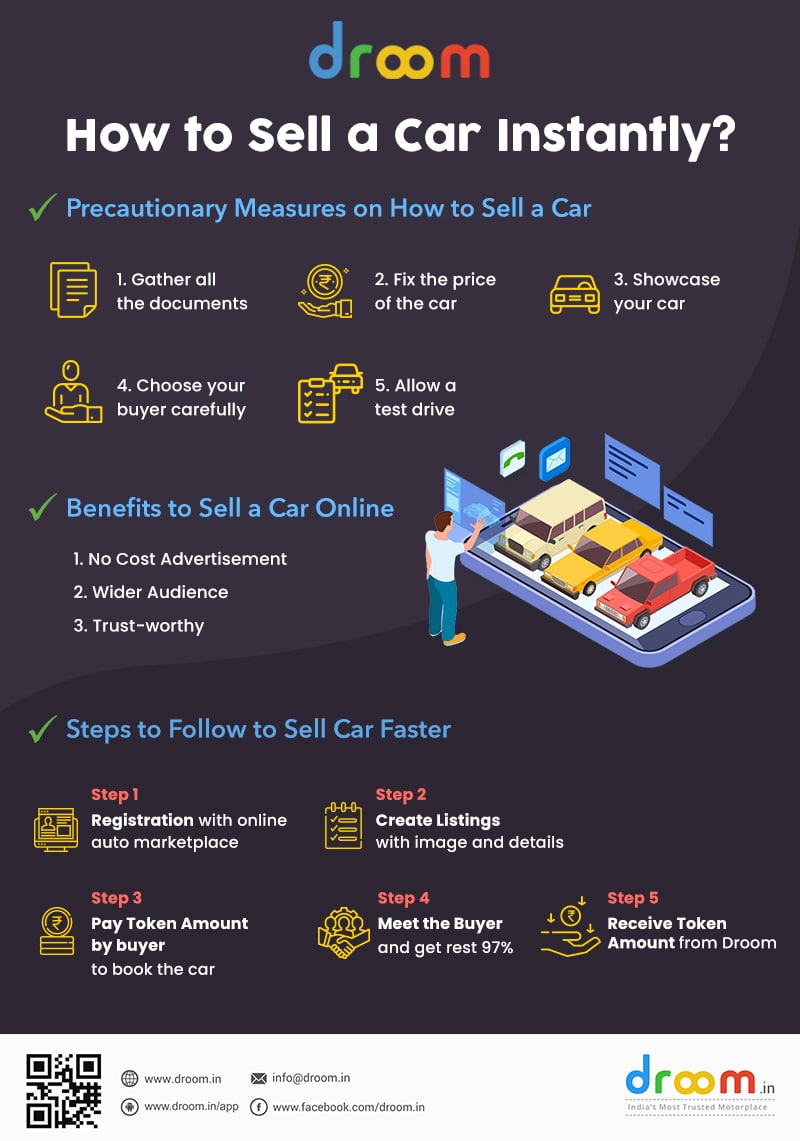
Post-Sale Financial Checklist
Your responsibilities don’t end the moment the car drives away. A few final financial and administrative steps are necessary to tie up loose ends and protect your interests.
- Notifying Your Insurance Company and DMV: Inform your auto insurance provider immediately that you’ve sold the vehicle. This prevents you from being liable for any incidents after the sale and allows you to cancel coverage or transfer it to a new vehicle. Notify your local DMV of the sale, often within a specific timeframe (e.g., 5-10 days), to transfer liability and avoid any issues with tickets or accidents the new owner might incur.
- Canceling Registration or Transferring Plates: Depending on your state’s laws, you might need to surrender your license plates to the DMV, or you might be able to transfer them to a new vehicle. Understand your obligations to avoid unnecessary fees or complications.
- Understanding Potential Tax Implications: In some jurisdictions, selling a personal asset like a car for a profit could have capital gains tax implications, though this is rare for a depreciating asset like a car. Consult a financial advisor or tax professional if you believe you sold the car for more than its original purchase price (after accounting for depreciation and major improvements). Keep your bill of sale and original purchase documentation for your records.
By following these comprehensive steps, you can confidently navigate the process of selling your car online, ensuring a secure transaction and maximizing your financial return. It’s an empowering way to manage your assets and leverage the digital age for your financial benefit.
aViewFromTheCave is a participant in the Amazon Services LLC Associates Program, an affiliate advertising program designed to provide a means for sites to earn advertising fees by advertising and linking to Amazon.com. Amazon, the Amazon logo, AmazonSupply, and the AmazonSupply logo are trademarks of Amazon.com, Inc. or its affiliates. As an Amazon Associate we earn affiliate commissions from qualifying purchases.