
Navigating the complexities of tax season can be daunting, and for many, a nagging question often lingers: “Do I owe the IRS?” Unearthing this information proactively is not just about peace of mind; it’s a critical step in managing your financial health, avoiding penalties, and ensuring compliance with federal tax laws. Ignoring potential tax debts can lead to significant financial repercussions, including interest accrual, late payment penalties, and even more severe enforcement actions from the Internal Revenue Service. This comprehensive guide will illuminate the various methods available for individuals to ascertain their current tax obligations, understand the reasons behind them, and outline the necessary steps to take once that information is at hand.
Understanding Your Tax Obligation and Its Implications
Before diving into the “how-to,” it’s essential to grasp the significance of understanding your tax status. A tax obligation isn’t merely an inconvenience; it’s a legal requirement with profound financial implications if mishandled.
The Importance of Knowing Your Status
Knowing whether you owe the IRS, and by how much, allows you to budget effectively, plan for payments, and avoid the stress and expense of unexpected tax bills. It empowers you to take control of your financial narrative rather than being caught off guard. Early detection of an outstanding balance also opens the door to more flexible payment options and potentially fewer penalties.
Common Reasons for Owing Taxes
Many factors can lead to an unexpected tax bill. Often, it stems from insufficient withholding from paychecks (if you’re an employee) or underpayment of estimated taxes (for self-employed individuals, gig workers, or those with significant investment income). Life changes, such as getting married, having a child, purchasing a home, or receiving substantial income from non-traditional sources without adjusting your W-4 or making quarterly payments, can also alter your tax liability. Furthermore, miscalculations on your tax return, unreported income, or a reduction in allowable deductions or credits can all contribute to a balance due.
The Perils of Unpaid Taxes
Ignoring a tax debt is a perilous path. The IRS levies penalties for both failure to file and failure to pay, which can quickly compound with interest. Failure to pay penalties typically accumulate at 0.5% of the unpaid taxes for each month or part of a month that taxes remain unpaid, up to a maximum of 25% of your unpaid tax bill. Interest on underpayments is also charged, and the rate can adjust quarterly. In more severe cases, prolonged non-payment can lead to liens on your property, wage garnishments, or bank levies, severely impacting your credit and financial stability.
Official IRS Resources for Checking Your Balance
The IRS provides several secure and reliable avenues for individuals to check their tax account status and determine if they owe money. These methods offer varying levels of detail and access, catering to different needs.
Using the IRS Online Account
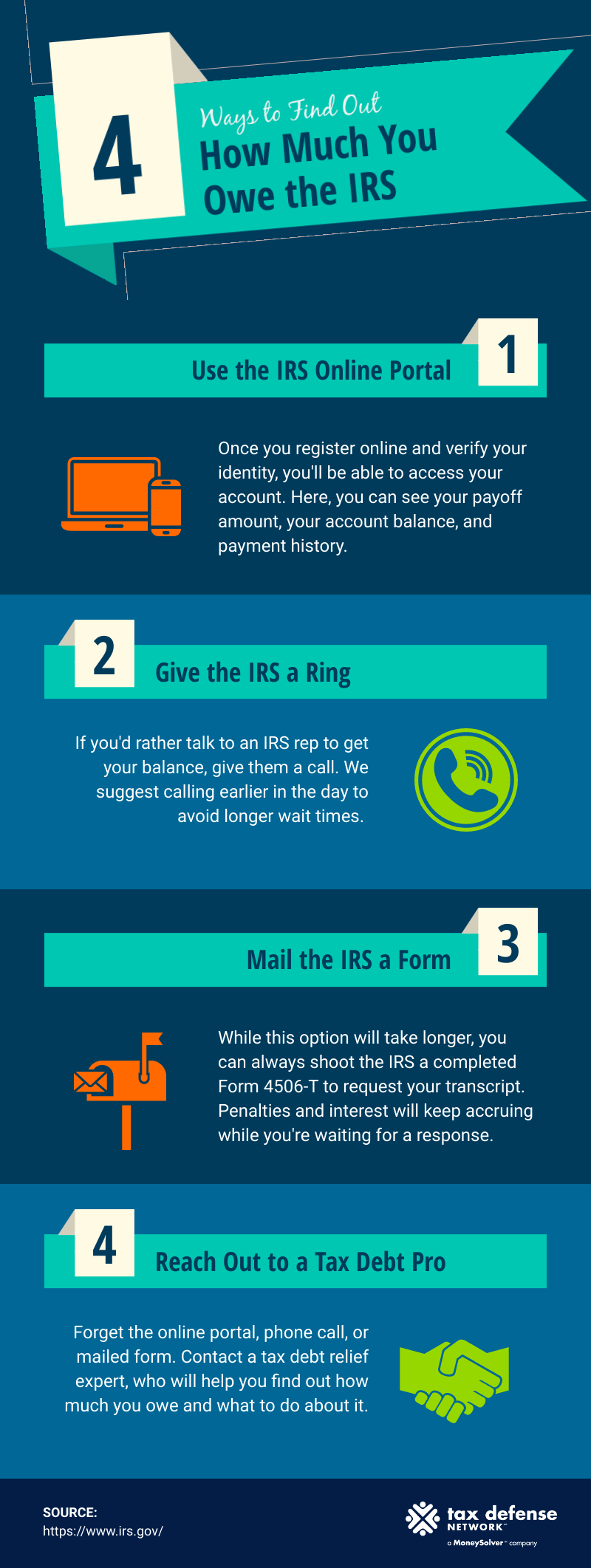
The most comprehensive and often the quickest way to check your IRS balance is through the official IRS Online Account. This digital portal provides taxpayers with secure access to their federal tax information.
- Registration and Access: To access your IRS Online Account, you’ll need to go through a rigorous identity verification process, which may involve providing personal information, financial account details, and even a facial scan if using ID.me. Once verified, you can create a secure username and password.
- Information Available: Through your online account, you can view your current balance, payment history, tax records (including tax transcripts), and even make payments. It allows you to see the exact amount you owe for each tax year, any penalties or interest accrued, and the due dates for payments. This is an invaluable tool for real-time monitoring of your tax standing.
Requesting a Tax Transcript
Tax transcripts are summaries of your tax returns and account information that the IRS generates. While they don’t explicitly state “you owe $X,” they provide detailed financial data that can help you determine your liability.
- Types of Transcripts: The most relevant for checking your balance are the “Account Transcript,” which shows basic data such as marital status, type of return filed, adjusted gross income, and payments made, along with any penalties and interest assessed. The “Record of Account Transcript” combines the information from the Account Transcript and the Line-by-Line Return Transcript.
- How to Request: You can request transcripts online (if registered with your IRS Online Account), by mail using Form 4506-T (Request for Transcript of Tax Return), or by fax. Online requests are generally the fastest, with transcripts typically available immediately or mailed within 5-10 calendar days.
Reviewing Your Tax Return (Form 1040)
If you’ve already filed your tax return for the year in question, the simplest way to check if you owe is to review the filed Form 1040.
- Where to Look: On your Form 1040, look for the line indicating “Amount you owe.” This line directly states any balance due at the time of filing.
- Double-Checking Calculations: Even if you used tax software, it’s wise to quickly review the key figures and calculations, especially if you suspect an error or discrepancy. Ensure all income sources were included and all deductions and credits were correctly applied.
Contacting the IRS Directly
For those who prefer direct communication or have complex questions, contacting the IRS by phone is an option, though it often comes with significant wait times.
- Phone Numbers and Best Times to Call: The primary number for individual tax questions is 1-800-829-1040. It’s generally advisable to call early in the morning, late in the afternoon, or on weekdays to potentially reduce hold times.
- Limitations and Wait Times: Be prepared for potential lengthy waits, especially during peak tax season. Have all relevant personal and tax information ready before you call to expedite the process.
Mail Notifications from the IRS
The IRS often communicates directly with taxpayers via mail, especially if there’s a discrepancy, an audit, or an outstanding balance.
- Understanding CP Notices and Other Letters: If you owe the IRS, you will typically receive a CP notice (e.g., CP14, which notifies you that you have a balance due). These letters will specify the amount owed, the tax year, and the due date. It’s crucial to read these notices carefully and respond promptly.
- When to Expect Them: These letters are usually sent after the tax filing deadline if the IRS determines you have an unpaid balance. Do not ignore any mail from the IRS; it always warrants attention.
Proactive Steps to Prevent Future Surprises

While knowing how to check if you owe is crucial, preventing future tax debts through proactive planning is even better.
Adjusting Your Withholding (Form W-4)
For employees, the most effective way to manage your tax liability throughout the year is by accurately adjusting your W-4 form with your employer.
- Why It’s Important to Review Annually: Major life events (marriage, birth of a child, new job) or changes in income can significantly impact your tax situation. Reviewing your W-4 annually ensures your withholding matches your expected tax liability, avoiding both large refunds and unexpected tax bills.
- Using the IRS Tax Withholding Estimator: The IRS provides an online Tax Withholding Estimator tool that helps you determine the correct amount of tax to have withheld from your pay. This tool considers your income, deductions, credits, and other factors to provide a precise recommendation.
Making Estimated Tax Payments
If you’re self-employed, a gig worker, or have substantial income not subject to withholding (e.g., investment income, rental income), you’re generally required to pay estimated taxes quarterly.
- Who Needs to Make Them: Individuals who expect to owe at least $1,000 in tax for the year often need to make estimated payments.
- How to Calculate and Pay: Use Form 1040-ES, Estimated Tax for Individuals, to help calculate your quarterly payments. Payments can be made online through IRS Direct Pay, via the Electronic Federal Tax Payment System (EFTPS), by mail, or through your tax professional.
Maintaining Accurate Records
Good record-keeping is the cornerstone of effective tax planning.
- Importance of Receipts, Income Statements, Deductions: Keep meticulous records of all income sources, expenses, deductions, and credits. This will simplify tax preparation, ensure accuracy, and provide crucial documentation if the IRS has questions.
Understanding Major Life Changes and Their Tax Impact
Significant life events rarely happen in a vacuum, and they often carry tax implications. Be aware of how changes like getting married, buying a home, starting a business, or retiring might affect your tax liability, and adjust your financial planning accordingly.
What to Do If You Owe the IRS
Discovering you owe the IRS can be unsettling, but numerous options are available to manage the debt responsibly. The key is to act promptly and communicate with the IRS.
Paying Your Tax Bill
If you confirm you owe money, the most straightforward approach is to pay it in full by the due date.
- Online Payment Options: The IRS offers several convenient online payment methods, including IRS Direct Pay (from your checking/savings account), payment by debit/credit card (through third-party processors), and the Electronic Federal Tax Payment System (EFTPS).
- Payment by Check/Money Order: You can also mail a check or money order directly to the IRS, accompanied by a payment voucher (Form 1040-V).
If You Can’t Pay Immediately: Payment Options
If you cannot pay your tax bill in full by the due date, don’t panic or ignore the problem. The IRS offers several relief options.
- Short-Term Payment Plans: You might be granted a short-term payment plan (up to 180 days) to pay your tax liability in full, though interest and penalties still apply.
- Offer in Compromise (OIC): An OIC allows certain taxpayers to resolve their tax liability with the IRS for a lower amount than what they originally owe. This option is typically reserved for those facing significant financial hardship.
- Installment Agreements: If you can’t pay your tax bill within 180 days, you might qualify for an installment agreement, allowing you to make monthly payments for up to 72 months. While interest and penalties still apply, they may be reduced.
- Understanding Penalties and Interest: Even with payment plans, it’s crucial to understand that interest and penalties will continue to accrue until the debt is fully paid. Taking action quickly can help minimize these additional costs.
Responding to IRS Notices
Always respond to IRS notices promptly and thoroughly. Ignoring them will only exacerbate the situation. If you don’t understand a notice, contact the IRS or a tax professional for clarification.
Seeking Professional Guidance
While many taxpayers can manage their tax affairs independently, there are situations where professional assistance becomes invaluable.
When to Consult a Tax Professional
- Complex Situations: If your tax situation is particularly complex (e.g., you own a business, have international income, or significant investments), a professional can ensure accuracy and identify potential tax-saving strategies.
- Large Debts or Audits: If you owe a substantial amount to the IRS, are facing an audit, or have received collection notices, a tax professional can represent you and negotiate on your behalf.
- Uncertainty or Stress: If the process of determining or resolving a tax debt is causing undue stress or confusion, a professional can offer clarity and peace of mind.

Types of Tax Professionals
- Certified Public Accountants (CPAs): Licensed professionals who can prepare taxes, provide financial planning, and represent taxpayers before the IRS.
- Enrolled Agents (EAs): Federally licensed tax practitioners who specialize in taxation and have unlimited rights to represent taxpayers before the IRS.
- Tax Attorneys: Lawyers specializing in tax law, often engaged for complex legal issues, tax litigation, or significant disputes with the IRS.
By understanding the methods available to check your tax status and being proactive in your financial planning, you can effectively manage your relationship with the IRS. Taking timely action, whether by adjusting withholdings, making estimated payments, or addressing an existing debt, is key to maintaining financial stability and avoiding unnecessary penalties.
aViewFromTheCave is a participant in the Amazon Services LLC Associates Program, an affiliate advertising program designed to provide a means for sites to earn advertising fees by advertising and linking to Amazon.com. Amazon, the Amazon logo, AmazonSupply, and the AmazonSupply logo are trademarks of Amazon.com, Inc. or its affiliates. As an Amazon Associate we earn affiliate commissions from qualifying purchases.