
Understanding where and how to locate your bank account number is a fundamental aspect of effective personal financial management. This unique identifier is far more than just a string of digits; it is the cornerstone of virtually all financial transactions, from direct deposits and automated bill payments to wiring funds and setting up investment accounts. While often readily accessible, knowing the various methods to find it, understanding its significance, and safeguarding it against misuse are crucial responsibilities for any account holder. Navigating the modern financial landscape requires a degree of financial literacy that includes a clear grasp of your primary account details and the secure channels through which to access them.
The Significance of Your Bank Account Number in Personal Finance
Your bank account number serves as a critical identifier, distinguishing your specific financial account from the millions of others managed by banks worldwide. In the realm of personal finance, its importance cannot be overstated, touching upon everything from routine transactions to long-term financial planning. It’s a key piece of information that facilitates the movement of money, ensuring that funds reach their intended destination.
Essential for Financial Transactions
The bank account number is indispensable for a wide array of financial activities. For instance, when setting up direct deposit for your salary or government benefits, your employer or the relevant agency will require this number, along with your bank’s routing number, to ensure your funds are deposited directly into your account without delay. Similarly, establishing automated bill payments for utilities, mortgage, or credit card bills often necessitates providing your account number to the service provider, enabling seamless, timely payments that help avoid late fees and maintain a good credit history. International money transfers, setting up brokerage accounts, or even applying for loans all hinge on the accurate provision of your bank account number. Without it, the financial ecosystem would grind to a halt, making personal money management cumbersome and inefficient.
Understanding the Difference: Account vs. Routing Number
While both are critical for financial transactions, it’s essential to differentiate your bank account number from your bank’s routing number. The bank account number identifies your specific account within the financial institution. Conversely, the routing number, a nine-digit code, identifies the financial institution itself. Think of it as the bank’s address, ensuring that transactions are directed to the correct bank before the account number then directs them to the specific account within that bank. For example, when setting up direct deposit or initiating an ACH transfer, both numbers are typically required to ensure the funds are routed correctly. Misunderstanding or interchanging these numbers can lead to transaction failures, delays, or, in some unfortunate cases, funds being misdirected, causing significant financial inconvenience and potential security risks.
Security Implications
Given its pivotal role in financial transactions, the security of your bank account number is paramount. While it’s not as sensitive as a debit card PIN or online banking password, its exposure can still open doors to various forms of financial fraud. Malicious actors could potentially use it to set up unauthorized debits from your account, especially if combined with other personal information. Therefore, exercising diligence in how and where you store and share this information is a non-negotiable aspect of robust personal financial security. Banks employ sophisticated encryption and fraud detection systems, but individual vigilance remains the first line of defense against financial crimes. Awareness of when and to whom you provide this number is a critical component of safeguarding your assets.
Primary Methods for Locating Your Account Number
Fortunately, banks provide several convenient and secure methods for account holders to retrieve their bank account number. These methods are designed to be user-friendly while maintaining the necessary security protocols to protect your financial information.
Online Banking Portals
The most common and often the quickest way to find your bank account number is through your bank’s online banking portal. After securely logging in with your unique username and password, navigate to the account details section. This is typically found by clicking on the specific account (e.g., checking, savings) for which you need the number. Most banks display the full account number, often masked for security purposes (e.g., showing only the last few digits initially), requiring an additional click or verification step to reveal the complete number. This digital method offers instant access, allowing you to copy and paste the number as needed for online applications or financial setups. It’s a testament to the convenience of modern financial technology, enabling account holders to manage their finances anytime, anywhere.
Mobile Banking Applications
Similar to online banking portals, dedicated mobile banking applications offer a streamlined way to access your account number from your smartphone or tablet. Once you’ve downloaded and set up the official app from your financial institution, logging in typically requires a secure passcode, fingerprint, or facial recognition. Within the app, select the relevant account, and you will usually find the account number listed under “Account Details,” “Statements,” or a similar section. Mobile apps are designed for ease of use and often integrate additional security features, such as two-factor authentication, making them a secure and convenient option for on-the-go access to your financial information. This method reflects the increasing reliance on mobile devices for everyday financial management, providing quick access to critical account data without needing a computer.
Physical and Electronic Bank Statements
Bank statements, whether received in the mail or accessed digitally, are another reliable source for your bank account number. On a paper statement, the account number is usually prominently displayed near the top, often alongside your name and address, or within the account summary section. For electronic statements, which are typically accessed through your online banking portal or email, the same information will be present. When using electronic statements, ensure you are accessing them through a secure, verified portal to avoid phishing scams. Retaining copies of your bank statements, either physically or digitally, not only aids in budgeting and expense tracking but also provides a consistent reference for your account number and other vital financial details. This method provides a tangible record of your account information, useful for record-keeping and verification purposes.
Your Chequebook (If Applicable)
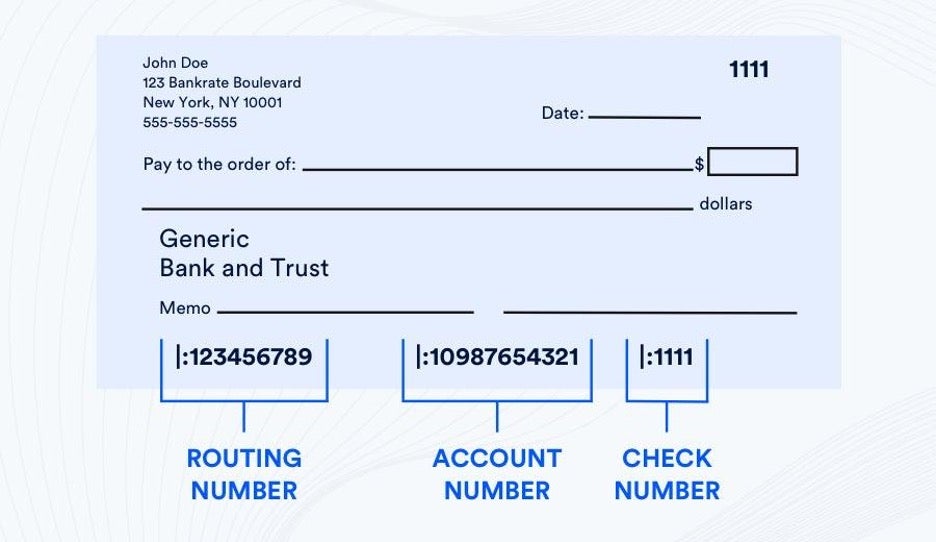
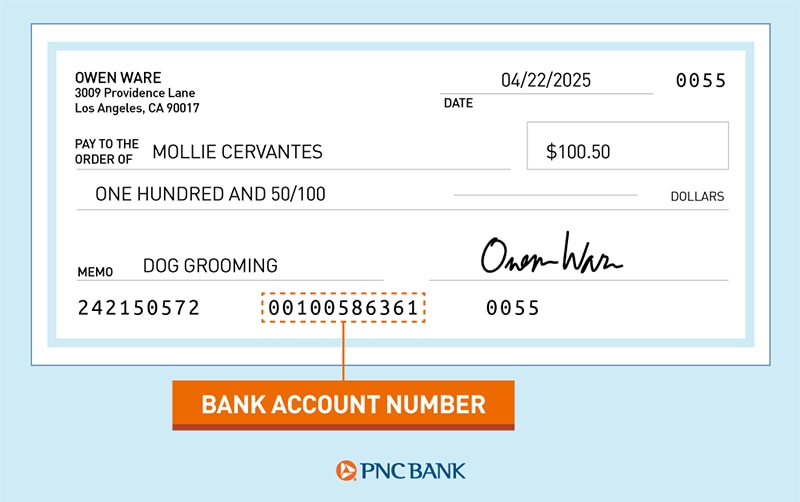
If you have a chequebook for your checking account, your account number is printed on every cheque. It’s typically located at the bottom of the cheque, to the right of your bank’s routing number. The routing number is the first set of nine digits on the left, followed by your account number, and then usually the cheque number. This method is a quick and easy way to find your account number, especially if you need to provide it for an employer or for setting up a direct debit. However, due to the sensitive nature of information on cheques, it’s crucial to keep your chequebook in a secure location and shred any voided or unused cheques to prevent unauthorized access to your account details. For those who primarily use digital payment methods, a chequebook might not be a readily available option, highlighting the utility of other methods.
Alternative Avenues When Primary Methods Aren’t Feasible
While the primary methods listed above are generally sufficient, there might be situations where they are not immediately accessible or viable. In such cases, alternative avenues can provide the necessary information.
Direct Contact with Your Bank
If you are unable to locate your account number through online banking, mobile apps, or statements, the most direct and secure solution is to contact your bank directly. You can do this by calling their customer service line, visiting a local branch in person, or using a secure messaging service within your online banking portal. When contacting customer service, be prepared to answer several security questions to verify your identity. These might include your full name, address, date of birth, social security number, or answers to security questions you’ve set up. When visiting a branch, bring a valid government-issued ID (e.g., driver’s license, passport) as proof of identity. The bank representative will then be able to provide you with your account number after successful verification. This method ensures that the information is provided by an authorized source and is particularly useful if you are experiencing technical difficulties or have lost access to your primary methods.
Reviewing Official Bank Documents
Beyond statements and chequebooks, other official documents provided by your bank may contain your account number. This could include the initial account opening documents, loan agreements, or welcome letters. When you first open an account, banks typically provide a packet of information detailing your account terms, conditions, and key identifiers. Digging through these archives can sometimes yield the necessary information, especially for older accounts or if you prefer a physical record. While less immediate than digital methods, these documents serve as reliable long-term records. It’s good practice to keep such important financial documents organized and stored in a secure place, like a fireproof safe or a securely locked filing cabinet, for easy reference and security.
ATM Receipts (Limited Information)
While less common and often incomplete, some ATM receipts might display a partial account number. Typically, for security reasons, ATMs only print the last four digits of your account number on transaction receipts. This is designed to provide you with enough information to identify the transaction and the account it relates to without revealing the full account number to potential onlookers or if the receipt is lost. Therefore, while an ATM receipt might confirm which account was used, it’s generally not a reliable source for obtaining your full bank account number when you need it for external transactions. It’s mainly useful for cross-referencing or confirming recent activity rather than retrieving the complete identifier.
Best Practices for Handling and Securing Your Account Information
Accessing your bank account number is one thing; responsibly managing and securing it is another critical aspect of financial health. Proactive measures are essential to protect your assets from unauthorized access and fraud.
Protecting Your Digital Footprint
In an increasingly digital world, much of your financial information, including your account number, exists online. Always ensure you are using strong, unique passwords for your online banking portal and mobile apps. Enable two-factor authentication (2FA) wherever possible, as it adds an extra layer of security by requiring a second form of verification, such as a code sent to your phone. Be cautious about accessing your bank account from public Wi-Fi networks, which can be vulnerable to eavesdropping. Always log out of your online banking session when finished, especially on shared devices. Regularly review your digital device security, ensuring your operating system and antivirus software are up-to-date to protect against malware that could compromise your information.
Vigilance Against Phishing and Scams
Cybercriminals frequently attempt to trick individuals into revealing their bank account numbers and other sensitive information through phishing scams. These often involve deceptive emails, text messages, or phone calls impersonating your bank or a reputable organization. Always be suspicious of unsolicited requests for your account number, PIN, or login credentials. Banks will typically never ask for sensitive information via unsecure channels like email or text. If you receive such a request, contact your bank directly using a verified phone number from their official website or the back of your debit card, rather than responding to the suspicious communication. Educate yourself on the common signs of phishing, such as generic greetings, urgent language, and suspicious links.
When to Share and When to Withhold
Knowing when it is appropriate to share your bank account number is crucial. You generally need to provide it for legitimate financial purposes such as setting up direct deposits, automated bill payments, wire transfers, or linking accounts to investment platforms. In these scenarios, ensure you are dealing with trusted entities and secure platforms. Conversely, you should never provide your bank account number to unknown individuals, unverified websites, or in response to unsolicited requests. Your bank account number is not typically required for making purchases with a debit or credit card, as the card number itself serves that purpose. Always question why someone needs your account number and verify their legitimacy before divulging it.

Regular Monitoring of Accounts
Even with robust security measures, vigilance is key. Regularly reviewing your bank statements and transaction history for any unauthorized or suspicious activity is a fundamental best practice. Many banks offer alerts for large transactions, unusual activity, or low balances, which can be invaluable tools for early fraud detection. The sooner you identify and report any discrepancies to your bank, the better the chances of recovering lost funds and mitigating further damage. Consistent monitoring empowers you to maintain control over your financial resources and promptly address any potential security breaches or errors. This proactive approach is a cornerstone of responsible personal finance, ensuring the integrity and safety of your banking relationships.
aViewFromTheCave is a participant in the Amazon Services LLC Associates Program, an affiliate advertising program designed to provide a means for sites to earn advertising fees by advertising and linking to Amazon.com. Amazon, the Amazon logo, AmazonSupply, and the AmazonSupply logo are trademarks of Amazon.com, Inc. or its affiliates. As an Amazon Associate we earn affiliate commissions from qualifying purchases.