
Navigating the complexities of tax regulations can often feel like traversing a labyrinth without a map. Yet, understanding and strategically applying tax-saving principles is not just for the wealthy; it’s a fundamental aspect of sound financial planning for individuals, families, and businesses alike. Saving tax isn’t about evasion; it’s about intelligent optimization – utilizing the legitimate deductions, credits, and tax-advantaged accounts that tax codes are designed to offer. This guide will demystify the process, providing insightful strategies to help you retain more of your hard-earned money and foster long-term financial prosperity.
Understanding the Fundamentals of Tax Savings
Before diving into specific strategies, it’s crucial to grasp the foundational concepts that underpin effective tax planning. A proactive approach to taxes, rather than a reactive one, can significantly impact your financial health.
The Importance of Tax Planning
Tax planning is the process of analyzing your financial situation from a tax perspective to ensure you make the most tax-efficient decisions. It involves looking at your income, expenses, investments, and life events to anticipate tax liabilities and identify opportunities to reduce them legally. Without proper planning, individuals and businesses often leave money on the table, paying more in taxes than necessary. Effective tax planning can free up capital for investments, debt reduction, or personal savings, accelerating your journey towards financial goals. It’s an ongoing process, not a once-a-year event, requiring regular review and adjustment as laws change and your circumstances evolve.
Key Tax Concepts for Individuals and Businesses
To effectively save tax, familiarity with basic tax terminology is essential. For individuals, understanding concepts like gross income, adjusted gross income (AGI), deductions (standard vs. itemized), and tax credits is paramount. Your AGI, in particular, is a critical figure, as it often determines eligibility for various deductions and credits. For businesses, concepts such as taxable income, operating expenses, depreciation, capital expenditures, and various business structures (sole proprietorship, LLC, S-Corp, C-Corp) each carry distinct tax implications. Grasping the difference between a deduction, which reduces your taxable income, and a credit, which directly reduces your tax bill dollar-for-dollar, is fundamental to maximizing savings.
Proactive vs. Reactive Tax Strategies
Many people approach taxes reactively, only thinking about them when it’s time to file their annual return. This “rear-view mirror” approach often means missed opportunities. Proactive tax planning, conversely, involves forward-looking strategies implemented throughout the year. This includes making estimated tax payments, adjusting payroll withholdings, contributing to retirement accounts, timing large purchases or sales, and documenting expenses diligently. A proactive mindset allows you to capitalize on deductions and credits as they arise, rather than scrambling at year-end, leading to a more organized, less stressful, and ultimately more financially rewarding tax season.
Leveraging Deductions and Credits
Deductions and credits are the cornerstones of tax savings, directly reducing your taxable income or your actual tax bill. Understanding which ones apply to your situation is key.
Common Deductions for Individuals
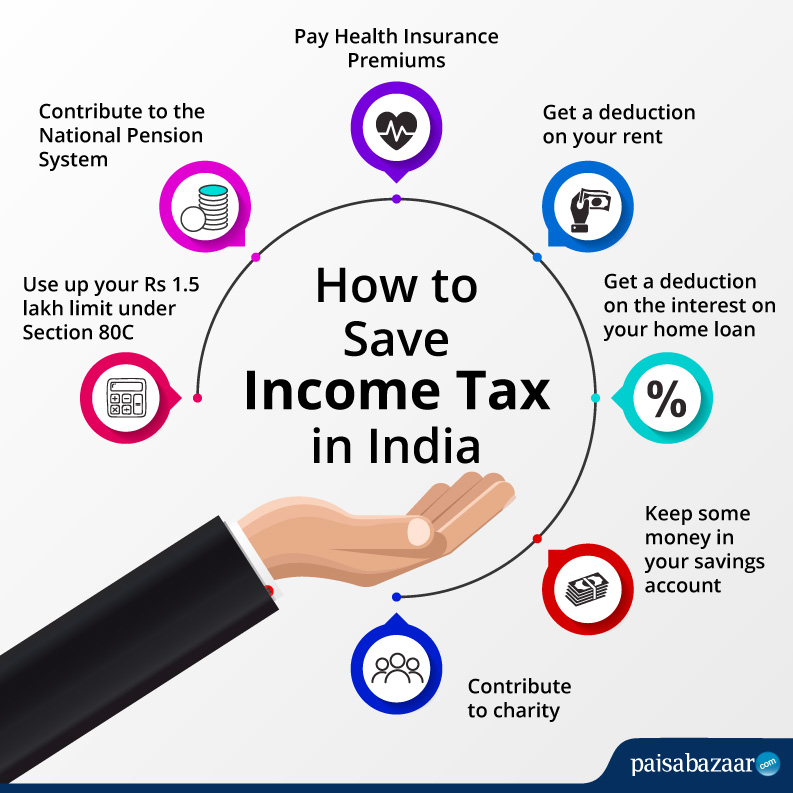
Deductions reduce your taxable income, thereby lowering the amount of tax you owe. For individuals, common deductions include:
- Mortgage Interest Deduction: Interest paid on home loans can be deductible, often providing a significant tax break for homeowners.
- Student Loan Interest Deduction: Up to a certain amount of interest paid on qualified student loans can be deducted.
- Charitable Contributions: Donations to qualified charitable organizations can be deductible, especially if you itemize.
- IRA Contributions: Contributions to traditional IRAs may be tax-deductible, depending on your income and whether you’re covered by a retirement plan at work.
- Health Savings Account (HSA) Contributions: Contributions to an HSA are pre-tax or tax-deductible.
- Self-Employment Tax Deduction: Self-employed individuals can deduct one-half of their self-employment taxes.
Business Deductions
Businesses have a wide array of deductions available to them, which can significantly reduce their taxable income. These include:
- Operating Expenses: Nearly all costs associated with running a business, such as rent, utilities, office supplies, marketing, and salaries, are deductible.
- Depreciation: Businesses can deduct a portion of the cost of long-lived assets (like machinery, vehicles, and buildings) over their useful life.
- Home Office Deduction: If you use a part of your home exclusively and regularly for business, you may qualify for this deduction.
- Startup Costs: Up to a certain amount of business startup and organizational costs can be deducted in the first year.
- Business Travel and Meals: Qualified business travel expenses and a percentage of business meals are often deductible.
Exploring Tax Credits
Tax credits are particularly powerful because they reduce your tax bill dollar-for-dollar, directly impacting the amount you owe. Unlike deductions, credits aren’t limited by your tax bracket. Key credits include:
- Child Tax Credit: For eligible taxpayers, this credit provides a significant reduction for each qualifying child.
- Earned Income Tax Credit (EITC): A refundable credit for low-to-moderate income working individuals and families, potentially resulting in a refund even if no tax was owed.
- Education Credits: Credits like the American Opportunity Tax Credit and the Lifetime Learning Credit help offset the cost of higher education.
- Retirement Savings Contributions Credit (Saver’s Credit): For eligible low-to-moderate income individuals contributing to retirement accounts.
- Residential Energy Credits: Incentives for homeowners who make energy-efficient improvements to their homes.
The Role of Itemization vs. Standard Deduction
For individual taxpayers, a crucial decision is whether to take the standard deduction or itemize their deductions. The standard deduction is a fixed dollar amount that reduces your taxable income, and it varies based on your filing status. Itemizing involves listing out all your eligible deductions (like mortgage interest, state and local taxes, medical expenses above a certain threshold, and charitable contributions). You should itemize only if your total itemized deductions exceed your standard deduction amount. Keeping meticulous records throughout the year is essential to accurately determine which option is more beneficial for you.
Strategic Use of Tax-Advantaged Accounts
Beyond deductions and credits, strategic use of tax-advantaged accounts offers powerful ways to grow your wealth while deferring or reducing your tax liability. These accounts are specifically designed to encourage savings for retirement, health, and education.
Retirement Accounts
Retirement accounts are arguably the most impactful tax-saving tools for long-term wealth building.
- 401(k) and 403(b) Plans: Employer-sponsored plans allow pre-tax contributions, reducing your current taxable income. Investments grow tax-deferred until withdrawal in retirement. Many employers also offer a matching contribution, which is essentially free money.
- Traditional IRA: Contributions may be tax-deductible, and growth is tax-deferred until retirement. Ideal for those without employer plans or who meet income requirements for deductibility.
- Roth IRA: Contributions are made with after-tax dollars, meaning no upfront deduction. However, qualified withdrawals in retirement are entirely tax-free, including all earnings. This is particularly beneficial if you expect to be in a higher tax bracket in retirement.
- SEP IRA and SIMPLE IRA: These are simplified retirement plans for small businesses and self-employed individuals, offering higher contribution limits than traditional IRAs and significant tax deductions.
Health Savings Accounts (HSAs) – The Triple Tax Advantage

HSAs are unique and powerful savings vehicles available to individuals with high-deductible health plans (HDHPs). They offer a “triple tax advantage”:
- Tax-deductible contributions: Money put into an HSA reduces your taxable income.
- Tax-free growth: Investments within the HSA grow free from federal income tax.
- Tax-free withdrawals: Qualified medical expenses can be paid for with tax-free withdrawals at any time.
If not used for medical expenses, after age 65, HSA funds can be withdrawn for any purpose, taxed only as ordinary income, similar to a traditional IRA. This makes HSAs a versatile tool for both current healthcare costs and future retirement planning.
Education Savings Plans (529 Plans)
For those saving for education expenses, 529 plans are an excellent tax-advantaged option. While contributions are not federally tax-deductible, the earnings grow tax-free, and withdrawals for qualified education expenses (tuition, fees, books, room and board, even K-12 private school tuition up to $10,000 per year) are also tax-free. Many states also offer a state income tax deduction or credit for contributions to their 529 plans, adding another layer of tax benefit. These plans offer significant flexibility in terms of investment options and beneficiary changes.
Tax-Efficient Investment Strategies
Beyond specific accounts, how you manage your investments can also have a profound impact on your tax liability. Adopting tax-efficient investment strategies can help you maximize returns.
Capital Gains Tax Planning
Capital gains arise from the sale of an asset (like stocks, bonds, or real estate) at a profit. These gains are classified as either short-term (assets held for one year or less, taxed at ordinary income rates) or long-term (assets held for more than one year, taxed at preferential lower rates). Strategic planning involves holding investments for over a year to qualify for lower long-term capital gains rates. Furthermore, consider timing sales to occur in years when you might be in a lower income tax bracket.
Tax-Loss Harvesting
Tax-loss harvesting is a strategy where you sell investments at a loss to offset capital gains and, potentially, a limited amount of ordinary income. By realizing losses, you can reduce your overall taxable income. These losses can first offset any capital gains you have, and then up to $3,000 of remaining losses can be used to offset ordinary income each year. Any unused losses can be carried forward indefinitely to future tax years. This strategy, when implemented carefully, can significantly reduce your tax burden on investment portfolios.
Municipal Bonds and Other Tax-Exempt Investments
Municipal bonds, issued by state and local governments, are a popular choice for investors in higher tax brackets. The interest earned on these bonds is often exempt from federal income tax, and in some cases, from state and local taxes if you reside in the issuing state. This tax exemption can make municipal bonds a more attractive option than taxable bonds, even if their nominal yield is lower. Other tax-exempt investments might include certain U.S. Treasury securities that are exempt from state and local taxes, though not federal.
Real Estate and Depreciation Benefits
Investing in real estate offers unique tax advantages. Property owners can deduct various expenses, including mortgage interest, property taxes, insurance, and operating costs. Critically, real estate investors can also utilize depreciation, an annual deduction that accounts for the wear and tear of a property, even if the property is appreciating in value. This non-cash deduction can significantly reduce taxable rental income, providing a powerful tax shield. Section 1031 exchanges also allow real estate investors to defer capital gains taxes when reinvesting proceeds from the sale of one property into a “like-kind” property.
Advanced Tax Planning and Considerations
As your financial situation grows more complex, advanced tax planning becomes increasingly vital. This involves considering the broader implications of your wealth, business structure, and significant life events.
Estate Planning and Gift Tax Exclusions
Estate planning isn’t just about what happens after you’re gone; it’s also about managing your assets tax-efficiently during your lifetime and upon your passing. Understanding the annual gift tax exclusion allows you to transfer a certain amount of money or assets to individuals each year without incurring gift tax or impacting your lifetime exclusion. Trusts can be powerful tools in estate planning, helping to minimize estate taxes, protect assets, and ensure your wealth is distributed according to your wishes. Proactive estate planning can prevent significant tax burdens on your heirs and ensure a smooth transfer of wealth.
Business Structure and Tax Implications
For entrepreneurs and business owners, the choice of business structure has profound tax implications.
- Sole Proprietorship/Partnership: Profits and losses pass directly to the owners’ personal tax returns (pass-through taxation), subject to self-employment taxes.
- Limited Liability Company (LLC): Offers liability protection and can choose to be taxed as a sole proprietorship, partnership, S-Corp, or C-Corp, providing flexibility.
- S-Corporation (S-Corp): Also offers pass-through taxation, but owners can pay themselves a reasonable salary, with remaining profits distributed as dividends, which are not subject to self-employment taxes. This can lead to significant tax savings for profitable businesses.
- C-Corporation (C-Corp): Is taxed as a separate entity, with profits taxed at the corporate level, and then again when distributed to shareholders as dividends (double taxation). However, C-Corps can offer benefits like more deductions and fringe benefits.
The optimal structure depends on your business size, growth projections, profit levels, and desire for liability protection.
The Impact of Life Events on Tax Planning
Life events significantly alter your tax situation and present new planning opportunities or challenges. Marriage, divorce, the birth or adoption of a child, purchasing a home, starting a business, receiving an inheritance, or retirement all have substantial tax implications. For instance, marriage can change your filing status and potentially push you into a different tax bracket. Having children opens up eligibility for credits like the Child Tax Credit. Retirement shifts focus from earning income to managing distributions from retirement accounts. It’s crucial to review your tax strategy proactively whenever a major life event occurs.
When to Seek Professional Tax Advice
While this guide provides a solid foundation, the tax code is vast and complex, constantly evolving. For many individuals and most businesses, the expertise of a qualified tax professional – such as a Certified Public Accountant (CPA), Enrolled Agent (EA), or tax attorney – is invaluable. A professional can help you navigate intricate laws, identify obscure deductions and credits, ensure compliance, represent you in audits, and create a tailored tax strategy that aligns with your specific financial goals. Their fees are often well worth the savings and peace of mind they provide, especially as your income, investments, or business operations become more complex.
Saving tax is an ongoing journey of education and strategic action. By understanding the fundamentals, leveraging available deductions and credits, utilizing tax-advantaged accounts, implementing intelligent investment strategies, and adapting to life’s changes, you can significantly enhance your financial well-being. Proactive planning, coupled with professional guidance when needed, empowers you to take control of your tax situation, keeping more of your money working for you, rather than for the taxman.
aViewFromTheCave is a participant in the Amazon Services LLC Associates Program, an affiliate advertising program designed to provide a means for sites to earn advertising fees by advertising and linking to Amazon.com. Amazon, the Amazon logo, AmazonSupply, and the AmazonSupply logo are trademarks of Amazon.com, Inc. or its affiliates. As an Amazon Associate we earn affiliate commissions from qualifying purchases.