
Car insurance is a cornerstone of a sound personal finance strategy. While often viewed as a fixed monthly burden, it is, in reality, one of the most flexible expenses in a household budget. For the financially savvy individual, managing insurance premiums is not merely about finding the lowest price—it is about optimizing the balance between risk management and capital preservation.
In the current economic climate, where inflation and rising repair costs are driving premiums upward, understanding the levers that control insurance costs is essential. This guide explores the sophisticated financial strategies required to reduce car insurance expenditures without compromising necessary protection.

Understanding the Economics of Auto Insurance
Before implementing cost-saving measures, one must understand the underlying economic principles that insurance companies use to set rates. Premiums are not arbitrary numbers; they are the result of complex actuarial calculations designed to predict risk and ensure the insurer’s solvency.
The Mechanics of Risk Assessment
Insurance companies operate on the principle of risk pooling. They collect premiums from a large group of people to pay for the claims of a few. Your premium is your “share” of that risk. Factors such as your age, location, driving history, and the type of vehicle you drive are used as variables in a proprietary algorithm. From a personal finance perspective, your goal is to present yourself as a “low-risk asset.” By understanding that insurers value stability and predictability, you can make lifestyle and financial choices that lower your risk profile in their eyes.
Why Premiums Fluctuate
The insurance market is subject to broader economic cycles. Factors such as “social inflation” (increased litigation costs), the rising cost of high-tech vehicle parts, and regional climate risks (floods, fires) can cause industry-wide rate hikes. Recognizing that insurance is a dynamic market allows you to realize that a “good deal” three years ago may now be an overpriced policy today. Regular financial auditing of your insurance contracts is necessary to ensure you are not paying a “loyalty tax”—a phenomenon where long-term customers are charged higher rates than new customers because they are less likely to shop around.
Foundational Steps to Lowering Your Premiums
The most significant savings in car insurance often come from the initial structural setup of your policies. These are high-leverage moves that require minimal ongoing effort but yield substantial annual returns.
The Power of Comparative Shopping
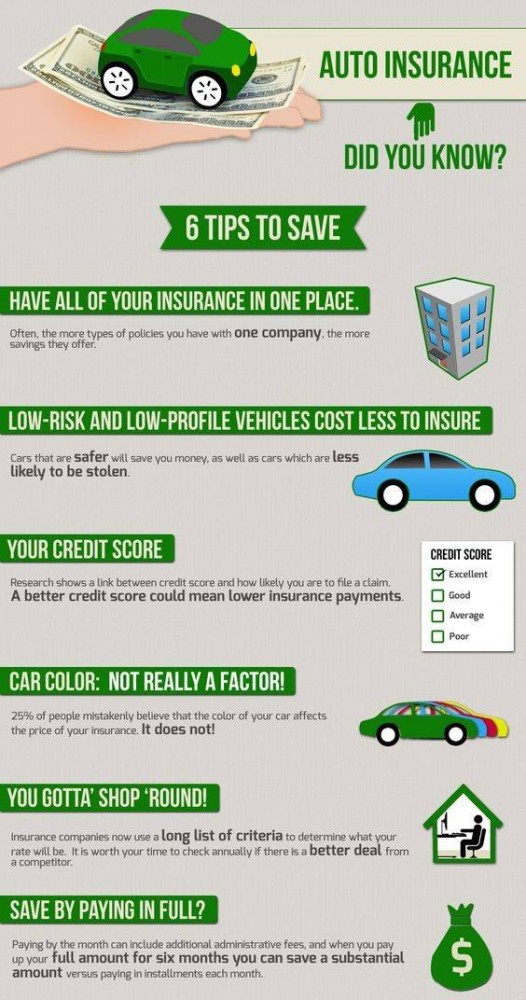
The most effective way to save money on car insurance is through rigorous market comparison. Financial experts recommend obtaining at least three to five quotes every 12 months or after any major life event. Different insurers use different weighting for their risk variables; for instance, one company might penalize a single speeding ticket heavily, while another might prioritize credit history or professional affiliations. By utilizing independent brokers or digital comparison tools, you can ensure that you are transacting at the current market floor.
Bundling and Multi-Policy Discounts
From a wealth management perspective, consolidating your insurance needs under one provider often results in a “bundling discount.” Insurers are eager to increase their “share of wallet” and will offer discounts ranging from 10% to 25% if you carry your homeowners, renters, or life insurance with the same company. This not only reduces the total premium outflow but also simplifies your financial administration, making it easier to track your net cash flow.
Leveraging Credit Scores for Better Rates
In many jurisdictions, there is a high correlation between credit-based insurance scores and the likelihood of filing a claim. Insurance companies have found that individuals who manage their credit responsibly tend to be more cautious in their driving habits. Therefore, maintaining a high credit score is not just vital for mortgage rates; it is a primary driver of lower insurance premiums. Improving your debt-to-income ratio and ensuring timely payments can indirectly lead to hundreds of dollars in insurance savings over time.
Policy Adjustments and Coverage Optimization
Once the foundational provider is selected, the next step involves fine-tuning the policy itself. This requires a nuanced understanding of “self-insuring” versus “transferring risk.”
Evaluating Your Deductibles
The deductible is the amount you pay out-of-pocket before insurance coverage kicks in. Increasing your deductible is one of the fastest ways to lower your premium. For example, moving from a $250 deductible to a $1,000 deductible can reduce your collision and comprehensive coverage costs by 15% to 30%. From a financial planning standpoint, if you have an adequate emergency fund, you are in a position to “self-insure” that $1,000 risk. The premium savings over two or three years will often exceed the cost of the deductible itself, representing a positive expected value (EV) for your household finances.
Removing Unnecessary Add-ons for Older Vehicles
As a vehicle depreciates, the financial utility of certain coverages diminishes. Collision and comprehensive coverages pay out based on the actual cash value (ACV) of the car. If you are driving an older vehicle with a low market value, the annual premium for these coverages might represent a significant percentage of the car’s total worth. A common rule of thumb in personal finance is that if the annual cost of collision and comprehensive coverage exceeds 10% of the vehicle’s value, it may be more cost-effective to drop those coverages and save the money for a future vehicle replacement.
Annual Mileage and Usage-Based Savings
In the era of remote work and hybrid corporate models, many drivers are spending significantly less time on the road. Insurance companies calculate risk based on “exposure,” and a car that sits in a garage is at lower risk of an accident than one used for a 40-mile daily commute. If your annual mileage has decreased, notifying your insurer can lead to a “low-mileage” discount. Accurately reporting your usage ensures you are not paying for exposure that does not exist.
Safe Driving and Maintenance Incentives
Your behavior as an operator of the vehicle is perhaps the most significant variable under your direct control. Modern insurance products are increasingly rewarding proactive safety measures.
Defensive Driving Courses
Many insurance providers offer a discount to drivers who voluntarily complete an accredited defensive driving course. While these courses require a small upfront investment of time and money (often around $25–$50 and a few hours of online study), the financial return is significant. Most insurers offer a 5% to 10% discount for three years following the completion of the course. This represents a high internal rate of return (IRR) on your time.
Telematics: The Rise of Pay-As-You-Drive
The most disruptive trend in insurance finance is the move toward usage-based insurance (UBI). By using a smartphone app or a plug-in device, insurers can track your actual driving behavior—braking habits, speed, and time of day. For safe drivers, this can result in discounts of up to 40%. While this involves a trade-off regarding data sharing, from a purely financial perspective, it allows the consumer to pay for their specific risk level rather than the average risk of their demographic.
Vehicle Safety Features and Their Impact
When purchasing a new vehicle, the financial considerations should extend beyond the monthly car payment. The safety features of a car—such as anti-lock brakes, electronic stability control, and advanced driver-assistance systems (ADAS)—can lower the cost of personal injury protection and medical payment coverages. Furthermore, anti-theft devices can reduce the comprehensive portion of your premium. Factoring these insurance savings into the Total Cost of Ownership (TCO) of a vehicle is a hallmark of sophisticated personal finance management.
Maintaining Long-Term Financial Health through Insurance Management
Lowering your car insurance is not a one-time event; it is a recurring process of optimization. By treating your insurance as a managed asset, you ensure that your capital is always being used efficiently.
Periodic Policy Audits
Financial landscapes change. You might move to a safer ZIP code, get married, or reach an age (such as 25 or 50) where insurers statistically see a drop in risk. An annual audit of your policy ensures that these milestones are reflected in your premium. Furthermore, as you pay off a car loan, you may have the flexibility to change your coverage limits or providers, as you are no longer bound by the lender’s specific insurance requirements.

The Impact of Life Milestones on Premiums
Significant life events are often catalysts for insurance savings. Marriage often results in lower rates because coupled drivers are statistically safer. Similarly, homeowners are viewed as more stable and are often granted lower rates even on their auto policies. Conversely, adding a teenage driver to a policy is a significant financial hit. Preparing for these changes by building a “sinking fund” or shopping for a provider that specializes in high-risk youthful drivers can mitigate the shock to your monthly cash flow.
In conclusion, saving on car insurance is a strategic exercise in risk management and market awareness. By understanding the actuarial logic of insurers, leveraging competitive market forces, and optimizing your coverage to match your actual needs, you can reclaim a significant portion of your income. In the grander scheme of personal finance, these savings can then be redirected toward high-yield investments or debt reduction, compounding your wealth over time. In the world of money, it is not just about what you earn, but how much you keep—and car insurance is a prime area to maximize your retention.
aViewFromTheCave is a participant in the Amazon Services LLC Associates Program, an affiliate advertising program designed to provide a means for sites to earn advertising fees by advertising and linking to Amazon.com. Amazon, the Amazon logo, AmazonSupply, and the AmazonSupply logo are trademarks of Amazon.com, Inc. or its affiliates. As an Amazon Associate we earn affiliate commissions from qualifying purchases.