
In today’s dynamic economic landscape, the ability to save money quickly is more than just a prudent financial habit – it’s a strategic imperative for building resilience, achieving significant life goals, and securing long-term financial freedom. Whether you’re aiming for a down payment on a home, an emergency fund, early retirement, or funding a new business venture, mastering the art of rapid saving can dramatically shorten your timeline to success. This comprehensive guide will equip you with actionable strategies and insightful perspectives to supercharge your savings rate, transforming aspirational goals into tangible realities.

Laying the Foundation: Setting Clear Goals and Understanding Your Finances
Before you can accelerate your savings, you must first understand where you are and where you want to go. This foundational step is critical for developing a focused and effective savings plan. Without a clear destination, even the fastest vehicle can get lost.
Define Your “Why”: Purpose-Driven Savings
Saving money is rarely an end in itself; it’s a means to an end. Identifying your specific savings goals and understanding the powerful “why” behind them will provide the motivation needed to stay disciplined. Are you saving for:
- An emergency fund (3-6 months of living expenses)?
- A down payment on a house?
- A child’s education?
- A dream vacation?
- Early retirement?
- Debt repayment (which is a form of saving by reducing future interest payments)?
Quantify your goals (e.g., “$10,000 for an emergency fund,” “$50,000 for a down payment”) and set realistic timelines. Breaking large goals into smaller, manageable milestones can make the journey less daunting and more rewarding. A clear, compelling “why” acts as your compass, guiding your financial decisions.
Master Your Cash Flow: The Power of Budgeting
A budget isn’t about restriction; it’s about control and intention. To save fast, you need to know exactly how much money is coming in and where every dollar is going. A well-constructed budget reveals areas where you can cut back and identifies opportunities to allocate more funds towards your savings goals.
Start by tracking all your income and expenses for at least a month. Categorize your spending (e.g., housing, food, transportation, entertainment, debt payments). Many budgeting methods exist, such as the 50/30/20 rule (50% needs, 30% wants, 20% savings/debt) or zero-based budgeting (every dollar assigned a job). Choose a method that resonates with you and stick to it. The goal is to move from passive spending to active, intentional allocation of your resources.
Unmasking Spending Habits: Expense Tracking
Budgeting’s close cousin, expense tracking, is crucial for identifying unconscious spending habits that erode your savings potential. Often, small, seemingly insignificant daily purchases—the morning coffee, impulse online buys, or forgotten subscriptions—add up to significant amounts over time.
Utilize personal finance apps (like Mint, YNAB, Personal Capital), spreadsheets, or even a simple notebook to meticulously record every expense. This exercise provides an unfiltered view of your financial reality. Be honest with yourself about where your money is truly going. This awareness is the first step towards making conscious choices to redirect funds towards your savings goals. Once identified, these “leaks” can be plugged, freeing up substantial cash for rapid saving.
Aggressive Cost-Cutting Strategies
Once you have a clear picture of your finances, the next step is to surgically reduce your expenses. This isn’t about deprivation but about optimizing your spending to align with your savings goals. Fast saving requires a mindset shift from convenience-driven spending to value-driven decisions.
The Subscription Purge: Eliminating Unnecessary Expenses
In the age of digital convenience, it’s easy to accumulate a plethora of subscriptions for streaming services, apps, gyms, and delivery services. Many of these go unused or are duplicated. Perform a thorough audit of all recurring charges.
- Evaluate Necessity: Do you truly use and benefit from every subscription?
- Consolidate: Can you share services with family or friends (where permissible)?
- Negotiate: For services you keep, check if there are cheaper plans or loyalty discounts.
- Cancel Unused: Be ruthless in cutting anything that isn’t essential or frequently used. The cumulative savings from even small monthly subscriptions can be surprisingly high.
Beyond subscriptions, look for other “fat” in your budget: excessive dining out, impulse purchases, or expensive hobbies that can be temporarily scaled back.
Rethink Your Daily Habits: Food, Entertainment, and Transportation
Significant savings can be found in re-evaluating everyday consumption. These are often the largest variable expenses for many households.
- Food: Cooking at home is almost always cheaper and healthier than eating out. Plan your meals, buy groceries in bulk, utilize coupons, and reduce food waste. Pack lunches and make coffee at home. Consider “no-spend days” for food (using only what’s already in your pantry).
- Entertainment: Instead of expensive outings, explore free or low-cost alternatives. Parks, libraries, hiking, free community events, or game nights at home can provide ample enjoyment without draining your wallet. Leverage public libraries for books, movies, and even passes to local attractions.
- Transportation: If possible, consider public transport, carpooling, cycling, or walking. If you drive, optimize routes, ensure proper tire inflation, and explore cheaper insurance options. For larger savings, reconsider owning a second car or downsize to a more fuel-efficient vehicle if feasible.
These micro-adjustments, when consistently applied, lead to macro results in your savings account.
Negotiate and Reduce Fixed Costs
While variable costs offer flexibility, don’t overlook your fixed expenses. Many can be negotiated or reduced with a bit of effort.
- Housing: Can you refinance your mortgage for a lower interest rate? Negotiate rent renewal? Consider downsizing or finding a roommate temporarily? Even challenging your property tax assessment can yield savings.
- Insurance: Shop around for car, home, and health insurance annually. Loyalty isn’t always rewarded; comparing quotes from multiple providers can often lead to significant reductions for comparable coverage. Ask about discounts for bundling policies, good driving records, or security systems.
- Utilities: Be mindful of energy consumption (thermostat settings, LED lighting, unplugging electronics). Call your internet and cable providers to negotiate lower rates or streamline your packages. Often, simply threatening to switch providers can secure a better deal.
Aggressively tackling fixed costs can free up a substantial and predictable amount of money each month, directly fueling your savings goals.
Boosting Your Income to Fuel Savings
While cutting expenses is crucial, there’s a limit to how much you can trim. To truly save fast, you’ll likely need to explore ways to increase your income. This dual approach of spending less and earning more creates a powerful savings multiplier.
Unleash Your Side Hustle Potential
The gig economy offers countless opportunities to earn extra money outside of your primary job. Identify skills you have or passions you can monetize:
- Freelancing: Writing, graphic design, web development, social media management, virtual assistant services.
- Services: Dog walking, pet sitting, babysitting, tutoring, house cleaning, handyman services, yard work.
- Gig Platforms: Drive for rideshare services, deliver food, or complete tasks on platforms like TaskRabbit or Fiverr.
- Selling: Declutter your home and sell unused items on marketplaces like eBay, Facebook Marketplace, or local consignment shops. Create and sell crafts or digital products.
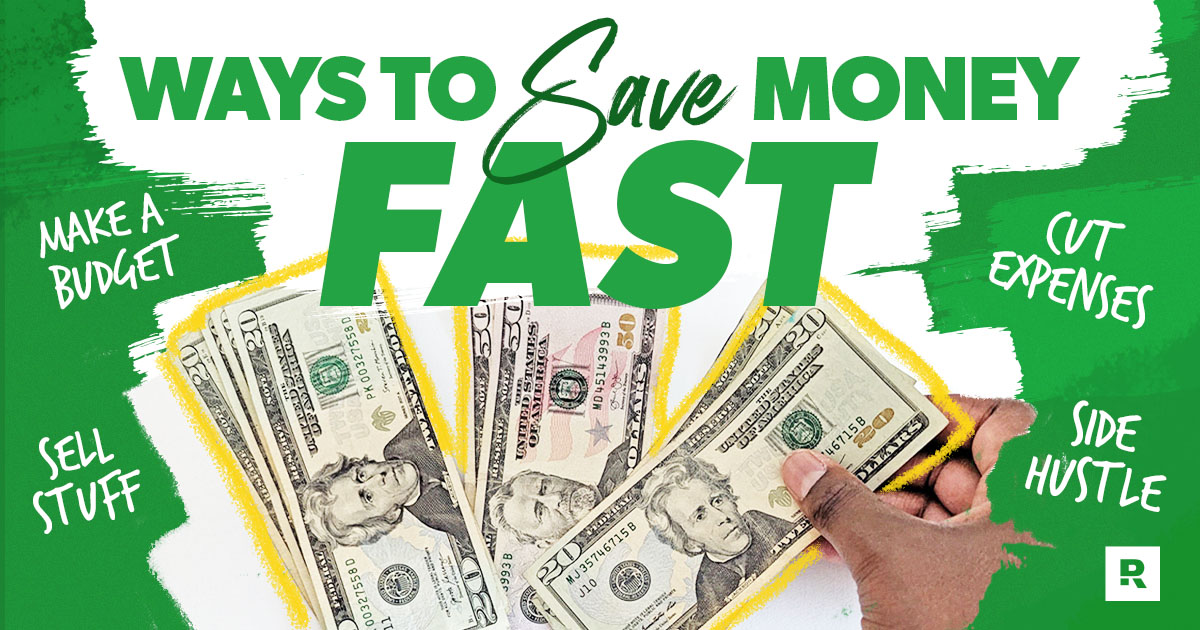
Even a few hundred extra dollars a month from a side hustle can dramatically impact your savings rate, especially if you commit to directing 100% of this supplementary income directly into your savings account.
Skill Up and Earn More: Career Advancement
For long-term, sustainable income growth, invest in your primary career.
- Negotiate Your Salary: Research industry benchmarks and be prepared to advocate for your worth during annual reviews or when changing jobs. Even a small percentage increase compounds over time.
- Professional Development: Acquire new skills, certifications, or advanced degrees that make you more valuable in your field. This can lead to promotions, higher-paying roles, or opportunities for consulting work.
- Job Hopping: Sometimes, the fastest way to a significant pay raise is to move to a new company. Evaluate your market value periodically and don’t be afraid to explore new opportunities.
A strategic focus on increasing your earning potential can accelerate your savings far beyond what expense cutting alone can achieve.
Optimize Your Assets: Passive Income Streams
While often requiring an initial investment of time or money, passive income can be a powerful accelerator.
- Investing: Once your emergency fund is robust, consider investing in low-cost index funds or ETFs. While not “fast” in the short-term, consistent contributions and compound interest can grow your wealth significantly over time.
- Rent Out Assets: If you have a spare room, a vacation property, or even a vehicle, consider renting it out on platforms like Airbnb or Turo.
- Create Digital Products: E-books, online courses, stock photos, or templates can generate income long after the initial creation effort.
These strategies allow your money to work for you, adding another layer to your income-generating efforts.
Automating Your Ascent to Savings Success
One of the most effective strategies for rapid saving is to remove the human element of decision-making. By automating your savings, you ensure consistency and prevent yourself from spending money that was intended for your financial goals.
“Pay Yourself First”: The Automatic Transfer Method
This is perhaps the most powerful savings strategy. As soon as your paycheck hits your account, a predetermined amount is automatically transferred to your savings or investment accounts before you have a chance to spend it.
- Set Up Direct Deposit: Have a portion of your paycheck directly deposited into a separate savings account.
- Automated Transfers: Schedule recurring transfers from your checking to your savings account immediately after each payday.
- Increase Gradually: As your income grows or expenses decrease, increase the automated transfer amount.
Treat your savings like a non-negotiable bill. This method leverages inertia in your favor, making saving effortless and consistent.
Utilize Technology: Savings Apps and Tools
Modern financial technology offers excellent tools to automate and optimize your savings efforts:
- Round-Up Apps: Apps like Acorns or Chime round up your debit card purchases to the nearest dollar and invest or save the difference.
- Budgeting Apps with Savings Features: Many budgeting apps can help you set savings goals and even automate transfers.
- High-Yield Savings Accounts: While not strictly automation, parking your savings in an account that earns a higher interest rate allows your money to grow faster passively.
These tools make saving frictionless and can capture small amounts that add up over time without requiring constant vigilance.
The Power of Windfalls: Saving Unexpected Income
Any unexpected lump sum of money—a tax refund, a work bonus, an inheritance, a gift—presents a golden opportunity to accelerate your savings.
- 100% Rule: Commit to saving 100% of any windfall.
- Target Specific Goals: Allocate windfalls to specific high-priority goals, such as bolstering your emergency fund or making a significant dent in a down payment.
- Resist Lifestyle Creep: Avoid the temptation to use windfalls to upgrade your lifestyle. This discipline is paramount for rapid saving.
Treating windfalls as pure savings accelerators rather than spending opportunities can shave months or even years off your financial timelines.
Maintaining Momentum and Long-Term Vision
Saving fast isn’t just about quick bursts of effort; it requires sustained motivation and a strategic long-term perspective. You’ll encounter challenges, but with the right mindset and regular adjustments, you can stay on track.
Tackle High-Interest Debt First
While technically not “saving,” aggressively paying down high-interest debt (like credit card balances or personal loans) is financially equivalent to earning a guaranteed high return on your money. The interest you save by eliminating this debt directly frees up cash flow that can then be redirected to traditional savings accounts or investments. Focus on a debt repayment strategy (e.g., debt snowball or debt avalanche) to eliminate these wealth destroyers quickly.
Celebrate Milestones and Stay Motivated
The journey of rapid saving can be challenging, requiring discipline and sacrifice. It’s crucial to acknowledge and celebrate your progress along the way.
- Set Mini-Goals: Break down your main savings goal into smaller, achievable milestones (e.g., saving the first $1,000, reaching 25% of your total goal).
- Reward Yourself (Sensibly): When you hit a milestone, allow yourself a small, pre-planned, non-financial reward or a very modest treat that won’t derail your progress. This reinforces positive behavior and prevents burnout.
- Visual Trackers: Use apps, spreadsheets, or even physical charts to visually track your progress. Seeing your savings grow can be incredibly motivating.
Keeping your “why” front and center and recognizing achievements will fuel your continued efforts.
Regular Reviews and Adjustments
Your financial life isn’t static, and neither should your savings plan be. Life changes, income fluctuates, and goals evolve.
- Monthly Check-ins: Dedicate time each month to review your budget, track your progress against your savings goals, and identify any areas for improvement.
- Quarterly Deep Dives: Every few months, take a more comprehensive look at your overall financial picture. Are your investments performing as expected? Are there new opportunities to save or earn more?
- Adapt as Needed: Don’t be afraid to adjust your plan. If an expense arises that you couldn’t foresee, or if your income changes, adapt your budget and savings targets accordingly. Flexibility is key to long-term success.
By consistently monitoring, evaluating, and refining your strategies, you ensure that your path to fast saving remains optimized and aligned with your evolving financial aspirations.

Conclusion
Saving fast is an achievable goal for anyone committed to taking proactive control of their financial future. It demands a blend of clear goal setting, rigorous expense management, strategic income generation, and smart automation. By embracing a disciplined approach, leveraging technology, and maintaining a long-term vision, you can dramatically accelerate your journey towards financial security and achieve the life goals you envision. The power to transform your financial reality lies within your reach – start today, save fast, and build the future you deserve.
aViewFromTheCave is a participant in the Amazon Services LLC Associates Program, an affiliate advertising program designed to provide a means for sites to earn advertising fees by advertising and linking to Amazon.com. Amazon, the Amazon logo, AmazonSupply, and the AmazonSupply logo are trademarks of Amazon.com, Inc. or its affiliates. As an Amazon Associate we earn affiliate commissions from qualifying purchases.