
Saving a significant sum like $50,000 within a single year might sound like a daunting, perhaps even impossible, challenge for many. However, for those with a clear vision, a disciplined approach, and the right financial tools, this ambitious goal is remarkably achievable. This guide will dismantle the complexities of rapid savings, offering actionable strategies and highlighting the indispensable role of a dedicated savings calculator to keep you on track. Prepare to transform your financial habits, optimize your income and expenses, and unlock the path to reaching your $50,000 savings target.
The Ambitious Goal: Is Saving $50,000 in a Year Realistic?
The prospect of saving $50,000 in just 12 months often elicits a mixture of excitement and skepticism. For some, it represents a life-changing opportunity – a down payment on a house, funding a dream entrepreneurial venture, eliminating high-interest debt, or building a robust emergency fund. For others, it seems like an insurmountable mountain, especially if current financial circumstances are challenging. The truth lies not in whether it’s inherently easy or hard, but in the deliberate steps and strategic planning you employ.
Understanding Your Current Financial Landscape
Before embarking on any aggressive savings journey, a brutally honest assessment of your current financial situation is paramount. This involves a deep dive into your income sources, fixed and variable expenses, existing debts, and current savings habits. Without this baseline, any goal setting will be speculative. Begin by gathering bank statements, credit card bills, pay stubs, and any other financial records. Categorize your spending, identify your net income, and calculate your current savings rate. This clarity will reveal your starting point and illuminate potential areas for immediate improvement. For instance, someone earning $100,000 annually with $40,000 in expenses has a different path than someone earning $50,000 with $30,000 in expenses. The common denominator, however, is the need for conscious, strategic decisions.
The Power of Intentional Saving
Saving $50,000 in a year is not an accident; it’s a deliberate act of intentionality. It requires a shift from passive saving (whatever’s left at the end of the month) to active saving (prioritizing the savings goal above many other expenditures). This psychological shift is crucial. When you view your savings as a non-negotiable expense, just like rent or utilities, you imbue it with the necessary importance to withstand temptations and unexpected costs. Intentional saving also implies having a clear purpose for the money. Whether it’s for a house, retirement, or a business, a strong “why” fuels your motivation through challenging periods.
Dispelling Myths and Setting Expectations
One common myth is that only high-income earners can save substantial amounts. While a higher income certainly makes it easier, it doesn’t make it exclusive. Many individuals with moderate incomes achieve impressive savings by diligently cutting expenses and generating additional income. Another myth is that you must completely deprive yourself. While sacrifices are inevitable, sustainable saving isn’t about misery; it’s about mindful choices that align with your long-term goals. Setting realistic expectations means understanding that there will be good months and challenging ones. It’s a marathon, not a sprint, and consistency trumps perfection. You might not hit your exact daily target every single day, but staying committed to the monthly average is what truly counts.
Deconstructing the $50,000 Goal: The Math Behind the Dream
The sheer number “$50,000” can be intimidating. The secret to achieving any large financial goal is to break it down into smaller, manageable, and more digestible increments. This process demystifies the target and makes the path forward much clearer.
Daily, Weekly, and Monthly Breakdown
To save $50,000 in a year (365 days):
-
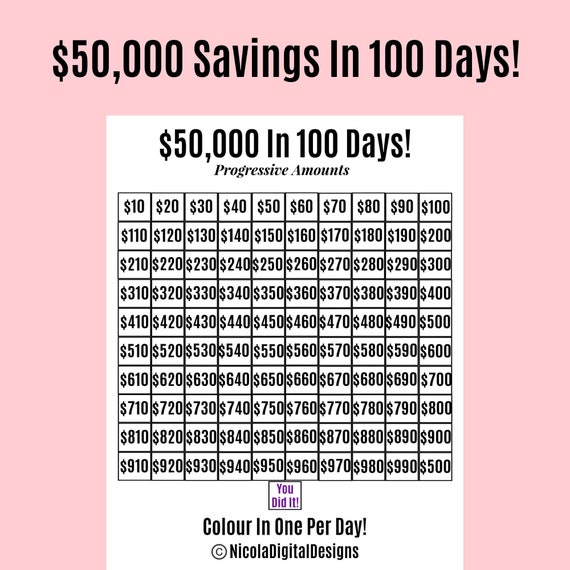
Daily Savings Target: $50,000 / 365 days = approximately $136.99 per day
-
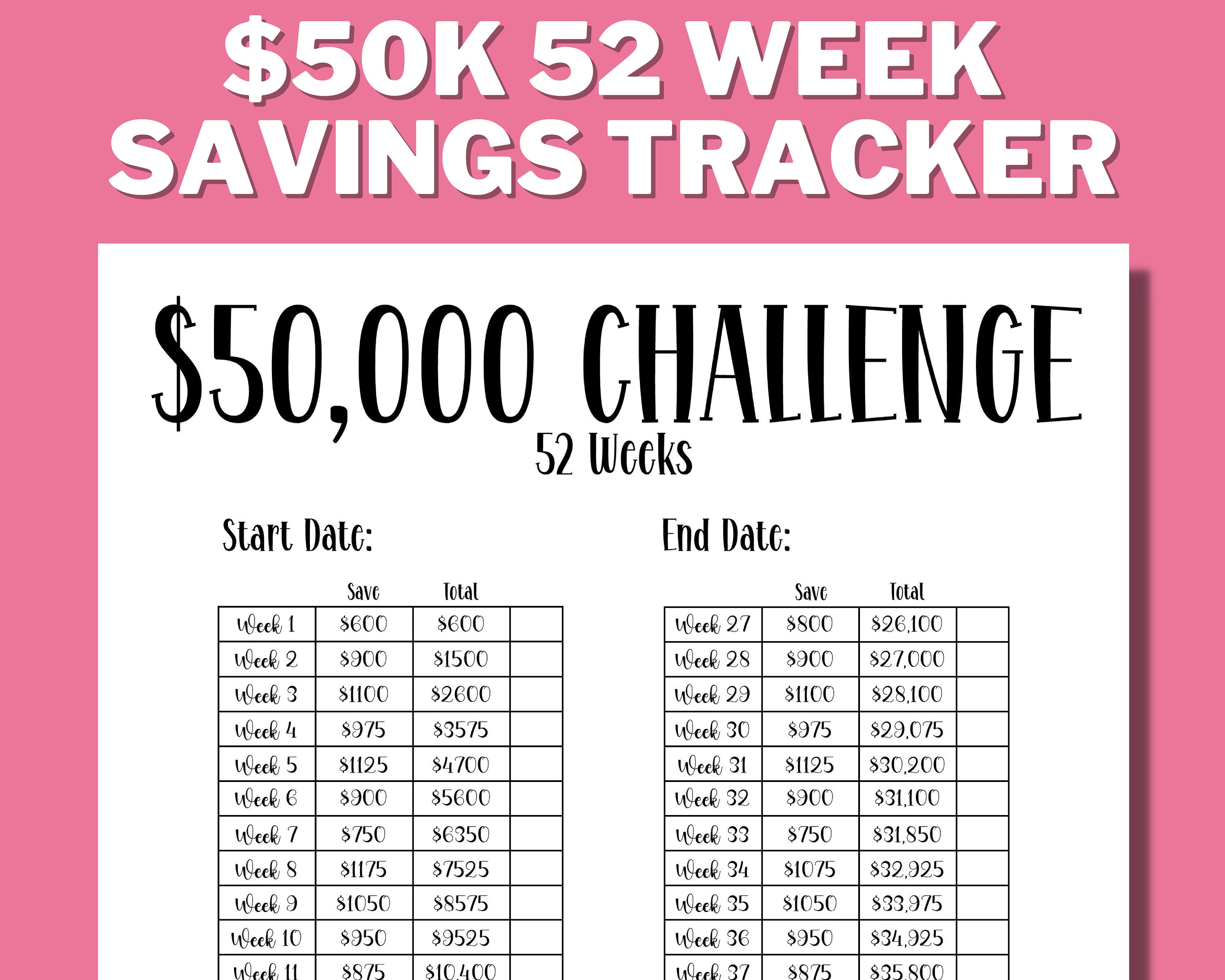
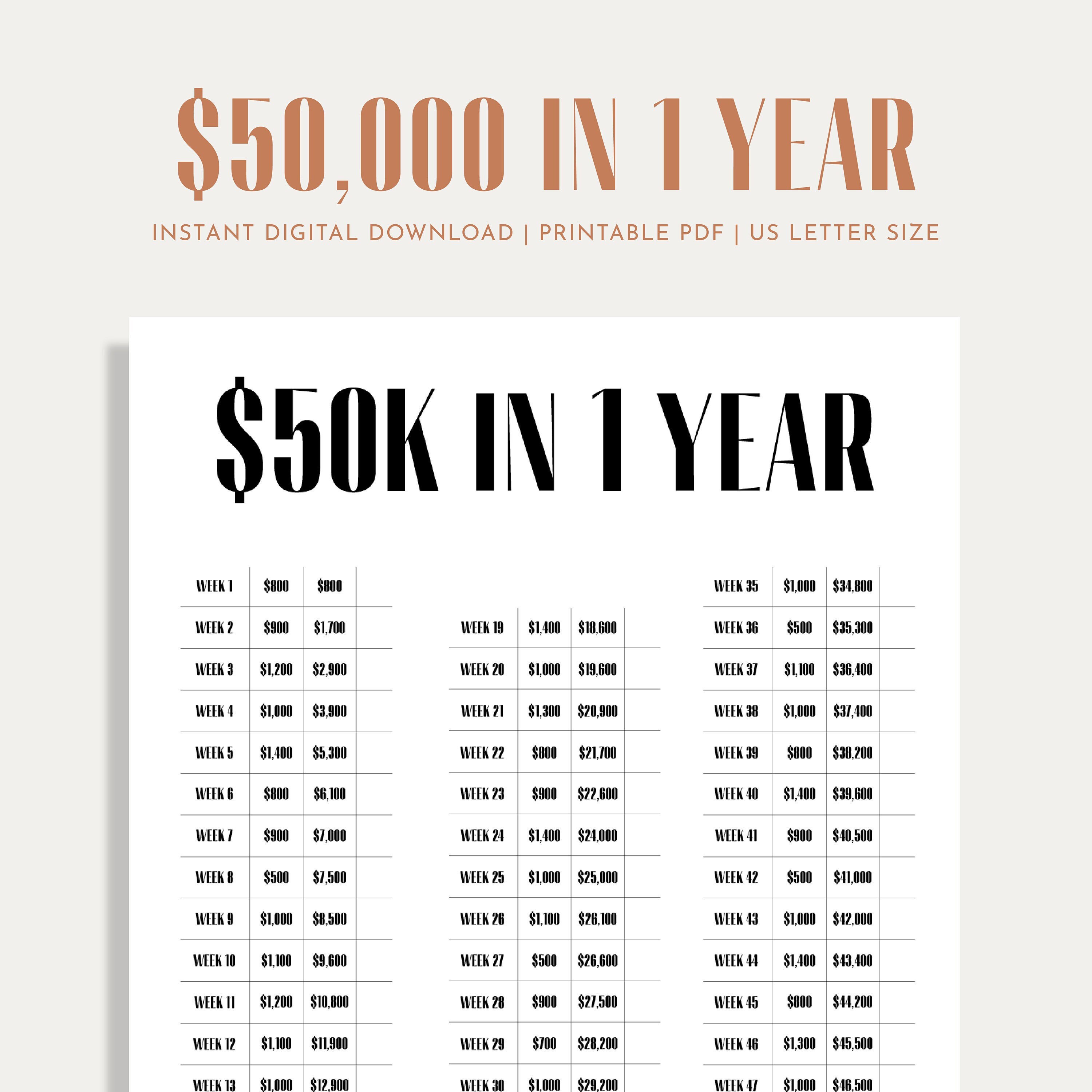
Weekly Savings Target: $50,000 / 52 weeks = approximately $961.54 per week
-
Monthly Savings Target: $50,000 / 12 months = approximately $4,166.67 per month
Looking at these numbers, the daily target of $137 might seem less daunting than the full $50,000, but the monthly target of over $4,100 reveals the true intensity required. This breakdown immediately highlights the need for robust income streams and stringent expense management. For example, if your current net income is $5,000 per month and your essential expenses are $3,000, you have $2,000 available for savings, leaving a gap of $2,166.67 that needs to be covered through increased income or further expense cuts.
Introducing the 50k Savings Calculator
This is where a dedicated “50k savings calculator” becomes an indispensable tool. Far more than just simple division, a good calculator allows you to input various factors to create a dynamic and personalized savings plan. It can help you visualize the impact of different income levels, expense reductions, and even one-time windfalls.
A sophisticated calculator might allow you to input:
-
Your current monthly income
-
Your current monthly expenses (broken down by category)
-
Any existing savings you can contribute upfront
-
Potential additional income sources (side hustles)
-
Specific target date (12 months in this case)
The calculator then crunches the numbers, showing you precisely how much you need to save each day, week, or month. It can also highlight the deficit if your current income and expense structure won’t meet the goal, thereby indicating where you need to focus your efforts – either earning more or spending less.
Factors Influencing Your Savings Rate
Your ability to hit $50,000 in a year is directly influenced by several key factors:
-
Current Income: The higher your disposable income, the easier it is to allocate funds to savings.
-
Existing Expenses: High fixed costs (rent/mortgage, car payments) or discretionary spending (dining out, entertainment) directly impact your savings capacity.
-
Debt Load: Servicing high-interest debt significantly siphons away funds that could otherwise be saved.
-
Financial Discipline: Your personal commitment to budgeting, tracking, and sticking to your plan is paramount.
-
Unexpected Events: Life happens. An emergency fund or contingency planning can prevent derailment.
Strategic Pillars for Accelerating Your Savings
Achieving $50,000 in a year demands a multi-pronged approach that tackles both sides of the financial equation: increasing income and decreasing expenses.
Income Optimization: Boost Your Earnings
To meet a monthly savings target of over $4,100, many will find that their current primary income alone isn’t sufficient. This necessitates exploring additional avenues to increase your take-home pay.
Side Hustles and Gigs
This is often the quickest way to inject extra cash into your budget. Think about leveraging existing skills or learning new ones. Options include:
-
Freelancing (writing, graphic design, web development, consulting)
-
Gig economy jobs (delivery services, ridesharing, pet sitting, virtual assistant)
-
Selling crafts or services (tutoring, personal training, photography)
-
Monetizing a hobby (blogging, YouTube, podcasting)
The key is to treat your side hustle as a mini-business, with dedicated time and effort. Every dollar earned from a side hustle, especially if it’s new income, can go directly into your savings.
Negotiating Salary Increases
For those in traditional employment, negotiating a raise can significantly boost your income without requiring extra work hours. Research industry standards, highlight your accomplishments, and present a compelling case to your employer. Even a small percentage increase can add up substantially over 12 months.
Passive Income Streams
While often requiring an upfront investment of time or money, passive income can be a powerful long-term strategy. Examples include dividend stocks, rental property income, high-yield savings accounts, creating digital products (e-books, online courses), or affiliate marketing. For a one-year goal, focus on quicker-to-implement streams or optimizing existing assets.
Expense Reduction: Mastering Your Budget
While increasing income is vital, cutting expenses is often more immediate and controllable. This requires a forensic examination of your spending habits and a willingness to make temporary sacrifices.
Tracking and Categorizing Spending
You can’t manage what you don’t measure. Use budgeting apps, spreadsheets, or even a simple notebook to track every dollar spent for at least a month. Categorize everything – housing, food, transportation, entertainment, subscriptions, etc. This will reveal exactly where your money is going and highlight areas of potential waste.
Identifying and Eliminating Non-Essentials
Once you have a clear picture of your spending, ruthlessly identify and eliminate non-essential expenses. This might mean:
-
Cutting subscriptions: Review all recurring payments for streaming services, gym memberships, apps, etc., and cancel those you rarely use.
-
Reducing dining out: Meal prepping, cooking at home, and bringing lunch to work can save hundreds monthly.
-
Optimizing transportation: Carpooling, public transport, or cycling can reduce fuel and maintenance costs.
-
Negotiating bills: Call your internet, cable, and insurance providers to inquire about lower rates or better plans.
-
Pausing discretionary spending: Limit shopping for clothes, gadgets, and non-essential entertainment.
Every dollar saved here directly contributes to your $50k goal.
Automating Savings and Bill Payments
Once you’ve set your monthly savings target using the calculator, automate it. Set up an automatic transfer from your checking account to a dedicated high-yield savings account immediately after each paycheck. “Pay yourself first” is a cornerstone of effective saving. Automate bill payments to avoid late fees, which are unnecessary expenses.
Debt Management: Freeing Up Cash Flow
High-interest debt (credit cards, personal loans) is a major impediment to rapid savings. The interest payments alone can consume a significant portion of your income.
High-Interest Debt Prioritization
Aggressively pay down high-interest debt first. The money saved on interest payments can then be redirected straight into your savings fund. Consider strategies like the debt snowball or debt avalanche.
Refinancing Options
Explore refinancing high-interest debt into a lower-interest loan. Personal loans with better terms or balance transfer credit cards (with 0% introductory APRs, if managed carefully) can significantly reduce your monthly payments, freeing up cash flow for savings.
Smart Investing (Careful Consideration for Short-Term Goals)
While long-term investing is crucial for wealth building, for a one-year savings goal, aggressive stock market investing carries too much risk. Your primary focus should be on capital preservation and liquidity.
-
High-Yield Savings Accounts (HYSAs): These offer better interest rates than traditional savings accounts while keeping your money liquid and safe.
-
Certificates of Deposit (CDs): For funds you won’t need for a specific period (e.g., 6 or 9 months), CDs can offer slightly higher interest rates than HYSAs, though they come with withdrawal penalties.
-
Money Market Accounts: Another relatively safe, liquid option, often with slightly better rates than standard savings accounts.
The goal is to grow your money modestly without risking the principal you’re working so hard to save.
Leveraging the 50k Savings Calculator: A Practical Tool
The $50k savings calculator isn’t just for initial planning; it’s a dynamic tool that should be used throughout your entire savings journey.
How the Calculator Works (Input, Output, Adjustments)
At its core, the calculator takes your target amount ($50,000) and your target timeframe (12 months) and breaks it down into required daily, weekly, or monthly contributions. More advanced versions allow for:
-
Income input: Your base salary and any projected side hustle income.
-
Expense input: Fixed and variable expenses.
-
One-time contributions: Bonuses, tax refunds, sales of assets.
-
Interest rate assumptions: For your savings account.
The output will clearly show the required savings per period and, critically, any gap between your current financial situation and the goal. This gap is your immediate action item.
Customizing Your Savings Plan with the Calculator
The true power of the calculator lies in its ability to model different scenarios.
-
“What if I cut my dining-out budget by $200 a month?”
-
“How much less do I need to save if I earn an extra $500 from a side hustle?”
-
“If I get a $2,000 tax refund, how does that impact my monthly target?”
By playing with these variables, you can optimize your strategy, finding the most comfortable and sustainable balance between earning more and spending less to meet your $4,166.67 monthly goal. It brings clarity to the impact of every financial decision.
Regular Reviews and Adjustments
Your financial situation isn’t static. Life happens: unexpected expenses, bonuses, job changes. Regularly (monthly, at minimum) revisit your savings calculator. Update your income and expense figures. Are you ahead or behind schedule? If you’re ahead, fantastic! Keep the momentum. If you’re behind, the calculator will highlight the revised daily/weekly/monthly target needed to catch up, allowing you to make proactive adjustments rather than falling too far off track. This continuous feedback loop is crucial for staying accountable and adaptable.
Maintaining Momentum and Overcoming Challenges
Saving $50,000 in a year is a significant undertaking that will test your discipline and resilience. Strategies for maintaining motivation are just as important as the financial tactics themselves.
Building a Support System and Accountability
Share your goal with trusted friends, family, or a mentor. Having an accountability partner can provide encouragement when motivation wanes and gentle nudges when you stray. Consider joining online financial communities where members share tips and celebrate successes.
Celebrating Milestones
Don’t wait until you hit $50,000 to acknowledge your progress. Celebrate smaller milestones—$5,000, $10,000, $25,000. These small victories reinforce positive behavior and provide the psychological boost needed to keep going. Just make sure the celebrations are modest and don’t derail your budget!
Staying Resilient Through Setbacks
There will inevitably be unforeseen expenses or moments of weakness where you overspend. Don’t let a single setback derail your entire plan. Acknowledge it, learn from it, and immediately re-engage with your strategy, making necessary adjustments with your calculator. Resilience is key.
The Long-Term Benefits Beyond $50k
While the immediate goal is $50,000, the process of achieving it builds invaluable financial literacy and discipline. You will develop stronger budgeting skills, a deeper understanding of your spending habits, and an appreciation for the power of intentional saving. These are habits that will serve you well long after you’ve reached your $50,000 target, paving the way for even greater financial success in the future. The $50k goal is not just about the money; it’s about the financial transformation you undergo.
aViewFromTheCave is a participant in the Amazon Services LLC Associates Program, an affiliate advertising program designed to provide a means for sites to earn advertising fees by advertising and linking to Amazon.com. Amazon, the Amazon logo, AmazonSupply, and the AmazonSupply logo are trademarks of Amazon.com, Inc. or its affiliates. As an Amazon Associate we earn affiliate commissions from qualifying purchases.