
In an increasingly complex economic landscape, mastering the art of saving money is not merely a financial discipline but a cornerstone of long-term security, freedom, and prosperity. Whether you’re aiming to build an emergency fund, save for a down payment, plan for retirement, or simply gain better control over your finances, a strategic approach to saving is indispensable. This comprehensive guide will delve into practical methodologies, insightful strategies, and critical considerations for effectively accumulating wealth and achieving your financial aspirations.
Building a Solid Foundation for Savings
Effective saving doesn’t begin with deprivation; it starts with understanding and intentionality. Laying a robust groundwork is crucial for sustainable financial progress.
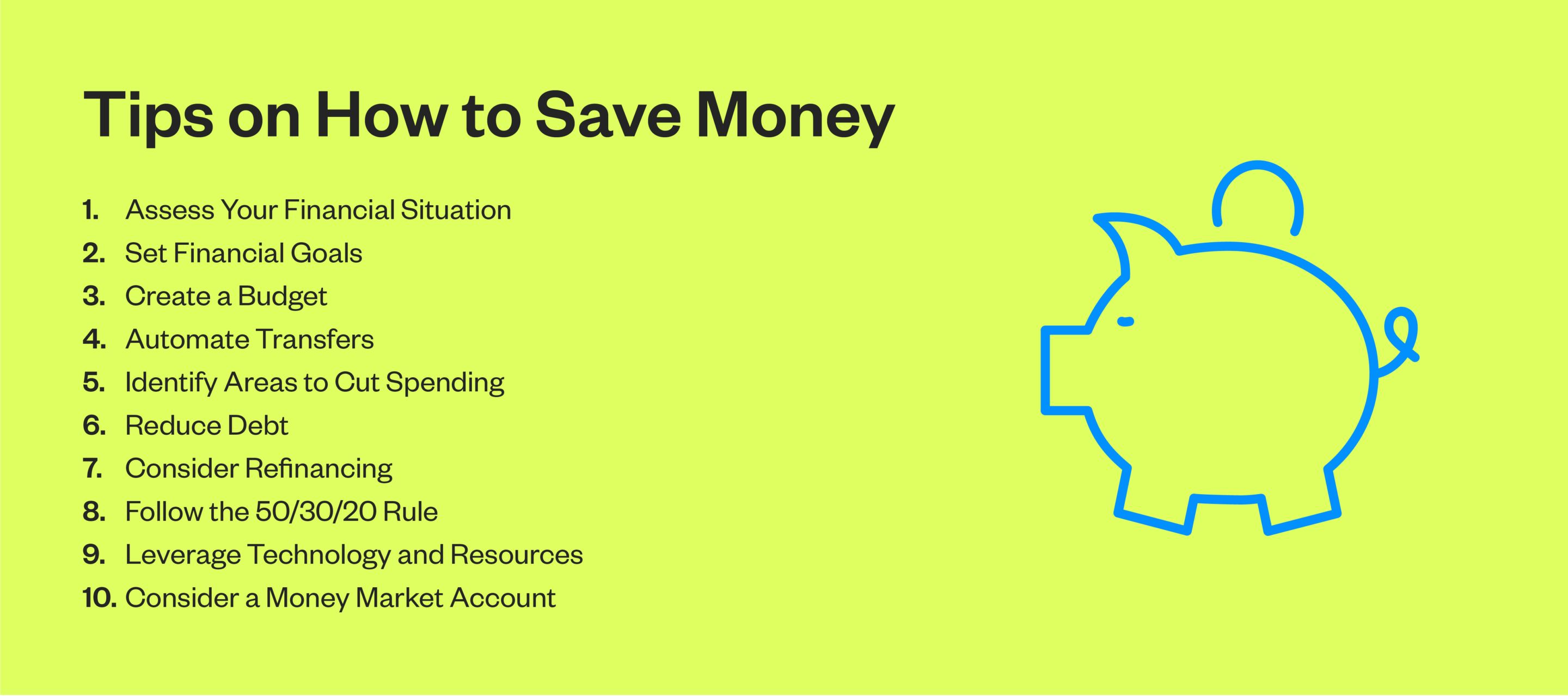
Understanding Your Financial Landscape: Budgeting
The first step in any successful saving journey is to gain absolute clarity on where your money goes. A budget is more than just a ledger; it’s a financial roadmap that illuminates income, expenses, and potential areas for optimization. Start by tracking all your income sources and every single expenditure for at least a month. Categorize these expenses into fixed (rent, mortgage, loan payments) and variable (groceries, entertainment, dining out).
Popular budgeting methods include:
- The 50/30/20 Rule: Allocate 50% of your income to needs, 30% to wants, and 20% to savings and debt repayment. This provides a flexible framework that prioritizes essential expenses while still allowing for discretionary spending and savings.
- Zero-Based Budgeting: Every dollar of your income is assigned a specific job, whether it’s an expense, savings, or debt repayment. This method ensures no money is left unaccounted for and maximizes your savings potential by forcing you to be highly intentional with every dollar.
- Envelope System: A tangible approach where physical cash is divided into envelopes for different spending categories. Once an envelope is empty, spending in that category ceases until the next budgeting period. While less practical for digital transactions, its principles can be adapted using digital tracking tools.
The key is to choose a method that resonates with your personal style and consistently review and adjust it as your income, expenses, and goals evolve.
Setting Clear, Achievable Savings Goals
Saving without a purpose often leads to drift and eventual abandonment. Specific, measurable, achievable, relevant, and time-bound (SMART) goals transform abstract desires into concrete targets. Instead of “I want to save more,” aim for “I will save $10,000 for a down payment on a house within two years by contributing $416 each month.”
Differentiate between short-term, mid-term, and long-term goals:
- Short-term (1-3 years): Emergency fund (3-6 months of living expenses), vacation, new gadget.
- Mid-term (3-10 years): Down payment for a house, car purchase, education fund.
- Long-term (10+ years): Retirement, significant investments, legacy planning.
Breaking down large goals into smaller, manageable chunks makes the process less daunting and provides regular motivation as you hit milestones. Visualize the outcome and remind yourself regularly of the “why” behind your saving efforts.
The Power of Automation
One of the most effective strategies for consistent saving is to automate the process. “Set it and forget it” minimizes the temptation to spend money before it ever reaches your savings account. Configure automatic transfers from your checking account to your savings or investment accounts immediately after your paycheck hits.
Start with a modest amount if necessary, and gradually increase it as your budget allows. Many financial institutions offer tools to schedule these transfers on a weekly, bi-weekly, or monthly basis. Treat your savings contributions as a non-negotiable expense, just like rent or utility bills. This simple discipline ensures you prioritize your financial future before discretionary spending takes precedence.
Strategies for Boosting Your Savings Rate
Once the foundation is established, the next phase involves actively seeking opportunities to enhance your saving capacity.
Cutting Unnecessary Expenses
A meticulous review of your variable expenses often reveals surprising areas where money is leaking. Question every non-essential cost:
- Subscriptions: Audit all recurring subscriptions (streaming services, gym memberships, apps). Cancel those you rarely use or consolidate where possible.
- Dining Out & Takeaway: While enjoyable, these can be significant money sinks. Plan meals, cook at home more often, and pack lunches.
- Impulse Purchases: Implement a “24-hour rule” for non-essential purchases. If you still want it a day later, proceed. Often, the urge passes.
- Transportation: Explore carpooling, public transport, cycling, or walking. If you own a car, look for ways to reduce fuel consumption or insurance costs.
- Entertainment: Seek out free or low-cost entertainment options like parks, libraries, free community events, or home-based hobbies.
Be ruthless but realistic. The goal isn’t to eliminate all joy from your life, but to reallocate funds from less valuable expenditures to those that align with your long-term goals.
Smart Shopping and Negotiation
Saving doesn’t just happen at home; it extends to how you shop and interact with service providers.
- Comparison Shopping: Before any significant purchase, compare prices from multiple retailers, both online and offline. Use price-tracking tools to alert you when desired items go on sale.
- Bulk Buying: For non-perishable goods and household staples, buying in bulk can often lead to substantial savings per unit. Ensure you have storage space and will genuinely use the quantity.
- Sales Cycles & Coupons: Learn when items typically go on sale (e.g., electronics after new models release, seasonal clothing). Utilize coupons, loyalty programs, and cashback apps.
- Negotiation: Don’t hesitate to negotiate. This applies to everything from utility bills and insurance premiums to credit card interest rates and even large purchases like cars or homes. A simple phone call can often result in better rates or discounts.
- DIY Where Possible: Learn basic repairs, home maintenance, or even personal services like haircuts if you’re comfortable. The internet offers countless tutorials for almost anything.

Increasing Your Income Streams
While cutting expenses is vital, increasing your income directly amplifies your saving capacity without necessitating further cuts.
- Salary Negotiation: Periodically review your compensation. If you’ve gained new skills or responsibilities, research industry benchmarks and confidently negotiate for a higher salary.
- Side Hustles: Explore opportunities to leverage your skills or hobbies outside your primary job. This could include freelancing, consulting, tutoring, pet-sitting, driving for ride-sharing services, or selling crafts online. Even a few extra hundred dollars a month can significantly accelerate your savings goals.
- Monetize Assets: Consider renting out a spare room on Airbnb, selling unused items on online marketplaces, or even renting out your car for short periods.
- Investing in Skills: Take courses or certifications that enhance your professional value, potentially leading to promotions or higher-paying job opportunities.
The combined effect of reduced spending and increased income creates a powerful positive feedback loop for your savings.
Optimizing Your Savings for Growth and Security
Saving money is only half the battle; ensuring it works as hard as possible for you is equally crucial.
Choosing the Right Savings Vehicles
Where you store your money matters, as different accounts offer varying levels of accessibility, interest rates, and tax benefits.
- High-Yield Savings Accounts (HYSAs): For short-term goals and emergency funds, HYSAs offer significantly higher interest rates than traditional savings accounts, ensuring your money grows modestly while remaining liquid and secure. Look for FDIC-insured institutions.
- Certificates of Deposit (CDs): If you can lock up your money for a specific period (e.g., 6 months to 5 years), CDs often provide even higher interest rates than HYSAs. The trade-off is limited access to your funds without penalty.
- Money Market Accounts (MMAs): These offer a hybrid of savings and checking account features, often with higher interest rates than basic savings accounts and limited check-writing privileges.
- Tax-Advantaged Retirement Accounts: For long-term goals like retirement, accounts such as 401(k)s, IRAs (Traditional or Roth), and HSAs (Health Savings Accounts) offer significant tax benefits, allowing your money to grow more efficiently. Maximize contributions to these, especially if your employer offers a 401(k) match, which is essentially free money.
The Role of Emergency Funds
An emergency fund is your financial safety net, designed to cover unexpected expenses without derailing your long-term financial plan or forcing you into debt. It’s distinct from other savings goals. Aim for at least 3-6 months’ worth of essential living expenses, stored in a liquid, accessible account like a high-yield savings account.
This fund protects you against job loss, medical emergencies, unforeseen home repairs, or car troubles. Without it, a single unexpected event can lead to a domino effect of debt and stress. Prioritizing the establishment and replenishment of your emergency fund is non-negotiable for true financial security.
Investing for Long-Term Wealth Accumulation
While savings accounts are crucial for liquidity and short-term goals, they rarely outpace inflation over the long run. To truly build wealth, you must invest. Investing means putting your money into assets that have the potential to grow over time.
- Diversification: Spread your investments across different asset classes (stocks, bonds, real estate, mutual funds, ETFs) to mitigate risk.
- Risk Tolerance: Understand your personal comfort level with risk. Younger investors with longer time horizons can generally tolerate more risk, while those closer to retirement might opt for more conservative portfolios.
- Start Early: Compounding interest is a powerful force. The earlier you start investing, the more time your money has to grow exponentially.
- Professional Guidance: Consider consulting a qualified financial advisor who can help you develop a personalized investment strategy aligned with your goals, risk tolerance, and time horizon. They can also assist with portfolio management and tax planning.
- Dollar-Cost Averaging: Invest a fixed amount regularly, regardless of market fluctuations. This strategy helps reduce the impact of volatility by averaging out your purchase price over time.
Overcoming Common Savings Obstacles
The path to financial mastery is rarely linear. Recognizing and addressing common hurdles is key to sustained success.
Battling Lifestyle Creep
Lifestyle creep, also known as lifestyle inflation, occurs when your spending increases in proportion to your income. As you earn more, you might be tempted to upgrade your car, move to a larger home, or spend more on luxuries. While enjoying the fruits of your labor is important, unchecked lifestyle creep can negate any gains from increased income, leaving you with little to no additional savings. Consciously resist the urge to immediately upgrade your lifestyle with every pay raise or bonus. Instead, allocate a significant portion of that extra income directly to savings or investments.
Managing Debt Wisely
High-interest debt, such as credit card debt or personal loans, can severely impede your ability to save. The interest payments consume a significant portion of your income that could otherwise be directed towards savings.
- Prioritize High-Interest Debt: Develop a strategy to tackle high-interest debt aggressively. Methods like the “debt snowball” (paying off smallest balances first for psychological wins) or “debt avalanche” (paying off highest interest rates first to save money) can be effective.
- Avoid New Debt: Make a concerted effort to avoid taking on new high-interest debt.
- Consolidate or Refinance: Explore options to consolidate multiple debts into a single, lower-interest loan or refinance existing loans to reduce your monthly payments and overall interest burden.
Freeing yourself from the burden of debt is one of the most powerful ways to unlock your savings potential.

Staying Motivated and Resilient
Saving is a marathon, not a sprint. There will be setbacks, unexpected expenses, and moments of discouragement.
- Regular Review and Adjustment: Periodically review your budget, goals, and progress. Celebrate milestones, no matter how small, to maintain momentum.
- Find Your Community: Engage with financial communities, forums, or trusted friends who share similar goals. Peer support and accountability can be incredibly motivating.
- Educate Yourself Continually: Stay informed about personal finance strategies, economic trends, and investment opportunities. Knowledge empowers better decision-making.
- Be Kind to Yourself: Don’t let perfection be the enemy of good. If you overspend one month, analyze why and adjust for the next. The goal is consistent progress, not flawless execution.
By implementing these strategies and maintaining a disciplined yet flexible approach, you can transform your financial habits, build substantial wealth, and achieve true financial peace of mind. The journey to effective saving is empowering, laying the groundwork for a secure and prosperous future.
aViewFromTheCave is a participant in the Amazon Services LLC Associates Program, an affiliate advertising program designed to provide a means for sites to earn advertising fees by advertising and linking to Amazon.com. Amazon, the Amazon logo, AmazonSupply, and the AmazonSupply logo are trademarks of Amazon.com, Inc. or its affiliates. As an Amazon Associate we earn affiliate commissions from qualifying purchases.