
In an era dominated by instantaneous digital transfers, one-tap mobile payments, and decentralized finance, the humble paper check often feels like a relic of a bygone financial age. However, for millions of Chase customers, the paper check remains an indispensable tool for navigating specific sectors of the American economy. Whether you are paying a contractor, settling a real estate closing, or dealing with government agencies that have yet to modernize their payment portals, knowing how to efficiently request and manage your Chase checkbook is a fundamental skill in personal and business finance.
Chase, as one of the “Big Four” banks in the United States, provides a streamlined process for obtaining checks, but the costs, methods, and security implications vary significantly depending on your account type and your specific financial needs. This guide provides an exhaustive look at how to request checks from Chase, the strategic reasons for doing so, and how to manage the associated costs within your broader financial plan.
Navigating the Digital Interface: Methods for Ordering Chase Checks
The transition to digital banking has allowed Chase to integrate check ordering directly into their mobile and desktop platforms. Most users will find the digital route to be the most efficient, though traditional methods remain available for those who prefer human interaction or have complex business requirements.
Ordering via the Chase Mobile App
The Chase Mobile® app is the most convenient tool for most personal banking tasks. To order checks through the app, follow these steps:
-
Log in to your account.
-
Tap on the specific checking account for which you need checks.
-
Scroll down to the “Account services” section.
-
Select “Order checks.”
-
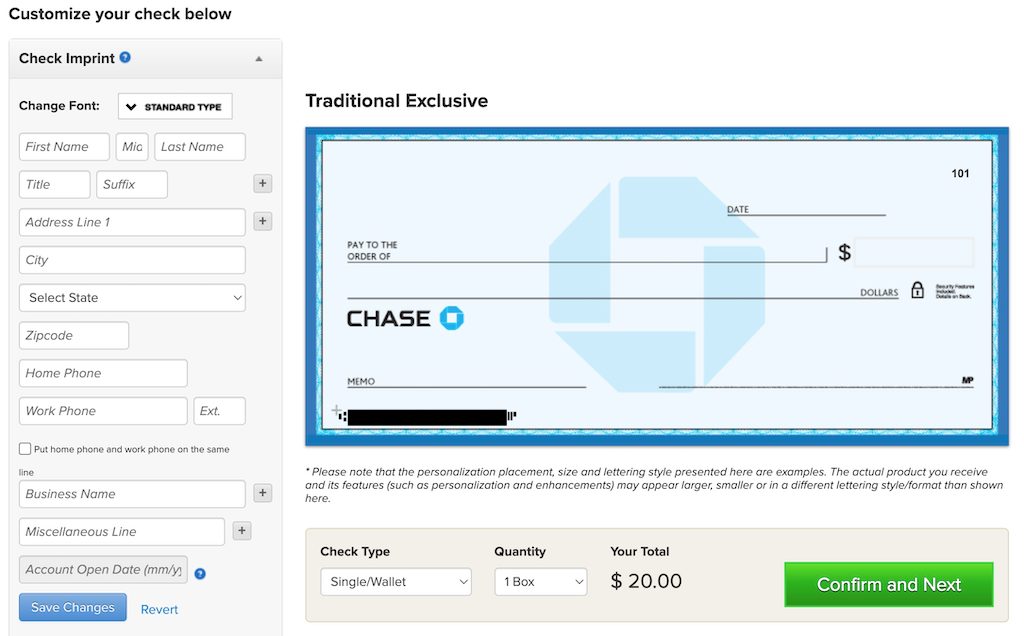
You will be redirected to the website of Chase’s preferred check partner, Deluxe. From here, you can select the style, quantity, and design of your checks.
Ordering via Chase Online
For those who prefer a desktop view for better visibility of customization options, the online portal offers a similar workflow:
-
Sign in to Chase.com.
-
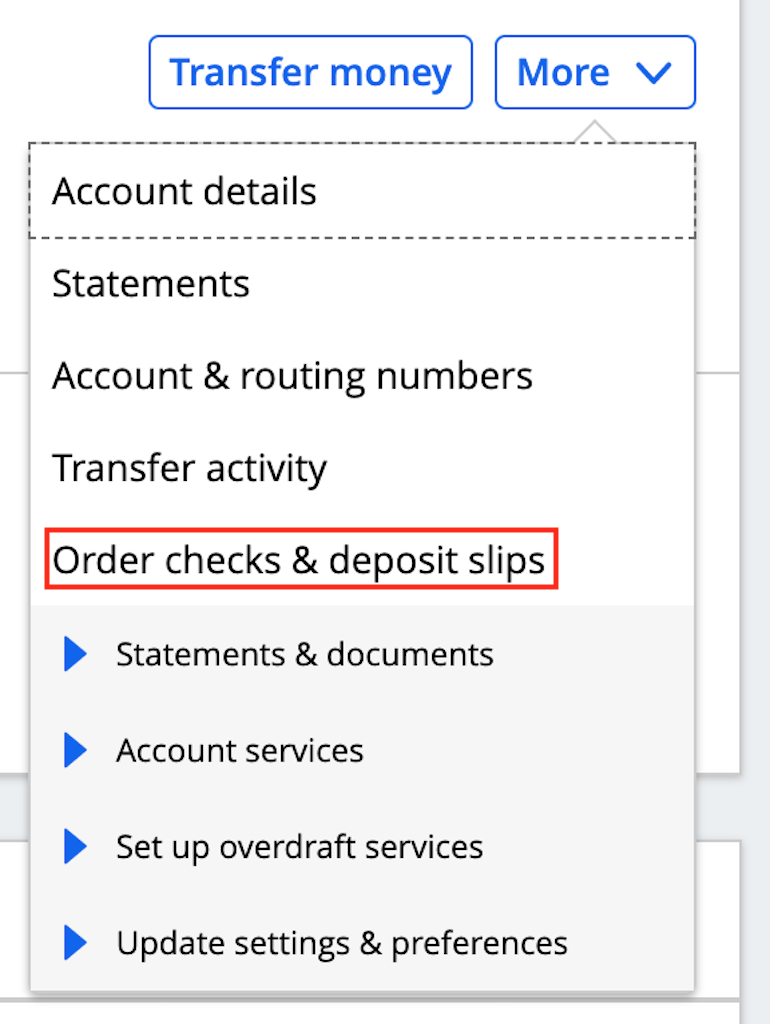
Navigate to the “Checking” account overview.
-
Click on the “More…” menu or look for “Account services.”
-
Select “Order checks.”
-
Confirm your shipping address and account details before being transferred to the fulfillment site to finalize your selection.
Requesting Checks at a Physical Branch
While digital ordering is faster, visiting a Chase branch remains a viable option, particularly if you are opening a new account or if you have a premium tier of banking that provides specialized service. A personal banker can assist you in selecting the correct check format—especially important for business owners who may require “three-to-a-page” ledger checks or high-security business checks that include holograms and watermarks.
Understanding the Cost Structure: Fees and Free Options
One of the most critical aspects of personal finance is fee mitigation. When requesting checks from Chase, the price you pay is largely determined by the type of checking account you hold. Understanding these tiers can save you significant amounts over the life of your account.
Chase Total Checking®
This is the most common account tier. For Total Checking customers, paper checks are generally not free. You will be charged based on the style and quantity you select through Deluxe. Standard packs of 100 checks typically range from $20 to $35, depending on the design and shipping speed.
Chase Premier Plus Checking℠ and Chase Sapphire℠ Banking
For those in the mid-to-high tiers of Chase’s consumer banking ecosystem, one of the primary perks is the elimination of “nuisance fees.”
-
Premier Plus: Customers often receive standard Chase design checks at no extra charge.
-
Sapphire Banking: This tier offers significantly more perks, including free personal checks of any style offered through the standard portal.
Chase Business Complete Banking®
Business owners have different needs. While the basic business accounts may charge for checks, higher-tier business accounts often include a “starter kit” or discounts on bulk orders. It is important to note that business checks are more expensive than personal ones because they often include additional security features and are designed to be compatible with accounting software like QuickBooks or Xero.
Security and Customization: Ordering from Third-Party Vendors
While Chase directs all its customers to Deluxe for fulfillment, it is a common misconception that you must order through the bank. As long as you have your routing number and account number, you can order checks from various third-party vendors. However, there are strategic financial and security considerations to weigh before doing so.
The Advantage of Third-Party Vendors
Third-party printers often offer a wider variety of aesthetic designs and, more importantly, lower price points. If you are a high-volume check user for a side hustle or a small business, sourcing your checks from an external vendor can reduce your overhead costs by up to 50%.
The Risks of Non-Bank Fulfillment
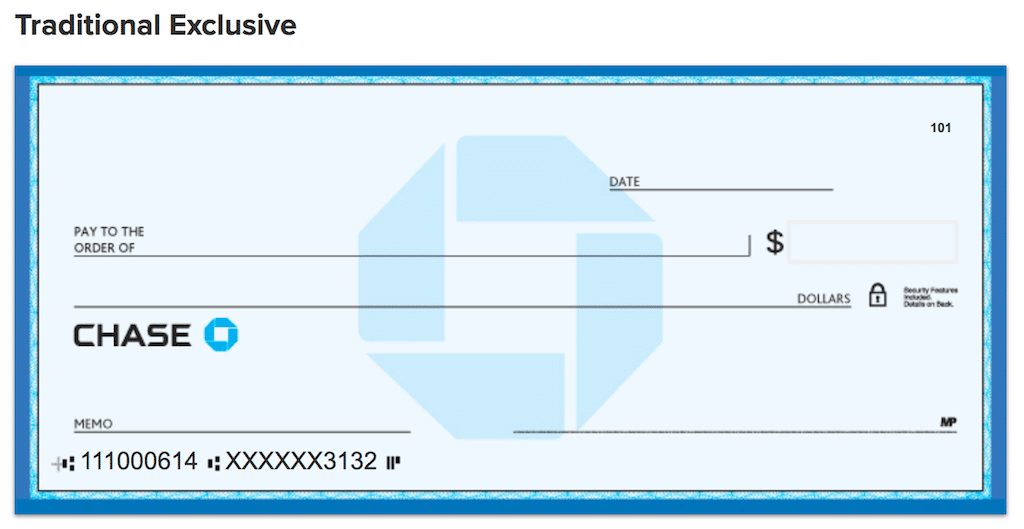
The primary risk of ordering outside of the Chase/Deluxe ecosystem is the potential for errors in the MICR (Magnetic Ink Character Recognition) line. The MICR line is the string of numbers at the bottom of the check printed in specialized ink that allows sorting machines to read the data. If a third-party printer uses inferior ink or misaligns the numbers, your checks may be rejected by other financial institutions, leading to returned check fees and damaged professional relationships. Furthermore, ordering from unknown websites increases the risk of sensitive financial data (your account and routing numbers) being compromised.
Strategic Use Cases for Physical Checks in a Digital Economy
If digital tools are so prevalent, why should a savvy financial manager keep a checkbook at the ready? There are several strategic reasons why physical checks remain a vital component of a comprehensive financial toolkit.
Large-Scale Transactions and Real Estate
In many jurisdictions, high-value transactions—such as a down payment on a home or the purchase of a vehicle—cannot be completed via a standard debit card due to daily spending limits. While wire transfers are common, they often incur fees ($25–$35). A physical check, or more specifically, a Chase Cashier’s Check, provides a documented, secure way to move large sums without the friction of digital limits.
Avoiding “Convenience” Fees
Many utility companies and government agencies charge a “convenience fee” (often 2% to 3%) for processing credit or debit card payments. On a $2,000 property tax bill, that fee could be $60. Mailing a paper check costs only the price of a stamp and the check itself, making it the most cost-effective way to handle large recurring obligations.
Record Keeping and Auditing
For business owners, a physical check provides a tangible paper trail. Even though digital images are available in the Chase app, the act of writing a memo on a physical check and filing the carbon copy provides an immediate, offline record of expenditure. This is particularly useful during tax season or in the event of an IRS audit, where clear documentation of business expenses is required.
Maximizing Security and Preventing Check Fraud
The primary downside to physical checks is the risk of fraud. “Check washing”—a process where criminals use chemicals to erase the payee and amount on a stolen check—is a growing concern. When you request and use checks from Chase, you must implement modern security protocols.
Using Security Pens
Always write checks using a gel pen with “unerasable” ink (such as a Uni-ball Signo). These inks contain pigments that bond with the paper fibers, making it nearly impossible for fraudsters to “wash” the check without destroying the paper itself.
Positive Pay for Business Owners
If you are an entrepreneur requesting business checks, ask your Chase representative about “Positive Pay.” This is a fraud-prevention service where you provide Chase with a list of the checks you have issued. When a check is presented for payment, Chase compares it against your list. If the details don’t match, the bank flags it for your review before the funds are released.
Proper Disposal of Old Checks
When you reorder checks or close an account, never simply throw away your old checkbooks. Use a cross-cut shredder to destroy any document that contains your account and routing numbers. Financial security is as much about what you destroy as it is about what you protect.
Conclusion: Balancing Tradition and Innovation
Requesting checks from Chase is more than just a clerical task; it is an integration of traditional financial stability with modern banking convenience. By understanding the digital ordering process, identifying the most cost-effective account tiers, and maintaining a high level of security, you can ensure that your financial operations remain seamless. Whether you are managing personal household expenses or the payroll of a growing enterprise, the paper check remains a powerful instrument of trust and liquidity in the American financial landscape. Proper management of this tool ensures that you are prepared for any transaction, regardless of whether the recipient is a high-tech vendor or a traditional service provider.
aViewFromTheCave is a participant in the Amazon Services LLC Associates Program, an affiliate advertising program designed to provide a means for sites to earn advertising fees by advertising and linking to Amazon.com. Amazon, the Amazon logo, AmazonSupply, and the AmazonSupply logo are trademarks of Amazon.com, Inc. or its affiliates. As an Amazon Associate we earn affiliate commissions from qualifying purchases.