
In an era where personal finance acumen is paramount, understanding how to effectively leverage every asset at your disposal is crucial. For many frequent travelers and diligent credit card users, airline miles represent a significant, often underutilized, financial asset. American Airlines AAdvantage program, one of the largest and oldest loyalty schemes, holds millions of these “currency units” for its members. Redeeming these miles isn’t merely about booking a flight; it’s a strategic financial decision that can save thousands of dollars, unlock premium travel experiences otherwise out of reach, or contribute significantly to one’s personal travel budget. This guide delves into the astute financial strategies behind maximizing the value of your AAdvantage miles, transforming them from a mere perk into a powerful component of your financial planning.
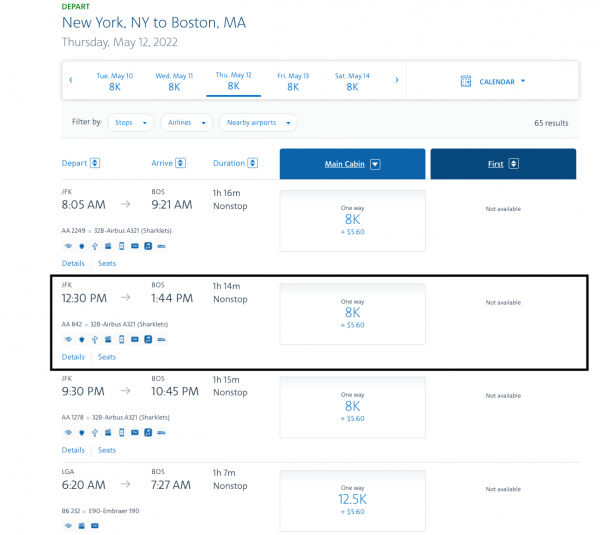
The value of an AAdvantage mile is not fixed; it fluctuates based on how and when it’s redeemed. Savvy financial planning dictates that you aim for the highest possible return on investment (ROI) for these miles, often measured in “cents per mile” (CPM). A common redemption might yield 1.0-1.5 CPM, while a truly optimized redemption for international business or first class could reach 5 CPM or more. Our objective here is to equip you with the knowledge to consistently achieve the latter, treating your miles with the same financial diligence you would any other investment.
Understanding the Financial Landscape of AAdvantage Redemptions
Before diving into the mechanics of redemption, it’s essential to grasp the underlying financial structure of the AAdvantage program. This understanding forms the bedrock for making fiscally responsible decisions regarding your mile balance.
The Dynamics of Mile Valuation
Unlike cash, which has a stable purchasing power (barring inflation), the value of an AAdvantage mile is highly variable. American Airlines employs a dynamic pricing model for many of its award flights, particularly for its own metal flights. This means that the number of miles required for a specific route can change based on demand, time of year, route popularity, and class of service, much like cash fares fluctuate.
- MileSAAver vs. AAnytime Awards: Historically, AAdvantage offered fixed award charts with MileSAAver (lower miles, limited availability) and AAnytime (higher miles, greater availability) tiers. While American Airlines has largely moved away from published award charts for its own flights, these concepts still implicitly exist. Financial prudence dictates prioritizing redemptions that align with what would have been MileSAAver levels, as these generally offer the best CPM. AAnytime redemptions, though offering more flexibility, often yield a significantly lower CPM, making them a less financially attractive option unless cash prices are exceptionally high.
- Dynamic Pricing and Its Impact: The shift to dynamic pricing introduces both opportunities and challenges. On one hand, it can sometimes lead to surprisingly low mileage costs during off-peak periods or for less popular routes. On the other hand, peak season or high-demand routes can command exorbitant mileage requirements, effectively devaluing your miles. Constant monitoring and flexibility in travel dates become financial assets in themselves.
Financial Implications of Partner Airline Redemptions
One of the most valuable aspects of the AAdvantage program, from a financial perspective, is its membership in the Oneworld alliance and its extensive list of bilateral airline partners. Redeeming miles on partner airlines often adheres to more traditional award charts, offering more predictable and frequently higher value redemptions, especially for international premium cabins.
- Fixed Award Charts for Partners: Many Oneworld and other partner awards are still priced according to region-based award charts (though American Airlines’ public access to these has become more limited for some regions, tools like British Airways Executive Club can sometimes offer insight). These fixed charts allow for precise financial planning, as you know exactly how many miles a specific journey will cost. This predictability is a key advantage over the dynamic pricing of AA’s own flights.
- Avoiding Fuel Surcharges: A critical financial consideration is the incidence of fuel surcharges. Some partner airlines, notably British Airways and Iberia, levy substantial fuel surcharges on award tickets, which can significantly offset the financial benefit of using miles. Airlines like Cathay Pacific, Japan Airlines (JAL), Qatar Airways, and Qantas generally impose lower or no fuel surcharges when booked through AAdvantage, making them financially superior choices for long-haul international premium cabin travel. Minimizing out-of-pocket cash expenses beyond mandatory government taxes and fees is a cornerstone of smart mile redemption.
Strategic Redemption Pathways: Maximizing Financial Utility
The goal of any redemption should be to maximize the financial utility of your miles. This involves understanding where and how your miles deliver the most substantial savings or value.
Optimizing Flight Redemptions for Monetary Savings
The most common and often most valuable use of AAdvantage miles is for flight tickets. However, not all flight redemptions are created equal from a financial standpoint.
Premium Cabin International Travel
This is widely considered the “sweet spot” for AAdvantage mile redemptions. International business or first-class tickets often cost many thousands of dollars in cash, making the mileage redemption a phenomenal financial saving.
- Significant Cash Value Offset: A round-trip business class ticket from the U.S. to Asia or Europe can easily cost upwards of $5,000-$10,000. Redeeming 120,000-160,000 miles for such a ticket can yield a CPM of 4-8 cents, representing an exceptional return on your mile investment. This financial leverage allows access to travel experiences that might otherwise be prohibitively expensive.
- Partner Airline Advantage: As discussed, partner airlines like JAL, Cathay Pacific, and Qatar Airways often offer superior premium products and lower cash co-pays for taxes/fees, making them financially more attractive than equivalent American Airlines redemptions. Proactive searching on partner airline websites (e.g., British Airways, Qantas) can help identify award availability before booking with AAdvantage.
Domestic and Short-Haul Flights
While less glamorous, domestic flights can offer decent value, particularly for last-minute travel where cash fares are inflated, or for specific routes.
- Tactical Use for High Cash Fares: If a particular domestic flight has a cash price of $400-$600, but only costs 15,000-25,000 miles, the CPM can still be respectable (1.6-2.6 cents). This can be a smart financial move to avoid paying high cash prices for necessary travel.
- Avoiding Low-Value Redemptions: Be wary of using miles for domestic flights that are very cheap in cash (e.g., $100-$150). Redeeming 12,500 miles for such a flight yields a very poor CPM (under 1 cent), representing a suboptimal financial decision. Always compare the mileage cost to the cash cost and calculate the CPM to ensure a financially sound redemption.
Exploring Other Value-Driven Redemption Options
While flights are generally the most financially advantageous use of miles, other options exist, though their financial utility often pales in comparison.
Upgrades
Using miles to upgrade an existing cash ticket can be a decent financial play, especially for long-haul flights where the difference in comfort and service between economy and business class is substantial.
- Cash + Miles Upgrades: American Airlines allows upgrades using miles (and a co-pay in some cases) on eligible fare classes. The financial value here comes from elevating your travel experience for a fraction of the cost of a full premium fare. For example, upgrading an economy ticket that costs $800 to business class, which might otherwise cost $3,000, for 25,000 miles + $350, still represents significant financial leverage.
- Systemwide Upgrades (SWUs): These are granted to elite status members and are extremely valuable. They allow a complimentary one-cabin upgrade on almost any American Airlines flight, regardless of fare class. These represent pure financial value, as they require no mileage or cash co-pay for the upgrade itself.
Non-Flight Redemptions: A Cautious Financial Approach
American Airlines offers miles redemption for car rentals, hotels, Admirals Club memberships, retail gift cards, and even charitable donations. From a strict financial perspective, these generally offer very poor value.
- Low CPM for Hotels/Cars: Redeeming miles for hotels or car rentals almost invariably yields a CPM well below 1 cent, often as low as 0.5 cents. This is a financially inefficient use of a valuable asset. It’s almost always better to pay cash for these services and save your miles for flights.
- Gift Cards and Merchandise: These options consistently offer the lowest CPM, often around 0.5 cents. Using miles for gift cards is akin to selling a valuable asset for a fraction of its potential worth. Unless miles are on the verge of expiring and you have no other use for them, these redemptions should be avoided.
- Admirals Club Membership: While an Admirals Club membership offers comfort and amenities, paying for it with miles usually results in a CPM of around 1 cent. If lounge access is a priority, consider credit cards that offer complimentary membership as a benefit, which can be a more financially astute approach.
Executing Your Redemption: A Step-by-Step Financial Process
Having identified the optimal financial strategies, the next step is to execute the redemption efficiently. This involves utilizing American Airlines’ online tools and, at times, engaging with their customer service.
Navigating the American Airlines Website and App
The primary interface for mile redemption is American Airlines’ official website (aa.com) or its mobile app.
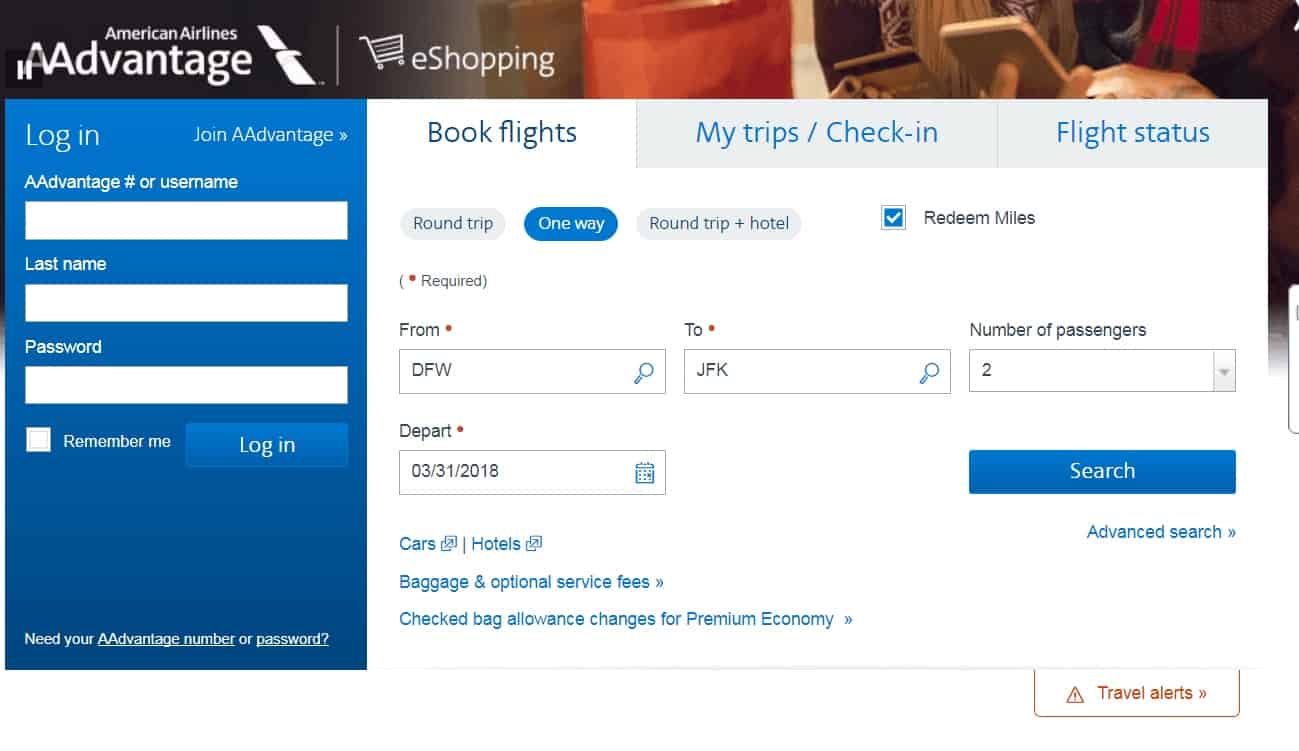
- Log In and Search: Begin by logging into your AAdvantage account. On the flight search interface, select the “Redeem miles” option. Input your origin, destination, dates, and number of passengers.
- Flexibility is Key: The search results will display mileage costs. Crucially, look for the “Calendar” or “Flexible Dates” view. This tool is a financial strategist’s best friend, allowing you to quickly identify dates with lower mileage requirements, potentially saving tens of thousands of miles for your trip.
- Filter and Refine: Use filters to narrow down results by number of stops, airline (especially important for partner flights), and class of service. Prioritize flights operated by partners known for lower surcharges and better premium products for maximum financial value.
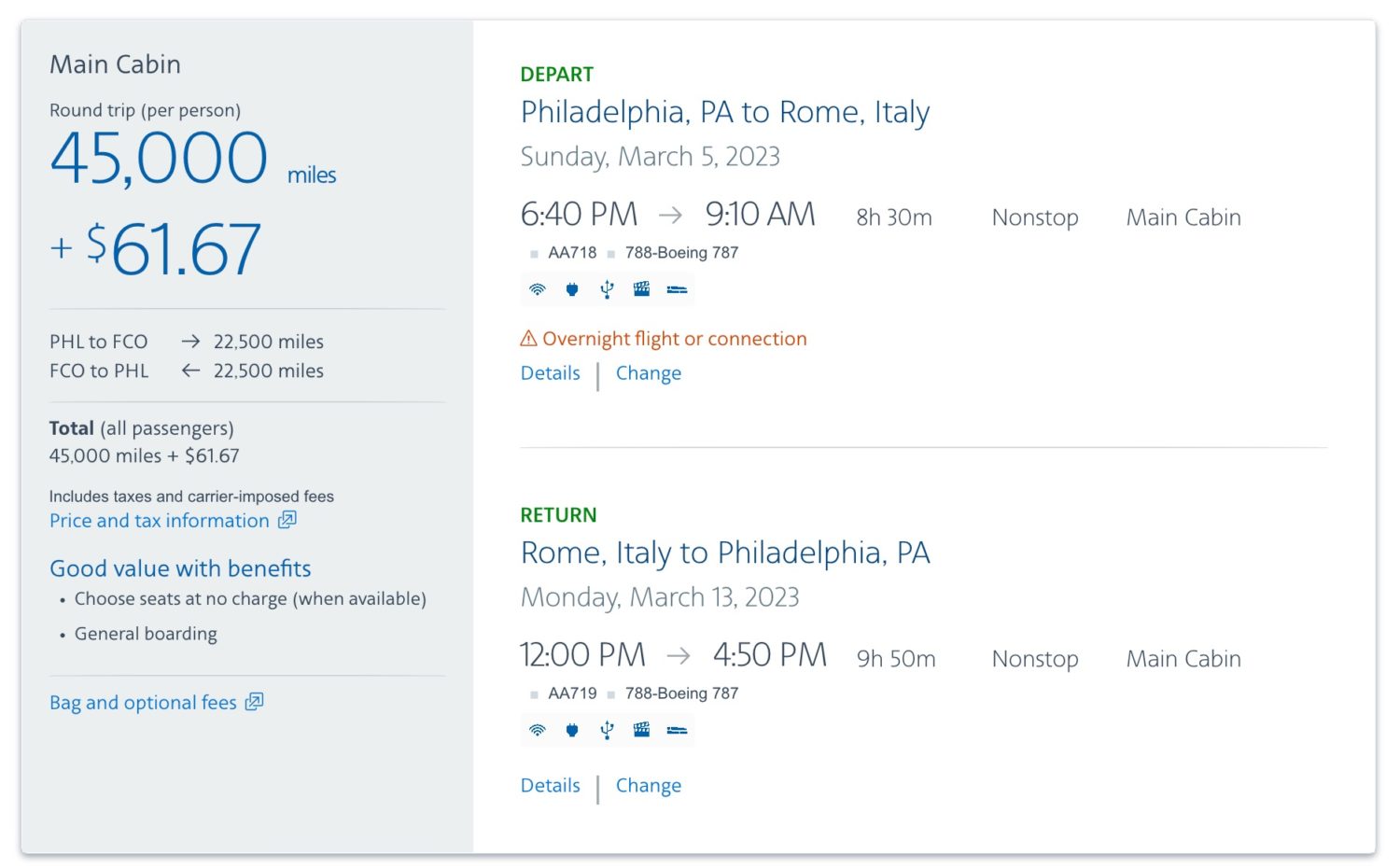
- Review and Book: Once you’ve found a suitable itinerary, carefully review the mileage cost, total taxes and fees (which must be paid in cash), and itinerary details. Ensure you understand the change and cancellation policies, as these have financial implications if plans change.
Leveraging Customer Service for Complex Redemptions
While the online system is robust, some financially advantageous redemptions, particularly those involving complex multi-segment partner itineraries or specific award routing rules, might necessitate a call to AAdvantage customer service.
- “Phantom” Availability and Partner Access: Occasionally, certain partner award availability might not appear online but can be booked over the phone. Agents sometimes have access to a broader inventory or can piece together segments more effectively.
- Holding Awards: In some cases, if you need to confirm other travel arrangements (e.g., a hotel booking or connecting flight on a different airline), an agent might be able to put an award on hold for a limited time. This mitigates the financial risk of booking a non-refundable cash component before confirming the mileage portion. Always inquire about the hold duration and any associated fees.
- Fees for Phone Bookings: Be aware that American Airlines might charge a fee for bookings made over the phone that could have been completed online. If you are calling for a redemption that genuinely cannot be done online, politely inquire if this fee can be waived.
Advanced Financial Strategies and Pitfalls to Avoid
To truly master the financial art of mile redemption, consider these advanced tactics and be vigilant about common pitfalls.
Proactive Monitoring and Strategic Timing
Award availability, especially for high-value premium cabins, is finite and often released far in advance or close to departure.
- Book Early for Premium Value: For the highest value redemptions (e.g., international business/first class on popular routes), aim to book as soon as the award calendar opens, typically 330-360 days out. This gives you the best chance to secure the limited “saver” level awards.
- Last-Minute Gems: Conversely, airlines sometimes release premium award space closer to departure if seats aren’t selling. If you have flexibility, checking 1-2 weeks out, or even a few days before departure, can sometimes yield unexpected opportunities.
- Set Up Alerts: Utilize third-party tools or websites that offer award availability alerts (some for a fee, which can be a worthwhile financial investment if it secures a high-value redemption).
Avoiding Common Financial Traps
Several scenarios can lead to a significant devaluation of your hard-earned miles.
- Excessive Taxes and Fees: Always scrutinize the “taxes and carrier-imposed fees” component of an award ticket. While some taxes are unavoidable, high “carrier-imposed fees” (often synonymous with fuel surcharges) can erode the financial benefit of using miles. Avoid partners like British Airways for long-haul redemptions if high surcharges are present.
- Impulsive Redemptions: Avoid redeeming miles simply because you have them. Always evaluate the cash price of the ticket and calculate your CPM. An impulsive redemption for a low-value flight can cost you thousands of dollars in potential future savings.
- Mile Expiration: American Airlines AAdvantage miles expire after 24 months of inactivity. While easily reset by earning or redeeming even a small number of miles, allowing them to expire is a complete financial loss. Regularly monitor your account activity.
The Opportunity Cost of Miles
Every mile redemption has an opportunity cost. If you use 60,000 miles for a domestic economy round trip worth $400 (0.66 CPM), you’ve forgone the opportunity to use those same 60,000 miles for a one-way international business class flight worth $3,000 (5 CPM). Always consider the alternative uses of your miles before committing to a redemption. This mindset shifts miles from a simple reward to a strategic financial instrument.
Conclusion: Miles as a Dynamic Financial Asset
Redeeming miles on American Airlines is far more than a transactional act; it’s an exercise in personal financial strategy. By understanding the dynamic valuation of miles, strategically choosing between American Airlines and its partners, and prioritizing high-value redemptions like international premium cabins, you can transform your AAdvantage miles into a powerful tool for substantial savings and unparalleled travel experiences. Treat your miles with the diligence and foresight you would any other investment. By calculating cents per mile, avoiding high surcharges, and being flexible with your travel plans, you unlock the true financial potential of the AAdvantage program, making every mile count towards a richer travel life and a smarter financial portfolio.
aViewFromTheCave is a participant in the Amazon Services LLC Associates Program, an affiliate advertising program designed to provide a means for sites to earn advertising fees by advertising and linking to Amazon.com. Amazon, the Amazon logo, AmazonSupply, and the AmazonSupply logo are trademarks of Amazon.com, Inc. or its affiliates. As an Amazon Associate we earn affiliate commissions from qualifying purchases.