
In an increasingly digital world, managing personal finances efficiently is paramount. Payment applications like Venmo have revolutionized how individuals send and receive money, transforming what was once a cumbersome process into a seamless, instantaneous transaction. For many, Venmo has become an indispensable financial tool, simplifying everything from splitting a dinner bill to receiving payments for casual services. However, understanding the intricacies of receiving money safely, efficiently, and with an eye on your broader financial health is crucial. This guide delves into Venmo’s role in personal finance, offering a comprehensive look at how to leverage its features for optimal financial management, secure your transactions, and integrate it effectively into your financial strategy.

Understanding Venmo as a Core Financial Tool
Venmo, at its heart, is more than just a payment app; it’s a financial utility designed to facilitate peer-to-peer transactions. Its intuitive interface and social-media-like feed have made it particularly popular among younger demographics, but its utility extends to anyone seeking a convenient way to manage small-scale financial exchanges. From a financial perspective, Venmo acts as a digital wallet, holding funds that can be used for subsequent payments or transferred to an external bank account. Recognizing its position within the broader financial ecosystem is the first step toward utilizing it wisely.
The Ecosystem of Digital Payments and Venmo’s Role
The digital payments landscape is vast, encompassing everything from traditional bank transfers and credit card payments to newer fintech innovations like cryptocurrency. Venmo carved out its niche by prioritizing speed, ease of use, and a social element, making it ideal for informal financial interactions. Unlike a traditional bank, Venmo is not a bank itself but a licensed money transmitter, offering a convenient layer for moving funds between individuals. Its integration with banks allows users to link their checking accounts or debit cards, effectively bridging the gap between traditional banking infrastructure and the instantaneous nature of digital transactions. For users, this means unparalleled convenience in managing everyday financial needs without the delays often associated with traditional banking methods.
Who Benefits Most from Venmo’s Convenience?
While nearly anyone can find Venmo useful, certain groups derive particular benefits. Individuals who frequently split costs with friends, such as for rent, utilities, or social outings, find it invaluable. Freelancers, small business owners, and those offering casual services (e.g., dog walking, tutoring, selling handmade goods) can use Venmo as an easy way to accept payments without needing a complex POS system. Moreover, parents often use it to send money to college students, and family members use it for gift exchanges or shared expenses. Its low barrier to entry and widespread adoption make it a universally accessible tool for managing a portion of one’s personal finances digitally.
Key Features for Receiving Funds
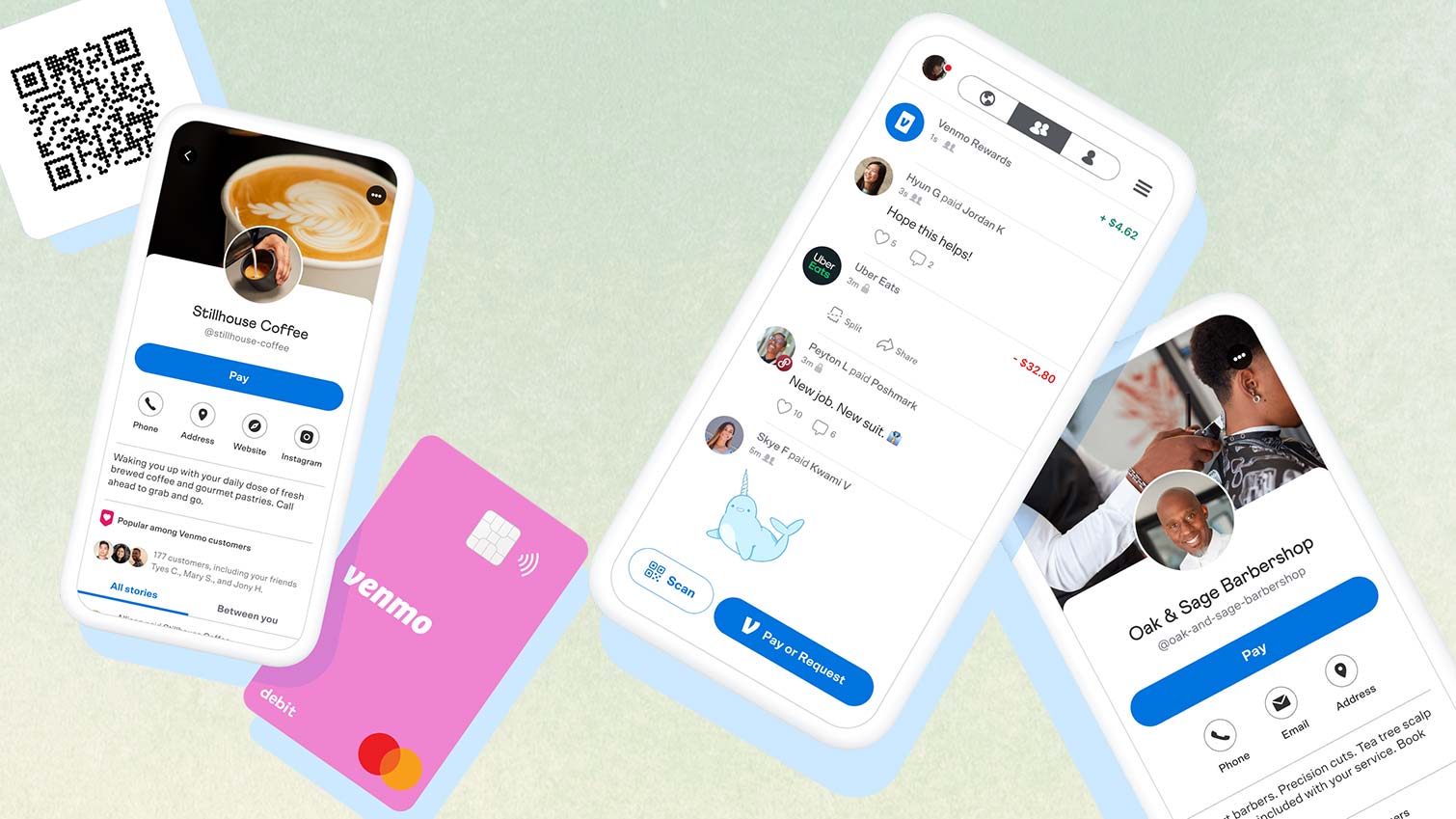
Venmo offers several features that streamline the process of receiving money. The most common method involves a direct payment from another Venmo user, which instantly appears in your Venmo balance. Users can also request money from others, sending a polite reminder for outstanding debts. For those operating a small business or providing services, Venmo offers business profiles and QR codes, which simplify customer payments. These features, combined with the ability to link multiple funding sources and transfer funds out to a bank account, make Venmo a versatile tool for managing incoming cash flows.
Step-by-Step Guide to Receiving Money on Venmo
Successfully receiving money via Venmo is generally straightforward, but understanding each step ensures a smooth transaction and helps you maintain control over your digital funds. From setting up your account to cashing out, each action has financial implications.
Setting Up Your Venmo Account for Receiving Payments
The foundation of receiving money on Venmo is a properly configured account. This involves downloading the app, creating an account with your email or phone number, and verifying your identity. Crucially, you must link a valid bank account or debit card. While funds received initially sit in your Venmo balance, linking an external account is essential for transferring those funds out for use elsewhere. Verifying your identity, often involving your date of birth and the last four digits of your social security number, is a regulatory requirement for larger transaction volumes and also helps secure your account against fraud. This initial setup is a one-time process that lays the groundwork for all future financial activity on the platform.
Receiving Funds from Friends and Family
The simplest way to receive money on Venmo is through a direct payment from another user. When someone sends you money, you will receive a notification, and the funds will immediately appear in your Venmo balance. You can also send a “request” for money. To do this, simply tap the “Pay/Request” button, select the person you wish to request money from, enter the amount, add a note (optional but good for financial record-keeping), and tap “Request.” This method is particularly useful for splitting bills, collecting shared expenses, or reminding someone about a loan. The received funds are then available for use within Venmo or for transfer to your linked bank account.
Accepting Payments from Businesses or for Services
For those using Venmo to receive payments for goods or services, there are specific considerations. While casual payments for friends are straightforward, Venmo has distinct policies for commercial transactions. You can set up a business profile, which offers features like unique QR codes for easy payments and clearer transaction tracking. When someone pays your business profile, the transaction is marked as a “goods and services” payment, which typically involves a seller fee. This fee is a critical financial consideration for businesses, as it impacts profitability. Understanding the distinction between personal and business payments is vital to avoid account issues and ensure proper financial reporting.
Cashing Out Your Venmo Balance
Once you’ve received money on Venmo, you have two primary options: keep the funds in your Venmo balance for future payments or transfer them to a linked bank account. Transferring to a bank account is known as “cashing out.” Venmo offers two transfer options:
- Standard Transfer: This option is free and typically takes 1-3 business days for the funds to appear in your bank account.
- Instant Transfer: For a small fee (usually 1.75% of the transfer amount, with a minimum of $0.25 and a maximum of $25), funds can be transferred almost immediately (within 30 minutes) to a linked debit card or bank account.
Choosing between these options depends on your immediate financial needs. If you need immediate access to funds, the instant transfer, despite the fee, might be worthwhile. Otherwise, the free standard transfer is the more financially prudent choice. Regularly cashing out your balance can also be a good practice for financial security, limiting the amount of funds held solely within the app.
Maximizing Security and Preventing Financial Pitfalls
While Venmo offers incredible convenience, it also presents potential financial risks if not used carefully. Protecting your funds and personal information is paramount. Understanding Venmo’s security features and being vigilant against common scams are non-negotiable aspects of using the platform responsibly.
Best Practices for Secure Transactions
Financial security on Venmo starts with basic cybersecurity hygiene. Always use a strong, unique password and enable two-factor authentication (2FA) for an added layer of protection. Be cautious about the privacy settings on your transactions; while Venmo has a social feed, making payments private can prevent others from seeing your financial activity. Regularly review your transaction history for any unauthorized activity. If you link a debit card, remember that it provides direct access to your bank account, so treat Venmo with the same caution you would any financial institution. Never share your password or personal identification details with anyone, and be wary of requests for sensitive information.
Identifying and Avoiding Common Scams
Unfortunately, the ease of digital payments can also attract fraudsters. Common Venmo scams include:
- Overpayment Scams: A sender “accidentally” sends more money than owed and asks for the difference back. If you return the difference, their original payment might be reversed or discovered to be fraudulent, leaving you out of pocket.
- Fake Customer Support: Scammers impersonate Venmo support via email or text, asking for your login credentials or personal information. Venmo will never ask for your password via email or text.
- “Buyer Protection” Scams: Scammers might claim Venmo offers buyer protection for items not covered by its purchase protection program, enticing you into a risky transaction.
- Unsolicited Payments: Be suspicious of unexpected payments from unknown sources. These can be part of money laundering schemes or attempts to trick you into sending money back.
The best defense is vigilance. Only send or request money from people you know and trust. If a deal seems too good to be true, it likely is. Always verify the identity of the sender before taking any action on unexpected payments.
Understanding Venmo’s Purchase Protection and Fees
For most personal transactions between friends, Venmo does not offer purchase protection. This means if you send money for an item and don’t receive it, Venmo typically won’t help you recover the funds. However, Venmo does offer a “Purchase Protection Program” for eligible payments made to business profiles that are specifically marked for goods and services. Understanding these terms is crucial to managing financial risk. When paying a business, look for the eligible purchase protection option. Similarly, be aware of any fees. While sending and receiving money between friends from a linked bank account or Venmo balance is free, using a credit card to send money incurs a 3% fee, and business transactions incur a seller fee. These fees are direct financial costs that impact your bottom line.
Privacy Settings and Their Financial Implications
Venmo’s social feed allows users to set transactions as “public,” “friends only,” or “private.” While the social aspect can be engaging, public transactions can expose details of your financial life to a wider audience. For most people, setting transactions to “private” by default is a wise financial choice. This protects your privacy and prevents others from gleaning insights into your spending habits or financial inflows. Consider the implications of financial transparency before making any transaction public.
Integrating Venmo into Your Personal Financial Strategy
Beyond simply facilitating payments, Venmo can play a strategic role in your personal financial management. When used thoughtfully, it can contribute to better budgeting, clearer record-keeping, and informed financial decisions.
Tracking Income and Expenses Through Venmo
For many, Venmo transactions represent a segment of their daily financial activity. While Venmo itself isn’t a comprehensive budgeting tool, its transaction history can be a valuable data source. Regularly reviewing your Venmo activity allows you to track specific categories of spending (e.g., dining out, entertainment, shared household expenses) and incoming funds. This data can then be manually inputted into a budgeting spreadsheet or integrated with certain financial planning apps that support Venmo exports. For freelancers, the detailed transaction notes can serve as initial records for invoicing and tax preparation.
When to Use Venmo vs. Other Financial Tools
The decision of when to use Venmo versus other financial tools should be guided by the nature of the transaction and your financial goals.
- Venmo is ideal for: Splitting casual expenses, small peer-to-peer payments, receiving payment for occasional services, and quick transfers to friends/family.
- Consider other tools for: Large transfers (use bank wire transfers or ACH), payments to unknown individuals for significant amounts (use escrows or secure payment platforms with robust buyer/seller protection), recurring bill payments (use automated bank transfers or specific bill pay services), or international transfers (use specialized remittance services).
Understanding these distinctions helps you choose the most secure and cost-effective method for each financial interaction.
Implications for Taxes and Record-Keeping
For those receiving money regularly, especially for goods or services, understanding the tax implications is critical. Payments for personal gifts or shared expenses generally aren’t taxable. However, income received for goods, services, or independent contractor work is taxable. Venmo and other third-party payment networks are required to report payments above certain thresholds to the IRS using Form 1099-K. It’s crucial to maintain accurate records of all incoming funds, categorizing them appropriately (personal vs. business income). Keeping detailed notes on each Venmo transaction can greatly simplify tax season and ensure compliance with financial regulations.
Financial Discipline with Digital Wallets
The ease of digital payments can sometimes lead to reduced financial discipline. The instant gratification of sending or receiving money might make it harder to stick to a budget. Treat your Venmo balance like any other liquid asset in your financial portfolio. Avoid letting large sums sit in the app for extended periods, as Venmo accounts are not FDIC insured in the same way bank accounts are. Regularly transfer funds out to your main bank account, where they are protected and can be better managed within your overall financial plan. Using Venmo as a conduit rather than a primary savings vehicle promotes better financial hygiene.
Troubleshooting and Support for Venmo Transactions
Even with careful use, issues can arise. Knowing how to troubleshoot common problems and access support is crucial for protecting your funds and resolving financial discrepancies.
What to Do If a Payment is Missing or Incorrect
If you’re expecting a payment that hasn’t arrived, first check your Venmo transaction history to ensure it wasn’t sent to an incorrect username or email. Confirm with the sender that they completed the transaction and used the correct details. If a payment amount is incorrect, immediately communicate with the sender to resolve it. Venmo does not automatically reverse payments, so resolving errors often requires cooperation between both parties. If a payment was sent to the wrong person, it’s possible to request they return it, but there’s no guarantee. For more serious issues, especially those involving fraud, contacting Venmo support immediately is essential.
Resolving Disputes and Unauthorized Transactions
Venmo offers a dispute resolution process for certain types of transactions, particularly those eligible for purchase protection. If you notice an unauthorized transaction on your account, report it to Venmo immediately. They will investigate the claim and may be able to reverse fraudulent charges. For disputes between users, particularly for personal payments, Venmo’s involvement is often limited, emphasizing the need for users to engage in transactions with trusted individuals. Documenting all communications and details related to a dispute is vital for any potential resolution.

Contacting Venmo Support for Financial Issues
For any significant financial concern, such as account compromises, fraudulent activity, or unresolvable transaction issues, contacting Venmo’s customer support is the next step. They can be reached via the app’s help center, email, or sometimes phone. When contacting support, be prepared to provide all relevant transaction details, screenshots, and account information. Clear and concise communication will help expedite the resolution process and protect your financial interests.
In conclusion, Venmo stands as a powerful tool in the modern financial landscape, offering unparalleled convenience for receiving and managing money. By understanding its features, adhering to security best practices, integrating it thoughtfully into your personal financial strategy, and knowing how to navigate potential issues, you can harness Venmo’s full potential to optimize your digital finances and maintain robust financial health.
aViewFromTheCave is a participant in the Amazon Services LLC Associates Program, an affiliate advertising program designed to provide a means for sites to earn advertising fees by advertising and linking to Amazon.com. Amazon, the Amazon logo, AmazonSupply, and the AmazonSupply logo are trademarks of Amazon.com, Inc. or its affiliates. As an Amazon Associate we earn affiliate commissions from qualifying purchases.