
In an increasingly digital world, the ability to send and receive money swiftly and securely has become a cornerstone of personal finance. Cash App, developed by Block, Inc., stands out as a prominent mobile payment service that simplifies these transactions for millions. Far more than just a peer-to-peer (P2P) payment application, Cash App has evolved into a versatile financial tool, enabling users to manage their money, invest, and even receive direct deposits. For anyone looking to efficiently manage their personal finances, understanding how to effectively receive money through Cash App is an essential skill. This guide delves into the intricacies of receiving funds, from basic transfers to more advanced financial strategies, all within the robust framework of this popular application.

Understanding Cash App as a Modern Financial Tool
The landscape of personal finance has been dramatically reshaped by technological advancements, with mobile applications playing a pivotal role. Cash App has positioned itself at the forefront of this revolution, offering a suite of financial services designed for convenience and accessibility. Its intuitive interface belies a powerful system that supports various monetary transactions, making it an indispensable tool for many.
The Rise of Peer-to-Peer Payment Platforms
The demand for instant financial transfers between individuals spurred the growth of P2P payment platforms. Traditional banking methods, often hampered by processing times and cumbersome procedures, gave way to the efficiency of apps like Cash App. These platforms democratized financial transactions, allowing users to send and receive money with just a few taps on their smartphones, bypassing many of the traditional banking hurdles. This shift has not only made splitting bills easier but has also enabled small businesses, freelancers, and individuals to conduct rapid, low-cost financial exchanges.
Core Functionalities of Cash App in Personal Finance
While often synonymous with sending money to friends, Cash App offers a broader spectrum of functionalities crucial for comprehensive personal finance management. Beyond P2P transfers, users can link bank accounts and debit cards, order a physical Cash Card for spending, invest in stocks and Bitcoin, and, critically, receive direct deposits for paychecks or government benefits. This integration of multiple financial services into a single app provides a streamlined approach to managing one’s monetary flow, reducing the need to juggle multiple banking platforms or services.
Why Cash App for Receiving Funds?
For individuals and small businesses, Cash App presents several compelling advantages for receiving funds. Its speed is paramount; money transferred often becomes available instantly. The process is remarkably straightforward, requiring minimal setup and offering various methods for recipients to access their funds. Moreover, the integration of investment options and the Cash Card means that received funds aren’t just parked; they can be immediately spent, saved, or grown, providing a dynamic financial experience that caters to modern spending and saving habits.
Step-by-Step Guide to Receiving Money on Cash App
Receiving money through Cash App is designed to be straightforward, but understanding the different avenues and confirming your account readiness can ensure a seamless experience. Whether you’re accepting a payment from a friend or setting up direct deposit for your paycheck, the process is user-friendly.
Setting Up Your Account for Inbound Payments
Before you can receive money, your Cash App account needs to be properly set up. This typically involves downloading the app, creating an account using your phone number or email, and linking a bank account or debit card. While you can receive money without a linked bank account, you’ll need one to transfer funds out of Cash App or to get a Cash Card. Verification, which often includes providing your full name, date of birth, and the last four digits of your Social Security Number, increases your transaction limits and enhances account security, making it easier to receive larger sums.
Accepting Payments from Other Users
The most common way to receive money on Cash App is when another user sends it to you directly. When someone sends you money, it typically lands in your Cash App balance automatically. You’ll receive a notification within the app and via your linked email or phone number. In most cases, there’s no “accept” button; the funds appear instantly. However, for first-time senders or certain transactions, you might be prompted to confirm the payment. It’s always wise to double-check the sender’s identity and the amount before confirming, especially if the transaction seems unusual.
Requesting Money from Others
Cash App also empowers you to proactively request money from others. This feature is particularly useful for splitting bills, collecting payment for goods or services, or reminding someone about a debt. To request money:
- Tap the dollar sign icon (which takes you to the payment screen).
- Enter the amount you wish to request.
- Tap “Request.”
- Select the person(s) from your contacts, or manually enter their
$Cashtag, phone number, or email address. - Add an optional note explaining the request.
- Tap “Request” again to send.
The recipient will receive a notification and can then choose to send you the requested amount. This functionality adds a layer of convenience to managing interpersonal financial obligations.
Direct Deposits: Automating Your Income
One of Cash App’s most significant advantages for personal finance is its ability to facilitate direct deposits. This allows you to receive your paycheck, tax refund, unemployment benefits, or other government payments directly into your Cash App balance, often up to two days earlier than traditional banks. To enable direct deposit:
- Navigate to the “Banking” tab (icon looks like a house or a bank).
- Scroll down to “Direct Deposit.”
- Select “Get Direct Deposit Form” or “Get Account Number.”
You’ll be provided with a unique account and routing number associated with your Cash App account. You then provide these details to your employer or benefits provider, just as you would with a traditional bank account. This feature positions Cash App as a primary banking alternative for many, simplifying income management and access to funds.
Managing and Utilizing Your Received Funds
Receiving money is only the first step; effectively managing and utilizing those funds is where Cash App truly shines as a comprehensive financial tool. From immediate spending to long-term investment, the platform offers diverse options for your balance.
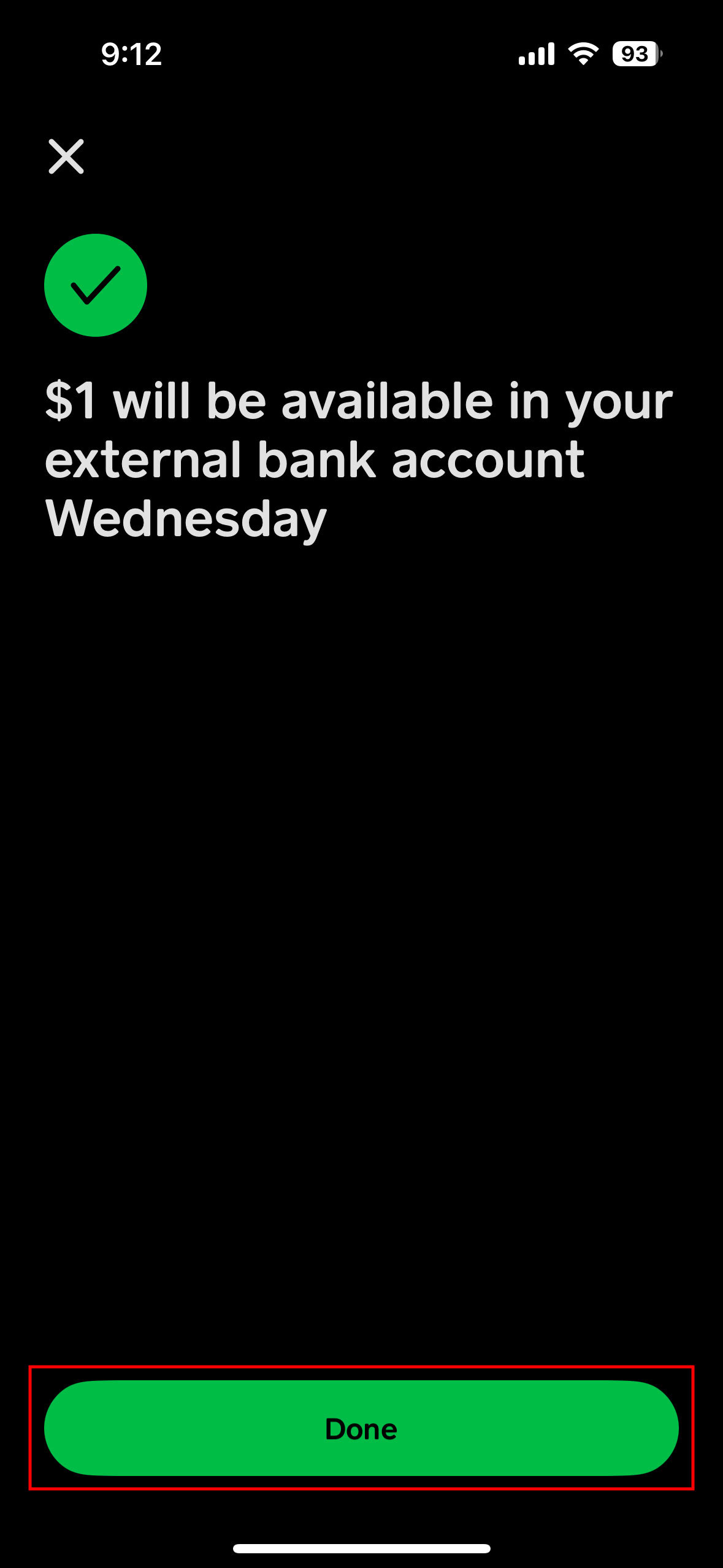
Transferring Funds to Your Bank Account
After receiving money, you have the flexibility to transfer it to your linked bank account. Cash App offers two main transfer options:
- Standard Deposit: This is a free option that typically takes 1-3 business days for funds to appear in your bank account.
- Instant Deposit: For a small fee (usually 0.5% – 1.75% of the transaction amount, with a minimum fee of $0.25), funds are transferred to your linked debit card instantly.
Choosing between these options depends on the urgency of accessing your funds in your traditional bank account. For regular financial planning, the standard deposit often suffices, saving you fees.
Spending with the Cash App Card
The Cash App Card is a free, customizable Visa debit card linked directly to your Cash App balance. It allows you to spend your received funds anywhere Visa is accepted, online or in physical stores. This eliminates the need to transfer money to a separate bank account for everyday purchases, offering unparalleled convenience. Furthermore, the Cash Card comes with “Boosts,” instant discounts at popular retailers and restaurants, providing tangible savings and enhancing its value as a spending tool. Managing the card, including freezing it if lost or stolen, is easily done within the app, adding a layer of security and control.
Investing and Saving Within Cash App
Cash App goes beyond basic transactions by integrating investment capabilities, allowing users to put their received funds to work directly within the app.
- Bitcoin: Users can buy, sell, and send Bitcoin directly from their Cash App balance. This feature makes cryptocurrency accessible to a broader audience, enabling participation in the digital asset market with funds received through the app.
- Stocks: Cash App also allows for commission-free investing in fractional shares of thousands of stocks. This means you can invest as little as $1 into companies you believe in, directly utilizing your Cash App balance without needing a separate brokerage account.
These integrated investment options turn Cash App into a more holistic financial platform, catering to both spending and wealth-building goals.
Tracking Your Transaction History for Financial Planning
Maintaining a clear overview of your financial inflows and outflows is crucial for sound personal finance. Cash App provides a detailed transaction history accessible directly within the app. This record helps users track where their money is coming from, where it’s going, and how much they’ve received over time. This data is invaluable for budgeting, tax preparation, and general financial analysis, allowing users to make informed decisions about their spending and saving habits.
Ensuring Security and Troubleshooting Common Issues
While Cash App offers immense convenience, understanding its security features and knowing how to troubleshoot common issues are paramount to safeguarding your funds and ensuring a smooth experience. Digital financial tools, while powerful, also come with their own set of risks if not used carefully.
Best Practices for Secure Cash App Transactions
Security should always be a top priority when dealing with money. For Cash App users, adhering to best practices is crucial:
- Enable Security Lock: Use a PIN, Touch ID, or Face ID for every transaction.
- Beware of Phishing: Cash App will never ask for your sign-in code, PIN, or full debit card number outside of the app.
- Only Send/Receive from Trusted Individuals: Verify the identity of the person you’re transacting with, especially if it’s a new contact.
- Link a Secure Bank Account: Ensure the bank account linked to your Cash App is secure and regularly monitored.
- Monitor Notifications: Keep an eye on transaction notifications for any unauthorized activity.
By following these guidelines, users can significantly reduce their vulnerability to fraud and ensure their funds are protected.
Recognizing and Avoiding Scams
Unfortunately, the popularity of financial apps also makes them targets for scammers. Common Cash App scams include:
- Fake Customer Support: Scammers impersonate Cash App support to gain access to your account or personal information.
- Giveaway/Lottery Scams: Promises of large sums of money in exchange for a small “processing fee” are usually fraudulent.
- Overpayment Scams: A buyer sends more than the agreed-upon price and asks you to refund the difference, often with stolen funds.
- Investment Scams: Schemes promising guaranteed high returns with little to no risk.
Always be skeptical of unsolicited offers of money and remember that if something seems too good to be true, it probably is. Cash App support is only accessible through the app or their official website.
Addressing Pending or Failed Payments
Occasionally, you might encounter issues where a payment is pending or fails to go through.
- Pending Payments: These often occur if there’s a network issue, a security review, or if the sender’s bank is experiencing delays. Usually, pending payments resolve themselves within a few minutes to a few days. If not, contact Cash App support.
- Failed Payments: Payments can fail due to incorrect card details, insufficient funds, or bank rejections. Ensure all information is correct and the sender has sufficient funds.
Troubleshooting often involves checking internet connectivity, confirming account details, and, if necessary, reaching out to Cash App support through the official in-app channels.
Understanding Transaction Limits and Fees
Cash App implements limits on how much money users can send and receive, particularly for unverified accounts. Initially, you might be limited to receiving $1,000 per 30 days. Verifying your account (providing your full name, DOB, and last 4 digits of SSN) significantly increases these limits, allowing for much larger transactions. While standard deposits to a bank account are free, instant deposits incur a fee. It’s crucial for effective financial planning to be aware of these limits and any associated fees, especially for users who frequently handle larger sums or require immediate access to funds.
Integrating Cash App into Your Personal Financial Ecosystem
The true power of Cash App lies in its potential to integrate seamlessly into and enhance your overall personal financial strategy. Beyond just receiving money, it can become a central hub for various aspects of your financial life.
Cash App for Everyday Transactions and Budgeting
With the Cash Card, received funds can be immediately used for daily expenses, making it an excellent tool for managing a portion of your budget. For instance, you could designate all income from a side hustle to Cash App and use the Cash Card for specific categories of spending, making it easier to track and control those expenses. The transaction history serves as a digital ledger, aiding in budgeting and expense categorization.
Leveraging Cash App for Online Income and Side Hustles
For freelancers, gig workers, and small online businesses, Cash App offers a simple and efficient way to receive payments from clients. Its ease of use and instant nature make it appealing to customers, potentially streamlining payment collection. Coupled with the direct deposit feature, it can become the primary account for managing income generated from side hustles, separating it from personal spending accounts if desired, and simplifying income tracking for tax purposes.
The Future of Digital Payments and Your Finances
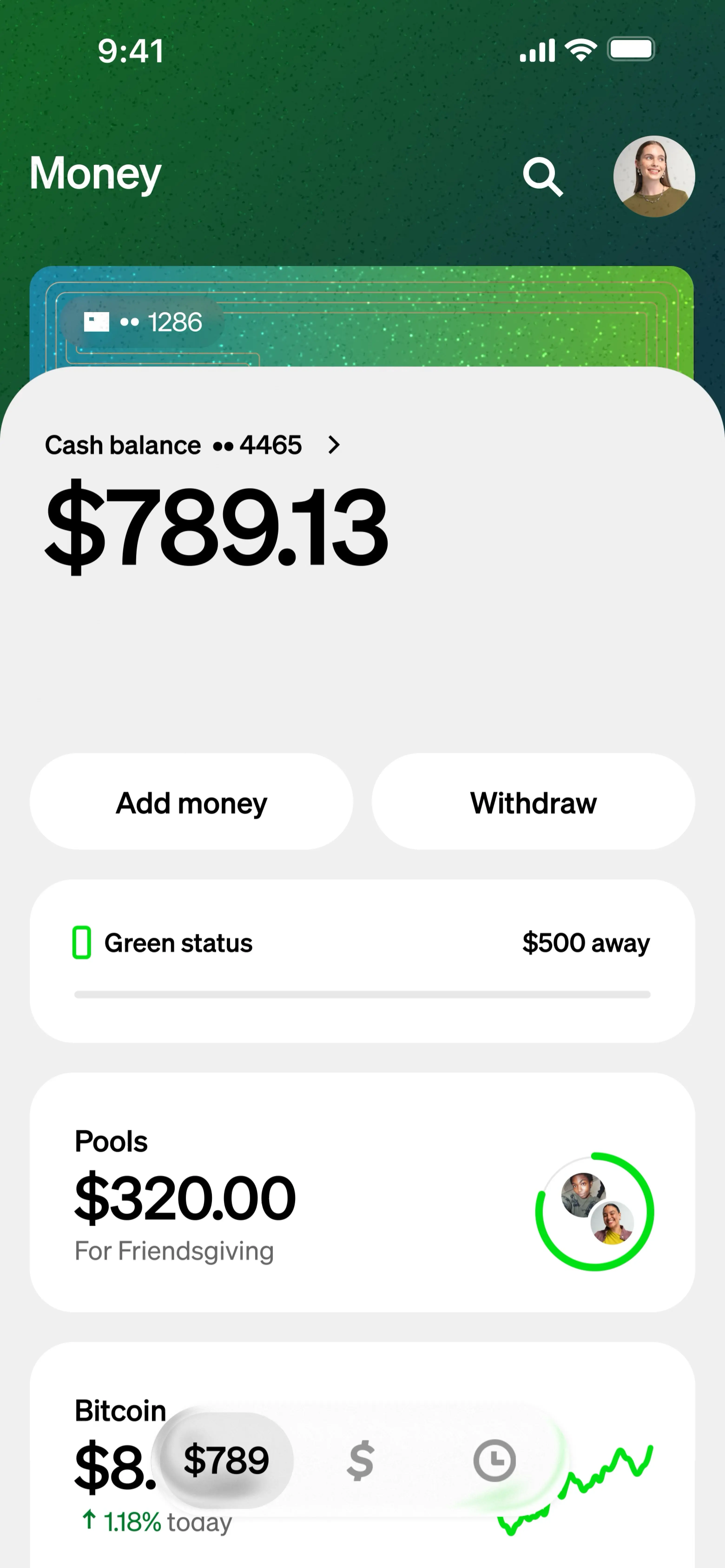
Cash App represents a significant step towards a future where digital platforms provide comprehensive financial services. Its continuous evolution, incorporating features like stock and Bitcoin trading, hints at a future where traditional banking models are complemented, or even challenged, by agile tech companies. For individuals, embracing tools like Cash App means gaining greater control, flexibility, and insight into their financial lives, aligning perfectly with modern demands for speed and convenience in managing personal wealth. As digital payments continue to evolve, understanding and leveraging platforms like Cash App will remain a vital component of informed personal finance.
aViewFromTheCave is a participant in the Amazon Services LLC Associates Program, an affiliate advertising program designed to provide a means for sites to earn advertising fees by advertising and linking to Amazon.com. Amazon, the Amazon logo, AmazonSupply, and the AmazonSupply logo are trademarks of Amazon.com, Inc. or its affiliates. As an Amazon Associate we earn affiliate commissions from qualifying purchases.