
In today’s rapidly evolving financial landscape, digital payment platforms have become indispensable tools for managing personal finances, conducting transactions, and even facilitating income streams. Among these, Cash App stands out as a prominent player, offering a user-friendly interface for sending, spending, saving, and crucially, receiving money. For millions, Cash App isn’t just an application; it’s an integral component of their financial ecosystem, enabling seamless peer-to-peer transfers, direct deposits, and even micro-investing. Understanding how to effectively receive money on this platform is not merely a technical skill but a fundamental aspect of modern personal finance management, ensuring you can harness its full potential to your financial advantage.

This comprehensive guide will demystify the process of receiving funds via Cash App, exploring the various methods, outlining best practices for secure transactions, and offering insights into managing your newly acquired funds. We will delve into the financial implications of using the app, ensuring you are equipped to navigate its features confidently and securely, ultimately empowering you to optimize your financial interactions in the digital age.
The Financial Utility of Cash App: An Overview for Receivers
Cash App, developed by Block, Inc., has revolutionized how individuals interact with their money. It’s more than just a payment app; it’s a comprehensive financial tool that brings banking-like functionalities to your fingertips without the traditional overhead. For those looking to receive money, its convenience and speed are unparalleled, making it a preferred choice for everything from splitting dinner bills to receiving payments for side hustles or even regular paychecks.
What is Cash App and its Role in Personal Finance?
At its core, Cash App allows users to send and receive money instantly using a mobile device. Each user gets a unique identifier, known as a “$Cashtag,” which simplifies transactions by serving as a personalized payment address. Beyond peer-to-peer transfers, Cash App also offers a linked debit card (the Cash Card) for spending, direct deposit capabilities for paychecks, and options for investing in stocks and Bitcoin. For personal finance, it streamlines the process of managing small to medium-sized transactions, eliminating the need for cash or complex bank transfers, particularly among friends, family, and within casual business contexts. Its role extends to budgeting, expense tracking (through transaction history), and providing quick access to funds.
Key Benefits for Individuals Receiving Funds
The advantages of using Cash App to receive money are significant and multifaceted. Firstly, speed and convenience are paramount; most peer-to-peer transfers are instant, meaning funds are available almost immediately. This is particularly beneficial for urgent financial needs or for individuals relying on quick payouts from gig economy work. Secondly, the ease of use lowers the barrier to entry for digital transactions, even for those less familiar with complex online banking systems. A simple “$Cashtag” or phone number/email is often all that’s needed. Thirdly, Cash App’s integration with other financial tools like the Cash Card allows immediate spending of received funds, bypassing the need for bank transfers if desired. Finally, for those leveraging side hustles or small businesses, Cash App offers a low-cost or free alternative to traditional payment processors for receiving payments, enhancing profit margins by reducing transaction fees. These benefits collectively make Cash App a powerful ally in personal finance management.
A Practical Guide to Receiving Funds on Cash App
Receiving money through Cash App is designed to be straightforward, but understanding the various mechanisms ensures you can efficiently manage incoming funds regardless of the source. Whether it’s a casual transfer from a friend or a regular direct deposit, the process is largely automated once your account is set up.
Direct Deposits and Peer-to-Peer Transfers
The two primary ways to receive money on Cash App are through direct deposits and peer-to-peer (P2P) transfers. P2P transfers are the most common, involving one Cash App user sending money directly to another. When someone sends you money, it typically appears instantly in your Cash App balance. You’ll receive a notification within the app and often a text or email confirming the transaction. There’s usually no need to “accept” these payments unless they are from a sender who is not in your contacts or is sending a larger sum, in which case Cash App might prompt you for confirmation for security reasons.
Direct deposits allow you to receive your paycheck, government benefits, tax refunds, or other regular payments directly into your Cash App account, much like a traditional bank account. To enable this, you need to provide your employer or payment provider with your unique Cash App routing and account numbers. These can be found in the “Banking” tab (or “Money” tab) within the app. Setting up direct deposit transforms Cash App into a primary financial hub, giving you quicker access to your earnings and potentially allowing you to manage all your income and expenses within one platform.
Receiving Funds via Cashtag or Phone Number/Email
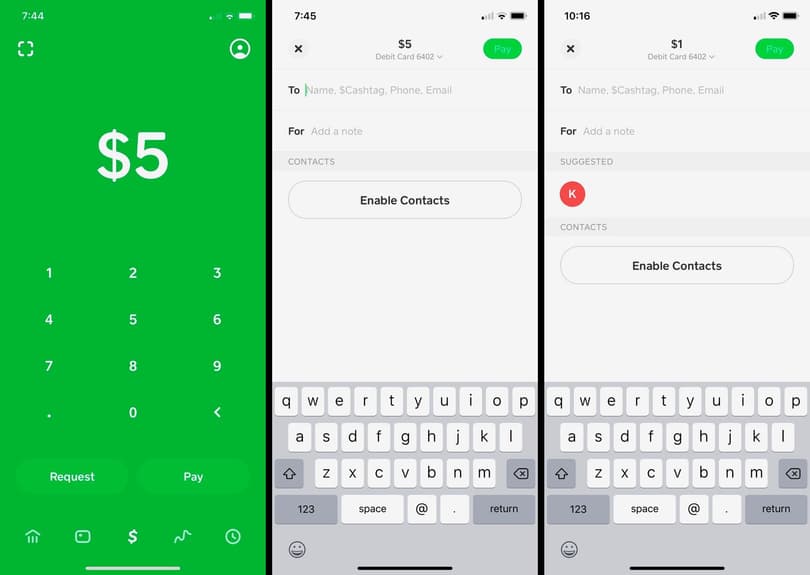
The simplest method for someone to send you money is by using your “$Cashtag.” Your $Cashtag is your unique identifier within the Cash App ecosystem, making it easy for others to find and pay you without needing your bank details. When someone sends money using your $Cashtag, the funds are routed directly to your account.
Alternatively, senders can use the phone number or email address associated with your Cash App account. It’s crucial to ensure that the phone number or email address you provide is indeed linked to your active Cash App profile to prevent funds from being sent to an incorrect or inactive account. Once the sender initiates the payment, it will process and appear in your Cash App balance, often with a notification confirming the receipt. This flexibility in receiving methods underscores Cash App’s commitment to user convenience and accessibility in financial transactions.
Maximizing Your Financial Experience with Received Funds
Once funds land in your Cash App balance, the platform offers several convenient ways to utilize them, catering to various financial needs—from immediate spending to long-term investment. Understanding these options is key to leveraging Cash App as a versatile financial tool.
Instantly Spending with the Cash Card
One of the most immediate benefits of receiving money on Cash App is the ability to spend it instantly using the associated Cash Card. The Cash Card is a customizable, free debit card linked directly to your Cash App balance. It operates like a traditional debit card, allowing you to make purchases online, in stores, and withdraw cash from ATMs (though ATM fees may apply). This feature eliminates the waiting period often associated with transferring funds to an external bank account, making it ideal for managing daily expenses, impulse buys, or situations where immediate access to funds is critical. The Cash Card also offers “Boosts”—instant discounts at select merchants—further enhancing its financial appeal by providing immediate savings on everyday spending.
Transferring Funds to Your Bank Account (Standard vs. Instant)
While immediate spending with the Cash Card is convenient, many users prefer to transfer their received funds to an external bank account for broader financial management. Cash App offers two primary options for this:
- Standard Deposits: These transfers are free and typically take 1-3 business days to process and arrive in your linked bank account. This option is suitable for non-urgent transfers and is the most cost-effective.
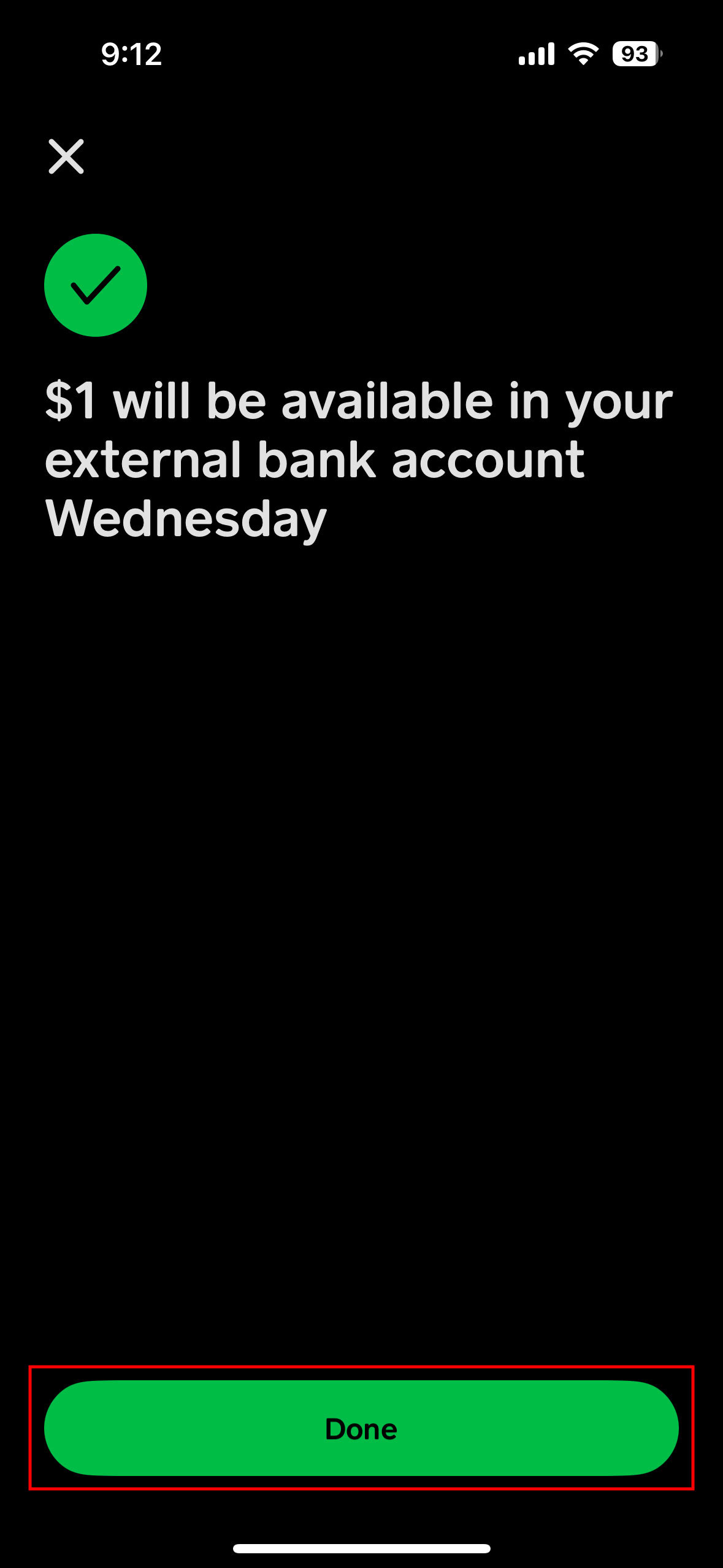
- Instant Deposits: For a small fee (usually 0.5% to 1.75% of the transfer amount, with a minimum fee), you can transfer funds to your linked bank account almost instantly. This service is invaluable for urgent financial needs, such as covering unexpected expenses or making time-sensitive payments. The fee for instant transfers is a small price to pay for the immediate liquidity it provides, highlighting Cash App’s role in flexible fund management.
Utilizing Funds for Investments (Stocks, Bitcoin) within Cash App
Beyond spending and transferring, Cash App also empowers users to engage in micro-investing directly from their received funds. This feature allows you to buy fractional shares of stocks and invest in Bitcoin with as little as $1. For those looking to grow their money or explore the world of digital assets, this provides an accessible entry point without needing a separate brokerage account. You can allocate a portion of your received funds directly into these investments, fostering a habit of saving and wealth building. This integration of payment processing with investment opportunities makes Cash App a unique platform for holistic personal finance, enabling users to move from receiving income to potentially growing capital all within a single application.
Safeguarding Your Finances: Security and Compliance
While Cash App offers unparalleled convenience, ensuring the security of your funds and personal information is paramount. Engaging with any financial tool requires vigilance, and Cash App is no exception. Understanding the built-in security features and common threats empowers you to protect your financial well-being.
Recognizing and Avoiding Common Scams
Unfortunately, the popularity of digital payment apps has also attracted scammers. Users receiving money must be particularly aware of common scams. These often include:
- Phishing attempts: Emails or texts impersonating Cash App to trick you into revealing login credentials or personal financial information. Always verify the sender and never click suspicious links.
- “Payment pending” scams: Scammers might claim to have sent you money that is “pending” and ask you to send them a small amount first to “release” it. Cash App payments are typically instant; a pending status for a legitimate P2P transfer is rare and should raise immediate red flags.
- Fake customer support: Scammers posing as Cash App support may ask for your login details or to send them money to “verify” your account. Legitimate Cash App support will never ask for your PIN or to send them money.
- Overpayment scams: A sender might “accidentally” send you more money than agreed upon and then ask you to send the difference back. This is often a precursor to the original payment being reversed, leaving you out of pocket.
Always verify the legitimacy of any transaction or communication, especially if it involves sending money or sharing sensitive information.
Understanding Transaction Limits and Reporting Suspicious Activity
Cash App has transaction limits, both for sending and receiving, which can vary based on whether your account is verified. Verified accounts typically have higher limits, offering more flexibility for larger financial transactions. Familiarize yourself with these limits to avoid unexpected hurdles.
It is crucial to promptly report any suspicious activity or unauthorized transactions. Cash App provides in-app support and channels to report fraud. If you suspect your account has been compromised or you’ve fallen victim to a scam, act immediately by changing your PIN, contacting Cash App support, and potentially informing your linked bank. Quick action can mitigate potential financial losses.
Best Practices for Protecting Your Cash App Account
Implementing strong security measures is the best defense. Always use a strong, unique PIN or enable fingerprint/Face ID login for your Cash App. Enable two-factor authentication (2FA) for an added layer of security, ensuring that even if your password is stolen, your account remains secure. Be cautious about the Wi-Fi networks you use for financial transactions; public Wi-Fi can be less secure. Regularly review your transaction history for any unfamiliar activity. Treat your Cash App account with the same diligence and care as you would a traditional bank account, as it holds real financial value.
Troubleshooting and Financial Reconciliation
Despite Cash App’s seamless design, occasional issues can arise when receiving funds. Knowing how to troubleshoot common problems and reconcile your financial records is vital for maintaining accurate personal finance management.
Dealing with Delayed or Missing Payments
While Cash App payments are usually instant, delays can occur. If a payment you’re expecting doesn’t arrive:
- Check Transaction History: First, confirm with the sender that the payment was successfully sent and check your own Cash App activity feed.
- Verify Sender Details: Ensure the sender used your correct $Cashtag, phone number, or email address. A simple typo can lead to funds being sent to the wrong person.
- Contact Sender: The quickest resolution often comes from communicating directly with the sender. They can verify the status on their end and potentially cancel/resend if there was an error.
- Review Account Verification: Unverified accounts may have lower limits, or certain transactions might be held for review, causing delays.
- Contact Cash App Support: If all else fails, reach out to Cash App support through the app. Provide them with as much detail as possible, including transaction IDs and sender information.
Patience is key, but proactive investigation is essential for resolution.
Resolving Payment Disputes
Payment disputes are an unfortunate reality of digital transactions. If you receive a payment that you believe is erroneous, unauthorized, or part of a scam, it’s important to act swiftly.
- Do Not Spend/Withdraw: If you receive funds you don’t recognize or suspect are fraudulent, do not spend or transfer them. This could complicate the dispute resolution process.
- Contact Sender (If Known): If it’s an accidental send from someone you know, they can initiate a request to refund the payment.
- Report to Cash App Support: Immediately report the suspicious payment to Cash App support. Provide all relevant details, and they can investigate and potentially reverse the transaction. Cash App has policies in place to protect users from unauthorized transactions, but timely reporting is crucial.
Understanding these procedures protects your financial integrity and helps prevent you from becoming entangled in fraudulent schemes.
Accessing Support for Financial Transactions
Cash App offers several avenues for customer support:
- In-App Support: This is generally the fastest and most efficient way to get help. Navigate to your profile icon, then select “Support.” You can browse FAQs or initiate a chat with a support agent.
- Website Support: The Cash App website also has extensive FAQ sections and contact options.
- Social Media: While less formal, Cash App’s official social media channels can sometimes offer guidance or direct you to the right support resources.
When contacting support, always be prepared with account details, transaction IDs, and a clear description of your issue. Remember, legitimate Cash App support will never ask for your PIN, sign-in code, or request you to send money to them. By using these support channels effectively, you can address any financial transaction issues, ensuring the continued smooth operation of your personal finance management through Cash App.
Cash App’s robust features make receiving money not just simple, but an integrated part of a modern financial strategy. By understanding its mechanisms, utilizing its benefits wisely, prioritizing security, and knowing how to navigate potential issues, users can confidently leverage Cash App to enhance their personal financial fluidity and control in an increasingly digital world. It’s more than an app; it’s a powerful financial tool that, when used correctly, can significantly streamline how you interact with your money.
aViewFromTheCave is a participant in the Amazon Services LLC Associates Program, an affiliate advertising program designed to provide a means for sites to earn advertising fees by advertising and linking to Amazon.com. Amazon, the Amazon logo, AmazonSupply, and the AmazonSupply logo are trademarks of Amazon.com, Inc. or its affiliates. As an Amazon Associate we earn affiliate commissions from qualifying purchases.