
In today’s rapidly evolving digital economy, the notion that accepting credit card payments necessitates a clunky, expensive physical machine is increasingly obsolete. For countless businesses, freelancers, and entrepreneurs, the traditional Point-of-Sale (POS) terminal has become an unnecessary financial burden and an operational bottleneck. The ability to process transactions without dedicated hardware is not merely a convenience; it’s a strategic financial advantage that empowers businesses of all sizes to reduce costs, enhance flexibility, and broaden their customer base. This shift towards machine-free payment acceptance represents a significant evolution in financial tools, democratizing access to modern payment methods and fostering growth in a truly mobile and interconnected marketplace.

The Paradigm Shift: Why Businesses Are Ditching Traditional Card Machines
The decision to move away from conventional credit card terminals is driven by a compelling combination of financial prudence and operational agility. Businesses, particularly small and emerging enterprises, are recognizing that the cost and limitations associated with traditional machines no longer align with their pursuit of efficiency and profitability. This paradigm shift underscores a broader trend towards lean operations and optimized financial management.
The Financial Burden of Hardware: Beyond Initial Costs
The most immediate financial benefit of going machine-free is the elimination of hardware-related expenses. Traditional POS terminals often come with a significant upfront purchase price, which can range from a few hundred to over a thousand dollars per unit. Beyond the initial outlay, businesses frequently incur ongoing costs such as rental fees, maintenance contracts, and expensive paper rolls for receipts. These recurring expenses eat into profit margins, especially for businesses with lower transaction volumes or seasonal operations. By contrast, machine-free solutions leverage existing devices, such as smartphones, tablets, or computers, effectively turning a capital expenditure into a negligible operational cost. This allows businesses to reallocate valuable funds towards growth initiatives, inventory, or marketing, rather than investing in depreciating hardware. The financial model shifts from asset acquisition to service utilization, which is inherently more flexible and less capital-intensive.
Unlocking Mobility and Flexibility: Operational Efficiency
For businesses that operate outside a fixed brick-and-mortar location – mobile service providers, pop-up shops, market vendors, or home-based consultants – traditional card machines present an insurmountable logistical challenge. These devices typically require a stable power source and an internet connection, tethering the business to a specific spot. Machine-free payment solutions, predominantly reliant on mobile apps and internet connectivity, unshackle businesses from these constraints. This mobility translates directly into enhanced operational efficiency and increased earning potential. A freelance photographer can process payments on-site after a shoot, a food truck can accept cards at any festival, and a consultant can finalize a transaction during a client meeting. This flexibility not only improves customer experience by offering convenient payment options but also expands the addressable market for businesses that previously relied solely on cash or checks due to logistical barriers. The ability to conduct transactions anywhere, anytime, optimizes revenue capture opportunities.
Democratizing Card Acceptance: A Boon for Small Businesses and Solo Entrepreneurs
Historically, accepting credit cards was often perceived as a complex and costly endeavor, primarily accessible to larger retail establishments. This perception created a significant barrier for small businesses, side hustles, and individual entrepreneurs, forcing them to operate largely on a cash-only basis or limit their payment options. Machine-free payment processing has fundamentally democratized card acceptance. By leveraging readily available consumer technology and offering accessible, often pay-as-you-go, pricing models, these solutions have leveled the playing field. A solo artist selling crafts at a fair, a personal trainer managing client sessions, or a home baker taking orders can now easily and affordably accept card payments. This broader access to digital payment infrastructure is crucial for financial inclusion, enabling smaller entities to compete more effectively, expand their customer base, and ultimately contribute more robustly to the digital economy. It allows individuals to monetize their skills and products more efficiently, turning passion projects into viable income streams.
Mobile-First Solutions: Your Smartphone as a Payment Powerhouse
The smartphone has evolved far beyond a communication device; it is now a sophisticated financial tool capable of facilitating complex transactions. Mobile-first payment solutions harness the power of these ubiquitous devices, transforming them into portable, cost-effective credit card terminals. This segment of machine-free payments offers unprecedented convenience and efficiency for businesses seeking agile financial operations.
Mobile Point-of-Sale (mPOS) Applications: Simplicity Meets Functionality
Mobile Point-of-Sale (mPOS) applications are at the forefront of machine-free payment acceptance. These apps, developed by payment processors like Square, PayPal Zettle, or Stripe Terminal, essentially turn a smartphone or tablet into a fully functional POS system. While some mPOS solutions offer optional card readers that attach to the device, many now allow for manual entry of card details or even contactless payments directly through the phone’s NFC chip. The financial appeal lies in their low barrier to entry: businesses often only pay a per-transaction fee, with no monthly subscriptions or hardware costs for basic functionality. These apps frequently include features vital for financial management, such as sales tracking, inventory management, digital receipt generation, and basic reporting, all accessible from a mobile device. This level of functionality provides small businesses with powerful tools to manage their finances and customer interactions without the investment in traditional POS hardware and software.
Tap-to-Pay on Phone: The Future of Contactless Acceptance
Building on the capabilities of modern smartphones, “Tap-to-Pay on Phone” technology represents a significant leap forward in machine-free payments. This feature, available on many iOS and Android devices, allows businesses to accept contactless credit and debit card payments (including Apple Pay and Google Pay) directly on their smartphone, without any external hardware. The phone’s built-in Near Field Communication (NFC) chip acts as the payment reader. From a financial perspective, this eliminates even the minimal cost of a basic card reader, making it the most hardware-agnostic solution available. For businesses, this means immediate readiness to accept payments with nothing more than their existing smartphone, offering unparalleled convenience for both merchant and customer. It streamlines the payment process, reduces checkout times, and meets growing consumer demand for contactless options, potentially increasing sales velocity and improving the overall customer experience.
Virtual Terminals: Processing Payments from Any Internet-Enabled Device
For businesses that primarily operate remotely, take orders over the phone, or require flexibility in payment entry, virtual terminals are an indispensable financial tool. A virtual terminal is essentially a web-based interface that allows a merchant to manually enter credit card details into a secure online portal, using any internet-connected device – be it a laptop, desktop computer, or even a tablet. This solution is ideal for businesses that don’t have face-to-face interactions but still need to process card payments, such as call centers, service providers taking deposits, or businesses accepting mail-order/telephone-order (MOTO) payments. The financial advantages include avoiding hardware costs entirely and often offering competitive transaction rates for manually entered payments. Furthermore, many virtual terminals integrate with other financial management tools, such as invoicing systems and accounting software, streamlining back-office operations and improving financial record-keeping.
Expanding Your Reach: Online and Invoice-Based Payment Acceptance
Beyond mobile apps, a significant portion of machine-free payment acceptance occurs in the digital realm, expanding a business’s financial reach globally. These methods are crucial for e-commerce, service-based businesses, and those seeking to automate their billing cycles, ensuring consistent revenue streams without physical interaction.
Web-Based Payment Gateways: Seamless E-commerce Integration
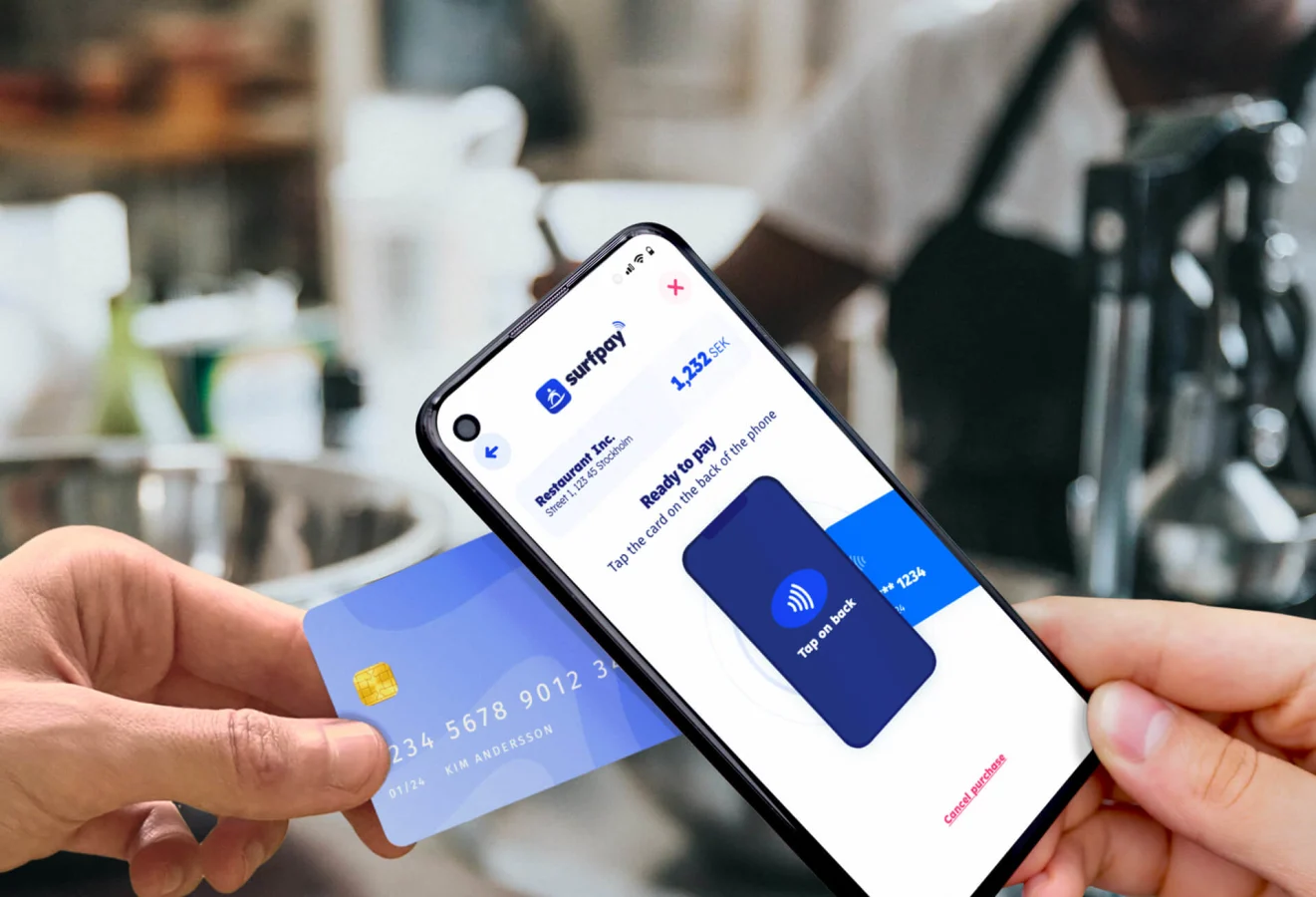
For any business with an online presence, integrating a web-based payment gateway is fundamental to accepting credit card payments without a machine. These gateways act as the digital bridge between a customer’s bank account and the merchant’s, securely authorizing and processing transactions made through a website. Providers like Stripe, PayPal, and Authorize.net offer robust APIs and plugins that can be seamlessly integrated into e-commerce platforms (like Shopify, WooCommerce) or custom websites. The financial benefits are immense: they enable businesses to conduct transactions 24/7, reaching a global customer base without geographical limitations. While there are transaction fees, these are often offset by the significant increase in sales volume and market reach. Furthermore, many gateways offer advanced fraud detection tools, protecting businesses from financial losses due to fraudulent transactions and enhancing overall security compliance.
Digital Invoicing with Payment Links: Professionalism and Convenience
For service-based businesses, freelancers, and consultants, digital invoicing with integrated payment links offers a professional and incredibly convenient way to receive payments without a traditional machine. Instead of sending a paper invoice and waiting for a check, businesses can create and send professional-looking digital invoices via email. These invoices contain a secure payment link that customers can click to pay instantly using their credit card or other digital payment methods. This significantly speeds up payment collection, improving cash flow and reducing the administrative burden of chasing overdue payments. From a financial standpoint, this method reduces billing cycle times, minimizes late payments, and provides clear, auditable records for financial reporting. Providers often bundle this feature with their broader payment processing services, making it a cost-effective solution for streamlined accounts receivable.
Recurring Billing and Subscription Models: Building Predictable Revenue
For businesses operating on a subscription model or offering services with recurring fees (e.g., SaaS, membership sites, recurring consulting), machine-free payment solutions are indispensable for automating billing. Payment gateways and platforms offer robust tools for setting up recurring billing profiles, automatically charging customers’ credit cards at predefined intervals (weekly, monthly, annually). This capability is a cornerstone of building predictable, stable revenue streams – a critical financial objective for long-term business sustainability. Automating recurring payments drastically reduces administrative effort, minimizes manual errors, and improves customer retention by simplifying the payment experience. From a financial planning perspective, predictable recurring revenue allows for more accurate forecasting, better budget allocation, and a more attractive valuation for potential investors. It transforms transactional income into consistent, passive revenue, significantly strengthening a business’s financial foundation.
Navigating the Financial Maze: Fees, Payouts, and Security Implications
While machine-free payment acceptance offers substantial benefits, businesses must navigate the underlying financial complexities, specifically understanding transaction fees, payout schedules, and the critical importance of security. A thorough grasp of these elements is crucial for optimizing profitability and ensuring financial integrity.
Understanding Transaction Fees: A Critical Component of Profitability
Every payment processing method, whether machine-based or machine-free, comes with transaction fees. These fees are typically a percentage of the transaction amount plus a small fixed fee (e.g., 2.9% + $0.30) and are deducted by the payment processor. For businesses, understanding the fee structure is paramount to maintaining profitability. Factors influencing fees include the type of card (debit vs. credit, standard vs. premium rewards), the method of entry (swiped/tapped vs. manually entered), and the overall transaction volume of the business. Manually entered transactions (common in virtual terminals) often incur slightly higher fees due to increased fraud risk. Businesses must meticulously analyze these fees, especially as their volume grows, to negotiate better rates or choose a processor whose fee model best aligns with their average transaction size and frequency. Neglecting to account for these costs can significantly erode profit margins, making careful financial analysis a continuous necessity.
Payout Schedules and Cash Flow Management: Optimizing Liquidity
The speed at which funds are transferred from the payment processor to a business’s bank account – the payout schedule – directly impacts cash flow. While traditional machines often involve next-day payouts, some machine-free solutions or newer processors might have slightly different schedules (e.g., 2-3 business days). For small businesses, particularly those with tight operating budgets, consistent and timely access to funds is critical for managing daily expenses, payroll, and inventory. Businesses must evaluate the payout schedules offered by different providers and understand how these will affect their working capital. Some providers offer expedited payout options for an additional fee, which can be a valuable financial tool during periods of high demand or unexpected expenses. Proactive cash flow management, informed by clear understanding of payout times, ensures liquidity and operational stability.
Data Security and Compliance: Protecting Your Business and Customers
In the digital payment landscape, security is non-negotiable, particularly when handling sensitive credit card information without a physical machine. Businesses are responsible for adhering to Payment Card Industry Data Security Standard (PCI DSS) compliance, which sets requirements for how cardholder data is stored, processed, and transmitted. Machine-free solutions offered by reputable payment processors are designed with robust security features, including end-to-end encryption, tokenization, and fraud detection algorithms, to protect both the merchant and the customer. However, it is the business’s responsibility to use strong passwords, implement two-factor authentication, train employees on secure handling practices, and ensure their own devices are protected. Financial penalties for data breaches can be severe, including fines, reputational damage, and loss of customer trust. Prioritizing security is not just about compliance; it’s a critical investment in the financial health and long-term viability of the business.
Strategic Financial Advantages: Empowering Growth in a Digital Economy
Embracing machine-free credit card payment solutions transcends mere operational convenience; it offers profound strategic financial advantages that empower businesses to thrive and expand in the digital era. These advantages contribute directly to improved profitability, market reach, and overall financial resilience.
Cost Savings and Increased Profit Margins
The most tangible financial benefit of ditching traditional machines is the significant reduction in operational costs. By eliminating hardware purchases, rental fees, maintenance contracts, and expensive proprietary consumables, businesses can reallocate these funds. These savings directly translate into higher profit margins or can be reinvested into growth areas such as marketing, product development, or employee training. For startups and small businesses, where every dollar counts, these cost efficiencies can be the difference between struggling and flourishing. The lean financial model enabled by machine-free payments allows for greater agility in pricing strategies, potentially offering more competitive rates to customers or increasing the profitability of existing services. It’s a strategic move towards a more financially sustainable operating model.
Enhanced Customer Experience and Sales Opportunities
Providing diverse and convenient payment options directly impacts customer satisfaction and, consequently, sales. In an increasingly cashless society, customers expect to pay with their credit or debit cards, or even mobile wallets, regardless of the business’s setting. Machine-free solutions enable businesses to meet this expectation everywhere, from a bustling market stall to a client’s office. This enhanced convenience reduces friction in the buying process, minimizes abandoned purchases, and can significantly increase average transaction values. Moreover, by removing the limitation of cash-only transactions, businesses can attract a broader customer base, including tourists or those who simply prefer card payments. This expanded market reach and improved customer experience directly translate into increased revenue and greater financial stability.
Streamlined Financial Reporting and Record-Keeping
A key, often underestimated, financial advantage of machine-free payment systems is the superior integration with financial reporting and accounting software. Most modern payment processors offer robust dashboards and reporting tools that provide real-time insights into sales, transaction history, and fee breakdowns. These platforms can often be directly integrated with popular accounting software like QuickBooks, Xero, or FreshBooks. This streamlines financial record-keeping, automating data entry, reducing manual errors, and simplifying reconciliation processes. For businesses, this means less time spent on administrative tasks and more accurate financial data for decision-making. Better financial reporting enables more effective budgeting, tax preparation, and performance analysis, giving businesses a clearer picture of their financial health and empowering them to make informed strategic decisions for future growth and profitability. The automation of these critical financial functions is a powerful tool for modern business management.
aViewFromTheCave is a participant in the Amazon Services LLC Associates Program, an affiliate advertising program designed to provide a means for sites to earn advertising fees by advertising and linking to Amazon.com. Amazon, the Amazon logo, AmazonSupply, and the AmazonSupply logo are trademarks of Amazon.com, Inc. or its affiliates. As an Amazon Associate we earn affiliate commissions from qualifying purchases.