
Securing a business loan can be a pivotal step for any entrepreneur, whether you’re launching a startup, expanding an existing operation, or navigating a period of financial transition. Access to capital fuels growth, innovation, and stability, yet the process of obtaining a loan can often seem daunting. Understanding the landscape of business finance, preparing meticulously, and knowing where to apply are critical components of a successful loan application. This comprehensive guide will demystify the process, providing a clear roadmap for how to receive a business loan that aligns with your specific needs and goals.
I. Understanding Your Funding Needs and Loan Types
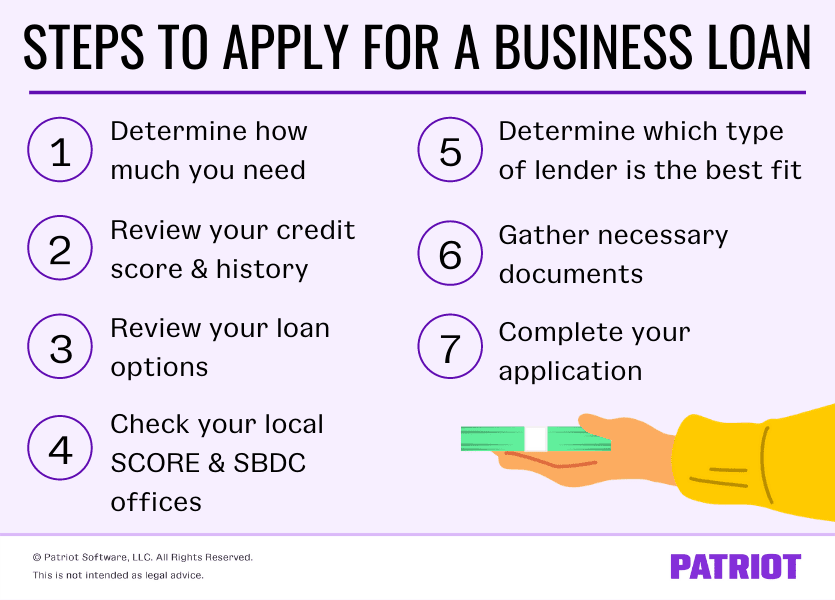
Before embarking on the loan application journey, the first crucial step is to gain absolute clarity on why you need the funds and what type of financing best suits your business model and objectives. A well-defined purpose not only streamlines your search but also strengthens your application in the eyes of potential lenders.
Identifying Your Business’s Financial Gap
Every loan should serve a specific purpose. Are you looking to purchase new equipment, expand your premises, increase working capital for inventory, fund marketing campaigns, or bridge a cash flow gap? Each of these scenarios might call for a different type of financing product. Clearly articulating the “why” behind your loan request will enable you to present a coherent and compelling case to lenders. Quantify the amount you need and project how these funds will directly contribute to your business’s revenue generation or cost savings. This foresight demonstrates financial acumen and responsible planning.
Exploring Common Business Loan Categories
The world of business loans is diverse, offering a spectrum of options tailored to different needs, business stages, and risk profiles. Familiarizing yourself with these categories is essential for choosing the right path.
- Traditional Bank Loans: These are often the first choice for established businesses with strong credit histories and collateral.
- Term Loans: A lump sum of money provided by a bank, repaid over a fixed period with interest. These are ideal for large, one-time investments like equipment purchases or facility expansion.
- Lines of Credit: Similar to a credit card, a line of credit offers flexible access to funds up to a certain limit. Businesses can draw, repay, and redraw funds as needed, making it excellent for managing short-term cash flow fluctuations or unexpected expenses.
- SBA Loans (Small Business Administration Loans): Government-backed loans provided by private lenders (like banks) but guaranteed by the SBA. These reduce risk for lenders, making it easier for small businesses to qualify, especially those that might not meet traditional bank loan criteria. SBA loans often feature competitive interest rates, longer repayment terms, and lower down payments. They are highly sought after for a variety of purposes, from startup costs to real estate acquisition.
- Alternative Lenders: The rise of online platforms and fintech has expanded lending options significantly.
- Online Lenders: Offer speed and convenience, with quicker application processes and funding times. They often have less stringent requirements than traditional banks but may come with higher interest rates.
- Merchant Cash Advances (MCAs): A lump sum payment exchanged for a percentage of future credit card sales. While quick to access, MCAs are often expensive and best suited for businesses with high credit card transaction volumes needing immediate cash.
- Equity vs. Debt Financing: While the focus here is on debt financing (loans), it’s important to understand the distinction. Debt financing involves borrowing money that must be repaid with interest. Equity financing involves selling a portion of your company ownership in exchange for capital, with no repayment obligation but a dilution of ownership. Most small businesses primarily seek debt financing for operational needs.
II. Preparing for the Loan Application: Building a Strong Case
Lenders scrutinize every aspect of your business to assess risk and repayment capacity. Comprehensive preparation is not just about gathering documents; it’s about building an unassailable case for your business’s viability and trustworthiness.
Financial Health Check: What Lenders Look For
Before even submitting an application, conduct an internal audit of your business’s financial standing. Lenders will examine several key indicators:
- Credit Score (Personal and Business): Your personal credit score (FICO score) will be critical, especially for startups and small businesses, as lenders often view it as an indicator of your financial responsibility. A strong business credit score, built by paying suppliers and creditors on time, is also vital. Aim for scores above 680, preferably over 700.
- Revenue and Profitability: Lenders want to see a history of consistent revenue and, ideally, profitability. Your profit and loss statements will demonstrate your business’s ability to generate income.
- Cash Flow Management: Healthy cash flow is paramount. Lenders will analyze your cash flow statements to ensure you have sufficient liquidity to cover loan repayments, even during leaner periods. Positive cash flow signals a stable business.
- Debt-to-Equity Ratio: This ratio indicates how much debt your business uses to finance its assets relative to the value of shareholders’ equity. A lower ratio is generally more favorable, signaling less risk.
Essential Documentation: Compiling Your Loan Package
A well-organized and complete loan package speaks volumes about your professionalism and preparedness. Missing documents can delay or even derail your application.
- Business Plan: More than just a startup document, a current and detailed business plan is crucial. It should outline your company’s mission, market analysis, management team, operational structure, marketing strategy, and, critically, financial projections. This plan demonstrates foresight and a clear path to success.
- Financial Statements: Lenders require up-to-date and historical financial records.
- Profit & Loss Statements (Income Statements): Typically for the past 2-3 years, showing revenue, costs, and profits.
- Balance Sheets: Presenting assets, liabilities, and equity at a specific point in time, usually for the past 2-3 years.
- Cash Flow Projections: Detailed forecasts for the next 1-3 years, demonstrating your ability to generate enough cash to repay the loan.
- Legal Documents: This includes your business registration, articles of incorporation, business licenses, permits, and any relevant contracts (e.g., leases, client agreements).
- Personal Financial Statements/Tax Returns: Especially for small businesses, lenders may require personal tax returns for the past 2-3 years and a personal financial statement outlining your assets, liabilities, and net worth.
- Collateral Information: If the loan requires collateral (e.g., real estate, equipment, accounts receivable), provide detailed documentation of its value and ownership.
III. Navigating the Lending Landscape: Where to Apply
With your financial house in order and documentation ready, the next step is to identify the most suitable lending partner. Your choice will depend on your business’s stage, credit profile, the amount needed, and how quickly you need the funds.
Traditional Banks and Credit Unions: Pros and Cons
Traditional financial institutions remain a popular choice, particularly for established businesses.
- Pros: Generally offer lower interest rates, longer repayment terms, and larger loan amounts. They often provide relationship banking, which can be beneficial in the long run.
- Cons: Stricter eligibility requirements, longer application and approval processes, and a stronger emphasis on collateral and established business history. They may be less inclined to lend to startups or businesses with less-than-perfect credit.
Government-Backed Programs: The Power of SBA Loans
For many small businesses, SBA loans are an invaluable resource. They bridge the gap between traditional bank reluctance and small business capital needs.
- SBA 7(a) Loans: The most common type, offering flexible financing for a wide range of purposes, including working capital, equipment, and real estate.
- SBA 504 Loans: Designed for significant fixed-asset purchases, like real estate or machinery, offering long-term, fixed-rate financing.
- Microloans: Smaller loans (up to $50,000) for startups and small businesses, often with simpler application processes.
The key is to apply through an SBA-approved lender, who will guide you through the specific requirements.
Alternative Lenders and Fintech Platforms: Speed and Flexibility
The digital age has brought forth a new breed of lenders offering speed and accessibility.
- Online Lenders: Ideal for businesses needing fast funding. Their technology-driven platforms often streamline applications and underwriting. They are generally more flexible with credit scores and business history than traditional banks but may charge higher interest rates.
- Peer-to-Peer (P2P) Lending: Connects borrowers directly with individual investors. Rates and terms vary widely, and it can be a good option for businesses that don’t fit traditional molds.
These options are particularly useful for businesses with short operating histories, lower credit scores, or urgent funding needs.
Exploring Niche and Specialized Lenders
Beyond the mainstream, specialized lenders cater to specific industries or types of financing.
- Industry-Specific Lenders: Some lenders specialize in sectors like healthcare, manufacturing, or agriculture, possessing a deeper understanding of those unique financial needs and risks.
- Community Development Financial Institutions (CDFIs): Mission-driven organizations that provide financial services to underserved communities and businesses. They often offer more flexible terms and business support.
- Factoring and Invoice Financing: If your business has outstanding invoices, you can sell them to a factoring company for immediate cash, often at a discount. This is a good option for managing cash flow when clients pay slowly.
IV. The Application and Approval Process: What to Expect
Once you’ve selected a potential lender and assembled your documents, the application phase begins. This is where meticulous attention to detail and proactive communication become paramount.
Submitting Your Application: Precision and Clarity
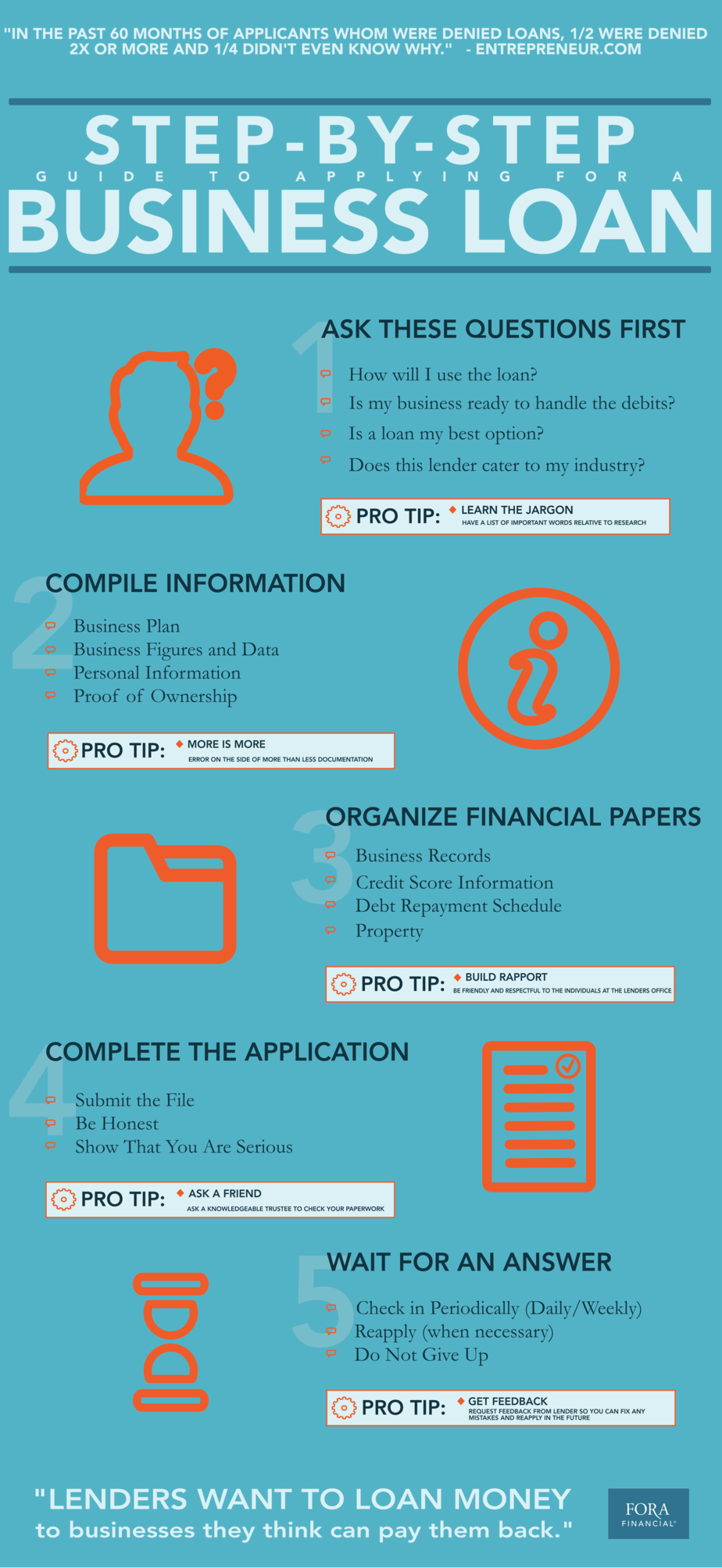
Fill out all application forms accurately and completely. Any discrepancies or omissions can raise red flags or cause significant delays. Ensure all supporting documents are clearly labeled and logically organized. If applying online, double-check uploads and digital signatures. The clarity and professionalism of your submission reflect on your business.
Underwriting and Due Diligence: The Lender’s Review
After submission, your application enters the underwriting phase. The lender’s team will thoroughly review all provided information, verify financial data, check credit scores, and assess your business plan and projections. They may contact you for additional documents or clarifications. This due diligence is crucial for them to evaluate the risk of lending to your business. Be prepared to answer detailed questions about your operations, market, management, and financial performance.
The Importance of a Clear Business Plan and Pitch
While your business plan is a key document, being able to articulate its essence and your vision clearly to the loan officer is equally important. Practice explaining your business model, how the loan will be utilized, and your repayment strategy concisely and confidently. A strong, well-reasoned pitch can make a significant difference, humanizing your application and showcasing your passion and competence.
Addressing Lender Questions and Contingencies
It’s common for lenders to have follow-up questions or request additional information during their review. Respond promptly, thoroughly, and transparently. If a lender identifies a contingency (e.g., requiring additional collateral or a personal guarantee), understand the implications and negotiate if possible. Don’t hesitate to seek clarification on any terms or conditions you don’t fully comprehend.
V. Maximizing Your Chances and Post-Approval Steps
Getting approved is a significant milestone, but the journey doesn’t end there. Smart strategies can improve your eligibility, and responsible management ensures the loan serves its purpose effectively.
Strategies for Improving Your Loan Eligibility
If your initial application isn’t approved, or if you want to strengthen your position before applying, consider these steps:
- Enhancing Creditworthiness: Focus on improving both personal and business credit scores. Pay all bills on time, reduce existing debt, and monitor your credit reports for errors.
- Demonstrating Repayment Capacity: Build up your business’s cash reserves, reduce unnecessary expenses, and aim for consistent profitability to show a strong ability to service debt.
- Seeking Professional Guidance: A financial advisor, accountant, or business consultant can help you prepare your financial statements, refine your business plan, and even identify suitable lenders. Their expertise can significantly improve your application’s strength.
- Starting Small: If you’re a new business or have a weaker credit profile, consider starting with a smaller loan, a business credit card, or a microloan to build a positive repayment history.
Understanding Loan Agreements and Terms
Once approved, meticulously review the loan agreement before signing. Pay close attention to:
- Interest Rate and APR: Understand if it’s fixed or variable, and what the annual percentage rate (APR) truly is, as it includes fees.
- Repayment Schedule: Know the frequency and amount of your payments.
- Fees: Be aware of any origination fees, closing costs, or prepayment penalties.
- Collateral and Guarantees: Understand what assets are pledged and if a personal guarantee is required.
- Covenants: These are conditions the lender might impose, such as maintaining certain financial ratios or providing regular financial statements.
Do not hesitate to ask questions until you fully understand every clause.
Responsible Loan Management and Growth
Receiving a business loan is an opportunity, not an entitlement. Manage the funds wisely, sticking to the purpose outlined in your application. Make repayments on time, every time, to maintain a strong credit profile and potentially open doors for future financing. Regularly monitor your business’s financial performance against your projections, adapting your strategies as needed. A successfully managed business loan can be a powerful catalyst for growth, helping your enterprise reach new heights and achieve its long-term objectives.
aViewFromTheCave is a participant in the Amazon Services LLC Associates Program, an affiliate advertising program designed to provide a means for sites to earn advertising fees by advertising and linking to Amazon.com. Amazon, the Amazon logo, AmazonSupply, and the AmazonSupply logo are trademarks of Amazon.com, Inc. or its affiliates. As an Amazon Associate we earn affiliate commissions from qualifying purchases.