
In an unpredictable economic landscape, even financially stable individuals can suddenly find themselves facing unforeseen challenges. Job loss, illness, unexpected expenses, or inflation can quickly erode savings and make it difficult to afford basic necessities, including food. Food banks serve as a critical safety net, providing essential nourishment to millions struggling with food insecurity. However, accessing these vital resources often requires understanding a specific set of criteria. This article delves into the financial parameters and practical steps involved in qualifying for food bank assistance, framing it within the broader context of personal finance management during times of crisis.

Understanding Food Banks: A Crucial Financial Safety Net
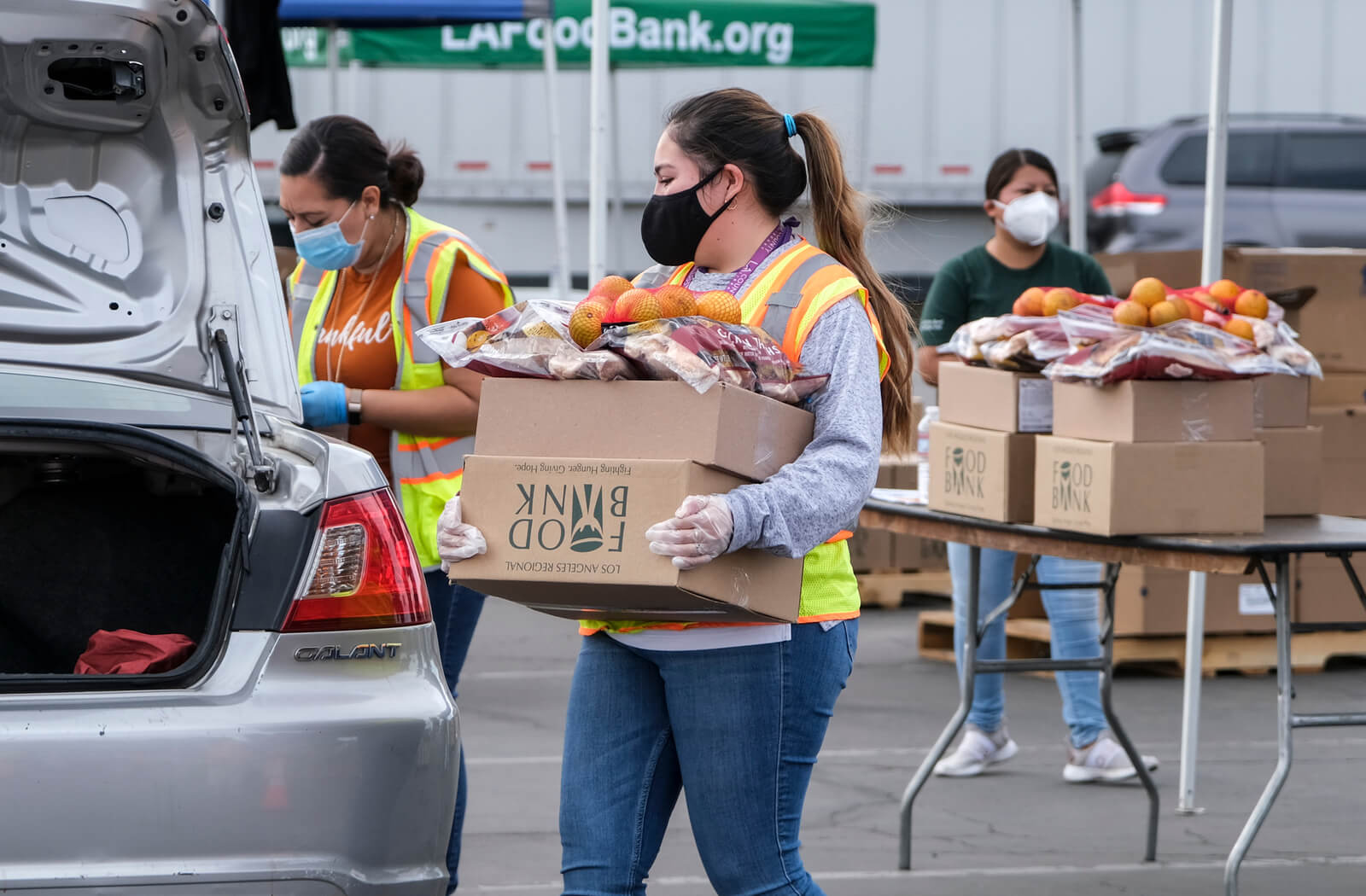
Food banks are non-profit organizations that collect and distribute food to individuals and families experiencing hunger. They act as a cornerstone of community support, bridging the gap between available resources and urgent needs. Far from being a last resort, viewing a food bank as a strategic financial tool during periods of stress can be empowering.
The Role of Food Banks in Personal Finance
From a personal finance perspective, food is arguably the most fundamental and non-negotiable expense. When income is insufficient to cover housing, utilities, transportation, and food, a household’s financial stability is severely compromised. Food banks step in to alleviate the pressure of this essential expenditure, freeing up limited funds for other critical bills. This relief can prevent a domino effect of financial distress, helping individuals avoid defaulting on rent, utility payments, or other obligations, which would only exacerbate their financial situation. By securing food assistance, households can better allocate their remaining resources, thereby sustaining their overall financial well-being, even if precarious. It’s an immediate, practical form of financial aid that directly impacts a household’s budget.
Debunking Stigma: Food Banks as a Resource, Not a Last Resort
There is often an unfortunate stigma associated with seeking help from a food bank, fueled by misconceptions or feelings of shame. It’s crucial to reframe this perception. Food banks are a legitimate and vital community resource, designed to support individuals and families through temporary or persistent financial hardship. Accessing a food bank is a responsible financial decision, demonstrating proactive management of resources during a difficult time. It’s no different from applying for unemployment benefits, seeking credit counseling, or utilizing other social safety nets designed to prevent deeper financial distress. Recognizing food banks as an integral part of the broader financial support ecosystem helps empower individuals to seek help without hesitation, fostering a mindset of resilience and resourcefulness rather than defeat.
Core Eligibility Criteria: The Financial Parameters
Qualifying for food bank assistance is primarily based on a household’s financial situation. While specific criteria can vary slightly between different food banks and regions, the underlying principle is consistent: demonstrating a genuine need due to insufficient income to cover food costs.
Income Thresholds and Household Size
The most common determinant for food bank eligibility is a household’s gross monthly or annual income relative to its size. Food banks often use federal poverty guidelines or specific regional benchmarks (like 150% or 200% of the federal poverty level) to establish income thresholds. For example, a single person earning above a certain amount might not qualify, while a family of four with the same income might easily meet the criteria. The larger the household, the higher the allowable income threshold. It’s important to understand whether the food bank considers gross income (before taxes and deductions) or net income (after taxes and deductions), as this can significantly impact eligibility. Applicants will typically need to provide proof of all income sources for every adult in the household, which can include wages, social security benefits, disability payments, unemployment insurance, and child support.
Assessing Expenses and Financial Strain
Beyond raw income, many food banks also consider a household’s significant expenses to gain a more complete picture of their financial strain. While not always a strict determinant like income, high unavoidable expenses can bolster a case for need, even if income is slightly above a threshold. These expenses might include rent or mortgage payments, utility bills, medical expenses, childcare costs, and transportation costs necessary for work. The goal is to understand the “disposable income” available for food after critical bills are paid. If a significant portion of income is consumed by fixed costs, leaving little for groceries, a household is clearly experiencing financial hardship. This holistic assessment ensures that those genuinely struggling, even if their gross income seems borderline, can still receive support.
Asset Limitations: What Counts and What Doesn’t
Some food banks, particularly those connected to broader social service networks, may also consider household assets when determining eligibility. This is generally to ensure that assistance goes to those without significant liquid resources that could otherwise be used to purchase food. Common assets that might be considered include cash on hand, bank account balances (checking and savings), and sometimes investments. However, most food banks understand that people need to maintain a small emergency fund and do not typically penalize individuals for having modest savings. Assets usually not counted include the primary residence, one primary vehicle (essential for transportation to work or appointments), retirement accounts (like 401ks), and personal belongings. The intent is to identify egregious cases of individuals with substantial liquid wealth, not to deny aid to those with prudent but limited savings. Always clarify the specific asset rules with your local food bank.
The Application Process: Documentation and Verification
Once you understand the basic financial criteria, the next step is navigating the application process. While some food banks operate on a drop-in basis for immediate, limited assistance, most require a formal application to ensure equitable distribution and compliance. This process heavily relies on providing accurate documentation for financial verification.
Essential Documents for Financial Assessment
The core of any food bank application is demonstrating financial need through documentation. Be prepared to gather several types of documents. These typically include proof of income (pay stubs from the last 30-60 days, award letters for social security or disability, unemployment benefit statements), proof of household size (birth certificates for children, lease agreements, or other official documents listing household members), and sometimes proof of major expenses (rent receipts, utility bills). Having these documents organized and readily available will significantly streamline the application process. It’s also wise to bring a current utility bill or bank statement as proof of your current address, and a valid photo ID for identity verification.
Proof of Address and Identity
To prevent fraud and ensure resources are distributed within their service area, food banks require proof of identity and residency. A government-issued photo ID (driver’s license, state ID card, passport) will suffice for identity verification. For proof of address, a recent utility bill (electricity, gas, water), a current lease agreement, a bank statement, or official mail clearly showing your name and address are generally accepted. Some food banks might also ask for proof of residency within their specific catchment area if they serve a limited geographical region. This ensures that the food bank’s resources are dedicated to the community they are mandated to serve.
Verifying Income and Expenses
Food bank staff or volunteers will review the financial documents you provide to verify your stated income and, if applicable, your expenses. This is a critical step in assessing your eligibility. They might calculate your monthly gross or net income and compare it against their established thresholds. For expenses, they might look for consistency and reasonableness. Transparency and accuracy are paramount; providing false information can lead to denial of services and may impact future eligibility. If you have irregular income, such as from gig work or seasonal employment, bring documentation that can demonstrate your average income over a longer period, like several months of bank statements or tax returns.
The Interview or Intake Process
Many food banks conduct a brief interview or intake process. This is often a conversation with a case worker or trained volunteer to review your application, clarify any information, and understand your household’s specific needs. It’s an opportunity to explain your financial situation in more detail, articulate any recent changes or crises (e.g., job loss, medical emergency), and ask questions about the food bank’s services. This interview is generally non-judgmental and aims to ensure you receive the most appropriate support. It also allows the food bank to potentially connect you with other relevant financial or social services in the community, such as SNAP (food stamps) application assistance, utility assistance programs, or job counseling.
Beyond Immediate Relief: Long-Term Financial Planning and Support
While food banks provide immediate financial relief by addressing food insecurity, it’s also important to consider long-term strategies for enhancing financial stability. Leveraging food bank assistance can be a stepping stone towards a more secure financial future.
Connecting with Other Financial Assistance Programs
Food insecurity is often a symptom of deeper financial challenges. Many food banks and their partner organizations offer referrals or direct assistance with applications for other financial aid programs. These can include federal programs like SNAP (Supplemental Nutrition Assistance Program), TANF (Temporary Assistance for Needy Families), WIC (Women, Infants, and Children), or state-specific utility assistance programs. Enrolling in these programs can provide a more sustainable level of financial support, complementing the intermittent assistance from a food bank. Inquiring about these additional resources during your food bank visit can be a proactive step towards building a broader financial safety net.
Budgeting and Resource Management Skills
Receiving food assistance can free up financial resources, creating an opportunity to refine personal budgeting and resource management skills. With reduced grocery expenses, households can allocate funds more strategically to pay down debt, build a small emergency fund, or invest in education or job training. Many community organizations offer free workshops on budgeting, debt management, and financial literacy. Utilizing these resources can equip individuals with the tools needed to navigate financial challenges more effectively in the long run, reducing reliance on emergency aid. Think of the food bank as providing the breathing room necessary to put these financial strategies into practice.
Exploring Pathways to Financial Stability
Ultimately, the goal is to move towards greater financial independence. This might involve exploring new employment opportunities, seeking job training or educational programs to improve earning potential, or developing side hustles to supplement income. Food banks understand that their role is often temporary and transitional. They can sometimes offer connections to employment resources, career counseling, or financial coaching services. Proactively engaging with these pathways to financial stability while receiving food assistance can transform a period of hardship into an opportunity for growth and long-term resilience.
Maximizing Your Food Bank Visit and Beyond
For those in need, understanding the practicalities of using a food bank efficiently can significantly enhance the experience and maximize the benefits received.
Understanding Food Bank Operations and Availability
Food bank operations can vary widely. Some are open daily, while others have specific distribution days or hours. Some might offer a “client choice” model, allowing you to select your own items, similar to a grocery store, while others provide pre-packed boxes or bags. It’s crucial to check the specific operating hours, requirements, and distribution model of your local food bank. Many food banks also have limits on how often a household can receive assistance (e.g., once a month), so understanding these cycles is important for planning your household’s food supply. Utilizing online directories or calling ahead can help you gather this vital information.
Rights and Responsibilities as a Recipient
As a recipient of food bank services, you have the right to be treated with dignity and respect. You also have the responsibility to be honest and accurate in your application, adhere to the food bank’s guidelines, and use the resources provided judiciously. This includes collecting food only as often as allowed and taking only what your household needs. Respecting the process and the resources ensures that the food bank can continue to serve the community effectively. Remember that food banks rely on donations and volunteers, and your cooperation helps their mission.

Seeking Further Financial Guidance and Support
Beyond food, the ultimate aim is financial empowerment. If you find yourself repeatedly needing food bank assistance, it’s a strong signal to seek more comprehensive financial guidance. Community centers, non-profit credit counseling agencies, and social service organizations often offer free or low-cost financial literacy programs, debt management plans, and budget counseling. These services can help identify underlying financial issues, develop sustainable spending habits, and create a roadmap towards long-term financial stability, reducing the need for emergency food assistance in the future.
Accessing a food bank is a pragmatic and responsible step in managing personal finances during difficult times. By understanding the qualification process, leveraging available resources, and proactively seeking long-term solutions, individuals and families can navigate financial hardship with greater resilience and work towards a more secure future.
aViewFromTheCave is a participant in the Amazon Services LLC Associates Program, an affiliate advertising program designed to provide a means for sites to earn advertising fees by advertising and linking to Amazon.com. Amazon, the Amazon logo, AmazonSupply, and the AmazonSupply logo are trademarks of Amazon.com, Inc. or its affiliates. As an Amazon Associate we earn affiliate commissions from qualifying purchases.