
Securing a small business loan is often a pivotal moment for entrepreneurs, marking a crucial step towards growth, expansion, or even just sustaining operations during challenging times. While the prospect of obtaining funding can seem daunting, understanding the lender’s perspective and meticulously preparing your application can significantly increase your chances of success. This guide delves into the essential criteria and strategic steps needed to qualify for a small business loan, ensuring you approach the process with confidence and clarity.
Understanding the Lender’s Perspective: What Lenders Look For
When evaluating a loan application, lenders are primarily assessing risk. They want assurance that their investment will be repaid with interest. This assessment typically revolves around a comprehensive analysis of your business’s financial health, operational stability, and your personal credibility. Grasping these core considerations is the first step in positioning your business as a desirable borrower.

The 5 C’s of Credit
A traditional framework used by lenders to evaluate creditworthiness, the “5 C’s” provide a valuable lens through which to view your own business’s readiness:
- Character: This refers to the borrower’s personal credit history and professional reputation. Lenders look for a strong track record of meeting financial obligations, ethical business practices, and clear communication. Your personal credit score, educational background, and experience in your industry all contribute to this assessment.
- Capacity: This is your business’s ability to repay the loan. Lenders scrutinize cash flow, profitability, and debt-to-income ratios. They want to see consistent revenue, manageable operating expenses, and sufficient free cash flow to comfortably cover loan payments in addition to other financial commitments.
- Capital: This signifies the borrower’s personal stake in the business. Lenders prefer to see that business owners have invested their own money into the venture, demonstrating commitment and a shared risk. A significant equity contribution indicates confidence in the business’s future and reduces the lender’s overall exposure.
- Collateral: Assets pledged by the borrower to secure the loan. In the event of default, collateral provides a fallback for the lender to recover their funds. Common forms of collateral for small businesses include real estate, equipment, inventory, and accounts receivable. While not all loans require collateral, having valuable assets can significantly strengthen your application.
- Conditions: These refer to the economic environment and the specific terms of the loan. Lenders consider factors such as industry trends, the overall economic outlook, and the purpose for which the loan funds will be used. A clear business case for the loan, demonstrating how it will contribute to growth and repayment capacity, is crucial.
Importance of Business and Personal Credit Scores
Both your personal and business credit scores play a critical role in qualifying for a small business loan. Many small business lenders, especially for newer ventures, weigh the owner’s personal credit score heavily because the business often doesn’t have a long enough credit history of its own.
- Personal Credit Score: A strong personal credit score (typically FICO score of 680 or higher, with 720+ being ideal) demonstrates financial responsibility and indicates a lower risk of default. It’s imperative to review your personal credit report for any inaccuracies and work to improve it long before applying for a loan. Pay bills on time, keep credit utilization low, and avoid opening too many new credit accounts.
- Business Credit Score: As your business matures, it will establish its own credit profile, often tracked by agencies like Dun & Bradstreet, Experian Business, and Equifax Business. This score reflects your business’s payment history with suppliers, lenders, and other creditors. A good business credit score can open doors to larger loan amounts and more favorable terms. Actively building business credit involves establishing trade lines with vendors, applying for a separate employer identification number (EIN), and ensuring all business accounts are paid promptly.
Essential Financial Preparedness and Documentation
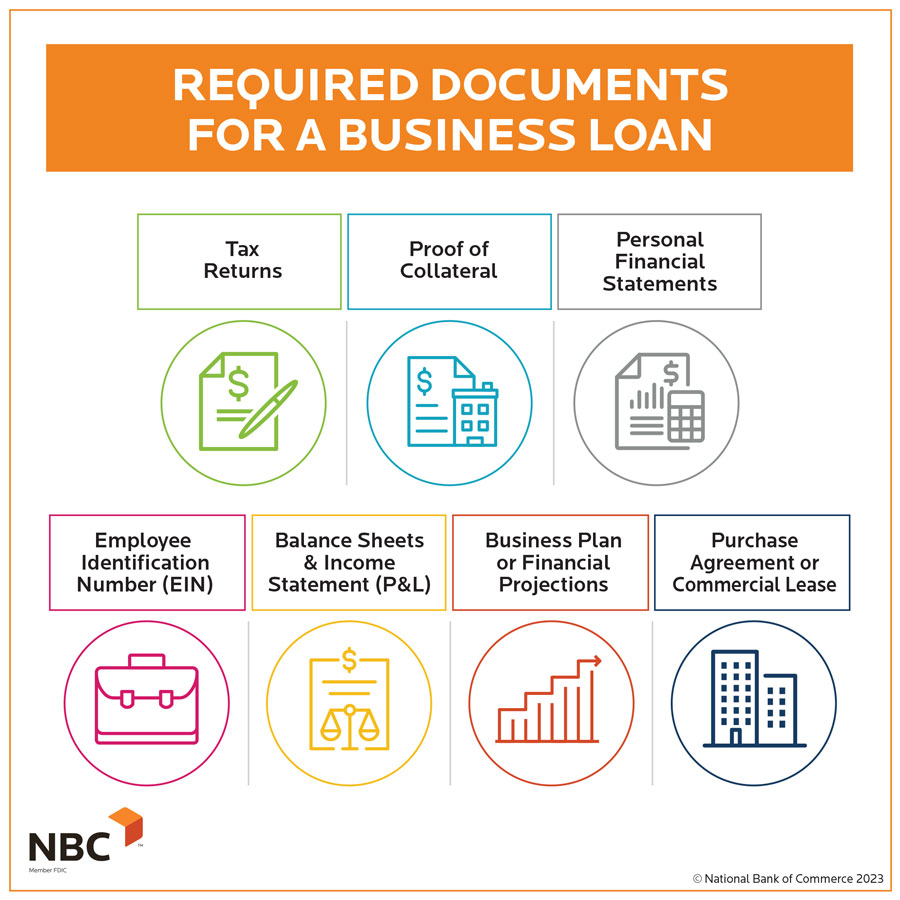
Qualifying for a small business loan is as much about demonstrating your business’s viability as it is about having the right paperwork in order. Lenders require a comprehensive set of documents to thoroughly assess your application. Meticulous preparation in this area not only streamlines the process but also presents your business as organized and professional.
Crafting a Robust Business Plan
A well-written business plan is more than just a formality; it’s a strategic roadmap for your business and a persuasive argument for lenders. It demonstrates that you have thoroughly thought through your business concept, market, operations, and financial projections.
- Executive Summary: A concise overview of your entire business plan, highlighting your mission, products/services, target market, competitive advantages, and financial highlights. This is often the first, and sometimes only, section a lender reads in detail, so it must be compelling.
- Company Description: Details about your business structure, legal entity, history, and long-term vision.
- Market Analysis: In-depth research on your industry, target market, customer demographics, and competitive landscape. Demonstrate a clear understanding of your niche and how you plan to capture market share.
- Organization and Management: Information about your management team, their experience, and the organizational structure. Lenders invest in people as much as ideas.
- Service or Product Line: Detailed descriptions of what you sell, their benefits, and any intellectual property.
- Marketing and Sales Strategy: How you plan to attract and retain customers, including pricing strategies, promotion, and distribution channels.
- Financial Projections: This is arguably the most critical section for lenders. It includes historical financial data (if applicable), detailed sales forecasts, profit and loss statements, cash flow projections, and balance sheets for at least the next 3-5 years. These projections must be realistic and supported by your market analysis.
- Funding Request: Clearly state how much money you need, what it will be used for, and how it will contribute to profitability and repayment.
Comprehensive Financial Statements
Lenders rely heavily on your financial statements to evaluate your business’s current and historical performance. Accuracy and completeness are paramount.
- Profit and Loss Statement (Income Statement): Shows your revenues, costs, and profits over a specific period (e.g., quarterly, annually). Lenders use this to assess your business’s profitability and operational efficiency.
- Balance Sheet: Provides a snapshot of your business’s assets, liabilities, and owner’s equity at a specific point in time. It helps lenders understand your business’s financial health and solvency.
- Cash Flow Statement: Tracks the movement of cash into and out of your business over a period. This is crucial because it shows lenders whether you have enough liquid assets to cover your operating expenses and loan payments, regardless of profitability. Strong positive cash flow is a key indicator of repayment capacity.
- Business Tax Returns: Typically for the past 2-3 years, these provide an official record of your business’s financial activities as reported to tax authorities.
- Personal Tax Returns: For the past 2-3 years, especially for sole proprietors or businesses where personal finances are closely tied to business finances.
- Bank Statements: Business bank statements for the past 6-12 months to show consistent cash flow and transaction history.
Legal and Operational Documentation
Beyond financial figures, lenders will also require various legal and operational documents to ensure your business is legitimate and compliant.
- Legal Business Documents: Articles of incorporation/organization, partnership agreements, business licenses, and permits. These establish your business’s legal standing.
- Commercial Leases or Property Deeds: If your business operates from a physical location, provide documentation for that property.
- Resumes of Key Management: Demonstrates the experience and qualifications of your leadership team.
- Letters of Intent or Contracts: Any significant client contracts or letters of intent that demonstrate future revenue streams.
Navigating Loan Types and Application Strategies
Once you understand what lenders are looking for and have your documentation in order, the next step is to choose the right loan product and approach the application strategically. The small business lending landscape offers a variety of options, each with its own qualifications and benefits.
Exploring Different Small Business Loan Options
The “best” loan type depends on your specific needs, the age of your business, and your qualification profile.
- SBA Loans (Small Business Administration): Government-backed loans provided by traditional lenders (banks, credit unions). The SBA guarantees a portion of the loan, reducing risk for lenders and making it easier for small businesses to qualify. They often come with competitive interest rates and longer repayment terms. There are various SBA loan programs (e.g., 7(a), CDC/504) designed for different purposes, from working capital to real estate acquisition. While SBA loans have stringent requirements, their favorable terms make them highly sought after.
- Traditional Bank Loans: Offered by commercial banks and credit unions. These can include term loans (fixed amount, fixed repayment schedule), lines of credit (flexible borrowing up to a limit), and equipment financing. Traditional banks often require strong credit, a solid business history, and sometimes collateral. They are generally best for established businesses with a proven track record.
- Alternative Lenders/Online Lenders: A growing segment offering more flexible qualification criteria and faster funding. These can include short-term loans, merchant cash advances, invoice factoring, and equipment financing. While accessible, they often come with higher interest rates or fees compared to traditional options, making them suitable for businesses that need quick access to capital or may not qualify for conventional loans.
- Microloans: Smaller loans (typically up to $50,000) offered by non-profit organizations and community development financial institutions (CDFIs). They are often aimed at startups and businesses in underserved communities, sometimes with less stringent credit requirements but may include business coaching.
The Strategic Loan Application Process
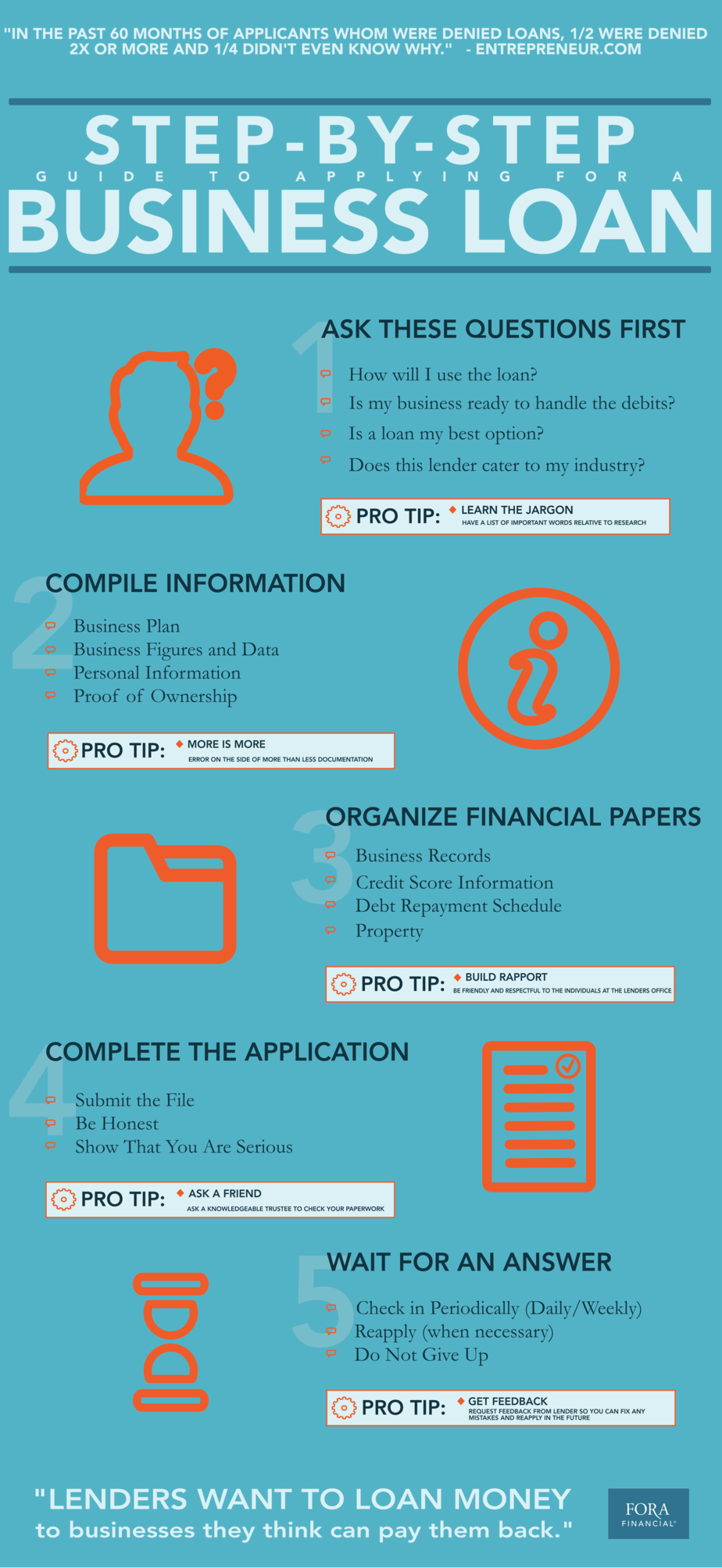
Approaching the application process strategically can significantly enhance your chances of approval.
- Research Lenders: Don’t just apply to the first bank you find. Research lenders that specialize in small business loans, particularly those familiar with your industry or type of business. Some lenders are more startup-friendly, while others prefer established businesses.
- Prepare a Loan Package: Organize all your documents neatly. A well-presented, complete package shows professionalism and makes the lender’s job easier. Consider creating a cover letter and a table of contents.
- Be Honest and Transparent: Always provide accurate information. Misrepresenting your financials or business details can lead to immediate rejection and damage your reputation.
- Understand the Terms: Before signing anything, thoroughly understand the loan’s interest rate, fees, repayment schedule, collateral requirements, and any covenants (conditions you must meet during the loan term). Don’t hesitate to ask questions.
- Consider a Pre-Qualification: Some lenders offer a pre-qualification process, which can give you an early indication of your eligibility without a hard credit pull, saving you time and potential credit score impact.
Building a Strong Relationship with Your Lender
A long-term relationship with a lender can be invaluable. This extends beyond the initial loan application.
- Communicate Regularly: Keep your lender informed about significant changes in your business, positive or negative. Transparency builds trust.
- Meet Your Obligations: Consistently make loan payments on time. This is the best way to demonstrate reliability and strengthen your credit profile for future borrowing needs.
- Seek Advice: Your banker can be a valuable resource. They often have insights into financial strategies, industry trends, and other business services that can benefit your company.
Improving Your Chances and Overcoming Obstacles
Even if your initial qualifications aren’t ideal, there are proactive steps you can take to strengthen your position and address potential weaknesses. Persistence and strategic adjustments can often turn a “no” into a “yes.”
Addressing Financial Weaknesses Proactively
If your credit score isn’t stellar or your cash flow is inconsistent, don’t despair. Identify these weaknesses and develop a plan to address them.
- Improve Credit Scores: Focus on paying down personal and business debts, making all payments on time, and disputing any errors on your credit report. This takes time, so start well in advance of needing a loan.
- Boost Cash Flow: Review your pricing strategies, reduce unnecessary expenses, optimize inventory management, and consider offering early payment discounts to customers to accelerate receivables. A clear upward trend in cash flow, even over a short period, can be persuasive.
- Increase Revenue: Implement new marketing strategies, expand your product or service offerings, or explore new markets to generate more sales. Lenders look for growth potential.
- Reduce Debt-to-Income Ratio: If your business or personal debt is high relative to your income, work on paying down existing obligations before taking on new ones.
Leveraging Collateral and Personal Guarantees
If your business’s financial history is short or its assets are limited, collateral and personal guarantees can often bridge the gap.
- Collateral: Pledging assets like real estate, equipment, or accounts receivable significantly reduces the lender’s risk. Be prepared to provide detailed appraisals or valuations of any assets you wish to use as collateral. Understand the implications of using specific assets – if you default, you could lose them.
- Personal Guarantee: Many small business loans, especially for startups or smaller amounts, require a personal guarantee from the business owner. This means you are personally responsible for repaying the loan if your business defaults. While it increases your personal risk, it can be essential for securing funding. Ensure you understand the full extent of this commitment.
- Cosigner: If your credit profile is weak, a cosigner with a strong credit history can significantly improve your application. The cosigner also agrees to be personally responsible for the loan.
Exploring Alternative Funding Avenues
If traditional loans remain out of reach, don’t overlook alternative funding sources that might be a better fit for your current situation.
- Friends and Family: Often a first source of capital for startups, though it’s crucial to treat these as formal loans with clear terms to protect relationships.
- Angel Investors and Venture Capital: For high-growth potential businesses, equity financing from angel investors or venture capitalists can provide significant capital without the burden of loan repayments. However, this means giving up a share of ownership in your company.
- Crowdfunding: Platforms like Kickstarter or Indiegogo allow you to raise small amounts of money from a large number of people, often in exchange for pre-orders or unique rewards. Equity crowdfunding also exists, allowing you to sell small stakes in your company.
- Grants: Government agencies and private foundations offer grants to businesses that meet specific criteria, often related to innovation, social impact, or specific industries. Grants do not need to be repaid but are highly competitive.
- Revenue-Based Financing: Lenders provide capital in exchange for a percentage of future revenues. This is often more flexible than traditional loans, with repayment fluctuating with your sales.
Qualifying for a small business loan requires diligent preparation, a thorough understanding of financial principles, and a strategic approach to the application process. By focusing on the 5 C’s of Credit, meticulously organizing your financial and legal documentation, and understanding the various loan options available, you can significantly enhance your chances of securing the funding needed to propel your business forward. Remember, a strong financial foundation, coupled with transparent communication and a robust business plan, are your most powerful assets in the pursuit of small business financing.
aViewFromTheCave is a participant in the Amazon Services LLC Associates Program, an affiliate advertising program designed to provide a means for sites to earn advertising fees by advertising and linking to Amazon.com. Amazon, the Amazon logo, AmazonSupply, and the AmazonSupply logo are trademarks of Amazon.com, Inc. or its affiliates. As an Amazon Associate we earn affiliate commissions from qualifying purchases.