
In the intricate world of personal finance, managing your money effectively goes beyond just earning and saving; it involves understanding and utilizing the safeguards available to protect your funds. One such critical financial tool, often overlooked until a crisis arises, is the ability to place a “stop payment” on a check. This mechanism allows you to halt a payment before it processes, serving as a vital safety net against fraud, error, or unforeseen changes in circumstances.
The need to stop payment on a check can stem from a variety of situations: a lost check, a dispute with a vendor, an accidental overpayment, or even discovering fraudulent activity. Whatever the reason, knowing how to execute a stop payment swiftly and correctly is a fundamental aspect of sound financial management. This article will delve into the nuances of stopping a check payment, providing a professional, insightful, and engaging guide for anyone looking to understand this crucial financial maneuver. We will explore the mechanics, the step-by-step process, critical considerations, and proactive measures to enhance your overall financial security, all firmly within the “Money” niche.

Understanding the Stop Payment Mechanism
Before initiating a stop payment, it’s crucial to grasp what it entails, its legal underpinnings, and when it is an appropriate course of action. This understanding forms the bedrock of effective financial protection.
What is a Stop Payment Order?
A stop payment order is a formal request from an account holder to their financial institution instructing the bank not to honor a specific check or pre-authorized electronic payment that has been issued but not yet cleared. Essentially, you are telling your bank, “Do not pay this specific item if it is presented for payment.”
The ability to stop payment is enshrined in banking regulations, specifically under the Uniform Commercial Code (UCC) in the United States, which governs commercial transactions, including checks. While banks are generally obligated to follow a valid stop payment order, customers also bear the responsibility of providing accurate and timely information. This action effectively freezes the payment of a particular check, preventing funds from leaving your account even if the check is presented for cashing or deposit.
When Can You Initiate a Stop Payment?
The timing for a stop payment is paramount. You can initiate a stop payment only on checks that have not yet been cashed or deposited and subsequently cleared your bank account. Once a check has been processed and the funds have been debited from your account, it’s generally too late for a stop payment order. The bank has already fulfilled its obligation to pay the item.
While paper checks are the most common subject of stop payments, the mechanism can also apply to certain pre-authorized electronic payments, such as Automatic Clearing House (ACH) transfers. For recurring electronic payments, you typically have the right to stop future payments by notifying your bank a few days in advance. However, one-time immediate electronic transfers (like wire transfers) are often irreversible.
Common Reasons to Stop Payment
Identifying legitimate reasons for a stop payment is key to using this tool responsibly and effectively. Some of the most frequent scenarios include:
-
Lost or Stolen Checks: This is perhaps the most urgent reason. If a blank or completed check falls into the wrong hands, a stop payment can prevent fraudsters from draining your account. Immediate action is critical here.
-
Disputes with a Payee: You might have issued a check for goods or services that were never delivered, were faulty, or did not meet the agreed-upon terms. Stopping payment can give you leverage in resolving the dispute. However, be aware of potential legal repercussions if the dispute is not legitimately founded.
-
Incorrect Amount or Payee: A simple clerical error, such as writing the wrong amount or misspelling the payee’s name, can necessitate a stop payment to correct the mistake before the check is processed.
-
Revoking a Payment: In some cases, you might decide to cancel a payment you intended to make, perhaps due to a change of plans or a better alternative emerging. As long as the check hasn’t cleared, a stop payment allows you to retract your original intent.
The Step-by-Step Process for Stopping a Check
Executing a stop payment order efficiently requires a systematic approach. Missing a critical piece of information or delaying your action can render the stop payment ineffective.
Gather Essential Information
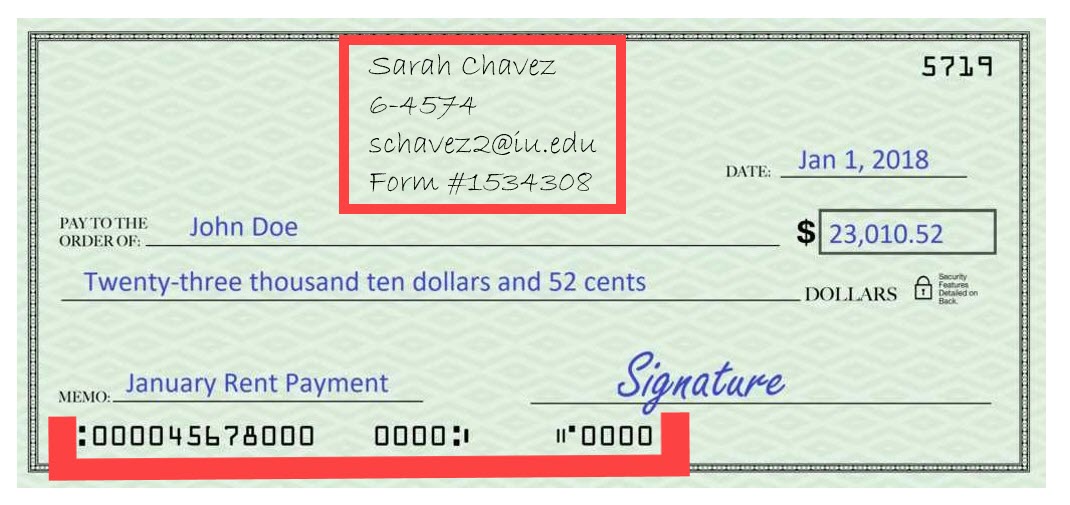
Before contacting your bank, compile all relevant details about the check you wish to stop. Precision is key, as even minor discrepancies can lead to the bank failing to identify and stop the correct check. You will typically need:
-
The exact check number: This is the most crucial identifier.
-
The date the check was written: Even an approximate date can help if the exact date is forgotten.
-
The exact amount of the check: The bank needs this precisely.
-
The full name of the payee: The person or entity to whom the check was made out.
-
The reason for the stop payment: This helps the bank understand the context and might be required for their records.
-
Your bank account number: To link the stop payment request to the correct account.
Contact Your Bank Promptly
Once you have all the necessary information, contact your bank immediately. Time is often of the essence, especially with modern check processing speeds. Most banks offer several channels for initiating a stop payment:
-
Phone: This is often the quickest way to verbally request a stop payment. Be prepared to provide all the gathered information. A verbal request is typically good for 14 days, during which time you usually must follow up with a written request.
-
Online Banking/Mobile App: Many financial institutions now allow customers to initiate stop payments directly through their online banking portal or mobile application. This can be convenient and provides an immediate digital record.
-
In-Person Visit: Visiting a branch can be helpful if you prefer face-to-face interaction or have complex circumstances. A bank representative can guide you through the process and ensure all forms are correctly filled out.
Emphasize the urgency of your request. For paper checks, once they are deposited, they can clear very quickly, sometimes within hours.
Formalize the Request (Written Confirmation)
While a verbal request might provide immediate, temporary protection, it is almost always critical to follow up with a formal written stop payment order. Most banks require a written request within a certain timeframe (e.g., 14 days after a verbal request) to make the stop payment permanent. This written confirmation typically includes:
-
A signed form provided by the bank, detailing the check information.
-
An acknowledgement that you understand the terms and any associated fees.
A written order is usually effective for six months and can often be renewed if the check has still not been presented. This formal step provides legal documentation for both you and the bank, protecting both parties in case of future disputes.
Understand Associated Fees
It’s important to note that banks typically charge a fee for initiating a stop payment order. These fees can vary significantly from one institution to another, usually ranging from $20 to $35 per stop payment. While this might seem like an extra cost, it’s often a small price to pay compared to the potential financial loss from a fraudulent or erroneous check clearing your account. Always inquire about the fee when you make your request, so there are no surprises. Weigh the cost of the fee against the potential amount of the check and the risk involved.

Critical Considerations and Potential Pitfalls
While a stop payment is a powerful tool, it’s not without its complexities. Understanding these critical considerations can help you navigate the process more smoothly and avoid unintended consequences.
Timing is Everything
As reiterated, the window for a successful stop payment is narrow. Banks process transactions continuously, and once a check has been “paid” by your bank – meaning the funds have been irrevocably transferred – a stop payment is no longer possible.
-
Real-time Processing: Modern banking systems often process checks electronically and rapidly. A check deposited across the country could potentially clear your account within hours.
-
Bank Cut-off Times: Banks have daily cut-off times for processing transactions. Requests received after this time may not be processed until the next business day, potentially allowing a check to clear if it’s presented quickly.
-
Weekends and Holidays: These periods can delay the processing of your stop payment request, increasing the risk of the check clearing before your order takes effect. Always consider these factors when estimating your window of opportunity.
Legal Implications and Payee Relations
Stopping payment on a check, particularly for a legitimate debt or service received, can have legal ramifications.
-
Breach of Contract: If you stop payment on a check for goods or services you received, the payee may have legal recourse against you for non-payment, potentially leading to collection efforts, damage to your credit, or even a lawsuit.
-
Maintaining Relationships: For ongoing business relationships or personal transactions, stopping payment without prior communication or a clear justification can damage trust and future interactions.
-
Communication is Key: Whenever possible, attempt to resolve disputes directly with the payee before resorting to a stop payment. A phone call or email might resolve the issue and negate the need for a stop payment, preserving your relationship and avoiding fees.
Always ensure you have a legitimate and justifiable reason for stopping payment to mitigate potential legal or relationship issues.
Electronic Payments vs. Paper Checks
While the term “stop payment” is most commonly associated with paper checks, it’s important to differentiate how it applies to various payment methods:
-
ACH Transfers: For pre-authorized ACH debits (like recurring bill payments), you typically have the right to stop payment by notifying your bank at least three business days before the scheduled payment date. This right is protected under Regulation E of the Electronic Fund Transfer Act.
-
Debit Card Transactions: A debit card purchase is usually an immediate point-of-sale transaction. You cannot “stop payment” on a debit card purchase in the same way you would a check. If there’s an issue, you would typically need to dispute the transaction with your bank.
-
Wire Transfers: Wire transfers are generally irreversible once sent. Their real-time, immediate nature means there is virtually no window for a stop payment. Always exercise extreme caution when initiating wire transfers.
Understanding these distinctions is vital for correctly managing different types of payments and knowing what recourse you have.
Beyond Stop Payments: Proactive Financial Security
While knowing how to put a stop payment on a check is an essential defensive financial strategy, proactive measures can significantly reduce the likelihood of ever needing to use it. Integrating good financial habits into your routine offers a stronger, more consistent layer of protection.
Regular Account Monitoring
The digital age has brought unparalleled convenience to financial management, including tools for constant vigilance over your accounts.
-
Online Banking and Mobile Apps: Utilize these platforms to check your account balances and transaction history frequently. Many apps allow you to view pending transactions, giving you an early warning if an unexpected check is about to clear.
-
Transaction Alerts: Set up email or text alerts for various account activities, such as large withdrawals, low balances, or any transaction exceeding a certain amount. These real-time notifications can help you identify unauthorized activity or errors almost immediately.
-
Reconciling Bank Statements: Regularly compare your bank statements with your own records (check register, receipts). This traditional but effective method helps catch discrepancies that automated alerts might miss.
Secure Check Handling Practices
Prevention starts with how you manage your checks in the first place.
-
Store Checks Safely: Keep blank checks in a secure location, like a locked drawer or safe, to prevent theft. Never leave them lying around.
-
Shred Unused or Voided Checks: Don’t just toss voided checks or old checkbooks into the trash. Identity thieves can piece together information from these, so shred them thoroughly.
-
Be Cautious When Writing Checks: Double-check all details (payee, amount, date) before signing. Avoid leaving large blank spaces where numbers or names could be altered.
-
Use Secure Mailboxes: When mailing checks, use secure, official mailboxes, and try to drop them off as close to pickup time as possible to reduce the time they sit vulnerable.
Exploring Alternative Payment Methods
The landscape of payments has evolved rapidly, offering numerous alternatives that often provide greater security and traceability than paper checks.
-
Digital Bill Pay: Most banks offer free online bill pay services, allowing you to schedule payments directly from your bank account. These payments are often processed electronically or via secure bank checks, reducing the risk of fraud associated with personal checks sent through the mail.
-
P2P Payment Apps (e.g., Zelle, Venmo, PayPal): For person-to-person transactions, these apps offer instant transfers with digital records, eliminating the need for paper checks. However, always ensure you are sending money to the correct recipient, as these transactions are often immediate and irreversible.
-
Credit Cards for Purchases: When making purchases, credit cards often provide superior fraud protection and dispute resolution mechanisms compared to checks. They also offer a layer of separation between your checking account funds and the merchant.
By diversifying your payment methods and choosing the most secure option for each scenario, you can significantly reduce your reliance on paper checks and, consequently, the need for stop payments.
Conclusion
The ability to put a stop payment on a check is a valuable defensive tool in your financial arsenal. It’s a critical safeguard that empowers you to protect your funds against error, fraud, or changing circumstances. However, its effectiveness hinges on prompt action, accurate information, and a clear understanding of the process and its implications.
From gathering essential details and contacting your bank swiftly to understanding associated fees and legal considerations, each step plays a vital role. Moreover, while stop payments are crucial when needed, true financial security comes from proactive management: regularly monitoring your accounts, practicing secure check handling, and embracing modern, safer payment alternatives.
Ultimately, knowing “how to put stop payment on a check” is more than just a procedural task; it’s a testament to responsible financial stewardship. By being informed and proactive, you can navigate the complexities of financial transactions with confidence, minimizing risks and safeguarding your hard-earned money. Always remember, when in doubt, your financial institution is your primary resource for guidance and assistance in protecting your assets.
aViewFromTheCave is a participant in the Amazon Services LLC Associates Program, an affiliate advertising program designed to provide a means for sites to earn advertising fees by advertising and linking to Amazon.com. Amazon, the Amazon logo, AmazonSupply, and the AmazonSupply logo are trademarks of Amazon.com, Inc. or its affiliates. As an Amazon Associate we earn affiliate commissions from qualifying purchases.