
Investing in the S&P 500 is often cited by financial experts, including legendary investors like Warren Buffett, as the most effective way for the average person to build long-term wealth. The Standard & Poor’s 500 is a stock market index that tracks the performance of 500 of the largest companies listed on stock exchanges in the United States. Rather than betting on a single company, an investment in the S&P 500 is a bet on the continued growth and resilience of the American economy.
However, many newcomers are surprised to learn that you cannot “buy” the S&P 500 directly. Because it is an index—a mathematical measurement of stock performance—you must use specific financial instruments to gain exposure to it. This guide provides a professional and comprehensive roadmap for putting your money into the S&P 500, from choosing the right account to selecting the most cost-effective funds.
The Foundation: Understanding the S&P 500 Index
Before committing capital, it is essential to understand the mechanics of the index. The S&P 500 is market-capitalization-weighted. This means that larger companies, such as Apple, Microsoft, and Amazon, have a more significant impact on the index’s performance than smaller companies. When you put money into an S&P 500 fund, your capital is distributed across these 500 companies proportional to their size.
Why the S&P 500 is a Gold Standard
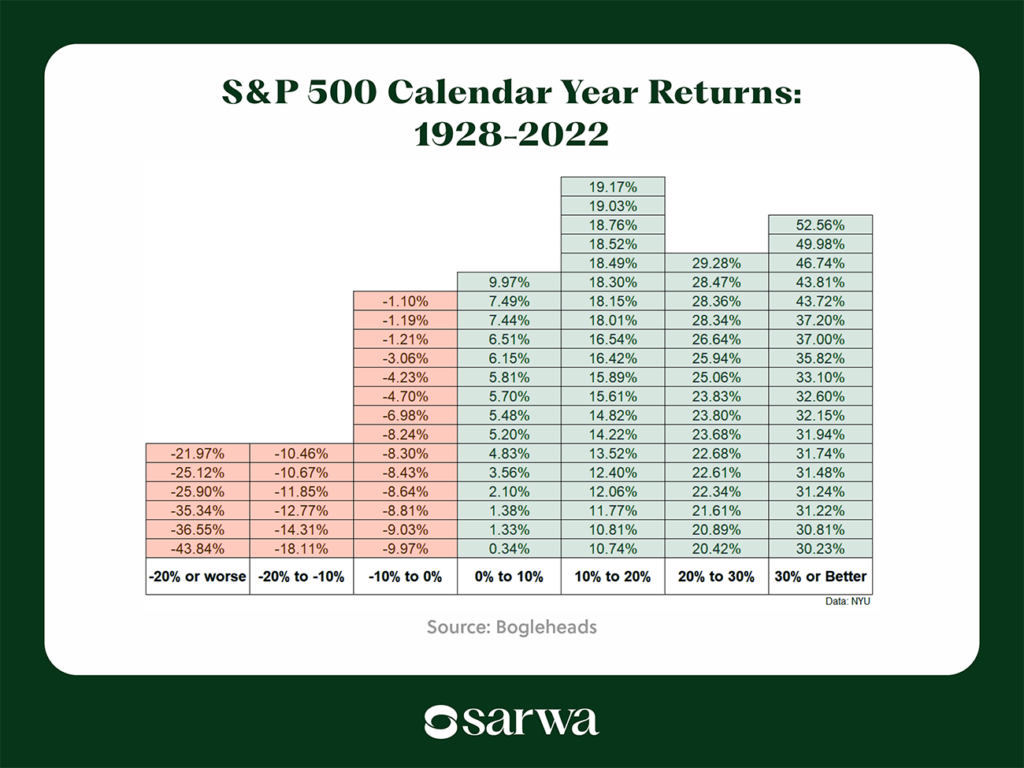
The primary appeal of the S&P 500 lies in its historical performance and its inherent “self-cleansing” nature. To be included in the index, a company must meet strict eligibility requirements, including market cap thresholds and profitability standards. If a company fails to perform or shrinks in value, it is removed from the index and replaced by a rising leader. This ensures that your money is always invested in the “winners” of the corporate world. Historically, the index has provided an average annual return of approximately 10% before inflation, though this fluctuates significantly year to year.
The Role of Diversification
While the S&P 500 consists entirely of large-cap U.S. stocks, it offers substantial diversification across various sectors, including technology, healthcare, financials, and consumer staples. By putting money into the S&P 500, you are effectively buying a slice of the most dominant industries in the global marketplace, mitigating the risk associated with any single company’s failure.
Practical Steps to Buying Your First Shares
To put money into the S&P 500, you need an intermediary. This process involves opening a brokerage account and selecting a specific fund that tracks the index.
1. Choose a Brokerage Platform
The first step is selecting a reputable brokerage. In the modern financial era, most major brokerages have eliminated commissions for online trades, making it more affordable than ever to invest.
-
Vanguard: Known for its investor-owned structure and low-cost philosophy.
-
Fidelity: Offers a wide range of index funds and exceptional customer service.
-
Charles Schwab: A robust platform with a variety of low-cost S&P 500 options.
-
Robo-Advisors: Platforms like Betterment or Wealthfront can automate your S&P 500 investments for a small fee, though manual control is usually preferred for those looking to minimize costs.
2. Select Your Investment Vehicle: ETF vs. Mutual Fund
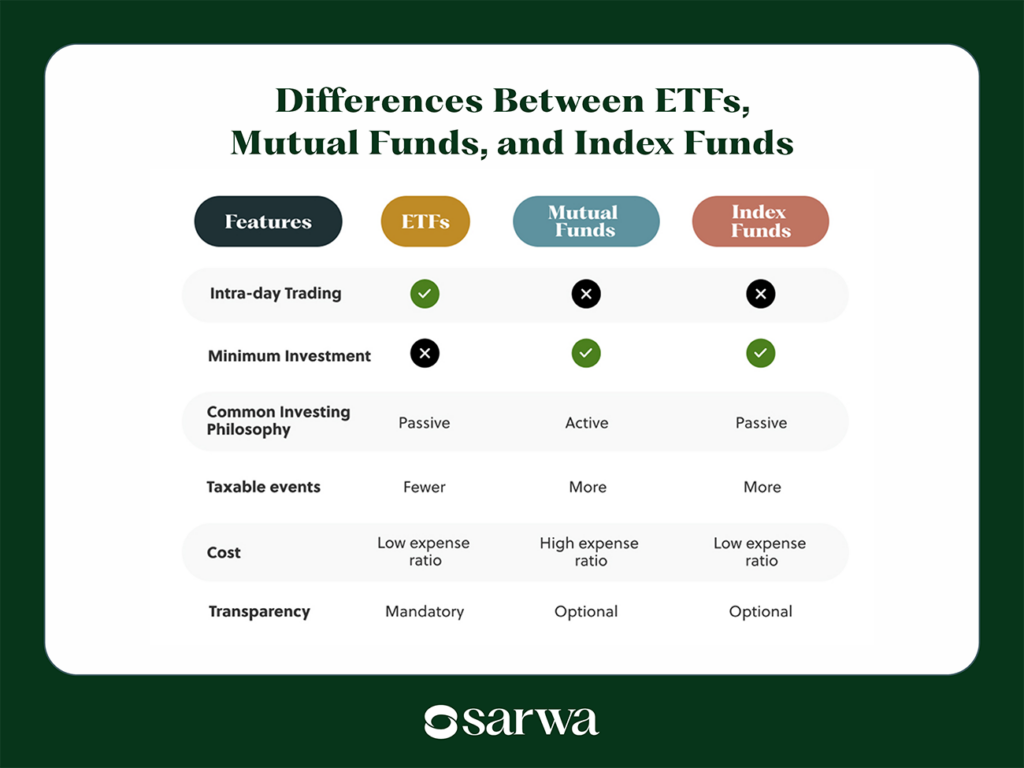
There are two primary ways to track the S&P 500: Exchange-Traded Funds (ETFs) and Index Mutual Funds.
-
ETFs (Exchange-Traded Funds): These trade like individual stocks on an exchange throughout the day. Popular examples include VOO (Vanguard S&P 500 ETF), SPY (SPDR S&P 500 ETF Trust), and IVV (iShares Core S&P 500 ETF). ETFs are generally more tax-efficient and have no minimum investment beyond the price of a single share.
-
Index Mutual Funds: These are priced only once at the end of the trading day. Examples include VFIAX (Vanguard 500 Index Fund) or FXAIX (Fidelity 500 Index Fund). Some mutual funds require a minimum initial investment (e.g., $3,000 for Vanguard), but they allow for automatic recurring investments of specific dollar amounts, which is a major advantage for disciplined savers.
3. Execute the Trade
Once your account is funded, search for the “ticker symbol” of your chosen fund (such as VOO or FXAIX). Enter the amount you wish to invest and confirm the order. If you are using an ETF, you will buy a specific number of shares. If you are using a mutual fund, you can often invest any dollar amount, even if it results in fractional shares.
Strategic Allocation and Account Types
Where you hold your S&P 500 investment is just as important as the investment itself. The tax implications of your account type can significantly affect your net returns over decades.
Tax-Advantaged Accounts
Before putting money into a standard taxable brokerage account, consider utilizing accounts that offer tax benefits:
-
401(k) or 403(b): Many employer-sponsored plans offer an S&P 500 index fund as a core option. If your employer offers a “match,” this is a guaranteed 100% return on your investment before the market even moves.
-
Individual Retirement Accounts (IRAs): Both Traditional and Roth IRAs allow you to invest in S&P 500 ETFs or mutual funds. A Roth IRA is particularly powerful, as your investments grow tax-free, and withdrawals in retirement are also tax-free.
-
Health Savings Accounts (HSA): If you have a high-deductible health plan, an HSA allows for triple-tax advantages. You can invest the funds in the S&P 500 for long-term growth.
Dollar-Cost Averaging (DCA)
One of the most effective strategies for putting money into the S&P 500 is Dollar-Cost Averaging. Instead of trying to “time the market” and waiting for a dip, you invest a fixed amount of money at regular intervals (e.g., $500 every month). This strategy ensures that you buy more shares when prices are low and fewer shares when prices are high, effectively lowering your average cost per share over time and removing the emotional stress of market volatility.
Optimizing for Costs: The Importance of Expense Ratios
When choosing between various S&P 500 funds, the most critical factor to consider is the “expense ratio.” This is the annual fee charged by the fund manager to cover administrative and operating costs, expressed as a percentage of your investment.
The Impact of Small Fees
While a 0.50% fee may seem small, it can compound into hundreds of thousands of dollars in lost gains over a 30-year period. Top-tier S&P 500 index funds are incredibly inexpensive. For example:
-
VOO (Vanguard): 0.03% expense ratio.
-
IVV (iShares): 0.03% expense ratio.
-
FXAIX (Fidelity): 0.015% expense ratio.
At these levels, for every $10,000 you invest, you are only paying $1.50 to $3.00 per year in fees. Avoid any S&P 500 fund with an expense ratio higher than 0.10%, as there is no reason to pay a premium for a fund that simply tracks a public index.
Tracking Error
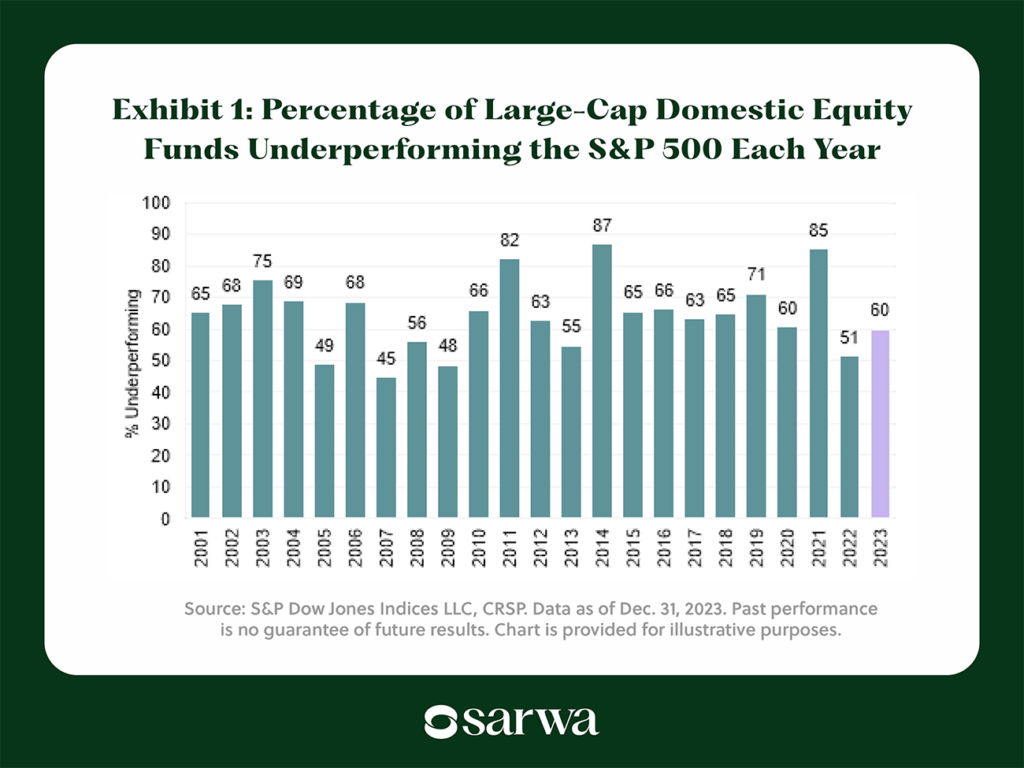
A minor but professional consideration is “tracking error.” This measures how closely the fund follows the actual S&P 500 index. While most major funds from Vanguard, BlackRock, and Fidelity have negligible tracking errors, it is a hallmark of a well-managed fund to stay as close to the benchmark as possible.
Long-Term Management and Expectations
Putting money into the S&P 500 is not a “get-rich-quick” scheme; it is a “get-rich-eventually” strategy. Managing your investment requires a specific psychological approach and an understanding of market cycles.
Navigating Volatility
The S&P 500 does not move in a straight line. It is common for the index to experience “corrections” (a 10% drop) or “bear markets” (a 20% or more drop). Successful investors view these downturns as opportunities to buy shares at a discount rather than reasons to panic and sell. History shows that every single decline in the S&P 500 has eventually been followed by a recovery and new all-time highs.
Dividend Reinvestment (DRIP)
The companies within the S&P 500 often pay dividends. To maximize your wealth accumulation, you should set up a Dividend Reinvestment Plan (DRIP) within your brokerage account. Instead of receiving the dividends as cash, the brokerage automatically uses that cash to buy more shares of the S&P 500 fund. This creates a powerful compounding effect, as you begin to earn dividends on your dividends. Over long periods, reinvested dividends can account for nearly half of the total returns of the S&P 500.
Knowing When to Rebalance
If your portfolio consists only of an S&P 500 fund, rebalancing is not necessary. However, if you hold other assets like bonds or international stocks, the S&P 500’s growth may cause it to take up a larger portion of your portfolio than intended. Annual rebalancing ensures that you maintain your desired risk profile.
Investing in the S&P 500 is a testament to the power of simplicity. By selecting a low-cost fund, utilizing tax-advantaged accounts, and maintaining a disciplined contribution schedule, you harness the productive capacity of the world’s most successful corporations. For those seeking a reliable path to financial independence, there are few tools more proven or accessible.
aViewFromTheCave is a participant in the Amazon Services LLC Associates Program, an affiliate advertising program designed to provide a means for sites to earn advertising fees by advertising and linking to Amazon.com. Amazon, the Amazon logo, AmazonSupply, and the AmazonSupply logo are trademarks of Amazon.com, Inc. or its affiliates. As an Amazon Associate we earn affiliate commissions from qualifying purchases.