
In an increasingly digital financial landscape, managing physical cash can sometimes feel like a disconnect. Yet, for many, cash remains a primary medium for transactions or a preferred method for budgeting. Financial tools like Cash App bridge this gap, offering a seamless way to convert tangible currency into a digital balance, unlocking a host of possibilities for spending, saving, and investing. Understanding how to efficiently deposit cash into your Cash App account is a fundamental step in leveraging this versatile platform for your personal financial management.
Understanding Cash App as a Financial Tool
Cash App, developed by Block, Inc., has evolved far beyond its initial purpose as a simple peer-to-peer payment service. Today, it stands as a comprehensive mobile banking solution that integrates various aspects of personal finance, from direct deposits and debit cards to stock and Bitcoin investing. Its appeal lies in its user-friendly interface and accessibility, particularly for those seeking alternatives or supplements to traditional banking services.
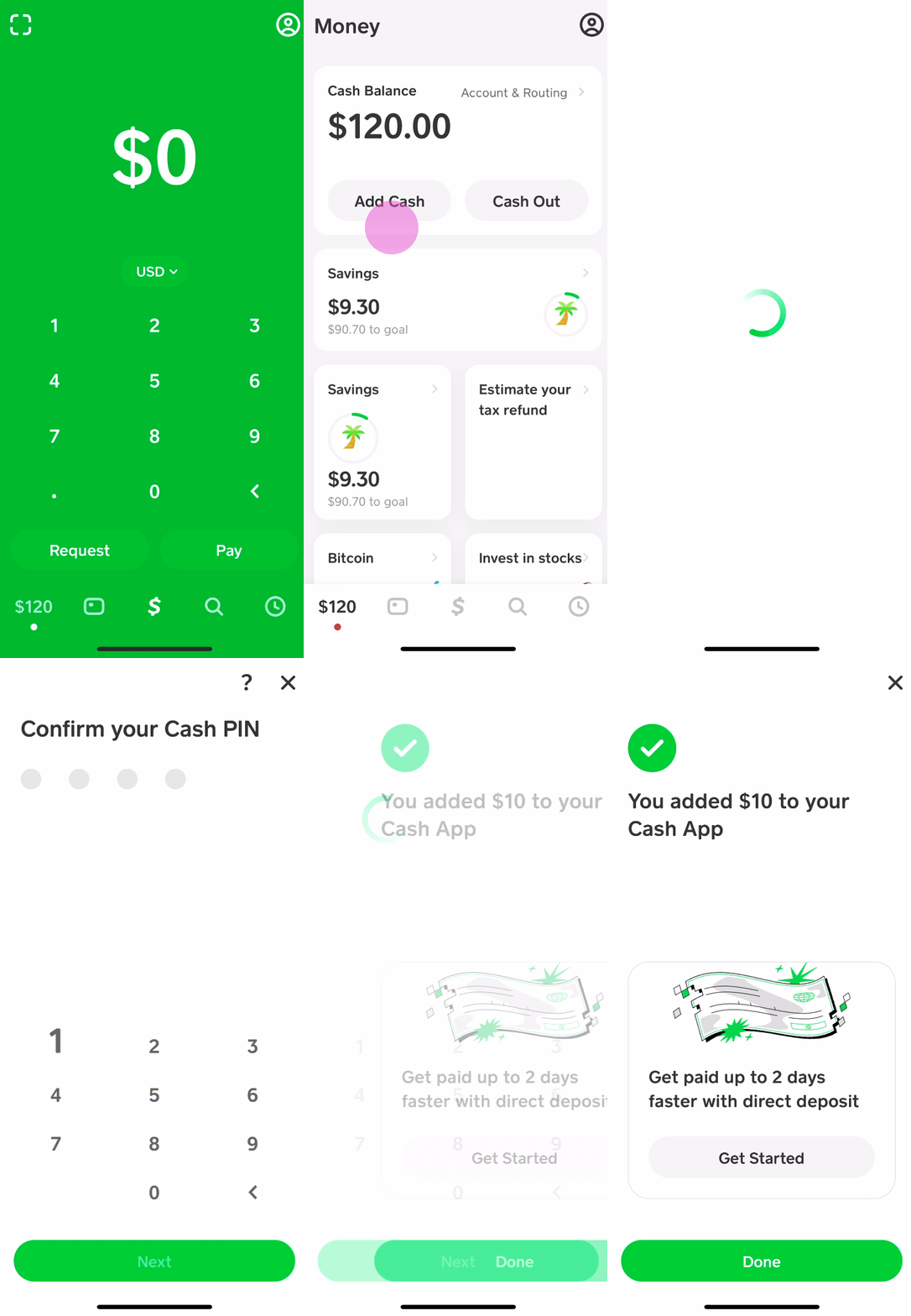
The Role of Digital Wallets in Modern Finance
Digital wallets like Cash App are pivotal in the modern financial ecosystem. They empower users with instant access to funds, facilitate quick transfers, and often provide integrated tools for budgeting and spending analysis. For individuals who prefer or frequently use cash, the ability to convert physical money into a digital balance is transformative. It allows them to participate fully in the digital economy, making online purchases, sending money to friends and family, or even engaging with investment opportunities, all without needing a traditional bank account as their sole intermediary.
Why Deposit Cash into Cash App?
There are several compelling reasons why individuals might choose to deposit physical cash into their Cash App account:
- Convenience: For those who receive income or make sales in cash, it offers a quick way to integrate those funds into their digital spending and saving habits.
- Seamless Payments: Once deposited, the cash is immediately available for sending to other Cash App users, paying bills, or making purchases online and in-store using the Cash Card.
- Budgeting: Converting cash into a digital balance can help track spending more accurately, as all transactions are recorded within the app.
- Access to Features: A funded Cash App account opens doors to features like investing in fractional shares of stocks or buying Bitcoin, democratizing access to financial markets.
- Banking Alternative: For the unbanked or underbanked, Cash App provides a vital pathway to manage funds and access financial services that might otherwise be out of reach.
Step-by-Step Guide to Depositing Physical Cash
Cash App has streamlined the process of depositing physical cash, primarily through partnerships with major retail chains. This method allows users to convert paper money into their digital balance with relative ease.
The Paper Money Deposit Feature
The primary method for depositing physical cash involves generating a barcode within the Cash App and presenting it at a participating retailer. This process is designed to be quick and secure.
Locating Participating Retailers
Cash App has partnered with thousands of retail locations across the United States to facilitate cash deposits. Common participating stores include:
- Walmart
- Walgreens
- 7-Eleven
- CVS Pharmacy
- Dollar General
- Rite Aid
- Family Dollar
To find the nearest participating location, users can utilize the in-app map feature, which pinpoints retailers offering the cash deposit service. This ensures convenience and reduces guesswork.
Generating a Deposit Barcode in the App
Before heading to a store, you’ll need to prepare your Cash App for the deposit:
- Open Cash App: Launch the application on your mobile device.
- Navigate to the Banking Tab: This is usually represented by a bank icon or dollar sign icon on the bottom navigation bar.
- Select “Deposit Cash”: Look for an option explicitly labeled “Deposit Cash” or similar.
- Initiate Deposit: Follow the prompts to begin the deposit process. The app will usually display a list of nearby retailers.
- Generate Barcode: The app will then generate a unique barcode. This barcode is crucial for the transaction at the retailer. It typically has a limited lifespan, so it’s best to generate it just before you plan to visit the store.
Processing the Deposit at the Register
Once you have your barcode and your cash, proceed to a participating retailer:
- Go to the Cashier: Inform the cashier that you wish to deposit cash into your Cash App account. They may be familiar with the process or might need a brief explanation that you have a barcode for a cash deposit.
- Present Barcode and Cash: Hand your phone with the generated barcode to the cashier to scan. Then, provide the physical cash you wish to deposit. Ensure the amount matches what you intend to deposit.
- Confirm Transaction: The cashier will process the transaction. You should receive a confirmation from the cashier and almost immediately a notification from Cash App that the deposit is complete.
Confirmation and Fund Availability
After the cashier processes the deposit, the funds are typically available in your Cash App balance almost instantly. You will receive an in-app notification confirming the successful deposit, and your balance will update accordingly. It’s always good practice to verify your balance immediately after the transaction to ensure accuracy.
Limitations and Considerations for Cash Deposits
While convenient, it’s important to be aware of certain limitations and considerations associated with cash deposits:
- Fees: Many retailers charge a small fee for cash deposits, typically ranging from $1 to $4 per transaction. These fees are deducted from the total amount deposited or charged separately by the retailer.
- Deposit Limits: Cash App imposes daily and weekly limits on cash deposits. These limits vary and can be found within the app’s support section. For example, a common limit might be $500 per transaction, $1,000 per day, and $4,000 per week, though these figures are subject to change by Cash App.
- Security: Always ensure you are depositing cash at a legitimate, well-lit participating retailer. Treat your barcode like sensitive information until it’s scanned, and keep your phone secure.
Alternative Methods for Funding Your Cash App Balance
Beyond physical cash deposits, Cash App offers several other secure and convenient ways to add funds to your account, catering to various financial situations.

Linking a Bank Account or Debit Card
The most common and often preferred method for funding Cash App is by linking a bank account or a debit card.
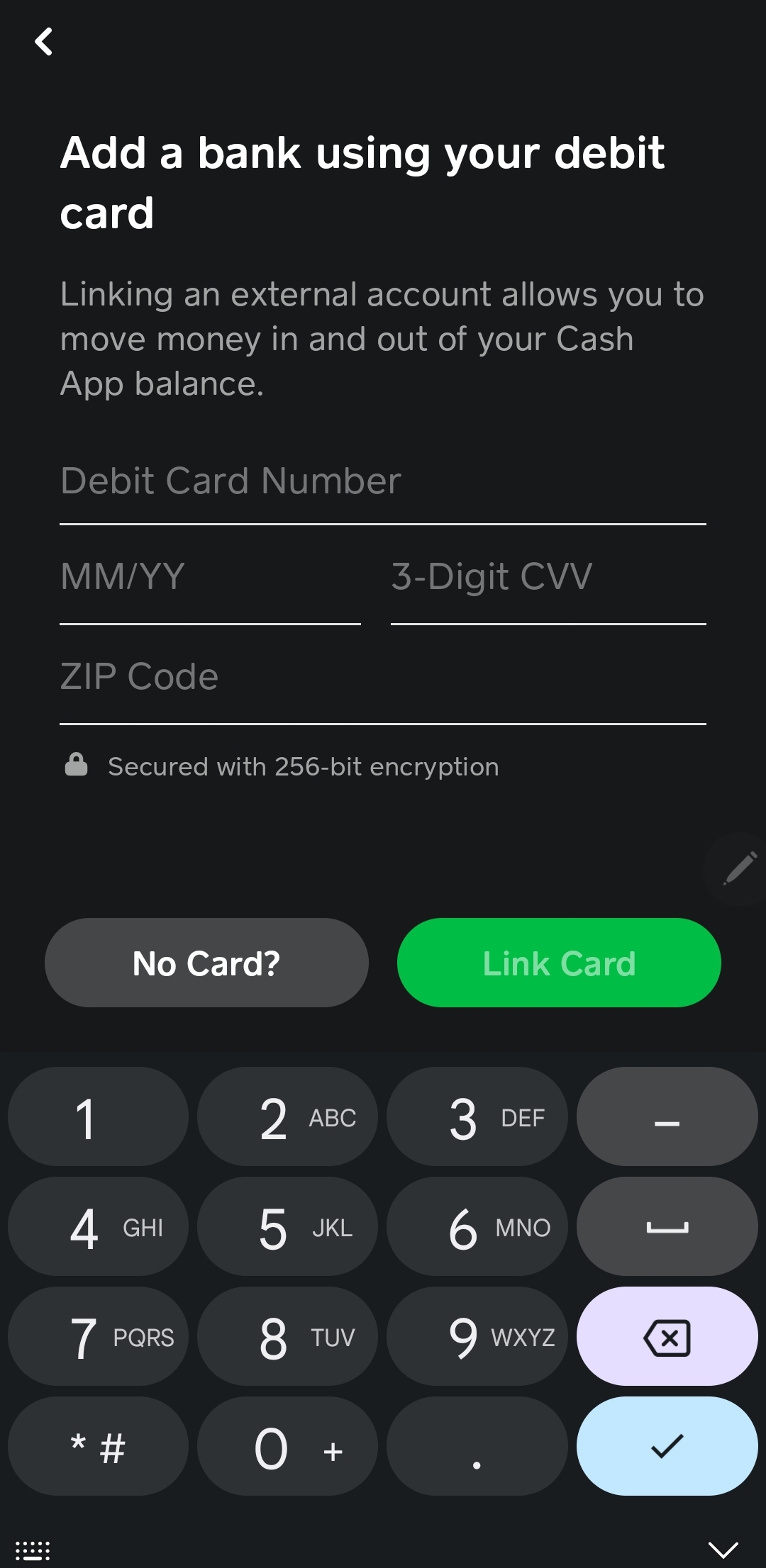
- Linking: From the Banking tab in Cash App, select “Link Bank” or “Link Debit Card.” You’ll be prompted to enter your bank login credentials (for instant verification) or your debit card number, expiration date, and CVV.
- Instant vs. Standard Deposits: Once linked, you can initiate transfers from your bank account to Cash App. Standard deposits are usually free and take 1-3 business days. Instant deposits, while incurring a small fee (typically 0.5% – 1.75%), transfer funds almost immediately.
- Recurring Deposits for Budgeting: Many users set up recurring transfers from their bank account to Cash App to manage budgets, ensuring a set amount is available for daily spending or specific categories.
Receiving Funds from Other Cash App Users
Cash App’s peer-to-peer payment functionality means you can receive money directly from other users. This is a common way to split bills, get paid back by friends, or receive payments for goods and services. The funds received instantly appear in your Cash App balance.
Direct Deposit for Paychecks
For a truly integrated financial experience, Cash App offers direct deposit capabilities. By providing your employer with your Cash App account and routing numbers (found in the Banking tab), you can have your paycheck, government benefits, or tax refunds deposited directly into your account. This makes Cash App a viable option for managing your primary income, often allowing access to funds up to two days earlier than traditional banks.
Maximizing Your Cash App Balance for Personal Finance
Once your cash is in Cash App, the platform becomes a powerful tool for managing various aspects of your personal finances.
Budgeting and Tracking with Cash App
Every transaction made with your Cash App balance is recorded within the app. This provides a clear overview of your spending habits, helping you track where your money goes. By regularly reviewing your transaction history, you can identify spending patterns and make informed decisions to stick to your budget. Integrating cash deposits directly into this digital tracking enhances accuracy, as all your cash inflows and outflows are consolidated.
Utilizing Cash App for Investments
A significant advantage of having funds in Cash App is the ability to easily access its investment features. Users can buy fractional shares of popular stocks or invest in Bitcoin directly from their balance, making investing accessible even with small amounts. This democratizes investment opportunities, allowing individuals to start building wealth without needing a separate brokerage account or substantial capital.
Managing Spending with the Cash Card
The Cash Card, a free, customizable debit card linked to your Cash App balance, allows you to spend your funds anywhere Visa is accepted, both online and in physical stores. This effectively turns your digital Cash App balance into a universally accepted payment method. It’s an excellent tool for managing daily expenses, as you can only spend what’s available in your balance, which can aid in preventing overspending.
Security Best Practices for Your Digital Wallet
Maintaining the security of your Cash App account is paramount. Always enable two-factor authentication, use a strong, unique password, and be wary of phishing attempts. Regularly review your transaction history for any unauthorized activity. Remember, Cash App operates like a bank account; protecting your login credentials and personal information is crucial to safeguarding your funds.
Strategic Financial Planning with Cash App
Integrating Cash App into your financial strategy requires thoughtful consideration, weighing its benefits against your broader financial goals.
Integrating Cash App into Your Overall Financial Ecosystem
For many, Cash App functions as a secondary financial tool, complementing a traditional bank account. It can be ideal for specific purposes: managing discretionary spending, receiving payments from a side hustle, or as a dedicated platform for micro-investing. For others, particularly those seeking to minimize traditional banking fees or who are underbanked, Cash App can serve as a primary financial hub, handling direct deposits and bill payments.
Pros and Cons of Relying on Digital-Only Solutions
Pros:
- Accessibility: Easy setup and use, often requiring minimal documentation.
- Cost-Effectiveness: Many basic services are free or low-cost.
- Convenience: Instant transfers, mobile management, integrated features.
- Innovation: Often at the forefront of new financial technologies (e.g., fractional investing).
Cons:
- Limited Physical Presence: Less access to in-person support compared to traditional banks.
- FDIC Insurance: While Cash App’s banking services (provided by its bank partners) are FDIC-insured, it’s crucial to understand which parts of your balance are covered and under what conditions. Funds held in the app’s P2P balance may not always be directly FDIC-insured in the same way a traditional checking account is.
- Customer Service: May primarily be app-based or online, lacking the human touch some prefer.
- Complexity for Large Sums: While good for daily use, it might not be ideal for managing very large sums or complex financial needs that require extensive advisory services.
When to Use Cash App vs. Traditional Banking
The decision of when to use Cash App versus traditional banking depends on individual financial habits and needs. Cash App excels for:
- Quick peer-to-peer payments.
- Managing a specific budget (e.g., entertainment, groceries).
- Receiving cash income digitally.
- Small-scale investing in stocks or Bitcoin.
- As an accessible banking alternative.
Traditional banks, conversely, may be more suitable for:
- Holding large savings or emergency funds.
- Complex financial products like mortgages, large loans, or trusts.
- Extensive in-person customer service or branch access.
- International banking needs.
Ultimately, integrating cash into your Cash App balance opens up a world of digital financial management. By understanding the processes, features, and strategic implications, you can effectively harness this tool to streamline your finances, manage spending, and even begin your investment journey.
aViewFromTheCave is a participant in the Amazon Services LLC Associates Program, an affiliate advertising program designed to provide a means for sites to earn advertising fees by advertising and linking to Amazon.com. Amazon, the Amazon logo, AmazonSupply, and the AmazonSupply logo are trademarks of Amazon.com, Inc. or its affiliates. As an Amazon Associate we earn affiliate commissions from qualifying purchases.