
In an increasingly volatile global economy, many investors seek tangible assets to preserve wealth and diversify their portfolios. Among these, precious metals like gold and silver have historically served as reliable stores of value. Silver, often dubbed “poor man’s gold,” presents a unique combination of industrial demand, investment appeal, and relative affordability compared to its gilded counterpart. For individuals looking to embark on or expand their journey into precious metals, understanding the nuances of purchasing silver coins is paramount. This comprehensive guide will illuminate the path, from identifying the right type of silver to securing your investment safely and smartly.
Understanding Silver’s Appeal as an Investment
The decision to invest in silver coins stems from a confluence of historical precedent, economic fundamentals, and personal financial strategies. Unlike stocks or bonds, which represent a claim on a company’s earnings or a government’s promise, physical silver holds intrinsic value, independent of any third-party issuer. This characteristic makes it a compelling asset, particularly during times of economic uncertainty.
The Allure of Physical Precious Metals
The tangibility of silver coins provides a sense of security that digital assets or paper investments cannot always replicate. Holding a physical coin in your hand offers a direct connection to wealth, free from counterparty risk often associated with financial institutions. This appeal is deeply rooted in human history, where precious metals have served as currency and a measure of value for millennia. For many, silver coins are not just an investment; they are a direct representation of stored labor and purchasing power, a hedge against potential financial system instability or currency devaluation. Their finite supply and growing industrial demand (in electronics, solar panels, and medical applications) further bolster their long-term value proposition.
Diversification and Inflation Hedge
One of the primary reasons financial advisors recommend precious metals is their role in portfolio diversification. Silver’s price movements often exhibit a low correlation with traditional asset classes like equities and bonds. This means that when stocks falter, silver may hold its value or even appreciate, providing a crucial counterbalance to market downturns. Moreover, silver has historically acted as an effective hedge against inflation. When the purchasing power of fiat currencies erodes due to inflation, the value of hard assets like silver tends to rise, preserving an investor’s real wealth. This protective quality makes silver an attractive component of a well-rounded investment strategy, shielding wealth from the corrosive effects of rising prices.
Accessibility and Liquidity
Compared to gold, silver is significantly more accessible due to its lower price per ounce. This makes it an ideal entry point for new investors or those with smaller capital allocations. You can purchase fractional amounts or full ounces without requiring a substantial upfront investment. Furthermore, silver coins are highly liquid assets. There is a robust global market for silver, making it relatively easy to buy and sell through various channels, from online dealers to local coin shops. This liquidity ensures that investors can convert their silver holdings back into cash with relative ease should the need arise, offering flexibility that some other alternative investments lack.
Types of Silver Coins and What to Look For
Navigating the world of silver coins requires an understanding of the different types available and the factors that influence their value. Not all silver coins are created equal, and discerning between them is crucial for making informed investment decisions.
Bullion Coins: The Practical Choice
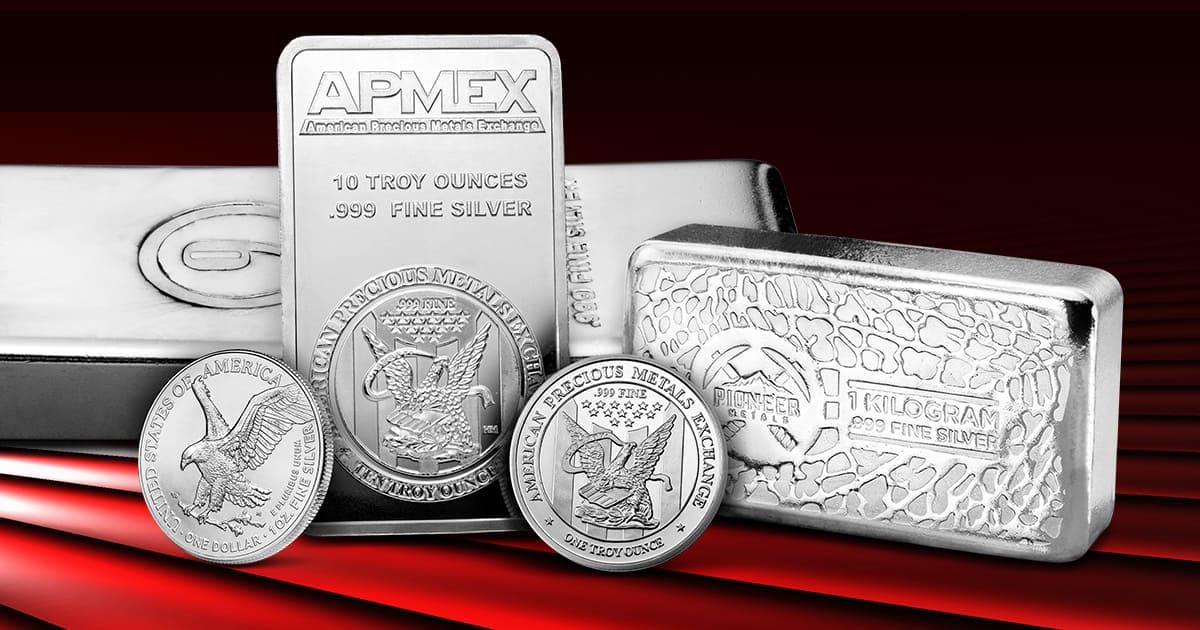
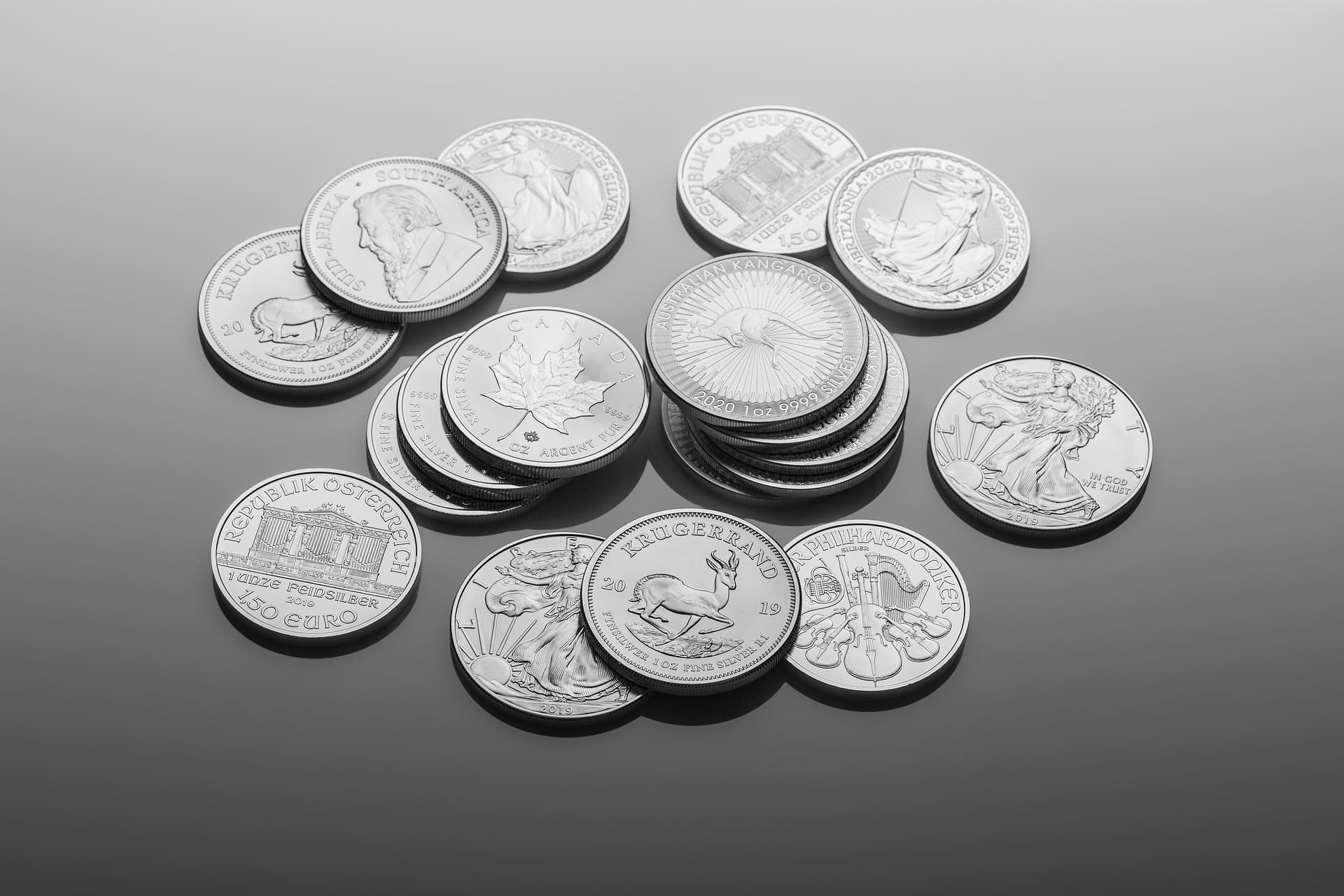
For most investors focused on accumulating silver for its intrinsic metal value, bullion coins are the go-to option. These coins are minted by government institutions (e.g., American Silver Eagles, Canadian Silver Maples, Austrian Silver Philharmonics) or private mints, primarily for their silver content. They are generally priced very close to the spot price of silver (the current market price for an ounce of silver), with a small premium to cover manufacturing, distribution, and dealer costs. Bullion coins typically have a high purity level, often .999 (99.9% pure silver) or even .9999 fine. Their designs are usually consistent year after year, emphasizing their weight and purity rather than rarity or aesthetic changes. They are recognized globally, making them highly liquid and easy to trade.
Numismatic Coins: The Collector’s Angle
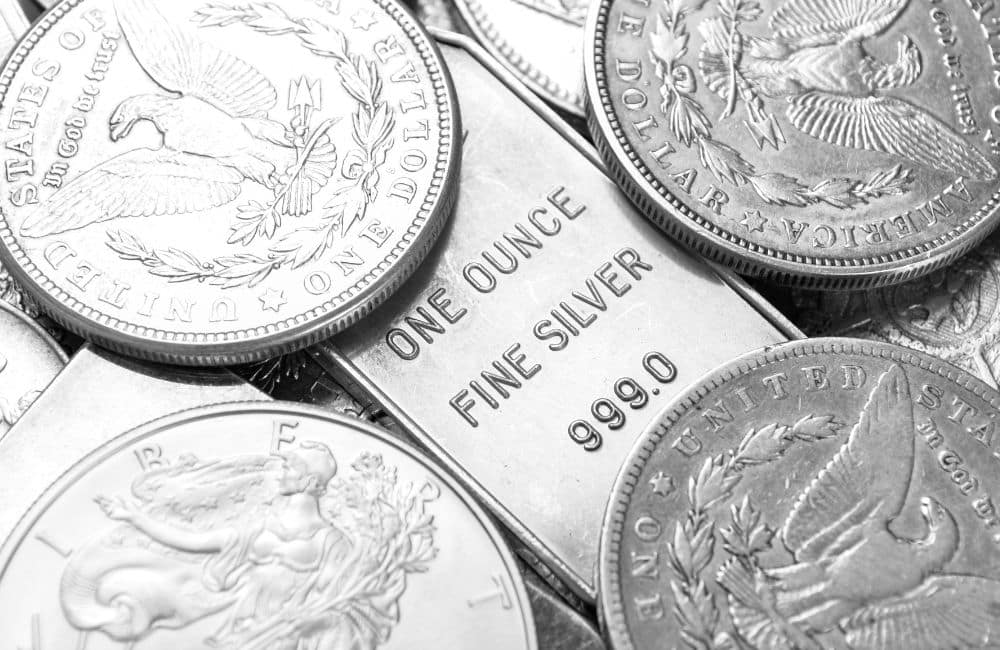
Numismatic coins, also known as collectible coins, derive a significant portion of their value from factors beyond their metal content, such as rarity, historical significance, condition, mintage numbers, and aesthetic appeal. While they do contain silver, their value is often driven by collector demand, which can fluctuate independently of silver’s spot price. Examples include vintage U.S. silver dollars, ancient Roman silver coins, or modern limited-edition proofs. Investing in numismatic coins requires specialized knowledge of grading, market trends, and historical context. While they can offer substantial returns if chosen wisely, they also carry higher risks and are less liquid than bullion coins for the average investor. For wealth preservation, bullion coins are generally recommended over numismatic items for their direct correlation to silver’s market price.
Purity, Weight, and Mint Marks
When purchasing silver coins, three critical attributes to verify are purity, weight, and mint marks.
- Purity: This indicates the percentage of pure silver in the coin. Look for coins with a purity of .999 or .9999 (fine silver). This ensures you are paying for actual silver, not base metals. Government-minted bullion coins typically have their purity stamped directly on the coin.
- Weight: Silver coins are usually denominated in troy ounces (oz t). Common weights include 1 troy ounce, 1/2 troy ounce, and occasionally 5 troy ounces or more. Ensure the coin’s stated weight matches the actual weight, especially when dealing with larger purchases.
- Mint Marks: These small letters or symbols indicate where the coin was minted. For government-issued bullion, mint marks often confirm authenticity and origin (e.g., a “W” for West Point Mint on some American Silver Eagles). While not always present on all bullion coins, they can be important for collectible items. Always verify these details against official specifications to ensure you are buying a legitimate product.
Where to Buy Silver Coins Safely and Smartly
The marketplace for silver coins is diverse, offering various avenues for purchase. Choosing a reputable seller is paramount to ensure authenticity, fair pricing, and a secure transaction.
Reputable Online Dealers
Online dealers have become a preferred choice for many investors due to their competitive pricing, vast selection, and convenience. Companies like JM Bullion, SD Bullion, APMEX, and Provident Metals are well-established and highly regarded within the precious metals community. They often offer lower premiums than brick-and-mortar stores due to their higher volume and lower overhead. When buying online, always check for:
- Customer Reviews and Ratings: Look for consistent positive feedback and transparent business practices.
- Secure Payment Options: Ensure they offer secure payment gateways and protect your personal information.
- Shipping and Insurance: Verify their shipping policies, including insurance against loss or damage during transit.
- Return Policies: Understand their return and buyback policies.
Local Coin Shops (LCS)
Local coin shops offer a more personal buying experience. You can inspect the coins in person, receive immediate delivery, and build a relationship with a dealer who can offer advice and services tailored to your needs. LCS often provides discretion and the ability to pay with cash, which some investors prefer. However, their prices might be slightly higher than online dealers due to higher operating costs. When visiting an LCS:
- Check Reputation: Ask for recommendations or look for local reviews.
- Compare Prices: Don’t be afraid to compare their prices to online dealers or other local shops.
- Ask Questions: A reputable dealer will be happy to answer your questions about authenticity, premiums, and market conditions.
Online Marketplaces and Auctions
Platforms like eBay or specialized auction sites can sometimes offer good deals, particularly on numismatic items or private sales. However, these platforms carry significantly higher risks regarding authenticity and seller reliability. Counterfeit coins are a major concern. If you choose this route:
- Buy from Highly-Rated Sellers: Stick to sellers with extensive positive feedback and a long transaction history.
- Verify Authenticity: Be prepared to authenticate the coins yourself or have them authenticated by a third party.
- Understand Buyer Protections: Familiarize yourself with the platform’s buyer protection policies in case of issues.
- Be Wary of “Too Good to Be True” Deals: These are often indicators of scams.
Avoiding Scams and Unscrupulous Sellers
Regardless of where you purchase, vigilance is key. Be wary of:
- Unsolicited Offers: Especially those that pressure you to buy immediately.
- Unusually Low Prices: Prices significantly below the spot price of silver are a major red flag.
- Lack of Transparency: Sellers unwilling to provide clear information about purity, weight, or their business practices.
- High-Pressure Sales Tactics: Reputable dealers focus on education, not coercion.
- Claims of Guaranteed Skyrocketing Profits: All investments carry risk, and no honest seller will guarantee returns.
Key Considerations Before Making Your Purchase
Beyond choosing where to buy, several financial and logistical factors need careful consideration before you finalize your silver coin purchase.
Understanding Premiums and Spot Price
The spot price of silver is the current market price for one troy ounce of silver for immediate delivery. This price fluctuates throughout the day based on supply, demand, and geopolitical events. The premium is the additional cost added to the spot price when you purchase a physical silver coin. Premiums cover the costs of minting, distribution, dealer overhead, and profit.
- Factors affecting premiums: Smaller coin sizes (e.g., 1/2 oz) often have higher per-ounce premiums than larger sizes (e.g., 1 oz) due to manufacturing efficiencies. Rarer or more aesthetically pleasing coins may also command higher premiums.
- Minimizing premiums: For investors focused on maximizing silver content, buying standard 1-ounce bullion coins in larger quantities typically results in lower per-ounce premiums. Always compare the total price (spot + premium) across different dealers.
Verifying Authenticity
The rise of sophisticated counterfeit coins necessitates vigilance. While buying from reputable dealers significantly mitigates this risk, it’s wise to be aware of basic authentication methods:
- Weight and Dimensions: Use a precise scale to check the coin’s weight and calipers to verify its diameter and thickness against official specifications. Counterfeits are often slightly off.
- Sound Test (Ping Test): Tapping a real silver coin gently produces a distinctive, prolonged “ring” (often called a “ping”). Counterfeits made from base metals will sound duller.
- Magnet Test: Silver is not magnetic. If a powerful magnet sticks to your coin, it’s a fake.
- Reputable Grading Services: For valuable numismatic coins, consider third-party grading and encapsulation by services like PCGS or NGC.
Payment Methods and Security
Common payment methods for silver coins include bank wire transfers, personal checks, money orders, credit/debit cards, and sometimes cryptocurrencies.
- Bank Wire/Checks: Often preferred by dealers for larger transactions as they carry lower processing fees, which can sometimes translate to a small discount for the buyer. However, funds need to clear before shipment.
- Credit Cards: Offer convenience and buyer protection but come with higher processing fees for the dealer, which may be passed on as slightly higher prices. Some dealers may have limits on credit card purchases for precious metals.
- Security: Always ensure your transactions are conducted over secure, encrypted websites (look for “https://” in the URL and a padlock symbol). Never share sensitive payment information via unencrypted email.
Sales Tax Implications
Sales tax on precious metals varies significantly by state and even by municipality in the United States, and by country internationally. Some jurisdictions exempt precious metals from sales tax, especially for purchases over a certain dollar amount or for specific types of products (e.g., “investment-grade” bullion). Other states may apply sales tax to all purchases. It is crucial to research the sales tax laws relevant to your location before making a purchase, as this can add a significant cost to your investment. Reputable online dealers will typically calculate and display applicable sales taxes at checkout.
Managing Your Silver Investment: Storage and Future Sale
Purchasing silver coins is only the first step. Proper storage and a clear understanding of selling strategies are equally important for safeguarding and realizing your investment.
Secure Storage Solutions
Once you own physical silver, securing it becomes a primary concern. Your choices range from at-home storage to professional vaulting services:
- At-Home Storage: For smaller quantities, a robust home safe can be an option. Ensure it’s fire-resistant, waterproof, and securely bolted down. Be mindful of insurance limitations for precious metals stored at home. This method offers immediate access but carries risks of theft, loss, or damage.
- Safe Deposit Boxes: Bank safe deposit boxes offer a secure, off-site storage solution. They are generally resistant to fire and flood. However, bank hours limit access, and the contents are typically not insured by the bank, requiring separate insurance coverage.
- Third-Party Vaulting Services: Specialized precious metals depositories (e.g., Brinks, Delaware Depository, often offered through online dealers) provide highly secure, insured, and audited storage. This is generally recommended for larger holdings. These services come with annual fees but offer peace of mind, professional security, and sometimes tax advantages (e.g., for IRAs). You retain full ownership of your physical metals, often stored in segregated accounts.
When and How to Sell Your Silver
Just as important as buying is knowing when and how to sell your silver.
- Timing: Deciding when to sell depends on your personal financial goals and market conditions. Some investors sell when silver prices reach a certain target, while others sell during economic downturns when silver’s value relative to other assets may be higher.
- Selling Channels:
- Original Dealer/Online Dealers: Many reputable dealers offer buyback programs, often at competitive prices slightly below the current spot price. This is usually the easiest and most straightforward method.
- Local Coin Shops: Can offer quick cash but might pay a lower percentage of spot price compared to large online dealers.
- Peer-to-Peer Sales: Platforms like eBay or local classifieds can fetch higher prices but involve more risk and effort (e.g., shipping, authentication, meeting buyers).
- Condition: The condition of your bullion coins generally does not significantly affect their resale value, as they are valued for their metal content. However, heavily damaged or clearly fake coins will be rejected or purchased at a steep discount. For numismatic coins, condition is paramount.
Record Keeping for Tax Purposes
Accurate record-keeping is vital for managing your silver investments, especially for tax purposes. Keep detailed records of:
- Purchase Dates: The date you acquired each coin or lot.
- Purchase Price: The total cost, including premiums, shipping, and any associated taxes or fees.
- Sales Dates: The date you sold each coin or lot.
- Sales Price: The total proceeds from the sale, minus any selling fees.
- Dealer Information: Names of the dealers you bought from and sold to.
In most jurisdictions, gains from the sale of precious metals are subject to capital gains tax. Long-term capital gains (assets held for over a year) typically receive more favorable tax treatment than short-term gains. Maintaining meticulous records will simplify tax reporting and ensure compliance, preventing potential issues with financial authorities.
Purchasing silver coins can be a rewarding component of a diversified investment strategy. By understanding the types of silver available, choosing reputable sources, considering crucial factors like premiums and authenticity, and implementing secure storage and sound selling strategies, you can confidently navigate the silver market and build a tangible asset base for your financial future.
aViewFromTheCave is a participant in the Amazon Services LLC Associates Program, an affiliate advertising program designed to provide a means for sites to earn advertising fees by advertising and linking to Amazon.com. Amazon, the Amazon logo, AmazonSupply, and the AmazonSupply logo are trademarks of Amazon.com, Inc. or its affiliates. As an Amazon Associate we earn affiliate commissions from qualifying purchases.