
In an increasingly interconnected world, travel has become more accessible than ever. Yet, the cost of airfare often remains the most significant barrier for many aspiring adventurers and business travelers alike. The quest for cheap flights isn’t just about finding a good deal; it’s a strategic exercise in personal finance, demanding a nuanced understanding of market dynamics, timing, and effective utilization of available tools. For those who master this art, the rewards are substantial: more frequent travel, reduced financial stress, and the ability to allocate savings to other experiences or investments. This comprehensive guide will dissect the strategies and tactics involved in consistently securing affordable airfare, empowering you to navigate the complex world of flight pricing with confidence and financial acumen.
Understanding the Dynamics of Airfare Pricing
Before delving into specific booking tactics, it’s crucial to grasp the fundamental economic principles that dictate airfare costs. Airlines operate in a highly competitive and complex environment, where prices are not static but fluid, influenced by a myriad of factors. Recognizing these underlying mechanisms is the first step toward strategic savings.
The Volatility of Demand and Supply
At its core, airfare pricing is a classic example of supply and demand economics. When demand for a particular route and date is high, prices tend to surge. Conversely, during periods of low demand, airlines will often lower prices to fill seats. This sensitivity means that popular routes during peak seasons (holidays, summer vacations) will invariably be more expensive than less-traveled routes during off-peak times. Furthermore, unexpected events, political instability, or even major sporting events can significantly impact demand, leading to rapid price adjustments. Understanding these macro trends allows travelers to anticipate price movements and plan accordingly.
Seasonal and Event-Based Fluctuations
Flight prices are notoriously cyclical. High seasons, such as summer in the Northern Hemisphere, major national holidays (e.g., Thanksgiving, Christmas, Lunar New Year), and school breaks, consistently drive prices upwards due to predictable surges in demand. Conversely, the shoulder seasons (spring and fall in many regions) or the immediate weeks following major holidays often present windows of lower demand and, consequently, lower prices. Beyond broad seasons, specific events like major conferences, festivals, or sporting events in a destination can also inflate airfare for limited periods. Astute travelers consult academic calendars, holiday schedules, and local event listings when planning to identify and avoid these peak pricing periods.
Airline Revenue Management Strategies
Airlines employ sophisticated revenue management systems, often powered by AI and complex algorithms, to maximize profits from every flight. These systems dynamically adjust prices based on real-time data, including booking trends, competitor pricing, historical data, and even the type of device or location from which a search is made. Different “fare buckets” are created, meaning passengers on the same flight might have paid vastly different prices for their seats, depending on when they booked and which fare class they qualified for. This intricate dance of pricing means that the cost of a seat can change multiple times within a single day. The goal of the savvy financial traveler is to understand enough about these strategies to exploit their nuances rather than be exploited by them.
Strategic Booking: Timing and Flexibility
The adage “timing is everything” holds immense truth when it comes to purchasing cheap flights. Beyond general understanding of market dynamics, specific strategies related to when and how you book can yield significant financial dividends.
The “Sweet Spot” for Booking
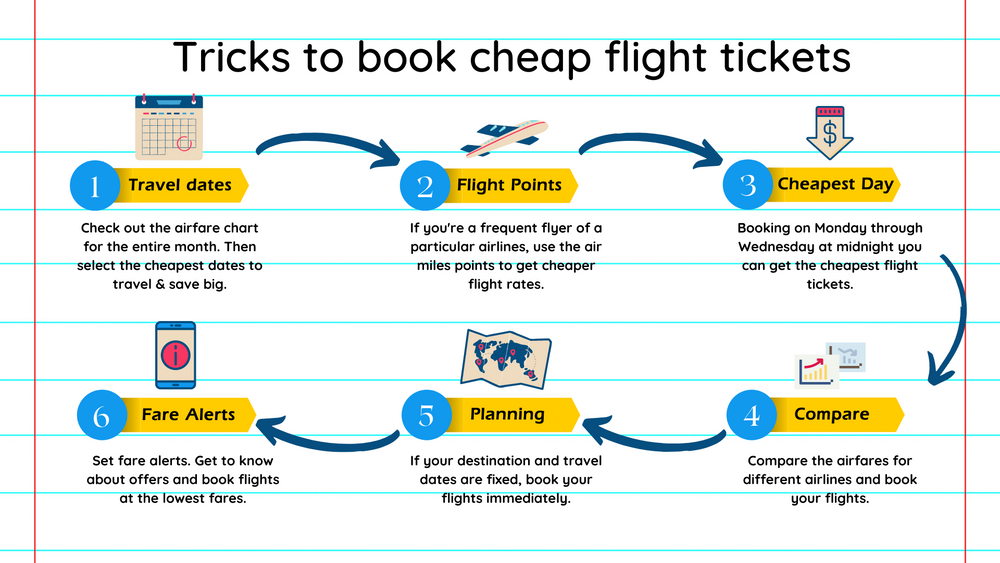
While there’s no single magic number, extensive data analysis consistently points to a “sweet spot” for booking flights. For international travel, this is often between 3 to 6 months in advance. For domestic flights, it might be closer to 1 to 3 months out. Booking too early (e.g., a year in advance) often means missing out on potential sales or future price drops, as airlines haven’t finalized their full pricing strategy. Booking too late, however, especially within a few weeks of departure, usually results in significantly higher fares as the remaining seats are often in premium fare buckets reserved for business travelers or last-minute emergencies. Monitoring price trends during this window is critical.
Leveraging Off-Peak Travel Windows
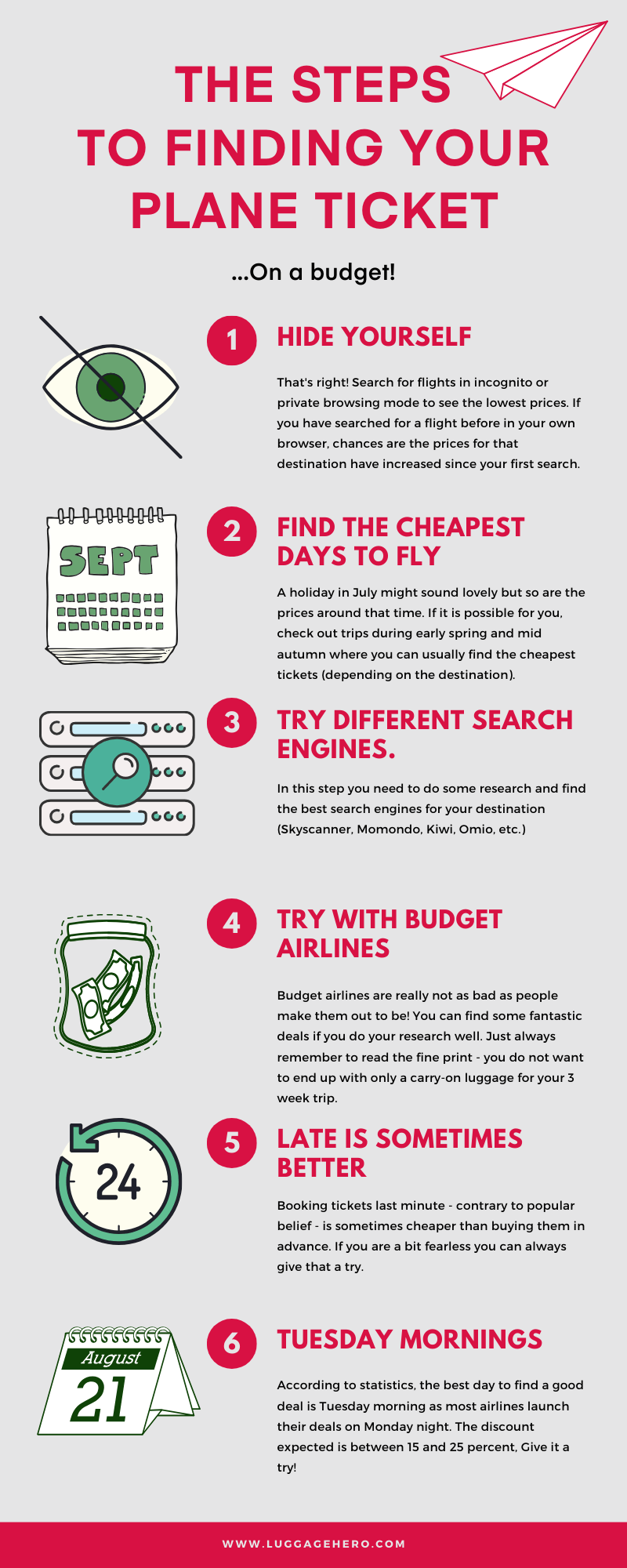
Flexibility with your travel dates is perhaps the single most potent weapon in the arsenal of a budget-conscious traveler. Flying on Tuesdays, Wednesdays, or Saturdays (for international flights) often yields lower fares than peak travel days like Fridays and Sundays. Similarly, choosing early morning flights or late-night red-eyes, which are less convenient, frequently come with a lower price tag. Even shifting your departure or return by a single day can sometimes result in hundreds of dollars in savings. By embracing non-traditional travel times, you align yourself with periods of lower demand, directly translating into financial benefits.
The Power of Flexible Dates and Destinations
If your primary goal is cheap travel, rather than a specific destination, embracing flexibility on both fronts can unlock incredible savings. Tools that allow you to search for the “cheapest flights to anywhere” or “cheapest flights in a month” are invaluable. For instance, instead of being fixated on Paris, an open search might reveal significantly cheaper flights to Rome or Berlin for your desired travel window. Similarly, if your dates are flexible, you might find a fantastic deal for Paris in October rather than your initially planned July. This openness transforms the search from a rigid requirement to an exploratory financial opportunity.
Last-Minute Deals: Myth vs. Reality
The romantic notion of scoring incredible last-minute deals often proves to be a myth in modern air travel, especially for popular routes. While an airline might occasionally offer a distressed inventory sale for a nearly empty flight, these are rare and unreliable. More often, last-minute bookings, particularly within 14 days of departure, are exorbitantly expensive, as airlines target business travelers with urgent needs. Relying on last-minute deals is a risky financial gamble for leisure travelers and generally ill-advised for those seeking consistent savings.
Mastering Search Techniques and Tools
The digital age has revolutionized how we search for flights, offering a plethora of tools and techniques. However, not all search methods are created equal, and employing smart strategies can make a substantial difference in your final ticket price.
Aggregators vs. Direct Airline Bookings
Flight search engines (aggregators) like Google Flights, Skyscanner, Kayak, and Momondo are excellent starting points. They cast a wide net, comparing prices across numerous airlines and online travel agencies (OTAs). However, it’s crucial to use them wisely. After identifying potential routes and prices, always cross-reference those fares directly on the airline’s own website. Sometimes, airlines offer exclusive deals, better cancellation policies, or loyalty program benefits that aren’t visible on aggregators. Booking directly with the airline can also simplify any future changes or cancellations, saving potential headaches and fees.
Incognito Mode and Cookie Management
A persistent urban myth suggests that airlines track your searches via cookies and increase prices upon repeat visits. While the direct link between personal cookies and immediate price hikes is debatable, sophisticated dynamic pricing algorithms certainly exist. To ensure you’re seeing the freshest, unbiased prices, it’s a good habit to search for flights in incognito or private browsing mode, or to clear your browser’s cookies regularly. This helps mitigate any potential for personalized dynamic pricing based on your search history. Using a Virtual Private Network (VPN) to search from different geographical locations is another advanced tactic, as prices can sometimes vary by country.
Setting Price Alerts and Notifications
One of the most effective passive strategies for securing cheap flights is to set up price alerts. Almost all major flight search engines and some airline apps offer this feature. Once you’ve identified your desired route, set an alert to be notified when prices drop. This eliminates the need for constant manual checking and ensures you’re among the first to know when a good deal emerges. Be patient, and often, the right price will come to you.
Utilizing Budget Airlines and Low-Cost Carriers
Budget airlines (e.g., Spirit, Frontier, Ryanair, EasyJet, AirAsia) have transformed travel by offering significantly lower base fares. However, they operate on an “unbundled” pricing model, meaning nearly every amenity – checked baggage, seat selection, in-flight meals, even printing your boarding pass – comes with an additional fee. While they can offer incredible savings, it’s essential to understand their fee structure thoroughly. Add up all potential costs before booking to ensure the “cheap” fare remains cheap after all the add-ons. For minimalist travelers or short trips where baggage is limited, budget airlines can be a financial godsend.
Advanced Money-Saving Tactics Beyond Booking
While the booking process is paramount, smart financial strategies extend beyond simply purchasing the ticket. A holistic approach to travel finance considers all aspects of the journey.
Maximizing Loyalty Programs and Travel Points
For frequent travelers, leveraging airline loyalty programs and travel credit card points is a powerful way to reduce out-of-pocket flight costs. Strategic use of points can lead to free flights, upgrades, or significant discounts. Research credit cards that offer generous sign-up bonuses, high earning rates on travel-related spending, and valuable redemption options. Understand the nuances of airline alliances, as points earned with one airline can often be redeemed on partner carriers. This turns everyday spending into future travel savings, making it a cornerstone of savvy personal finance for travelers.
Smart Packing to Avoid Baggage Fees
Baggage fees can quickly erode any savings gained from a cheap flight. Budget airlines, in particular, are notorious for hefty charges for checked bags and even oversized carry-ons. Invest in a lightweight, regulation-sized carry-on bag, and master the art of minimalist packing. Utilize packing cubes, wear your heaviest items, and consider shipping bulky items if the cost is less than the airline’s baggage fees. For longer trips, assess whether the cost of checking a bag on a full-service airline might be less than the accumulated fees on a budget carrier.
Considering Alternative Airports and Layover Strategies
Sometimes, flying into or out of a smaller, secondary airport near your destination can be significantly cheaper than using the primary international hub. Factor in the cost and time of ground transportation from the alternative airport, but often, the savings on airfare outweigh these additional expenses. Similarly, direct flights are convenient but almost always more expensive. Opting for flights with layovers, especially longer ones, can drastically reduce fares. If you’re not in a hurry, a strategic layover can even turn into a mini-adventure or provide an opportunity to explore an additional city.
Travel Insurance: A Cost-Benefit Analysis
While travel insurance is an additional cost, for expensive flights or complex itineraries, it can represent a crucial financial safeguard. Consider its value in protecting against unforeseen circumstances like flight cancellations, lost luggage, medical emergencies abroad, or trip interruptions. Evaluate the policy’s coverage carefully. For those with robust travel credit cards, some insurance benefits might already be included. For budget flights where the ticket cost is minimal, the insurance might not be worth the premium. It’s a risk assessment based on the financial outlay of your trip and your personal risk tolerance.
Common Pitfalls and How to Avoid Them
Even the most seasoned travelers can fall victim to common pitfalls that negate their efforts to save money. Being aware of these traps is as important as knowing the strategies for finding cheap flights.
Overlooking Hidden Fees
The initial price displayed is not always the final price. Budget airlines, as mentioned, are notorious for add-on fees. But even full-service carriers can have hidden costs like seat selection fees, credit card processing fees, or fees for specific payment methods. Always proceed to the final booking page before making a decision to see the total cost. Read the fine print carefully, especially regarding baggage allowances, before committing to a purchase.
The Lure of Unrealistic Deals
If a deal seems too good to be true, it often is. Be wary of outrageously low prices from unfamiliar third-party websites or through unsolicited emails. These can sometimes be scams or involve incredibly restrictive conditions that make them impractical. Stick to reputable search engines, known OTAs, and direct airline websites. A healthy dose of skepticism can protect your finances from fraudulent offers.
Impulse Booking Without Research
The fear of missing out (FOMO) on a “flash sale” can lead to hasty decisions. While some legitimate sales are time-sensitive, it’s crucial to take a moment to research the overall cost, check alternative dates/airports, and confirm the destination aligns with your budget and travel goals. Impulse booking without adequate research often leads to buyer’s remorse when a better deal surfaces or unforeseen costs arise. Give yourself enough time to make an informed financial decision.

Neglecting Cancellation and Change Policies
Life is unpredictable, and travel plans can change. Before booking, especially a non-refundable cheap flight, understand the airline’s cancellation and change policies. What are the fees for modifications? Is the ticket completely non-refundable, or can you get a credit for future travel? Factor in the potential cost of flexibility. Sometimes, paying a slightly higher fare for a more flexible ticket can be a wiser financial decision in the long run, particularly for complex international itineraries or when planning far in advance.
In conclusion, purchasing cheap flights is not about luck; it’s a skill honed through strategic planning, financial literacy, and a willingness to adapt. By understanding the intricate dance of airfare pricing, leveraging strategic booking tactics, mastering search tools, and avoiding common financial pitfalls, you can transform the daunting task of flight booking into an empowering exercise in personal finance. Embrace the journey of discovery, not just to your destination, but in the art of making travel more affordable and accessible for your budget.
aViewFromTheCave is a participant in the Amazon Services LLC Associates Program, an affiliate advertising program designed to provide a means for sites to earn advertising fees by advertising and linking to Amazon.com. Amazon, the Amazon logo, AmazonSupply, and the AmazonSupply logo are trademarks of Amazon.com, Inc. or its affiliates. As an Amazon Associate we earn affiliate commissions from qualifying purchases.