
Purchasing a Tesla is no longer merely a statement of environmental consciousness; it is a sophisticated financial decision that requires a deep understanding of modern asset management. Unlike the traditional dealership model, Tesla’s direct-to-consumer approach removes the friction of negotiation but introduces a complex web of tax incentives, financing variables, and long-term valuation shifts. To navigate this acquisition successfully, one must view the purchase through the lens of a “Total Cost of Ownership” (TCO) model rather than a simple sticker-price transaction.
This guide explores the economic architecture of purchasing a Tesla, providing a roadmap for high-net-worth individuals and budget-conscious professionals alike to optimize their investment in the future of mobility.
Understanding the Total Cost of Ownership (TCO)
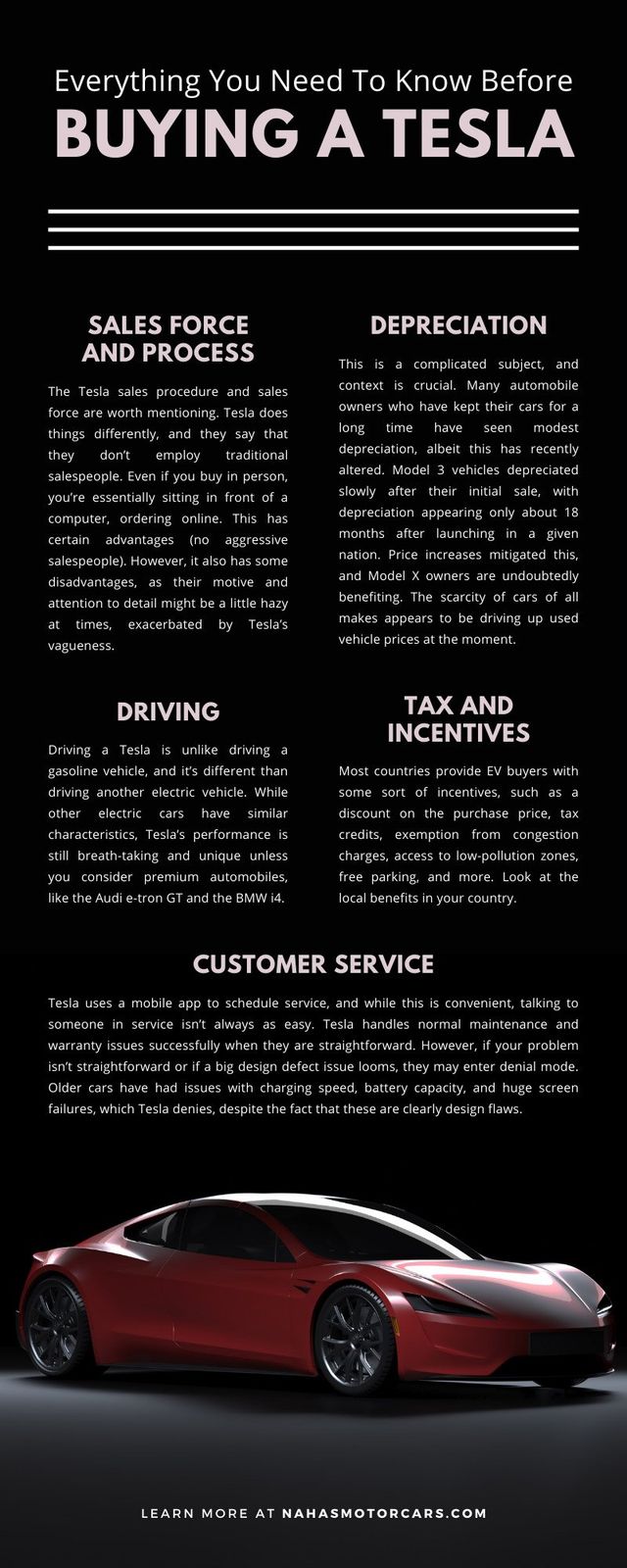
The primary mistake many prospective buyers make is comparing a Tesla’s MSRP directly against a gasoline-powered equivalent. In the world of personal finance, the purchase price is only the “entry fee.” The real value of a Tesla lies in its operational efficiency over a five-to-ten-year horizon.
Sticker Price vs. Net Effective Cost
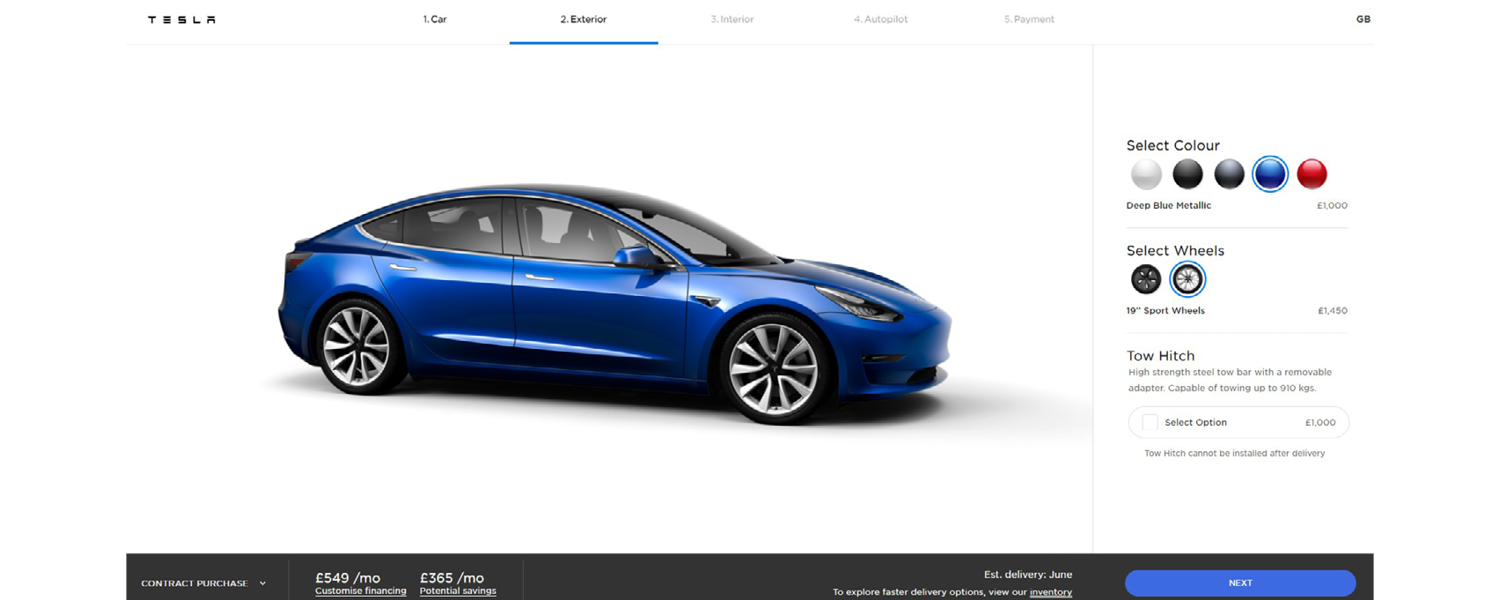
When looking at the Tesla website, the prices displayed often include “estimated gas savings.” While this is a marketing tactic, from a financial perspective, it is a crucial metric. A Tesla Model 3 may have a higher upfront cost than a mid-range sedan, but the net effective cost—the amount of liquid capital leaving your pocket over the life of the vehicle—is often significantly lower. To calculate this, a buyer must subtract federal credits, state rebates, and projected fuel savings from the gross purchase price.
Fuel Savings and Maintenance Reductions
Energy costs for an electric vehicle (EV) are roughly one-third the cost of gasoline per mile, depending on local utility rates. For an individual driving 15,000 miles per year, this can result in an annual cash-flow improvement of $1,000 to $2,000. Furthermore, the mechanical simplicity of a Tesla—lacking oil changes, spark plugs, and complex transmission systems—reduces the “maintenance drag” on your annual budget. These reclaimed funds can be redirected into interest-bearing accounts or other investment vehicles, compounding the car’s value over time.
Depreciation and Resale Value
Historically, Teslas have maintained higher-than-average resale values compared to traditional luxury vehicles. However, the market has become more volatile as Tesla adjusts its pricing to maintain market share. A savvy buyer must analyze the current “depreciation curve.” Because Tesla updates its hardware and software continuously, the resale value is often tied more to the battery health and the version of the Autopilot hardware than the model year. Understanding this allows a buyer to treat the car as a depreciating asset that can be strategically offloaded before a major hardware refresh occurs.
Leveraging Government Incentives and Tax Credits
In the current financial landscape, the federal government and various state entities act as silent partners in your Tesla purchase. Navigating the Inflation Reduction Act (IRA) is essential for maximizing the ROI of your acquisition.
Federal Clean Vehicle Credits
Under current regulations, certain Tesla models qualify for a federal tax credit of up to $7,500. This is not merely a deduction but a “point-of-sale” credit that can be applied directly to the purchase price, reducing the amount financed and the subsequent interest paid over the life of the loan. However, these credits are subject to strict income caps and MSRP limits. A buyer must ensure their Modified Adjusted Gross Income (MAGI) falls within the thresholds ($150,000 for individuals, $300,000 for joint filers) to avoid a surprise tax liability at the end of the year.
State-Specific Rebates and Local Perks
Beyond the federal level, many states offer additional financial “sweeteners.” California, New York, and Colorado, for example, have historically offered rebates ranging from $500 to $5,000. Additionally, local utility companies often provide “Time of Use” (TOU) rate plans or rebates for installing home charging equipment. These micro-incentives, when aggregated, can shave an additional 5–10% off the total investment cost.
Commercial Use and Section 179 Deductions
For business owners and entrepreneurs, the Model X—due to its Gross Vehicle Weight Rating (GVWR)—has historically qualified for accelerated depreciation under Section 179 of the tax code. This allows for a significant portion of the vehicle’s cost to be written off in the first year of ownership if used for business purposes. When structured correctly by a tax professional, a Tesla can serve as a massive tax shield, effectively paying for a large portion of itself through tax savings.

Financing and Leasing Strategies for the Modern Investor
How you pay for a Tesla is just as important as what you pay. With fluctuating interest rates, the choice between cash, financing, and leasing requires a careful analysis of opportunity cost.
Direct Financing through Tesla vs. Traditional Lenders
Tesla offers in-house financing, often with a streamlined approval process through the app. However, a financially literate buyer should always benchmark Tesla’s rates against credit unions or private banks. Credit unions often offer “Green Auto Loans” with interest rates 0.5% to 1% lower than standard rates. By securing a lower rate, you reduce the “cost of capital,” ensuring that more of your monthly payment goes toward the principal of the asset.
The Pros and Cons of Tesla Leasing
Leasing a Tesla is a hedge against technological obsolescence. Since EV tech moves rapidly, leasing allows a driver to “rent” the technology for three years and return it before the battery tech becomes dated. However, it is important to note that Tesla traditionally does not allow lessees to purchase the vehicle at the end of the term. From a pure wealth-building perspective, this can be a disadvantage, as you build zero equity in the asset. Leasing is best suited for those who prioritize cash flow and want to avoid the risks of long-term depreciation.
Cash vs. Opportunity Cost
For those with the liquidity to buy a Tesla in cash, the decision hinges on the “hurdle rate” of their other investments. If you can finance a Tesla at 5% but your investment portfolio is returning 8%, it is mathematically superior to finance the car and keep your cash invested in the market. This spread, known as “positive carry,” is a hallmark of sophisticated personal finance management.
Insurance and Infrastructure: The Hidden Balance Sheet
The purchase price and the monthly payment are not the final figures on the balance sheet. Two major “hidden” costs can significantly impact the financial feasibility of owning a Tesla.
The Tesla Insurance Ecosystem
Insuring a Tesla can be more expensive than insuring a traditional car due to the high costs of specialized repairs and sensors. In several states, Tesla offers its own insurance product based on real-time driving behavior. For a safe driver, this can lead to premiums 20–40% lower than traditional carriers. Incorporating this into the monthly budget is essential for an accurate financial projection.
Infrastructure Investments: Home Charging Costs
A Tesla is only truly efficient if you can charge it at home. The installation of a Tesla Wall Connector involves a capital outlay for both the hardware and professional electrical labor. Depending on your home’s electrical panel capacity, this can range from $500 to $2,500. While this is an upfront cost, it should be viewed as a home improvement that adds to the property’s value, particularly as EVs become the standard.
Maximizing ROI: Timing the Purchase
Tesla’s pricing is dynamic, often changing overnight based on supply chain efficiency and quarterly targets. Timing the market is a viable strategy for the patient buyer.
The “End of Quarter” Delivery Push
Tesla operates on a quarterly cycle and is known for offering incentives—such as free Supercharging miles or temporary price cuts—to move inventory before the quarter ends (March, June, September, and December). Monitoring these cycles can lead to thousands of dollars in savings or added value for no additional cost.
New vs. Inventory vs. Certified Pre-Owned (CPO)
While ordering a custom Tesla is the standard experience, checking the “Existing Inventory” section of the website can yield immediate discounts on “demo” vehicles or cars that were ordered but never delivered. Furthermore, the Certified Pre-Owned market offers a way to enter the Tesla ecosystem at a lower price point while still benefiting from a limited warranty. For a buyer focused on minimizing the “initial hit” of depreciation, a two-year-old CPO Tesla often represents the “sweet spot” of value.
Conclusion: The Strategic Acquisition
Purchasing a Tesla is an exercise in modern financial planning. It requires moving beyond the “monthly payment” mindset and into a comprehensive evaluation of tax law, energy markets, and capital allocation. By leveraging federal incentives, optimizing financing, and calculating the true total cost of ownership, a buyer transforms a luxury purchase into a strategic asset acquisition. In the era of the electric transition, the most successful owners are those who treat their vehicle not just as a mode of transport, but as a calculated line item in their broader wealth-building strategy.
aViewFromTheCave is a participant in the Amazon Services LLC Associates Program, an affiliate advertising program designed to provide a means for sites to earn advertising fees by advertising and linking to Amazon.com. Amazon, the Amazon logo, AmazonSupply, and the AmazonSupply logo are trademarks of Amazon.com, Inc. or its affiliates. As an Amazon Associate we earn affiliate commissions from qualifying purchases.