
In the pursuit of financial stability, investors often find themselves caught between the volatility of the stock market and the meager returns of standard savings accounts. For those seeking a middle ground—a place where capital is protected but growth is guaranteed—the Certificate of Deposit (CD) remains one of the most reliable instruments in the personal finance toolkit. A CD is more than just a savings vehicle; it is a contractual agreement with a financial institution that rewards your patience with a fixed, predictable rate of return. This guide provides an exhaustive look at how to navigate the purchase of a CD, from the initial market research to the strategic management of your funds upon maturity.

Defining the Certificate of Deposit in Today’s Financial Landscape
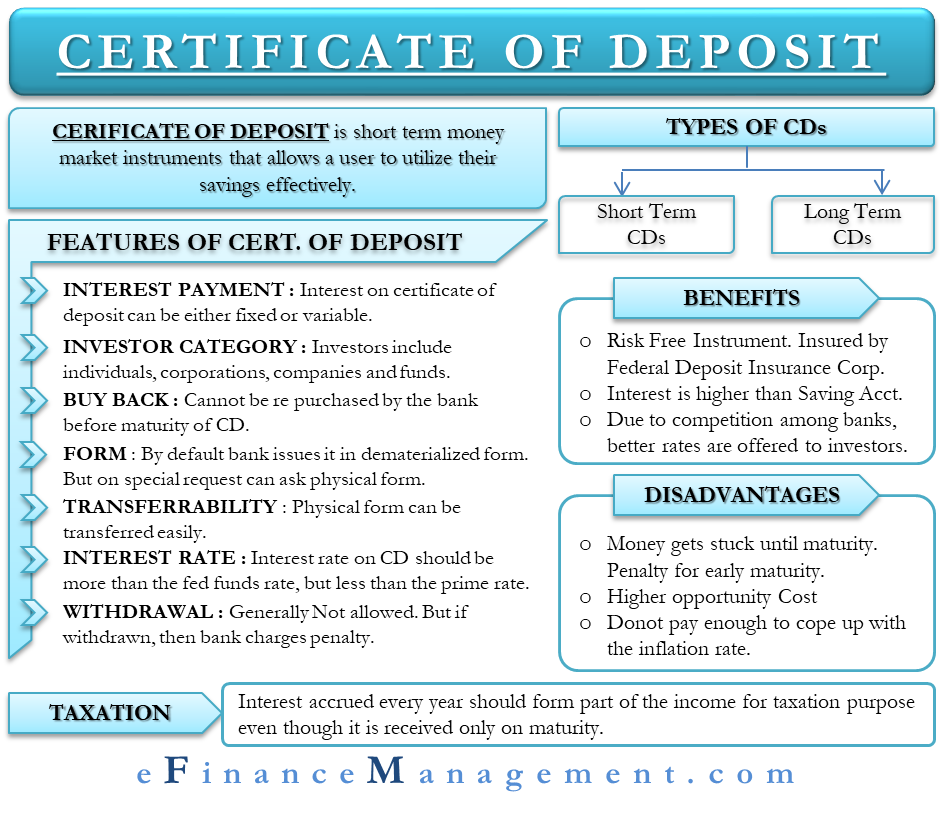
Before committing your capital, it is essential to understand the mechanics of a Certificate of Deposit. At its core, a CD is a time deposit. When you purchase one, you are essentially lending your money to a bank or credit union for a predetermined period—ranging from a few months to a decade. In exchange for this commitment, the institution pays you a higher interest rate than you would receive in a liquid account.
The Security of Principal
One of the primary reasons investors turn to CDs is the safety they offer. Unlike stocks or mutual funds, which are subject to market fluctuations, CDs offered by federally insured banks are backed by the Federal Deposit Insurance Corporation (FDIC). Similarly, credit unions offer CDs (often called “share certificates”) backed by the National Credit Union Administration (NCUA). Both provide protection for up to $250,000 per depositor, per institution. This makes the purchase of a CD a “risk-free” investment in terms of principal loss, provided you stay within the insurance limits.
Understanding the APY and Compounding
When you begin looking to purchase a CD, the most prominent figure you will encounter is the Annual Percentage Yield (APY). This represents the real rate of return on your investment, accounting for the effect of compounding interest. Compounding occurs when the interest you earn begins to earn interest on itself. When purchasing, it is vital to ask the institution how frequently they compound—daily, monthly, or quarterly—as more frequent compounding results in a higher effective yield over time.
Selecting the Right Institution and Term Length
The process of purchasing a CD starts with a rigorous comparison of what the market currently offers. Not all CDs are created equal, and the institution you choose can significantly impact your total return.
Online vs. Traditional Banks
In the current digital age, some of the most competitive CD rates are found at online-only banks. Because these institutions lack the overhead of physical branches, they often pass the savings on to the consumer in the form of higher APY. Conversely, traditional “brick-and-mortar” banks may offer lower rates but provide the convenience of in-person service and the ability to link the CD to an existing suite of accounts.
Determining the Optimal Term
The “term” is the length of time you agree to leave your money in the account. Choosing a term is a balancing act between your liquidity needs and your desire for higher rates. Generally, the longer the term, the higher the interest rate. However, this is not always the case in a “yield curve inversion” environment, where short-term rates might actually exceed long-term rates. Before purchasing, evaluate your upcoming financial obligations. If you are saving for a home down payment in two years, a 24-month CD is appropriate. If you are building an emergency fund, you may want to stick to shorter terms or “no-penalty” options.
Checking Minimum Deposit Requirements
Every CD will have a minimum entry point. Some online banks allow you to open a CD with as little as $500 or even $0, while “Jumbo CDs” typically require a minimum deposit of $100,000. Ensure your available capital meets the threshold of the specific product that offers the rate you desire.
The Step-by-Step Process of Purchasing a CD
Once you have identified the right institution and the appropriate term, the actual purchase process is relatively straightforward, resembling the opening of a standard bank account.
Step 1: Gather Documentation
To comply with federal regulations, specifically the Patriot Act, financial institutions require several pieces of identification. You will need your Social Security number (or Taxpayer Identification Number), a valid government-issued ID (like a driver’s license or passport), and your physical address. If you are opening the account for a business or a trust, additional legal documentation will be required.
Step 2: Choose the Account Type
CDs can be held in different types of accounts depending on your tax strategy. You can purchase a “taxable” CD, which is a standard investment account, or you can open a CD within an Individual Retirement Account (IRA). Purchasing a CD within an IRA allows the interest to grow tax-deferred (Traditional IRA) or tax-free (Roth IRA), which can be a powerful tool for conservative retirement planning.
Step 3: Fund the Account
You must transfer the principal amount into the CD. This is typically done via an Electronic Funds Transfer (EFT) from an existing checking or savings account. If you are purchasing a CD at a physical bank, you can provide a personal check or a wire transfer. It is important to note that once the initial deposit is made, most CDs do not allow you to add more money to the same account. If you have more cash to invest later, you would need to purchase a separate, additional CD.
Step 4: Review and Sign the Disclosure Agreement
The most critical part of the purchase is reviewing the Truth in Savings Act disclosure. This document outlines the maturity date, the interest rate, the compounding frequency, and—most importantly—the Early Withdrawal Penalty (EWP). Ensure you understand exactly how much interest (or principal) you will forfeit if you need to access your money before the term expires.
Strategic CD Management: The CD Ladder
For many savvy investors, purchasing a single CD is not enough. To mitigate “reinvestment risk”—the risk that interest rates will be lower when your CD matures—many employ a strategy known as a CD ladder.
How to Build a Ladder
A CD ladder involves splitting your total investment into several equal parts and purchasing multiple CDs with different maturity dates. For example, if you have $25,000, you might purchase five $5,000 CDs with terms of 1, 2, 3, 4, and 5 years.
Benefits of the Laddering Strategy
This approach provides two distinct advantages:
-
Liquidity: Every year, one of your CDs will mature, providing you with a chunk of cash that you can either use or reinvest.
-
Rate Optimization: As each CD matures, you can reinvest it into a new 5-year CD. Over time, your entire portfolio will be earning long-term rates while still giving you annual access to a portion of your funds. This protects you from being “locked in” to a low rate if the market suddenly shifts upward.
Evaluating Specialized CD Products
As you shop, you may encounter specialized types of CDs that offer features beyond the standard fixed-term model.
No-Penalty CDs
These allow you to withdraw your full balance plus earned interest before the term ends without paying a fee. While the APY is usually slightly lower than a standard CD, the flexibility is invaluable if you anticipate needing the cash unexpectedly.
Bump-Up and Step-Up CDs
A “Bump-Up” CD gives you the option to request a higher interest rate if the bank’s rates for new CDs rise during your term. A “Step-Up” CD has a pre-scheduled interest rate increase built into the contract. These are popular during periods of rising inflation and increasing Federal Reserve rates.
Brokered CDs
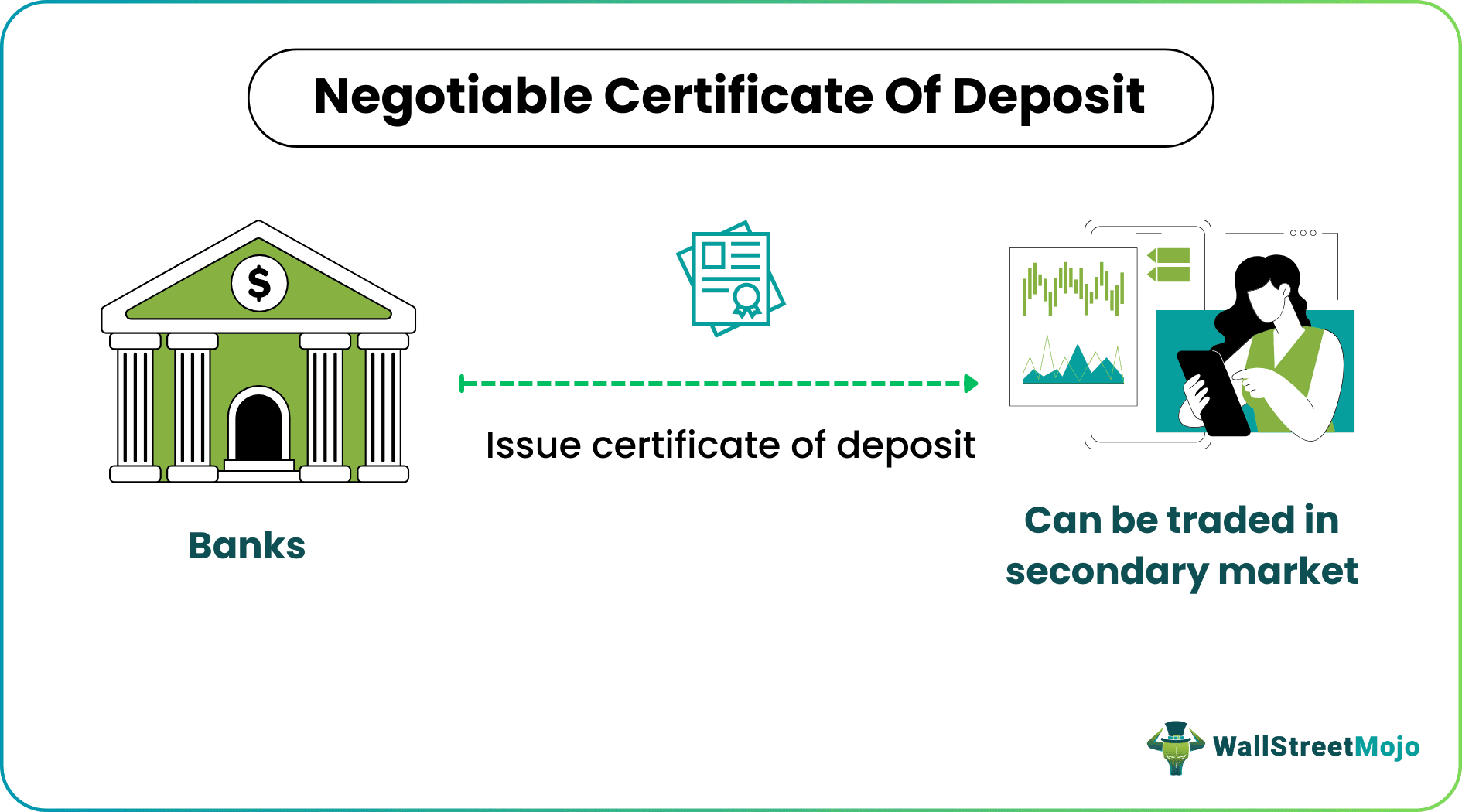
Purchased through a brokerage firm rather than directly from a bank, brokered CDs can offer higher yields and a wider variety of terms. However, they function differently; if you need your money early, you must sell the CD on the secondary market. Depending on current interest rates, you might sell it for more or less than your original principal.
Navigating Maturity and Tax Considerations
The lifecycle of a CD does not end until the maturity date. Managing this final stage is just as important as the initial purchase.
The Maturity Grace Period
When your CD reaches the end of its term, the bank will offer a “grace period,” usually lasting 7 to 10 days. During this time, you can withdraw your funds without penalty. If you do nothing, most banks will automatically renew the CD for the same term at the current market rate, which may be significantly lower than your original rate. It is imperative to set a calendar reminder to review your options during this window.
Tax Implications
It is a common misconception that you only pay taxes on a CD when it matures. In reality, the IRS considers interest earned on a CD to be “constructive receipt” in the year it is credited to your account. Each year, your financial institution will send you a Form 1099-INT detailing the interest earned, which must be reported as ordinary income on your tax return. For investors in high tax brackets, this makes the purchase of CDs within tax-advantaged accounts like IRAs particularly attractive.
Inflation Risk
While CDs protect your nominal principal, they do not always protect your “purchasing power.” If the rate of inflation exceeds the APY of your CD, you are effectively losing money in real terms. To combat this, investors should view CDs as a component of a diversified portfolio, using them for the “safety” portion of their asset allocation while relying on other assets for inflation-beating growth.
Purchasing a Certificate of Deposit is a deliberate choice to prioritize security and predictability. By carefully selecting the right institution, understanding the nuances of the contract, and employing strategies like laddering, you can ensure that your idle cash is working as hard as possible with the lowest possible risk. Whether you are a conservative retiree or a young professional building a house fund, the CD remains a foundational pillar of sound personal finance.
aViewFromTheCave is a participant in the Amazon Services LLC Associates Program, an affiliate advertising program designed to provide a means for sites to earn advertising fees by advertising and linking to Amazon.com. Amazon, the Amazon logo, AmazonSupply, and the AmazonSupply logo are trademarks of Amazon.com, Inc. or its affiliates. As an Amazon Associate we earn affiliate commissions from qualifying purchases.