
In the contemporary financial landscape, the transition from physical currency to digital assets is no longer a futuristic concept—it is a daily reality. At the center of this revolution is PayPal, a platform that has evolved from a simple peer-to-peer transfer service into a sophisticated financial ecosystem. For individuals looking to manage personal wealth and businesses seeking to optimize their cash flow, understanding the intricacies of PayPal is essential. This guide provides a deep dive into the financial mechanics of the platform, offering professional insights into how to leverage its tools for maximum efficiency and security.
Understanding the PayPal Ecosystem: More Than Just a Digital Wallet
Before initiating a transaction, it is crucial to understand the financial architecture of PayPal. It functions not merely as a payment processor but as a versatile financial intermediary that bridges the gap between traditional banking and the digital marketplace.
Personal vs. Business Accounts: Choosing the Right Foundation
The first step in any financial strategy involving PayPal is selecting the appropriate account type. A Personal Account is designed for the casual user—ideal for those who primarily use the platform to shop online or send money to acquaintances. It offers a streamlined interface and focuses on consumer-side benefits, such as ease of use and purchase protection.
Conversely, a Business Account is a robust financial tool tailored for entrepreneurs, freelancers, and corporations. It allows for the operation of a business under a legal company name, provides access for up to 200 employees with varying permission levels, and enables the acceptance of credit cards, debit cards, and bank transfers for a competitive fee. From a financial management perspective, a Business Account is indispensable for separating personal and professional expenses, a practice fundamental to sound accounting.
Linking Financial Institutions: Securing Your Funding Sources
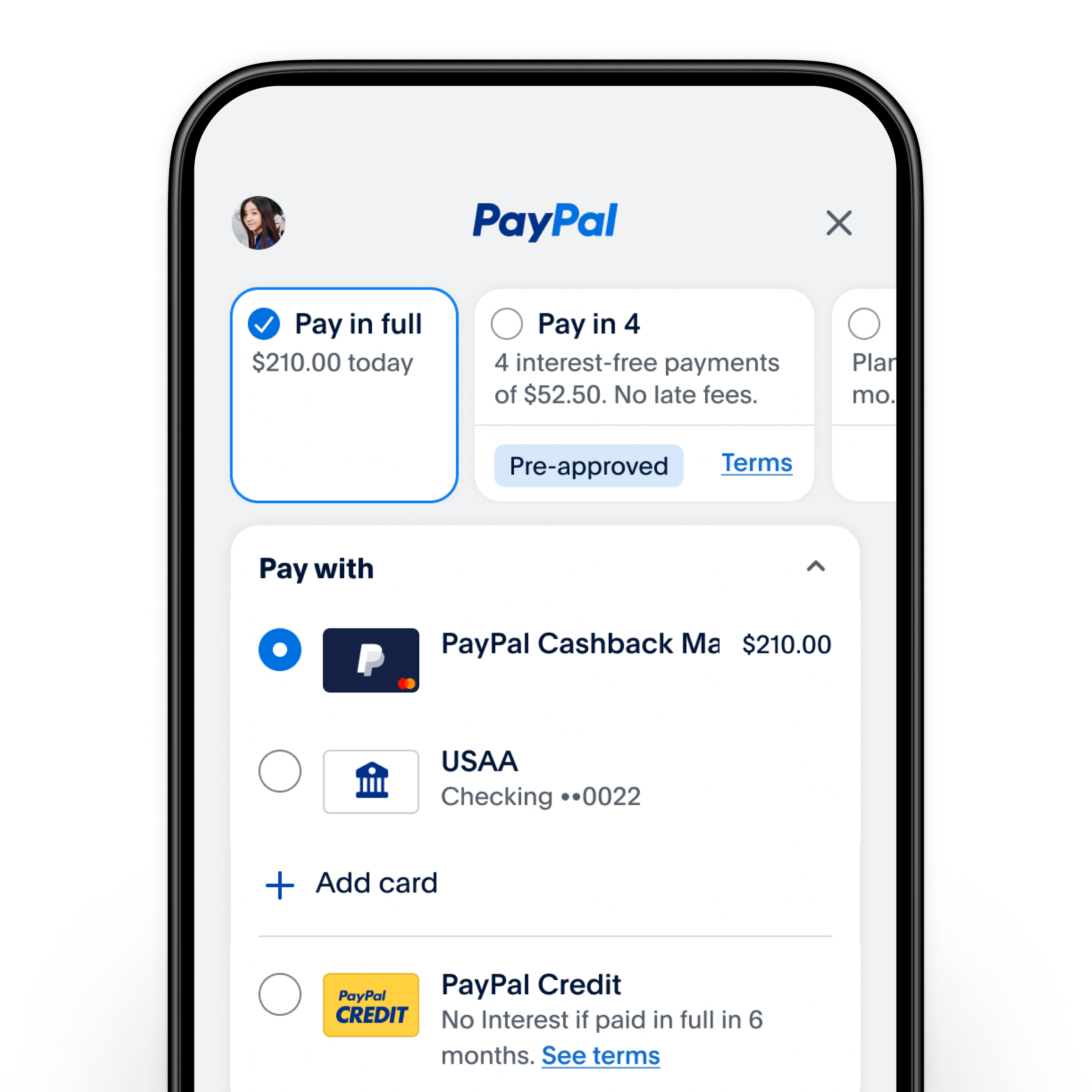
To facilitate payments, PayPal must be anchored to a reliable funding source. This typically involves linking a bank account, a credit card, or a debit card. From a personal finance standpoint, the choice of funding source can have significant implications. Linking a credit card often provides an additional layer of protection through the card issuer’s own dispute resolution services, whereas linking a bank account allows for direct ACH transfers, which are often more efficient for large-scale balance management. Verifying these sources is a critical step in increasing your transaction limits and ensuring that your capital remains mobile and accessible.
The Mechanics of Making Payments: A Step-by-Step Financial Strategy
Executing a payment via PayPal is a straightforward process, yet it requires a strategic approach to ensure that funds are directed accurately and cost-effectively. Whether you are settling a debt with a friend or paying a global supplier, the method you choose affects your financial bottom line.
Peer-to-Peer Transfers: Sending Money to Friends and Family
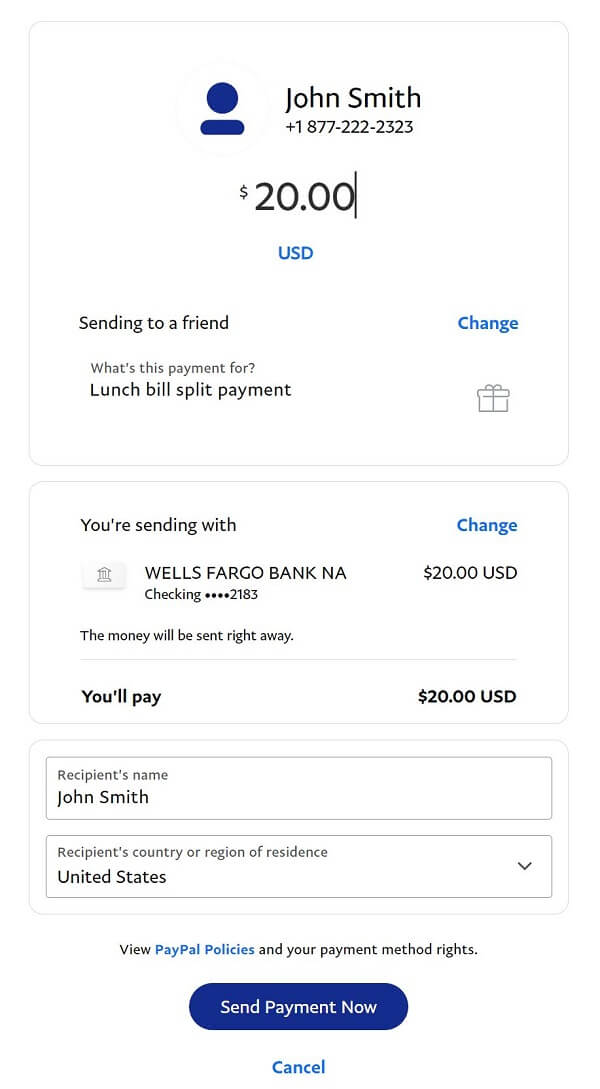
For non-commercial transactions, PayPal offers the “Friends and Family” option. This feature is a powerful tool for personal finance management, as it typically allows for domestic transfers without incurring service fees when funded by a bank account or PayPal balance. Strategically, this is the most efficient way to redistribute personal capital across your social network. However, it is vital to remember that these transactions are not covered by PayPal’s Purchase Protection; thus, they should be reserved exclusively for trusted recipients.
E-commerce Transactions: Navigating Checkouts Safely
When purchasing goods or services, selecting the “Goods and Services” payment type is the standard professional procedure. This classification triggers the seller-paid fee structure and, more importantly, activates the buyer protection suite. For the consumer, this acts as a form of financial insurance, ensuring that if a product is not delivered or is significantly different from its description, the capital can be recovered. When checking out on third-party websites, choosing the PayPal option often speeds up the transaction by utilizing stored shipping and billing information, reducing the friction of digital commerce.
Invoice Payments: Streamlining Business-to-Business Capital Flow
For professionals and service providers, invoicing is the lifeblood of revenue. PayPal’s invoicing tool allows users to create professional, itemized requests for payment. For the payer, receiving an invoice provides a clear audit trail, which is essential for tax preparation and corporate bookkeeping. Paying an invoice via PayPal is as simple as clicking a link and choosing a funding source, ensuring that the vendor receives funds promptly, which helps maintain healthy business relationships and credit standing.
Navigating the Financial Architecture: Fees, Currency, and Limits
A sophisticated understanding of PayPal requires an analysis of its cost structure. In the world of finance, “hidden” costs can quickly erode margins, making it imperative to understand how PayPal generates revenue from your transactions.
Deciphering the Fee Structure: Protecting Your Margins
For the buyer, PayPal is largely free to use for domestic purchases. However, for the recipient—particularly those with business accounts—transaction fees are a standard cost of doing business. As of the current market standards, these fees typically hover around a percentage of the transaction plus a fixed fee. When calculating the ROI of a project or the pricing of a product, these merchant fees must be factored into your financial modeling. Efficiently managing these costs involves understanding which transactions are subject to higher rates, such as international payments or “instant” withdrawals to a debit card.
Global Finance: Managing Currency Conversion and Exchange Rates
One of PayPal’s greatest strengths is its ability to facilitate cross-border trade. However, international finance introduces the complexity of currency conversion. PayPal utilizes its own internal exchange rates, which typically include a “spread” or a percentage above the wholesale market rate. For users moving large sums of money across borders, it is often more financially prudent to hold balances in the original currency within the PayPal wallet or to use a specialized multi-currency account to mitigate the costs of frequent conversions.
Transaction Limits and Account Verification
To comply with global anti-money laundering (AML) and know-your-customer (KYC) regulations, PayPal imposes limits on unverified accounts. For any serious investor or business owner, completing the verification process—which involves confirming your identity and your linked financial accounts—is a priority. This not only increases your sending and withdrawal limits but also enhances the perceived “trust score” of your account within the PayPal network, reducing the likelihood of automated holds on your funds.
Financial Security and Dispute Resolution: Protecting Your Assets
In digital finance, security is synonymous with asset protection. PayPal’s infrastructure is designed to safeguard your capital, but users must understand how to navigate its protective features to ensure their financial well-being.
Purchase Protection: A Safety Net for Consumers
PayPal’s Purchase Protection is a cornerstone of its value proposition. It covers eligible purchases if they don’t arrive or don’t match the seller’s description. From a risk management perspective, this makes PayPal one of the safest ways to conduct online transactions. If a dispute arises, the funds are often held in escrow by PayPal until a resolution is reached, ensuring that the consumer is not left at a financial loss due to merchant negligence or fraud.
Handling Disputes and Chargebacks: A Merchant’s Guide
For businesses, the threat of chargebacks is a constant financial risk. A chargeback occurs when a buyer asks their credit card issuer to reverse a transaction. PayPal provides a Dispute Resolution Center where merchants can present evidence—such as tracking numbers and communication logs—to defend against fraudulent claims. Maintaining meticulous financial records and clear terms of service is essential for any business to prevail in these scenarios and protect their revenue streams.
Optimizing PayPal for Long-term Financial Health
Beyond simple payments, PayPal offers several advanced tools that can contribute to a robust financial strategy. Integrating these tools into your daily routine can lead to better budgeting, improved credit, and streamlined business operations.
Integrating PayPal with Personal Finance Management Tools
For those who use software like QuickBooks, Mint, or YNAB (You Need A Budget), PayPal offers seamless integration. By syncing your PayPal transaction history with these platforms, you gain a holistic view of your spending patterns and income streams. This level of transparency is vital for anyone serious about wealth accumulation and expense tracking.
Utilizing PayPal Credit and Working Capital
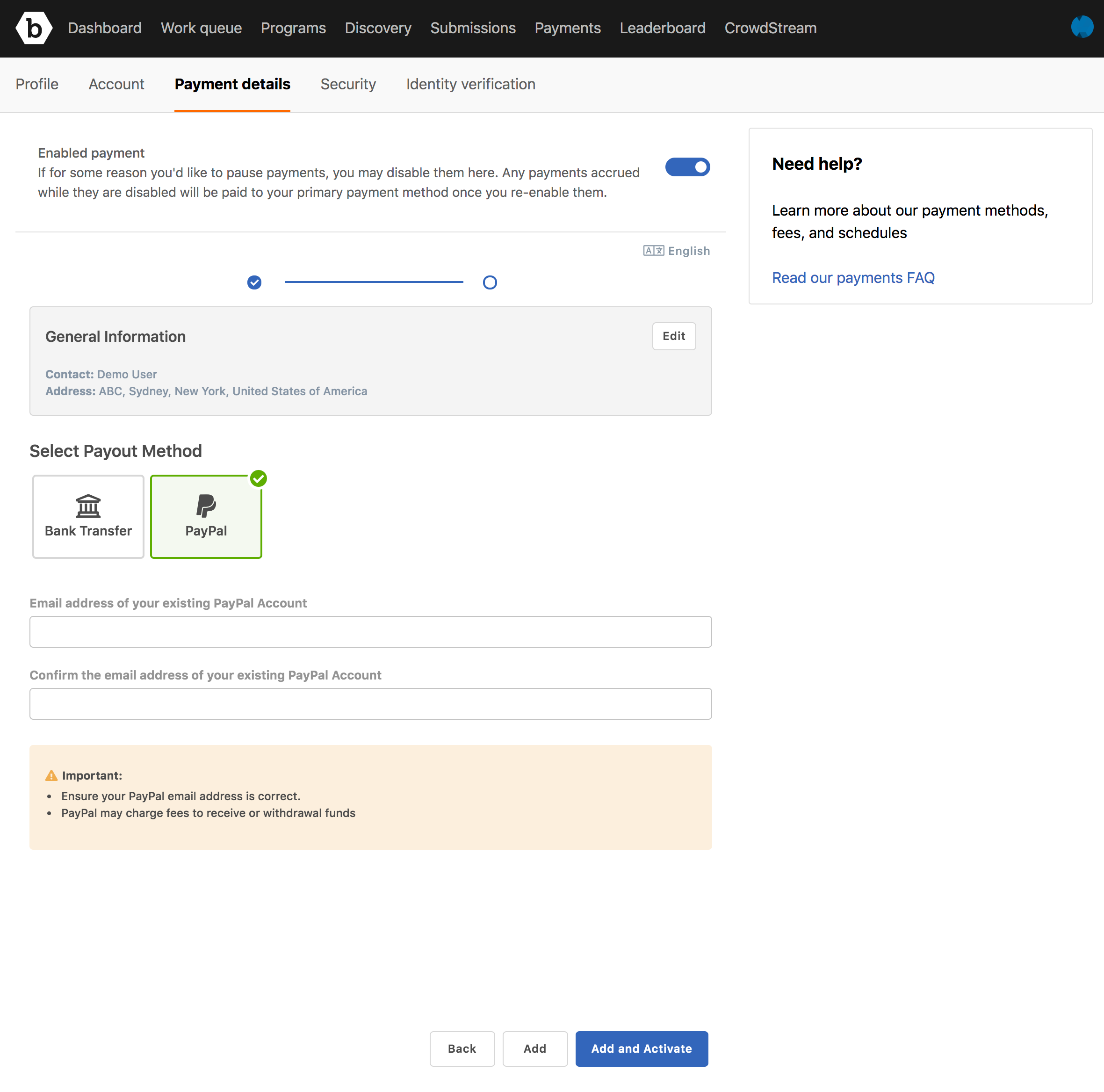
For qualified users, PayPal offers credit lines and short-term financing options like “PayPal Working Capital.” Unlike traditional bank loans that require extensive paperwork and collateral, PayPal Working Capital bases its lending decisions on your sales history within the platform. For a growing business, this can provide the necessary liquidity to purchase inventory or scale operations during peak seasons. However, like any form of leverage, it should be used judiciously, with a clear plan for repayment to avoid interest-related erosion of capital.
In conclusion, mastering how to use PayPal for payments is more than a technical skill—it is a financial competency. By choosing the right account type, understanding the fee structures, and utilizing the platform’s security features, you can ensure that your digital transactions are not only convenient but also strategically sound. Whether you are an individual managing a household budget or a CEO overseeing global trade, PayPal remains an indispensable tool in the modern pursuit of financial efficiency.
aViewFromTheCave is a participant in the Amazon Services LLC Associates Program, an affiliate advertising program designed to provide a means for sites to earn advertising fees by advertising and linking to Amazon.com. Amazon, the Amazon logo, AmazonSupply, and the AmazonSupply logo are trademarks of Amazon.com, Inc. or its affiliates. As an Amazon Associate we earn affiliate commissions from qualifying purchases.