
The transition from physical currency to digital ecosystems has moved beyond a mere convenience to become the global standard for commerce. At the heart of this revolution is the “digital wallet”—a sophisticated piece of software that securely stores payment information, identification, and various digital assets on a mobile device or wearable. Understanding how to pay with a wallet requires more than just knowing which buttons to press; it involves understanding the underlying technology, the security protocols that protect your data, and the hardware-to-software handshake that occurs in milliseconds at the point of sale.

The Mechanics of Proximity Payments: Understanding NFC
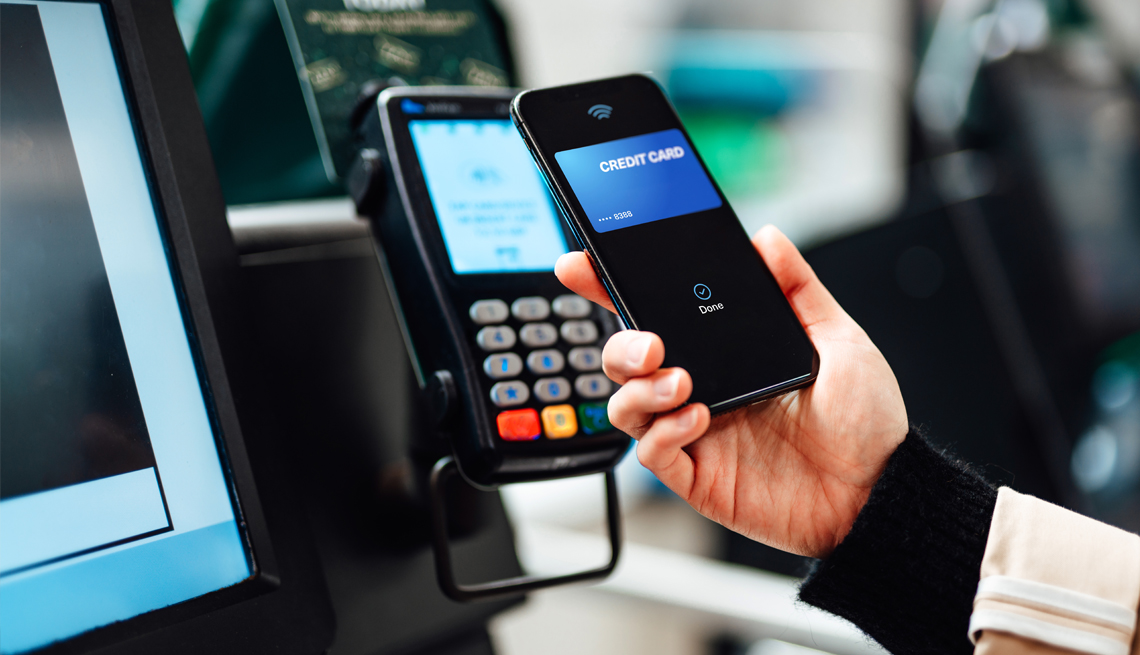
The primary technology that enables “tap-to-pay” functionality in most digital wallets is Near Field Communication (NFC). NFC is a specialized subset of Radio Frequency Identification (RFID) technology that allows two devices—typically your smartphone and a payment terminal—to communicate over a very short distance, usually within four centimeters.
How the NFC Handshake Works
When you bring your device close to a contactless-enabled terminal, an electromagnetic field is created. This field powers the passive antenna in the terminal and allows the two devices to exchange encrypted data. Unlike Bluetooth, which requires a manual “pairing” process, NFC connections are established almost instantaneously. The tech stack within your phone initiates a “handshake” protocol where the wallet app identifies itself and requests a secure channel to transmit payment credentials.
Hardware Requirements and the Secure Element
Not every smartphone can facilitate digital wallet payments. The process relies on a dedicated piece of hardware known as the Secure Element (SE). This is a tamper-resistant chip—separate from the phone’s main processor—designed specifically to store sensitive data like credit card numbers and biometric templates. When you initiate a payment, the SE handles the cryptographic functions necessary to authorize the transaction. This ensures that even if your phone’s operating system is compromised by malware, your actual payment credentials remain isolated and unreachable.
Platform Specifics: Integrating Your Digital Life
While the core technology of NFC is standardized, the software implementation varies significantly between the major tech ecosystems: Apple, Google, and Samsung. Choosing how to pay with a wallet often depends on which hardware ecosystem you have invested in.
Apple Wallet and Apple Pay
Apple’s approach is deeply integrated into the iOS and watchOS architecture. To pay with Apple Wallet, users must first add a card via the “Wallet” app, where the software uses the camera to OCR (Optical Character Recognition) the card details or pulls them from a linked Apple ID. On an iPhone with FaceID, the payment process is triggered by double-clicking the side button, which initiates a biometric scan. Once authenticated, the Secure Element releases the payment token to the NFC controller. On the Apple Watch, the process is even more frictionless, requiring only a double-tap on the side button and proximity to the reader.
Google Wallet and the Android Ecosystem
Google Wallet serves as a unified digital vault for Android users. Unlike Apple’s closed hardware loop, Google Wallet must operate across thousands of different device models. The software utilizes Host Card Emulation (HCE) to facilitate payments on devices that might lack a dedicated hardware Secure Element by using cloud-based security. For most modern Android devices, the user simply needs to unlock their phone and hold the back of the device to the terminal. The Google Wallet app manages the transaction in the background, providing a haptic vibration to confirm the data transfer was successful.
Samsung Pay and MST Technology
Samsung Pay initially gained a technical advantage through Magnetic Secure Transmission (MST). While NFC requires a modern terminal, MST allowed Samsung devices to emulate the magnetic stripe on a traditional card, making it compatible with older “swipe-only” machines. While Samsung has transitioned more toward NFC in its latest flagship devices, the legacy of MST remains a significant milestone in how digital wallets bridged the gap between analog and digital infrastructure.
Security Protocols: Tokenization and the Secure Element
The most common concern regarding digital wallets is whether they are safer than physical cards. From a technical standpoint, digital wallets are significantly more secure than traditional plastic due to a process called “Tokenization.”
Replacing the Primary Account Number (PAN)
When you swipe or insert a physical card, the merchant receives your actual 16-digit Primary Account Number (PAN) and your CVV code. If the merchant’s database is hacked, your card details are exposed. Digital wallets eliminate this risk. During the setup process, the wallet provider communicates with your bank to replace your PAN with a “Token”—a unique, device-specific surrogate number called a Device Account Number (DAN).
The Role of Dynamic Cryptograms
For every individual transaction, the wallet generates a “one-time-use” dynamic cryptogram. This means that even if a sophisticated hacker were to intercept the NFC signal during a payment, the data they captured would be useless for any future transaction. The token and the cryptogram work together to ensure that your real credit card number is never stored on the device or shared with the merchant.
Biometric Authentication Layers
Beyond encryption, the software requires a physical “proof of presence” via biometrics. Whether it is FaceID, TouchID, or an ultrasonic fingerprint sensor, the wallet app will not release the payment token until the user’s identity is verified. This creates a multi-factor authentication (MFA) environment for every cup of coffee or grocery trip, a level of security that physical cards simply cannot match without a PIN.
Beyond Payments: The Multi-Functional Digital Vault
Modern wallet apps have evolved from simple credit card repositories into comprehensive digital identity managers. The “Tech” behind the wallet now supports a wide array of non-payment credentials.
Digital Keys and UWB Technology
Ultra-Wideband (UWB) technology is the latest frontier in wallet development. Unlike NFC’s short-range requirements, UWB allows for spatial awareness. This tech is being used to store digital car keys and home locks in the wallet. With UWB enabled, a user can unlock their vehicle simply by approaching it with their phone in their pocket; the wallet software handles the encrypted “handshake” over a distance of several meters with high precision.
Transit and Boarding Passes
Integration with public transit systems involves a specialized protocol often referred to as “Express Mode.” This allows the wallet to communicate with transit gates without requiring the user to wake or unlock the device. The software prioritizes the transit sub-processor to ensure that the latency is low enough (typically under 500 milliseconds) to prevent bottlenecks at turnstiles during peak hours. Similarly, airline boarding passes utilize dynamic QR codes that update in real-time, reflecting gate changes or delay notifications directly within the wallet interface.
Digital IDs and Health Records
In many jurisdictions, the wallet is now a legal repository for driver’s licenses and vaccination records. This requires high-level ISO/IEC 18013-5 standards, which dictate how mobile driving licenses (mDL) should be shared. When a user presents a digital ID from their wallet, the software allows them to choose exactly what information to share—for example, proving they are over 21 without revealing their exact birthdate or home address.
The Technical Future of Frictionless Commerce
As we look toward the next iteration of digital wallet technology, the focus is shifting toward “invisible” payments and unified digital identities.
The Rise of Super-Apps
In markets like Asia, apps like WeChat Pay and Alipay have already demonstrated the power of the “Super-App.” These platforms go beyond NFC payments, utilizing a centralized QR code ecosystem that integrates social media, e-commerce, and government services into a single wallet interface. The technical challenge for Western markets is to achieve this level of integration while maintaining the decentralized, privacy-focused architecture preferred by iOS and Android users.
Web3 and Crypto-Wallet Integration
The next major update for mainstream digital wallets will likely involve the native support of Web3 assets. We are already seeing the integration of stablecoins and Non-Fungible Tokens (NFTs) into mobile wallets. This requires the software to manage private keys and interact with various blockchain protocols (like Ethereum or Solana) directly from the mobile UI. The goal is to make “paying with crypto” as seamless as “paying with a debit card,” hiding the complexity of gas fees and block confirmations behind a polished user interface.

AI-Driven Wallet Management
Artificial Intelligence is beginning to play a role in how we interact with our wallets. Future iterations of wallet software will likely feature predictive analytics that suggest the best payment method based on loyalty rewards, current balances, or merchant-specific discounts. These “Smart Wallets” will act as financial agents, optimizing every transaction in real-time using machine learning algorithms that run locally on the device to preserve privacy.
In summary, paying with a wallet is a sophisticated technological orchestration of hardware security, proximity-based communication, and cloud-based tokenization. By moving away from the physical constraints of plastic and leather, we have entered an era where our devices serve as a secure, intelligent, and multi-functional gateway to the global economy. As NFC, UWB, and biometric technologies continue to advance, the digital wallet will become an even more indispensable tool in the modern technological landscape.
aViewFromTheCave is a participant in the Amazon Services LLC Associates Program, an affiliate advertising program designed to provide a means for sites to earn advertising fees by advertising and linking to Amazon.com. Amazon, the Amazon logo, AmazonSupply, and the AmazonSupply logo are trademarks of Amazon.com, Inc. or its affiliates. As an Amazon Associate we earn affiliate commissions from qualifying purchases.