
In the landscape of modern finance, the debit card stands as a cornerstone of personal money management. Offering a direct link to your bank account, it empowers individuals to make purchases, withdraw cash, and manage funds with unparalleled convenience and control. Unlike its credit card counterpart, a debit card operates on the principle of “pay now,” using your own available funds, thereby fostering a disciplined approach to spending and avoiding the perils of debt.
This comprehensive guide aims to demystify the debit card, providing both novice users and seasoned spenders with an insightful look into its mechanics, benefits, and best practices. From understanding its basic components to mastering secure online payments and navigating international transactions, we’ll explore how to leverage your debit card effectively as a powerful tool in your financial arsenal.

Understanding Your Debit Card: The Foundation of Everyday Finance
Before diving into the “how-to,” it’s crucial to grasp what a debit card is and how it functions within the broader financial ecosystem. This foundational understanding is key to responsible and effective usage.
What is a Debit Card?
A debit card is a plastic payment card that directly withdraws money from a cardholder’s checking account when used for a purchase. It acts as a digital checkbook, allowing you to access your own funds immediately without incurring interest or accumulating debt. Issued by banks and financial institutions, most debit cards carry the logo of a major payment network such as Visa, Mastercard, or Discover, enabling their acceptance globally. When you use your debit card, the transaction amount is deducted almost instantaneously from your linked account, making it an excellent tool for tracking spending and adhering to a budget.
How Debit Cards Differ from Credit Cards
While often similar in appearance, the fundamental difference between a debit card and a credit card lies in the source of funds and the nature of the transaction.
-
Source of Funds: A debit card uses money you already own and have deposited into your bank account. A credit card allows you to borrow money from the issuer up to a certain limit, which you then repay, often with interest.
-
Debt & Interest: Debit cards inherently prevent debt accumulation as you cannot spend more than what’s available in your account (unless an overdraft facility is enabled). Credit cards, conversely, are designed for borrowing, and carrying a balance typically incurs interest charges.
-
Credit Building: Using a debit card does not directly impact your credit score, as no credit is being extended or repaid. Responsible credit card use, however, is a primary way to build a positive credit history.
-
Fraud Protection: Generally, credit cards offer more robust fraud protection under federal law (e.g., Fair Credit Billing Act) than debit cards (Electronic Fund Transfer Act), though many banks now offer zero-liability policies for unauthorized debit card use.
The Anatomy of a Debit Card
Familiarizing yourself with the key elements of your debit card is essential for understanding how to use it for various transactions.
-
Card Number: A unique 16-digit number on the front, crucial for online and phone payments.
-
Expiration Date: The month and year (e.g., MM/YY) indicating when your card becomes invalid.
-
Cardholder Name: Your name as it appears on your bank account.
-
EMV Chip: The small metallic square on the front, providing enhanced security for in-person transactions.
-
Magnetic Stripe: The black strip on the back, used for older card readers.
-
CVV/CVC Code: A 3 or 4-digit security code (Card Verification Value/Code) found on the back, vital for online transactions.
-
PIN (Personal Identification Number): A 4-digit code known only to you, used for ATM withdrawals and some in-store purchases to verify your identity.
-
Payment Network Logo: (e.g., Visa, Mastercard) indicates where the card can be used.
Mastering Debit Card Payments: Step-by-Step Methods
Using a debit card is remarkably straightforward, but understanding the nuances of different payment methods can enhance your experience and security.
In-Store Purchases
Making a purchase at a physical store is the most common use of a debit card.
-
EMV Chip Transactions: This is the most secure method. Insert your card into the reader at the point-of-sale (POS) terminal, leave it there until prompted, and follow the on-screen instructions. You may be asked to enter your PIN or sign for the transaction.
-
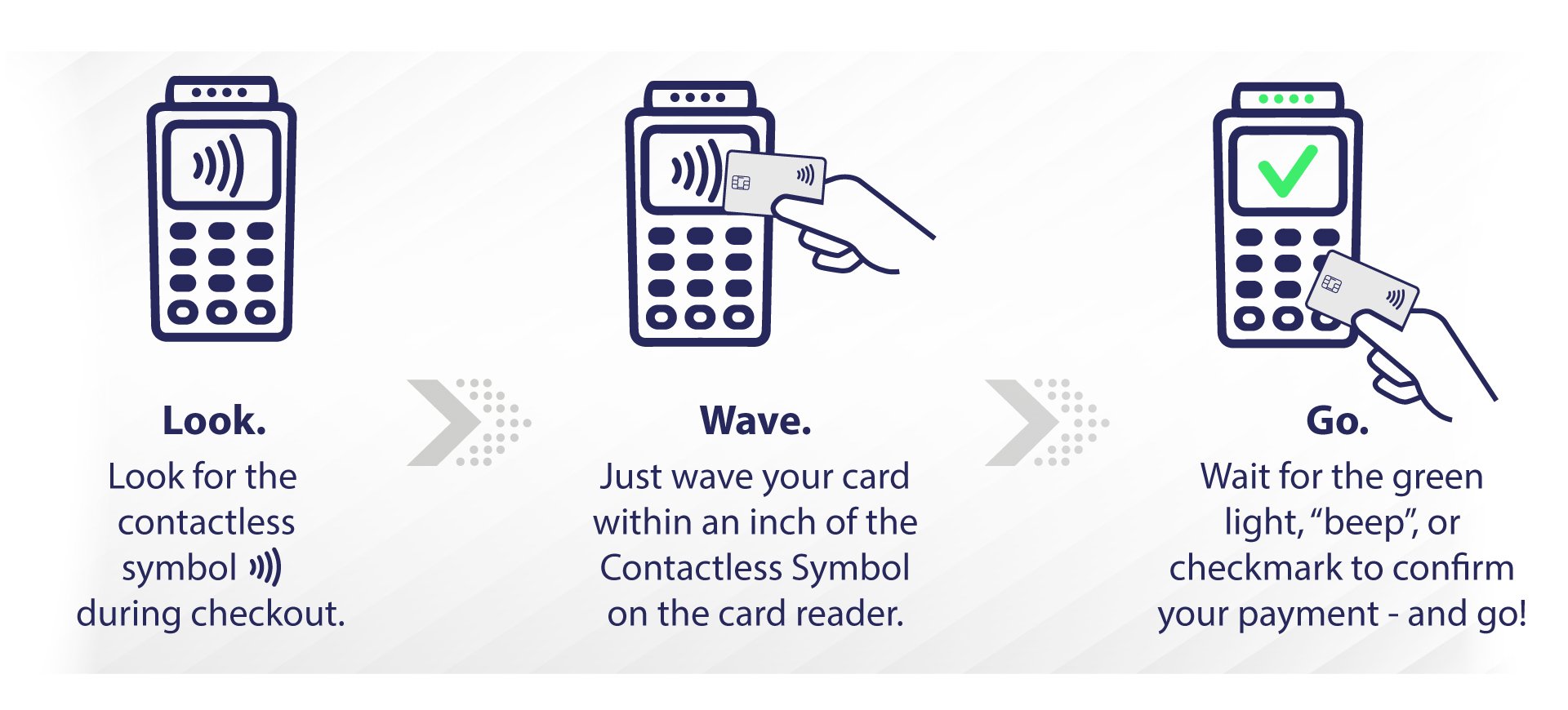
Contactless/NFC Payments: Many modern cards feature a contactless symbol (four curved lines). Simply tap your card on the compatible reader, wait for a confirmation beep or light, and the transaction will process. For larger amounts, a PIN or signature might be required.
-
Swipe Transactions: For older terminals or when the chip reader isn’t working, you may need to swipe your card through the magnetic stripe reader. You will almost always be asked for your PIN or a signature.
-
Cash Back: When paying with a debit card at many retailers, you’ll often be offered “cash back” at the checkout. This allows you to withdraw a small amount of cash from your bank account along with your purchase, saving you a trip to an ATM.
Online Shopping
Paying online with a debit card is convenient but requires careful attention to security.
-
Entering Card Details: On the merchant’s payment page, you’ll typically need to enter your card number, expiration date, cardholder name, and the CVV/CVC code.
-
Secure Payment Gateways: Always ensure the website uses a secure payment gateway. Look for “https://” in the web address (the “s” stands for secure) and a padlock icon in your browser’s address bar.
-
Two-Factor Authentication (2FA) / 3D Secure: Many banks now implement 2FA, such as Visa Secure (formerly Verified by Visa) or Mastercard Identity Check (formerly Mastercard SecureCode). After entering your card details, you might be redirected to your bank’s page or receive a one-time password (OTP) via text message or email to authorize the transaction. This adds an extra layer of security.
ATM Withdrawals and Deposits
Your debit card is your primary key to accessing cash from ATMs.
-
Withdrawals: Insert your card, enter your PIN, select “withdrawal,” choose your account (checking/savings), and enter the desired amount. Be mindful of potential fees, especially from out-of-network ATMs.
-
Deposits: Many modern ATMs allow you to deposit cash or checks directly using your debit card. Follow the on-screen prompts, insert your cash/checks, and confirm the deposit details.
-
Checking Balances: You can also use your debit card at an ATM to quickly check your account balance.
Recurring Payments and Subscriptions
Debit cards are frequently used to set up automatic payments for bills and subscriptions, ensuring timely payments and avoiding late fees.
-
Setting Up: Provide your card details to the service provider (e.g., utility company, streaming service, gym membership), authorizing them to deduct funds periodically.
-
Monitoring: It’s crucial to regularly review your bank statements to track these recurring debits and ensure they are accurate and for services you still intend to use.
The Financial Advantages and Disadvantages of Debit Card Usage
Understanding the pros and cons of debit card usage is crucial for making informed financial decisions and integrating it effectively into your personal finance strategy.
Benefits:
-
Budgeting and Debt Prevention: Since you can only spend what you have, debit cards are excellent tools for maintaining a budget and preventing overspending or accumulating debt.
-
Direct Access to Your Funds: Provides immediate access to your money for purchases or cash withdrawals, eliminating the need to carry large amounts of physical cash.
-
Widely Accepted: Major payment networks ensure debit cards are accepted almost everywhere credit cards are, both domestically and internationally.
-
Convenience: Faster and more secure than writing checks for everyday transactions.
-
No Annual Fees or Interest: Unlike many credit cards, debit cards typically don’t incur annual fees or interest charges.
Drawbacks:
-
Limited Fraud Protection (Historically): While improving, the legal protections for debit card fraud (under EFTA) have traditionally been less robust than for credit cards (under FCBA), potentially leaving you more liable for unauthorized charges, especially if not reported promptly.
-
No Credit Building: Using a debit card does not help build a credit history, which is essential for obtaining loans, mortgages, or other credit products.
-
Overdraft Risks: If you spend more than your available balance and have overdraft protection enabled, your bank may cover the transaction but charge a hefty overdraft fee. Without it, the transaction might be declined.
-
Holds on Funds: When used for certain transactions like hotel reservations or car rentals, a temporary “hold” for a larger amount might be placed on your account, temporarily reducing your available balance. This hold can take days to be released.
Enhancing Debit Card Security and Responsible Usage
While convenient, the direct link to your bank account makes debit card security paramount. Practicing responsible usage habits can significantly mitigate risks.
Protecting Your PIN and Card Details
-
Memorize Your PIN: Never write down your PIN or share it with anyone. If you struggle to remember it, consider changing it to something memorable but not easily guessable (avoid birthdays, sequential numbers).
-
Shield Your PIN: When entering your PIN at an ATM or POS terminal, always cover the keypad with your other hand to prevent “shoulder surfing.”
-
Be Wary of Phishing: Never respond to unsolicited requests for your card number, PIN, or CVV via email, text, or phone call, even if they claim to be from your bank.
-
Secure Online Shopping: Only enter your card details on secure, reputable websites (look for HTTPS and the padlock icon).
Monitoring Your Bank Statements
-
Regular Review: Make it a habit to review your bank statements and online transaction history frequently. This helps you quickly identify any unauthorized or incorrect charges.
-
Immediate Reporting: Report any suspicious activity to your bank immediately. The sooner you report, the better your chances of limiting your liability for fraudulent transactions.
What to Do If Your Card is Lost or Stolen
-
Report Immediately: Contact your bank or financial institution as soon as you realize your card is missing. Most banks have a 24/7 fraud hotline.
-
Review Recent Transactions: Ask your bank to review recent transactions and freeze your account to prevent further unauthorized use.
-
Understand Liability: Familiarize yourself with your bank’s fraud liability policy and federal regulations regarding lost/stolen debit cards. Prompt reporting is key to limiting your financial responsibility.
Avoiding Overdraft Fees and Managing Your Balance
-
Track Your Spending: Keep a close eye on your account balance through online banking, mobile apps, or by reconciling your transactions.
-
Understand Overdraft Protection: Be aware of whether you have overdraft protection enabled and what fees are associated with it. If you tend to overspend, consider opting out of overdraft protection for debit card transactions to prevent fees, though this means transactions may be declined.
-
Maintain a Buffer: Keep a small financial buffer in your checking account above your anticipated spending to prevent accidental overdrafts.
Beyond Basic Payments: Advanced Debit Card Features
Modern debit cards, combined with technological advancements, offer capabilities that extend far beyond simple transactions, integrating seamlessly with digital financial tools.
Digital Wallets and Mobile Payments
- Apple Pay, Google Pay, Samsung Pay: Many debit cards can be linked to digital wallet services on your smartphone or smartwatch. This allows you to make secure, contactless payments by simply tapping your device at compatible terminals, often without needing to take out your physical card. These services add an extra layer of security by tokenizing your card number, meaning your actual card details are not transmitted during the transaction.
International Debit Card Usage
-
Notify Your Bank: Before traveling internationally, inform your bank of your travel dates and destinations to prevent your card from being flagged for suspicious activity and blocked.
-
Fees and Exchange Rates: Be aware of potential foreign transaction fees (typically 1-3% of the transaction amount) and ATM withdrawal fees charged by your bank and the international ATM operator. Exchange rates can also vary. Consider using a travel-friendly debit card if you frequently travel abroad.
-
Local Currency: When offered the choice at an international POS or ATM, always choose to be charged in the local currency. Letting the machine convert to your home currency (Dynamic Currency Conversion) often results in less favorable exchange rates.
Linkage to Budgeting Apps and Financial Tools
-
Aggregated Financial Views: Many budgeting apps (e.g., Mint, YNAB, Personal Capital) allow you to link your debit card and bank account. This provides a holistic view of your spending, automatically categorizes transactions, and helps you track your progress towards financial goals.
-
Automated Savings: Some financial apps or specific debit card features allow you to round up purchases to the nearest dollar and automatically transfer the difference to a savings account, making saving effortless.

Conclusion
The debit card is an indispensable financial instrument in today’s digital age, offering convenience, control, and a practical approach to managing your daily finances. By understanding its fundamental principles, mastering its various payment methods, and adopting diligent security practices, you can harness the full potential of your debit card to support a healthy and disciplined financial lifestyle. It serves as a powerful reminder that effective personal finance often begins with intelligent management of the money you already possess, paving the way for greater financial security and peace of mind.
aViewFromTheCave is a participant in the Amazon Services LLC Associates Program, an affiliate advertising program designed to provide a means for sites to earn advertising fees by advertising and linking to Amazon.com. Amazon, the Amazon logo, AmazonSupply, and the AmazonSupply logo are trademarks of Amazon.com, Inc. or its affiliates. As an Amazon Associate we earn affiliate commissions from qualifying purchases.