
Paying taxes is an inescapable reality for individuals and businesses alike, a civic duty that fuels public services and infrastructure. Yet, the process can often seem daunting, shrouded in complex terminology and intricate regulations. For many, the annual tax season, or even quarterly estimations, can evoke a sense of dread rather than a clear understanding of financial responsibility. This guide aims to demystify the process, offering a clear, professional, and insightful roadmap on how to pay taxes effectively, efficiently, and without undue stress. Whether you are a first-time filer, a seasoned professional, a self-employed entrepreneur, or a business owner, understanding the fundamentals of tax payment is crucial for maintaining financial health and avoiding costly penalties. We will delve into the various types of taxes, the methods available for payment, specific scenarios, helpful tools, and essential best practices, ensuring you can navigate your tax obligations with confidence and clarity.
Understanding Your Tax Obligations
Before you can pay your taxes, you must first understand what taxes you owe, why you owe them, and when they are due. This foundational knowledge is critical for effective financial planning and compliance. Ignoring or misunderstanding your obligations can lead to significant penalties, interest charges, and unnecessary stress.
Who Needs to Pay Tax?
Broadly, almost everyone earning an income or engaging in certain financial activities is subject to taxation.
- Individuals: Most people earning income from wages, salaries, investments, or other sources are required to pay income tax. This includes full-time employees, part-time workers, retirees receiving taxable pensions, and those with investment gains.
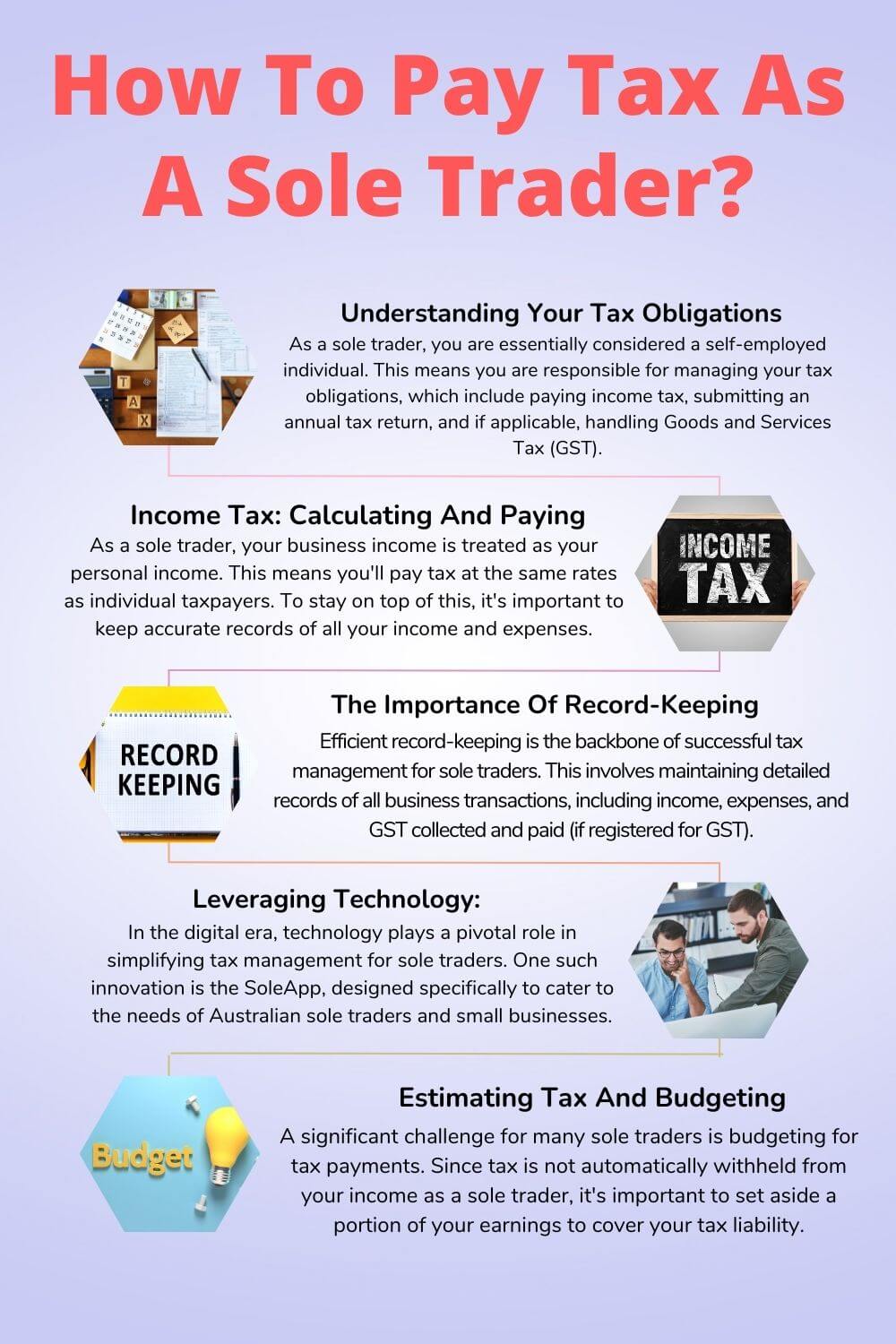
- Self-Employed Individuals and Gig Workers: If you work for yourself as an independent contractor, freelancer, or gig worker, you are generally responsible for paying self-employment taxes (Social Security and Medicare) in addition to income tax. These taxes are typically paid quarterly.
- Businesses: Corporations, partnerships, and sole proprietorships all have distinct tax obligations, including corporate income tax, payroll taxes for employees, and potentially sales tax if they sell goods or services.
- Property Owners: Those who own real estate are typically subject to property taxes, which are usually collected by local government entities.
Types of Taxes You Might Encounter
The tax landscape is diverse, encompassing various forms that apply to different aspects of economic activity.
- Income Tax: This is levied on an individual’s or company’s income, profits, and gains. In many countries, it’s progressive, meaning higher earners pay a larger percentage.
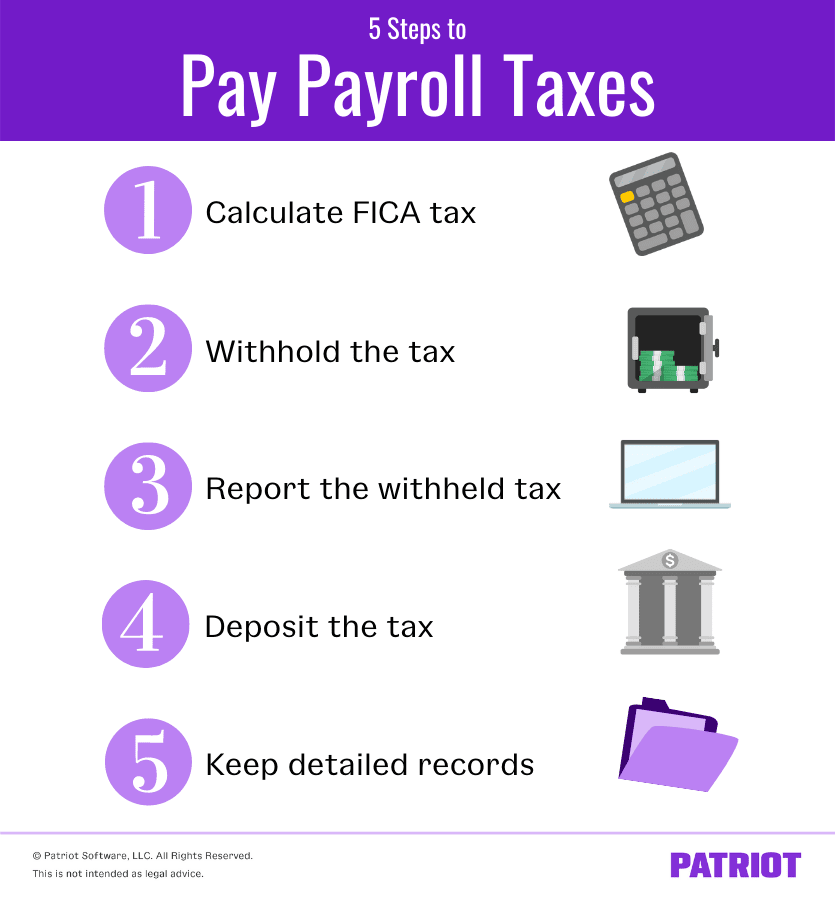
- Payroll Taxes: These are taxes paid on the wages and salaries of employees, including Social Security and Medicare taxes (FICA in the U.S.). Employers and employees typically share the burden.
- Sales Tax: A consumption tax imposed by state and local governments on the sale of goods and services. Businesses collect this from customers and remit it to the relevant authorities.
- Property Tax: Assessed on real estate and collected by local governments, typically based on the property’s assessed value.
- Capital Gains Tax: Levied on the profit made from the sale of assets like stocks, bonds, real estate, or other investments.
- Estate Tax/Inheritance Tax: Taxes on the transfer of property after someone’s death.
- Excise Tax: Taxes on specific goods or services, such as fuel, tobacco, alcohol, or certain luxury items.
Key Deadlines and Filing Periods
Missing a tax deadline can result in penalties and interest. Understanding these dates is paramount.
- Annual Tax Day: For most individual income tax filers, there’s a primary annual deadline (e.g., April 15th in the U.S.) for filing tax returns and paying any taxes due for the previous year.
- Quarterly Estimated Taxes: Self-employed individuals and those with significant income not subject to withholding (e.g., from investments, rental income) typically pay estimated taxes four times a year to cover their income and self-employment tax obligations.
- Extensions: If you can’t file on time, you can usually request an extension, which gives you more time to file your return. However, an extension to file is generally not an extension to pay; you still need to pay estimated taxes by the original due date to avoid penalties.
- Payroll Tax Deadlines: Businesses have frequent deadlines for remitting payroll taxes, often weekly, bi-weekly, or monthly, depending on their tax liability.
The Role of Tax Laws and Regulations
Tax laws are not static; they evolve with legislation and economic shifts. Staying informed about changes at the federal, state, and local levels is crucial. Different jurisdictions have distinct rules, forms, and rates. For instance, state income tax laws vary widely, with some states having no income tax at all, while others have complex progressive systems. Businesses must also contend with specific regulations pertaining to their industry and structure. Ignorance of the law is not a valid defense against non-compliance, making continuous learning or professional guidance essential.
Methods of Tax Payment
Once you’ve determined your tax obligations, the next step is to execute the payment. Modern tax systems offer a variety of convenient methods, ranging from digital solutions to traditional mail, catering to different preferences and needs. Choosing the right method can streamline the process and ensure timely submission.
Paying Electronically (E-Pay)
Electronic payment methods are increasingly popular due to their convenience, speed, and security. They offer instant confirmation and reduce the risk of lost mail.
- Direct Debit/Bank Transfer: Many tax authorities allow you to authorize a direct debit from your bank account when filing your return electronically. This is often the most straightforward and cost-effective option.
- Credit/Debit Card: You can typically pay federal and state taxes using a credit or debit card through approved third-party payment processors. While convenient, these services usually charge a small processing fee.
- Electronic Federal Tax Payment System (EFTPS): This is a free service provided by the U.S. Treasury Department, primarily used by businesses for federal tax payments but also available to individuals. It allows you to schedule payments up to 365 days in advance.
- Online Payment Portals: Most tax agencies have dedicated online portals where you can log in, view your tax balance, and make payments directly from your bank account or via card. These portals often integrate with your online tax filing software.
Paying by Mail
For those who prefer traditional methods or cannot use electronic options, paying by mail remains a viable choice.
- Checks or Money Orders: You can mail a check or money order directly to the tax authority. It’s crucial to make it payable to the correct entity (e.g., “U.S. Treasury”) and to write your Social Security number or Employer Identification Number (EIN) and the tax year/form number on the memo line to ensure proper crediting.
- Proper Forms and Addresses: Always include the correct payment voucher (e.g., Form 1040-V for individuals) and send it to the exact mailing address specified in the tax instructions for your specific tax form and type of payment. Use certified mail with a return receipt for proof of mailing and delivery, especially for larger payments.
Paying In-Person
While less common for federal taxes, some state and local taxes, or situations requiring immediate resolution, can be paid in person.
- Authorized Payment Centers: Some jurisdictions partner with retail stores, banks, or other financial institutions to accept tax payments. These centers often charge a fee.
- Taxpayer Assistance Centers (TACs): In some cases, the IRS or state tax agencies have local offices where you can make payments, though this is often restricted to specific circumstances and might require an appointment.
Payroll Withholding and Estimated Taxes
The method of payment often depends on your employment status.
- Payroll Withholding (W-2 Employees): If you are an employee, your employer typically withholds income and payroll taxes from each paycheck and remits them to the government on your behalf. You manage this through your W-4 form, adjusting allowances to ensure enough is withheld to cover your annual liability.
- Estimated Taxes (Self-Employed, Gig Workers, Investment Income): If you don’t have an employer withholding taxes, or if your income from other sources (like investments or rental properties) is substantial, you are responsible for paying estimated taxes quarterly. This ensures you pay your tax liability throughout the year, avoiding a large bill and potential penalties at tax time. Calculating estimated taxes accurately requires forecasting your income and deductions for the year.
Navigating Specific Tax Scenarios
While the general principles of tax payment apply broadly, certain scenarios present unique challenges and requirements. Understanding these specific contexts is vital for ensuring compliance and optimizing your financial position.
Self-Employment Taxes
For the rapidly growing population of freelancers, independent contractors, and small business owners, self-employment taxes are a significant consideration.
- Social Security and Medicare: When you’re self-employed, you’re responsible for both the employer and employee portions of Social Security and Medicare taxes. This combined rate is typically 15.3% on your net earnings up to a certain threshold for Social Security, plus a Medicare tax on all net earnings.
- Quarterly Payments: Because no employer is withholding taxes, self-employed individuals must pay estimated taxes quarterly. Failure to do so can result in underpayment penalties. It’s advisable to set aside a portion of every payment received to cover these obligations.
- Deductions: Self-employed individuals can often deduct business expenses, which reduces their taxable income and, consequently, their self-employment tax liability. Accurate record-keeping is paramount for these deductions.
Business Taxes
Businesses face a more complex array of tax obligations that depend on their legal structure (sole proprietorship, partnership, S-corporation, C-corporation) and industry.
- Corporate Income Tax: Corporations pay tax on their profits. C-corporations face “double taxation” – the corporation pays tax on its profits, and then shareholders pay tax again on dividends received.
- Payroll Taxes: If a business has employees, it must withhold federal, state, and local income taxes, as well as Social Security and Medicare taxes, from employee wages. The business also pays its share of Social Security, Medicare, and unemployment taxes. These funds must be remitted regularly to the appropriate agencies.
- Sales Tax Collection: Businesses that sell taxable goods or services must register with their state’s revenue department, collect sales tax from customers, and periodically remit these collections. Non-compliance can lead to severe penalties.
- Property Taxes: Businesses owning real estate or certain business personal property (equipment, inventory) are subject to property taxes, typically assessed and collected by local municipalities.
International Tax Considerations
The globalization of work and investment means many individuals and businesses have international tax implications.
- Foreign Income: U.S. citizens and resident aliens are generally taxed on their worldwide income, regardless of where they live or where the income is earned.
- Foreign Tax Credit/Exclusion: To prevent double taxation, the U.S. offers mechanisms like the Foreign Tax Credit (allowing a credit for income taxes paid to foreign governments) or the Foreign Earned Income Exclusion (allowing qualifying individuals to exclude a certain amount of foreign-earned income from U.S. taxation). Navigating these rules requires careful attention and often professional guidance.
- Reporting Requirements: There are stringent reporting requirements for foreign bank accounts (FBAR), foreign assets, and other foreign financial interests, with significant penalties for non-disclosure.
What If You Can’t Pay?
Facing an inability to pay your tax bill can be stressful, but ignoring it will only worsen the situation. The IRS and state tax agencies offer solutions.
- Payment Plans (Installment Agreements): If you can’t pay your full tax liability immediately, you can typically set up an installment agreement to make monthly payments over a period, usually up to 72 months. While penalties and interest still accrue, this prevents more aggressive collection actions.
- Offer in Compromise (OIC): An OIC allows certain taxpayers to settle their tax debt for a lower amount than what they originally owe. This is usually approved when there is significant doubt about the taxpayer’s ability to pay the full amount or in cases of financial hardship. It’s a complex process that requires demonstrating an inability to pay.
- Temporary Hardship: In some extreme cases of financial hardship, the IRS may temporarily delay collection until your financial situation improves.
- Professional Help: If you find yourself in a situation where you cannot pay, consulting a tax professional (like an Enrolled Agent, CPA, or tax attorney) is highly recommended. They can help negotiate with tax authorities and determine the best course of action.
Tools and Resources for Seamless Tax Payments
Navigating the complexities of tax payment can be significantly streamlined by leveraging the right tools and resources. From software that guides you through the process to expert professionals who offer bespoke advice, these aids can save time, reduce stress, and prevent costly errors.
Tax Software and Online Platforms
Modern technology has transformed tax preparation and payment, making it accessible to a broader audience.
- DIY Tax Software (e.g., TurboTax, H&R Block Tax Software, FreeTaxUSA): These platforms guide users step-by-step through the filing process, helping them identify deductions and credits, calculate their tax liability, and submit payments electronically. They are particularly useful for individuals and small businesses with relatively straightforward tax situations. Many offer free versions for basic filings, with paid tiers for more complex scenarios or additional support.
- Professional Accounting Software (e.g., QuickBooks, Xero): For businesses, integrated accounting software often includes features for managing payroll, tracking expenses, and generating financial reports that simplify tax preparation. Some even offer direct links or integrations with tax filing services or allow accountants to easily access necessary data.
- Benefits: These tools ensure accuracy through automated calculations, help identify potential deductions you might miss, and provide electronic filing options for faster processing and refunds. They also securely store your tax history for future reference.
Professional Tax Preparers and Accountants
While software is powerful, complex tax situations often warrant human expertise.
- When to Hire: Consider a professional if you have complex investments, own a business, experienced major life changes (marriage, divorce, new home, significant inheritance), have international income, or simply feel overwhelmed by the process.
- What They Do: A qualified tax preparer (like a Certified Public Accountant – CPA, or an Enrolled Agent – EA) can prepare and file your taxes, offer tax planning advice, represent you during audits, and help navigate intricate tax laws. They can identify opportunities for savings and ensure compliance, potentially saving you more than their fees.
- Finding the Right Professional: Look for credentials (CPA, EA), experience, and good references. Ensure they are authorized to practice before the IRS or relevant state agencies.
Government Resources and Publications
Tax authorities themselves are invaluable sources of accurate and up-to-date information.
- IRS Website (irs.gov) and State Tax Agency Websites: These websites are treasure troves of information, offering forms, instructions, publications, FAQs, and online tools. You can find detailed explanations of tax laws, understand eligibility for credits, and learn about various payment options directly from the source.
- Publications and Guides: The IRS publishes numerous free publications (e.g., Publication 17, “Your Federal Income Tax”) that explain tax laws in plain language. State tax agencies offer similar resources tailored to local regulations.
- Taxpayer Assistance Centers (TACs): For specific questions or in-person assistance, government tax centers can provide guidance, though they do not prepare returns for you.
Financial Planning and Budgeting for Taxes
Proactive financial planning is arguably the most crucial tool for seamless tax payments.
- Setting Aside Funds: For self-employed individuals or those with significant investment income, regularly setting aside a portion of income into a separate savings account specifically for taxes is a smart strategy. This prevents a scramble when estimated tax payments are due or when the annual bill arrives.
- Tax-Advantaged Accounts: Utilizing accounts like 401(k)s, IRAs, HSAs, or 529 plans can reduce your taxable income and/or allow investments to grow tax-free or tax-deferred, impacting your overall tax liability.
- Budgeting: Incorporating tax payments into your annual or quarterly budget ensures that funds are always available. This proactive approach eliminates financial surprises and allows for smoother cash flow management. Understanding your expected tax burden throughout the year empowers you to make informed financial decisions.
Common Pitfalls and Best Practices
Even with the best intentions, navigating tax payments can present challenges. Being aware of common pitfalls and adopting best practices can significantly reduce errors, avoid penalties, and foster a more confident approach to your financial obligations.
Avoiding Late Payment Penalties and Interest
One of the most common and easily avoidable mistakes is failing to pay on time.
- Understanding Consequences: The IRS and state tax agencies typically assess penalties for failing to pay by the due date, even if you filed an extension for your return. Interest also accrues on unpaid balances from the original due date. These can quickly add up.
- Proactive Planning: Mark all relevant tax deadlines on your calendar. For estimated taxes, set reminders well in advance of each quarterly payment. If you anticipate owing money, start setting aside funds early in the year. If you can’t pay the full amount, file on time and pay as much as you can, then set up an installment agreement immediately. This minimizes penalties.
- Underpayment Penalties: Be mindful of underpayment penalties, especially if you’re self-employed or have significant non-wage income. Ensure your estimated tax payments or payroll withholdings are sufficient to cover at least 90% of your current year’s tax liability or 100% (or 110% for high earners) of your prior year’s tax liability, whichever is smaller.
Accurate Record-Keeping
Diligent record-keeping is the bedrock of accurate tax reporting and payment.
- Importance of Documentation: Maintain meticulous records of all income, expenses, deductions, credits, and financial transactions. This includes W-2s, 1099s, bank statements, credit card statements, receipts for business expenses, medical bills, charitable donation receipts, and investment statements.
- Organized System: Establish a system for organizing your records throughout the year, whether it’s digital (cloud storage, accounting software) or physical (well-labeled folders). Don’t wait until tax season to gather everything; a continuous approach simplifies the process and reduces the chances of losing vital documents.
- Audit Readiness: Good records are your best defense in the event of an audit. They provide verifiable proof for every figure on your return, making the audit process far less stressful and more likely to result in a favorable outcome.
Staying Informed About Tax Law Changes
Tax laws are dynamic, evolving with new legislation, court rulings, and economic conditions.
- Impact on Individuals and Businesses: Changes can affect tax rates, available deductions and credits, filing requirements, and even the definition of taxable income. For instance, a new tax bill might introduce or eliminate certain deductions, impacting your overall tax liability.
- Reliable Sources: Regularly consult reputable sources such as the IRS website, official state tax department publications, and trusted financial news outlets or tax professionals. Many tax software providers also offer updates on relevant changes.
- Professional Advice: If significant tax law changes occur, especially those impacting your specific financial situation or business, consult with a tax professional to understand their implications and adjust your strategy accordingly.

Proactive Tax Planning
Tax payment shouldn’t be a once-a-year event; it should be an ongoing part of your financial strategy.
- Year-Round Optimization: Engaging in proactive tax planning throughout the year allows you to make informed decisions that can minimize your tax burden legally. This includes evaluating investment choices, managing capital gains, making charitable contributions, and contributing to tax-advantaged retirement accounts.
- Strategic Deductions and Credits: Understand the deductions and credits available to you and strategize to maximize them. For example, if you’re self-employed, consider purchasing business equipment before year-end to take advantage of depreciation deductions.
- Consulting a Professional: Regular consultations with a financial advisor or tax planner can help you identify opportunities for tax savings, optimize your financial strategies, and ensure you’re on track to meet your obligations without stress. They can provide personalized advice based on your evolving financial circumstances, transforming tax season from a dreaded obligation into an opportunity for strategic financial management.
In conclusion, paying taxes effectively requires a blend of understanding, proactive planning, and leveraging available tools. By taking the time to comprehend your obligations, utilize appropriate payment methods, address specific scenarios, and maintain diligent records, you can navigate the tax landscape with confidence and ensure you fulfill your financial responsibilities smoothly.
aViewFromTheCave is a participant in the Amazon Services LLC Associates Program, an affiliate advertising program designed to provide a means for sites to earn advertising fees by advertising and linking to Amazon.com. Amazon, the Amazon logo, AmazonSupply, and the AmazonSupply logo are trademarks of Amazon.com, Inc. or its affiliates. As an Amazon Associate we earn affiliate commissions from qualifying purchases.