
In the modern financial landscape, the intersection of technology and personal finance has revolutionized how individuals and businesses interact with fiscal authorities. The era of mailing paper checks and navigating labyrinthine physical forms is rapidly becoming a relic of the past. Today, paying taxes online is not merely a convenience; it is a strategic component of professional financial management. By leveraging digital payment systems, taxpayers can ensure precision, optimize their cash flow, and maintain a robust audit trail that is essential for long-term wealth preservation.
This transition to digital tax ecosystems reflects a broader shift toward financial transparency and efficiency. Whether you are a high-net-worth investor, a burgeoning entrepreneur, or a salaried professional, understanding the nuances of online tax payments is critical to maintaining your financial health.
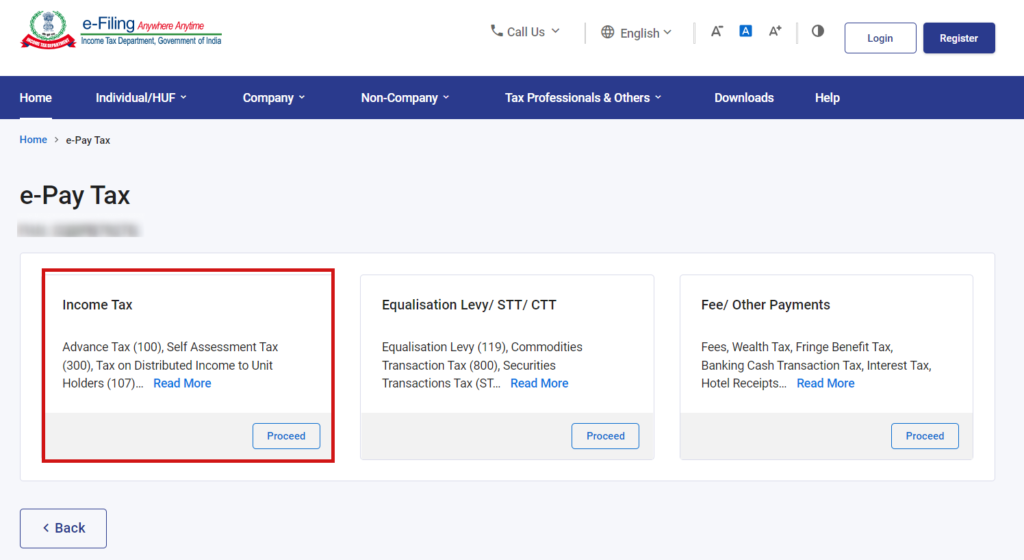
The Infrastructure of Online Tax Payments: Choosing Your Method
The first step in mastering online tax payments is understanding the various channels available through financial authorities. In the United States, the Internal Revenue Service (IRS) and state-of-the-art treasury departments have developed sophisticated portals designed to handle billions of dollars in transactions securely.
Direct Pay: The Efficiency of Electronic Transfers
Direct Pay is often considered the gold standard for individual taxpayers. This method allows for a direct transfer from a checking or savings account without the need for registration or third-party intermediaries. From a financial management perspective, Direct Pay is highly advantageous because it incurs no additional processing fees. By utilizing this method, you retain the maximum value of your capital, ensuring that every dollar goes toward your liability rather than administrative overhead. It is an ideal tool for making estimated tax payments or settling an annual balance.
The Electronic Federal Tax Payment System (EFTPS)
For business owners and individuals with complex financial profiles, the Electronic Federal Tax Payment System (EFTPS) offers a more robust solution. Unlike simpler portals, EFTPS requires an enrollment process, but it provides a comprehensive history of payments and allows for scheduled transactions up to 365 days in advance. This tool is a cornerstone of proactive business finance, allowing CFOs and solo-practitioners alike to manage their liquidity by automating tax obligations well before deadlines loom.
Credit and Debit Card Considerations
While most financial advisors recommend direct transfers to avoid fees, paying taxes via credit card can be a strategic move in specific scenarios. Most online tax portals utilize third-party processors that charge a percentage-based convenience fee. However, if a taxpayer is seeking to meet a minimum spend requirement for a high-value rewards card or needs to bridge a temporary liquidity gap without incurring the steeper penalties of late payment, the fee may be a justifiable cost of capital. It is essential to calculate the “effective interest rate” of these fees before proceeding.
Integrating Tax Payments into Personal Finance Strategy
Paying taxes should not be viewed as an isolated annual event but as an integrated part of a holistic personal finance strategy. The ability to pay online provides the data and flexibility necessary to optimize your financial position throughout the fiscal year.
Real-Time Liability Management
One of the greatest benefits of digital tax platforms is the ability to make frequent, smaller payments. For those with significant non-wage income—such as dividends, capital gains, or rental income—waiting until April to settle a massive bill can lead to “sticker shock” and potential underpayment penalties. By making quarterly or even monthly online payments, you can smooth out your cash flow and ensure that your investment capital is working for you effectively, rather than sitting in a low-interest account reserved for a future tax bill.
Leveraging Tax Software for Accuracy
The rise of sophisticated financial tools and software has simplified the bridge between earning and paying. Professional-grade software often integrates directly with online payment portals. This integration reduces the risk of manual entry errors, which can lead to costly audits or delayed refunds. From a money-management standpoint, these tools act as a secondary layer of verification, ensuring that the figures reported on your returns match the payments being transmitted to the treasury.
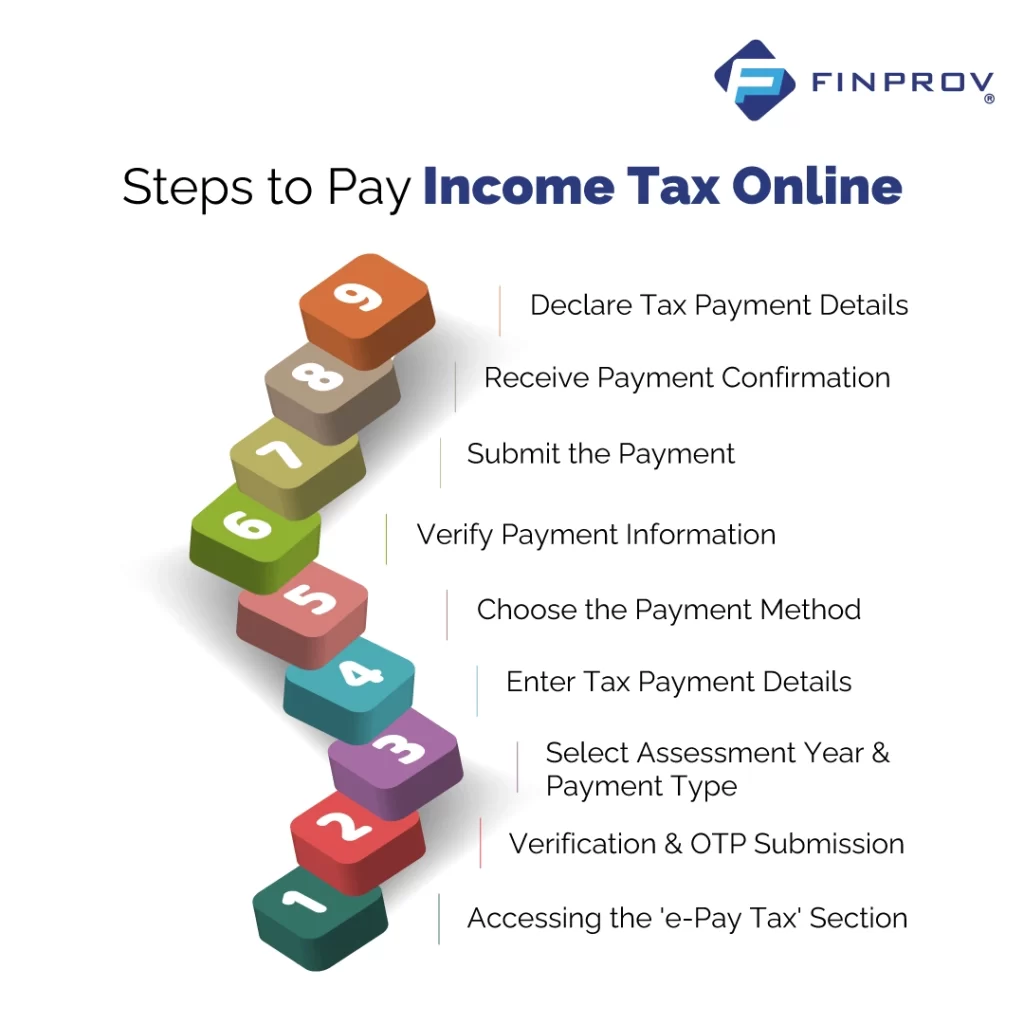
The Role of Digital Records in Audits
Financial security is rooted in documentation. When you pay taxes online, you receive an immediate digital confirmation. These electronic receipts are far more secure than canceled checks or physical mail logs. Maintaining a organized digital archive of these transactions is vital for defending your financial position during an audit. It provides an indisputable timeline of your compliance and financial responsibility.
Business Finance: Online Taxation for Entrepreneurs and Small Businesses
For the business owner, online tax payments are a matter of operational necessity. Managing corporate taxes, payroll liabilities, and state-level sales tax requires a level of precision that manual systems simply cannot provide.
Managing Estimated Quarterly Payments
Business finance is dictated by the rhythm of quarterly estimations. For the self-employed or those running an LLC, the IRS requires “pay-as-you-go” contributions. Online portals simplify this by allowing entrepreneurs to calculate their liability based on real-time profit and loss statements and transmit the funds instantly. This proactive approach prevents the depletion of business operating capital at the end of the year and aids in more accurate financial forecasting.
Payroll and Employment Tax Compliance
One of the most complex areas of business finance is employment tax. Failure to timely remit withheld taxes can result in severe financial penalties and legal repercussions for business owners. Online systems allow for the automated scheduling of these payments, ensuring that the business remains in good standing with both federal and state authorities. This automation frees up the business owner to focus on revenue-generating activities rather than administrative compliance.
State and Local Tax (SALT) Digital Portals
While much focus is placed on federal obligations, state and local taxes often represent a significant portion of a business’s tax burden. Most states have now mirrored the federal government’s digital-first approach. Navigating these various portals requires a centralized financial strategy to ensure that all jurisdictions are satisfied and that the business is taking advantage of any regional tax incentives or credits available through digital filing.
Security, Compliance, and Financial Risk Mitigation
In the realm of online finance, security is synonymous with wealth protection. As tax payments move into the digital sphere, the methods used to protect that capital must evolve accordingly.
Safeguarding Sensitive Financial Data
When paying taxes online, you are transmitting highly sensitive information, including Social Security numbers and bank account details. It is imperative to use secure, encrypted connections. From a professional financial perspective, this means avoiding public Wi-Fi and ensuring that any device used for financial transactions is hardened against intrusion. This is not just a tech concern; it is a fundamental pillar of protecting your personal and business assets from fraudulent activity.
Identifying and Avoiding Tax-Related Phishing
The digitalization of taxes has unfortunately opened new avenues for financial fraud. Scammers often pose as tax authorities to steal funds or identity data. A key tenet of modern financial literacy is knowing that legitimate authorities (like the IRS) will never initiate contact via email or social media to demand an immediate online payment. Understanding the official protocols for digital payments is your best defense against sophisticated financial scams that target your liquid assets.
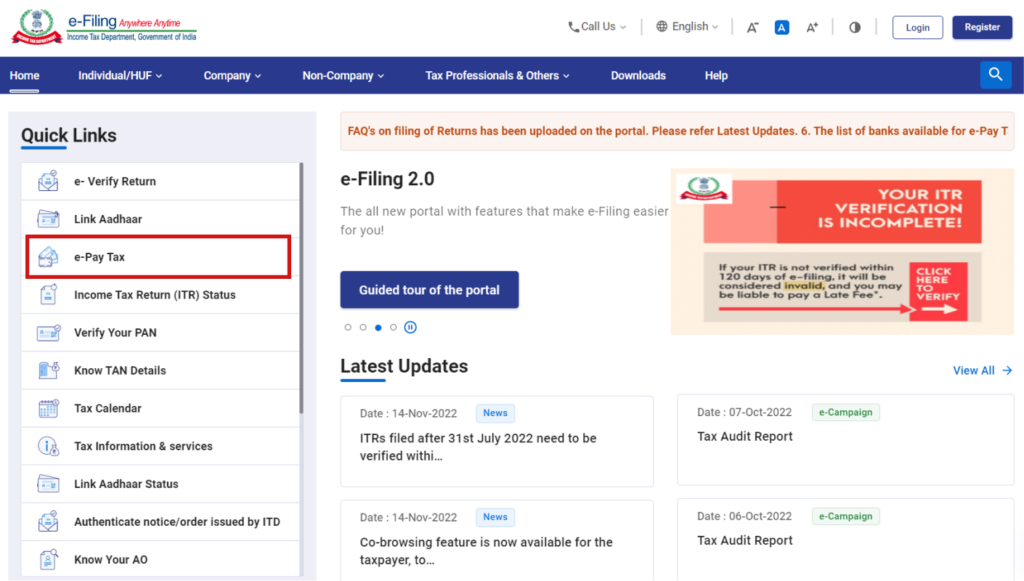
Future-Proofing Your Financial Footprint
The trend toward “TaxTech” and digital-only interactions is accelerating. Governments worldwide are moving toward real-time reporting and automated tax assessments. By mastering online payment systems now, you are future-proofing your financial management. You are moving from a reactive stance—scrambling to meet deadlines—to a proactive one where your tax obligations are a seamlessly managed line item in your broader financial portfolio.
In conclusion, the ability to pay tax online is a powerful tool in the arsenal of the modern investor and business owner. It offers a level of control, transparency, and efficiency that was once unimaginable. By choosing the right payment channels, integrating these payments into your overall financial strategy, and maintaining a rigorous focus on security and compliance, you can ensure that your relationship with the tax authorities is professional, accurate, and optimized for your long-term financial success. In the world of money management, time is a resource as valuable as capital, and the digital tax landscape allows you to save both.
aViewFromTheCave is a participant in the Amazon Services LLC Associates Program, an affiliate advertising program designed to provide a means for sites to earn advertising fees by advertising and linking to Amazon.com. Amazon, the Amazon logo, AmazonSupply, and the AmazonSupply logo are trademarks of Amazon.com, Inc. or its affiliates. As an Amazon Associate we earn affiliate commissions from qualifying purchases.