
Venmo has become a ubiquitous tool for peer-to-peer (P2P) payments, making it incredibly convenient to split bills, send money to friends, or pay for services. However, a common question arises for those who wish to leverage its popularity without committing to another digital account: Is it possible to pay someone on Venmo without an account? The straightforward answer is no, not directly as a sender. Venmo’s operational model is inherently account-centric, designed for transactions between registered users. Understanding why this is the case, and exploring effective alternative financial strategies, is crucial for anyone navigating modern digital payments.

Understanding Venmo’s Account-Centric Model
Venmo, like most financial technology (fintech) platforms, operates on a principle of registered users making authenticated transactions. This model is fundamental to its security, compliance, and functionality.
The Core Principle of P2P Payments
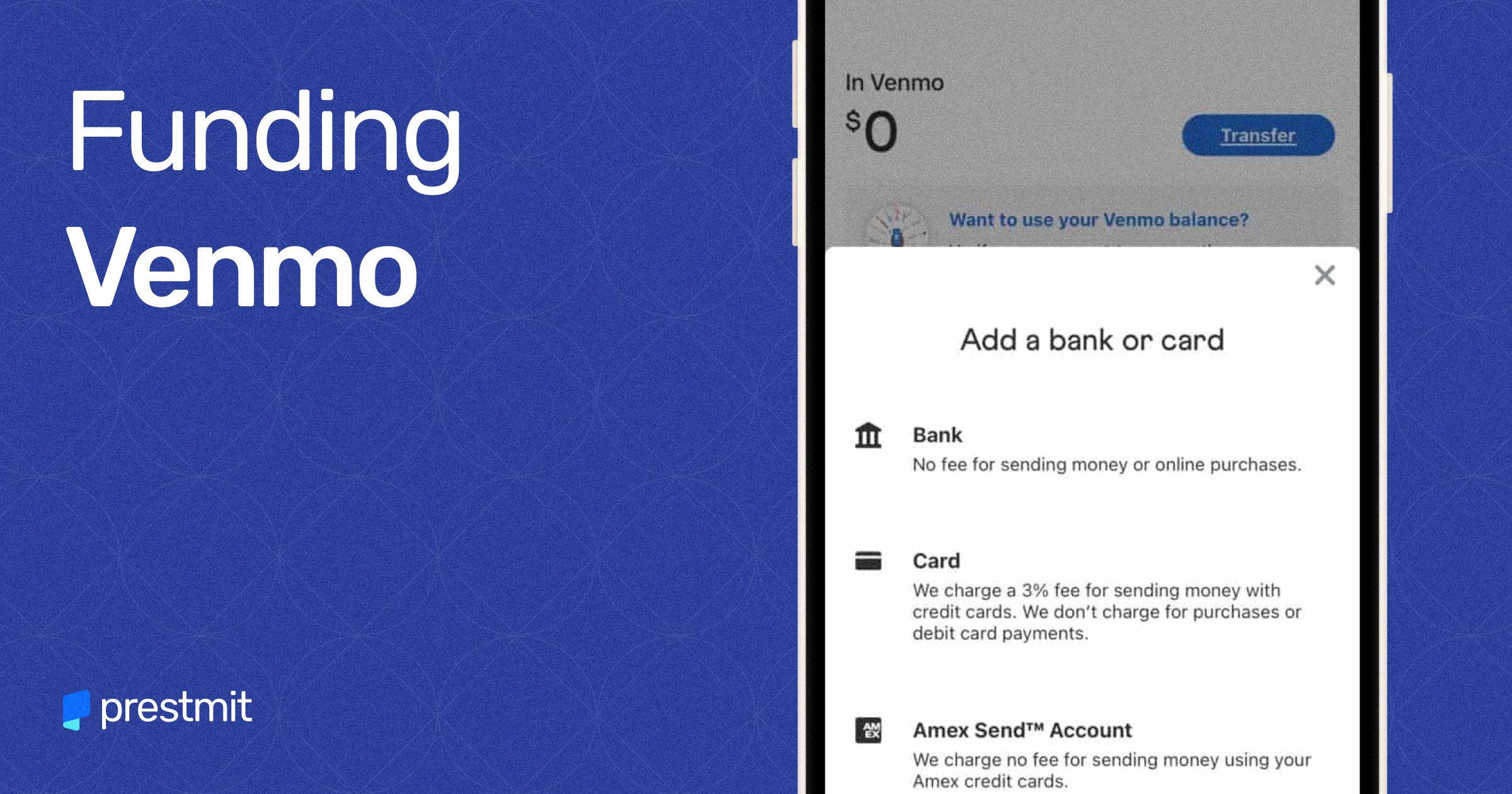
At its heart, Venmo is a digital wallet and social payment platform. It facilitates the transfer of funds directly between individuals. For this to work, both the sender and the recipient must have a recognized digital identity within the system. This digital identity is established through account creation, which involves linking personal information and a funding source (bank account, debit card, credit card) to a unique profile. When you send money via Venmo, you are instructing the platform to debit your linked funding source and credit the recipient’s Venmo balance, which is tied to their account.
Why an Account is Usually Essential
The requirement for an account is not an arbitrary design choice; it’s a cornerstone of the platform’s operation and legal compliance. Without an account, Venmo cannot:
- Authenticate Identity: Know who is sending or receiving money. This is critical for preventing fraud and complying with financial regulations.
- Link Funding Sources: Connect the transaction to a bank account or card for debiting or crediting funds.
- Track Transactions: Maintain a record of payments for dispute resolution, financial reporting, and user support.
- Manage Balances: Hold funds temporarily or permanently within the Venmo ecosystem.
Essentially, an account serves as your unique portal into the Venmo financial system, enabling you to manage your funds, view transaction history, and interact with other users.
Security and Compliance Requirements
Financial services, even those delivered through consumer-friendly apps, are subject to stringent regulations. Laws like the Bank Secrecy Act (BSA) and Know Your Customer (KYC) rules require financial institutions to verify the identity of their customers to combat money laundering, terrorist financing, and other illicit financial activities. Account creation, with its associated identity verification processes (e.g., providing a name, address, date of birth, and sometimes a Social Security number), is Venmo’s mechanism for meeting these legal obligations. Allowing unregistered users to send money would bypass these critical safeguards, rendering the platform vulnerable and non-compliant.
Direct Payments Without an Account: The Reality
Given Venmo’s operational framework, directly sending money on Venmo as a sender without an account is not feasible. This reality shapes how individuals must approach payments to Venmo users if they themselves prefer not to register.
Debunking the Myth
There’s often a misconception that because Venmo is so easy to use, it might offer a “guest checkout” option similar to some e-commerce sites. However, financial transactions involve a higher degree of risk and regulatory oversight than typical online shopping. Unlike a retail website where you might input card details for a one-off purchase, Venmo is designed for ongoing peer-to-peer transfers, necessitating a persistent user identity. Therefore, if you do not have an active Venmo account, you cannot initiate a payment through their system.
What “Paying Someone on Venmo” Truly Entails
When you hear someone say they want to “pay someone on Venmo,” it inherently means sending funds from one Venmo account to another Venmo account. The sender’s account is debited, and the recipient’s account is credited. This process is seamless and almost instantaneous because both parties are already within Venmo’s verified ecosystem. Any transaction initiated outside of this account-to-account framework is not a “Venmo payment” in the traditional sense, even if the ultimate goal is to get money to someone who primarily uses Venmo.
The Recipient’s Role in a Venmo Transaction
It’s important to note that while a sender must have an account to initiate a Venmo payment, the recipient’s situation can be slightly different. If a non-Venmo user receives a payment request or is sent money by an existing Venmo user, they will typically receive a notification (e.g., via email or text message) inviting them to create an account to claim the funds. The money is held in a pending state until the recipient registers and links a bank account. So, while the sender always needs an account, the recipient may sometimes be prompted to create one to finalize the transaction. However, this scenario doesn’t bypass the core requirement for an account to ultimately facilitate the transfer of funds.
Alternative Strategies for Account-Less Payments
Since direct payment on Venmo without an account isn’t an option, those wishing to send money to someone who prefers Venmo must consider alternative financial methods. These strategies focus on achieving the same goal—getting money to the recipient—through different channels.
Utilizing Third-Party Intermediaries
One common workaround involves leveraging someone else’s Venmo account.
Asking a Friend or Family Member with an Account
The most straightforward indirect method is to ask a trusted friend or family member who has a Venmo account to make the payment on your behalf. You would give your intermediary the cash or transfer money to them via another method (like a direct bank transfer or another P2P app you both use), and they would then send the payment to your intended recipient via their Venmo account.
Understanding the Risks and Responsibilities
While convenient, this method carries inherent risks:
- Trust: You are relying on your intermediary to complete the transaction correctly and promptly.
- Tracking: The transaction will appear on your intermediary’s Venmo history, not yours, which could complicate personal financial tracking or dispute resolution.
- Limits: Your intermediary’s Venmo sending limits apply, which might restrict large transactions.
- No Protection: If a dispute arises between you and the ultimate recipient, Venmo’s buyer/seller protection policies (if applicable) would apply to the intermediary, not directly to you. This strategy should only be used with individuals you trust implicitly.
Exploring Other Direct Payment Methods
Many other digital and traditional payment options exist that can achieve the same goal as Venmo, some of which might accommodate users without dedicated accounts for specific transactions.
Bank Transfers (e.g., Zelle, ACH)
- Zelle: Many banks offer Zelle directly within their mobile banking apps. If your bank supports Zelle, you can send money directly from your bank account to another person’s bank account using just their email address or phone number. Both sender and recipient generally need to be enrolled in Zelle through their respective banks, but it avoids creating a separate third-party app account. The recipient receives funds directly in their bank account, which they can then use as they please, potentially transferring to their Venmo if they wish.
- ACH Transfers: For larger or less urgent transfers, a standard Automated Clearing House (ACH) bank transfer can be initiated through your bank. This usually requires the recipient’s bank account and routing number. While slower, it’s a direct, secure bank-to-bank transfer that doesn’t require any third-party app accounts.
Other P2P Apps (with caution)
While most P2P apps require an account, some might have very limited “guest” functionality or different account creation hurdles. For instance, PayPal (Venmo’s parent company) sometimes allows sending money as a guest for certain types of transactions, though P2P usually requires an account. Generally, if you’re trying to avoid creating any app account, most P2P services will present similar obstacles to Venmo. Focusing on bank-integrated solutions like Zelle or traditional methods is often more effective.
Physical Cash or Checks
The simplest and most universally accepted method remains physical cash or a personal check. While less “digital” and potentially inconvenient, these methods require no app accounts, no internet connection for the transaction, and are universally understood. For many situations where digital complexity is a barrier, going back to basics is the most reliable solution.
Gift Cards or Prepaid Debit Cards
Depending on the nature of the payment, a physical or digital gift card for a specific retailer or a general-purpose prepaid debit card can serve as a substitute. This might be suitable for gifting or for specific purchases, but less so for general-purpose money transfers.
The Case for Creating a Venmo Account
For those frequently interacting with Venmo users, the convenience and ease of having an account often outweigh the initial effort of setup.
Ease of Use and Convenience
Once established, a Venmo account allows for instant payments with just a few taps. It integrates seamlessly with your contacts and offers a social feed, making group payments and tracking shared expenses incredibly simple. This efficiency can save significant time compared to coordinating alternative payment methods.
Access to Features and Security
Having your own account grants full access to Venmo’s features, including direct deposit, debit card options, and transaction history. Furthermore, it places you directly under Venmo’s security protocols and dispute resolution processes, offering a layer of protection that is absent when using an intermediary.
Long-Term Financial Management Benefits
Integrating Venmo into your personal finance strategy can streamline expense tracking, especially for shared costs. The ability to quickly send and receive funds makes managing daily financial interactions more fluid and less burdensome. For many, the benefits of participating directly in the Venmo ecosystem justify the minimal effort of account creation.
Financial Security and Best Practices for Digital Payments
Regardless of the method you choose to send money, maintaining financial security and adhering to best practices is paramount.
Verifying Recipients and Transactions
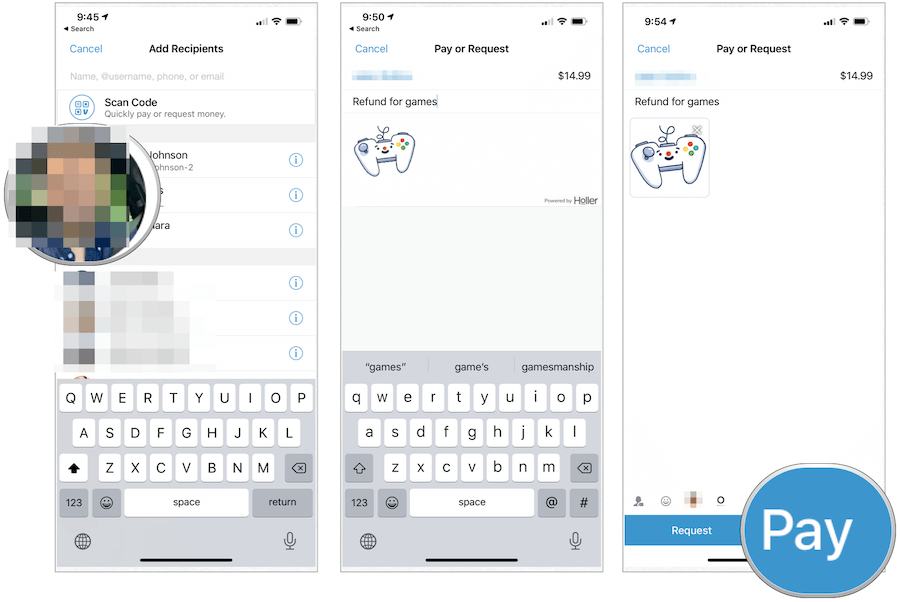
Always double-check the recipient’s information (name, phone number, email) before sending money, especially when using P2P apps or bank transfers. A single digit error can send funds to the wrong person, and often these transactions are irreversible. Confirm the exact amount and purpose of the payment to avoid misunderstandings.
Understanding Transaction Limits and Fees
Be aware of any daily, weekly, or monthly transaction limits imposed by your chosen payment method. Venmo, Zelle, and banks all have different thresholds. Additionally, understand if any fees apply, especially for instant transfers or credit card funding, which can impact the net amount received.
Protecting Your Financial Information
Never share your bank account details, card numbers, or login credentials with anyone you don’t absolutely trust, particularly when using an intermediary. Be wary of phishing scams that attempt to trick you into revealing sensitive information. Use strong, unique passwords and enable two-factor authentication wherever possible.
When to Avoid Digital Payments (and Opt for Traditional Methods)
While digital payments are convenient, there are situations where traditional methods are safer:
- Large, Irreversible Transactions: For significant sums, especially to new or unverified recipients, consider bank wires or certified checks which offer better tracking and security features.
- High-Value Purchases from Unknown Sellers: Digital payment apps offer limited buyer protection compared to credit cards for certain purchases.
- Suspicious Requests: If a payment request seems unusual, too good to be true, or pressures you for immediate action, it’s best to pause and verify through an independent channel.
In conclusion, while directly paying someone on Venmo without an account is not an option for the sender, understanding the reasons behind this limitation empowers individuals to choose the most appropriate and secure alternative financial strategies to meet their payment goals.
aViewFromTheCave is a participant in the Amazon Services LLC Associates Program, an affiliate advertising program designed to provide a means for sites to earn advertising fees by advertising and linking to Amazon.com. Amazon, the Amazon logo, AmazonSupply, and the AmazonSupply logo are trademarks of Amazon.com, Inc. or its affiliates. As an Amazon Associate we earn affiliate commissions from qualifying purchases.