
In an increasingly digital world, the way we manage and transfer money has evolved dramatically. Gone are the days when carrying cash was mandatory, or writing checks was the default for settling small debts. Today, financial technology (fintech) has put powerful tools directly into our pockets, simplifying peer-to-peer payments and making everyday financial interactions more convenient than ever. Among these innovations, Venmo stands out as a leading platform, transforming how millions of users send and receive money with friends, family, and even small businesses.
Understanding how to effectively use Venmo is not just about convenience; it’s about navigating a crucial aspect of modern personal finance. This guide will delve into the intricacies of making payments on Venmo, exploring its functionalities as a financial tool, highlighting critical security measures, and offering best practices to ensure your digital transactions are not only seamless but also secure and aligned with sound financial management principles.

Venmo’s Place in Modern Personal Finance
Venmo has cemented its position as a go-to financial application for a significant demographic, particularly those who embrace digital solutions for their daily needs. It’s more than just a payment app; it’s an integral component of how many individuals manage their personal finances, especially when dealing with shared expenses.
The Evolution of Peer-to-Peer Payments
For centuries, cash was king. Then came checks, offering a paper trail and a layer of formality. The advent of debit and credit cards revolutionized point-of-sale transactions, but peer-to-peer (P2P) payments between individuals often remained clunky, involving cash exchanges or bank transfers that could take days. The rise of smartphones and robust internet infrastructure paved the way for dedicated P2P payment apps. Venmo, launched in 2009 and acquired by PayPal in 2012, capitalized on this shift, offering an intuitive, social, and instant solution to a long-standing financial need. It moved beyond just sending money, integrating a social feed that made financial interactions almost a communal activity.
Convenience Meets Financial Utility
The primary allure of Venmo lies in its unparalleled convenience. Imagine splitting a dinner bill, collecting money for a group gift, or paying your share of rent to a roommate. Traditionally, these scenarios might involve awkward calculations, collecting cash, or setting up complex bank transfers. Venmo streamlines all of this. With just a few taps, money can be sent or requested, settling financial obligations instantly and effortlessly. This ease of use significantly reduces friction in day-to-day personal finance, allowing users to manage small transactions without logistical headaches. It acts as a digital wallet that is perpetually accessible, transforming potential financial chores into quick, straightforward actions.
Understanding Venmo’s Core Functionality
At its heart, Venmo is a mobile payment service designed for individuals to send and receive money from each other. It links directly to your bank account, debit card, or credit card, acting as an intermediary for transactions. When you pay someone, the money typically draws from your Venmo balance, or if insufficient, from your linked bank account or debit card. Received funds reside in your Venmo balance until you choose to transfer them to your linked bank account. This structure makes it a highly efficient financial tool for managing casual payments and receipts within your trusted network.
Step-by-Step: Making a Venmo Payment
The process of sending money through Venmo is designed to be straightforward and user-friendly. However, understanding each step ensures accuracy and security, which are paramount when dealing with financial transactions.
Setting Up Your Venmo Account
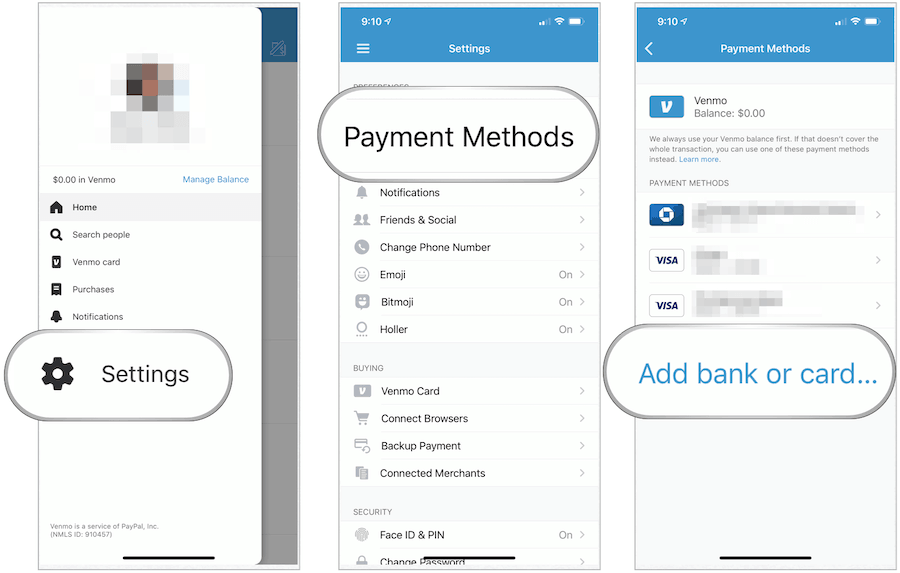
Before you can send money, you need a fully set-up Venmo account. This typically involves downloading the app, signing up with an email address and phone number, and verifying your identity. Crucially, you’ll need to link a funding source: a bank account (via instant verification or micro-deposits) or a debit card. While you can link a credit card, it generally incurs a 3% fee for sending money, making it less ideal for routine P2P payments from a cost-effectiveness standpoint in personal finance. Ensure your linked financial instruments are secure and up-to-date.
Initiating a Payment
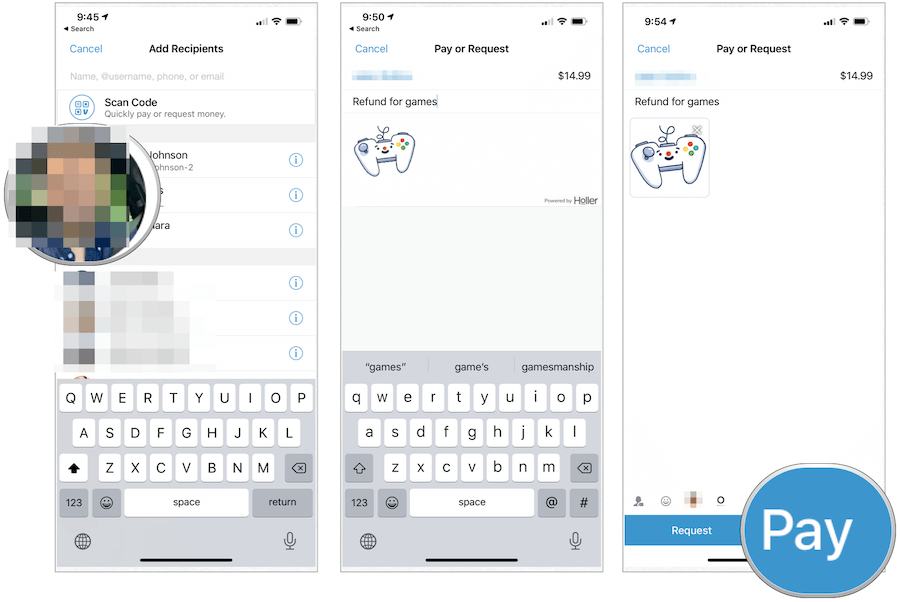
Once logged in, tap the “Pay/Request” icon, usually located at the bottom center of the screen. This will lead you to a new screen where you can:
- Find the Recipient: You can search for them by their Venmo username, phone number, or email address. Ensure you select the correct person to avoid misdirected funds – a common financial error that can be difficult to rectify.
- Enter the Amount: Input the exact amount you wish to send. Double-check this figure.
- Add a Note: This step is important for both parties. Clearly describe the purpose of the payment (e.g., “Dinner,” “Rent for May,” “Concert tickets”). This note serves as a crucial financial record for your transaction history. You can also adjust the privacy setting for this note (public, friends, or private).
Confirming and Sending
After entering the details, you’ll be prompted to review the transaction. This is your last chance to verify the recipient, the amount, and the payment note. Below the note, you’ll see the funding source (e.g., “Bank” or “Debit Card”). Ensure this is the intended source, especially if you have multiple linked. If everything looks correct, tap the “Pay” button. The money is then sent almost instantly, and both you and the recipient will receive notifications.
Adding Funds to Your Venmo Balance (If Needed)
While Venmo primarily draws directly from your linked bank or card, you can also maintain a balance within the app. If you receive money, it automatically goes into your Venmo balance. If you wish to proactively add money to your Venmo balance from your bank, you can do so via the “Manage Balance” section. This can be useful for budgeting or if you prefer to keep a specific amount dedicated for Venmo transactions without directly hitting your bank for every payment.
Navigating Venmo’s Financial Features and Safeguards
While Venmo offers unparalleled convenience, responsible use necessitates a clear understanding of its financial features and the robust security measures available to protect your money.
Understanding Payment Sources and Fees
When sending money, Venmo prioritizes drawing from your existing Venmo balance. If your balance is insufficient, it will default to your linked bank account or debit card, which are typically free for P2P payments. However, sending money using a linked credit card incurs a 3% fee. For savvy financial management, it’s generally advisable to avoid using credit cards for standard P2P Venmo payments to prevent unnecessary expenses. Receiving money on Venmo and transferring it to your linked bank account is free for standard transfers (1-3 business days), but an instant transfer option is available for a 1.75% fee (minimum $0.25, maximum $25). Understanding these fees is critical for informed personal finance decisions.
Ensuring Financial Security with Venmo
The security of your financial data and transactions is paramount. Venmo employs several safeguards:
- Encryption: All sensitive information is encrypted to protect it from unauthorized access.
- PIN/Biometrics: You can set up a PIN, fingerprint, or facial recognition to access the app, adding an essential layer of security beyond just your phone’s lock.
- Two-Factor Authentication (2FA): This critical feature sends a code to your registered phone number or email whenever an unrecognized device attempts to log in, significantly reducing the risk of unauthorized access even if your password is compromised. Always enable 2FA for any financial app.
- Fraud Monitoring: Venmo’s systems actively monitor transactions for suspicious activity.
Despite these measures, user vigilance is key. Never share your password, PIN, or 2FA codes with anyone.
The Role of Privacy Settings in Financial Transactions
Venmo uniquely integrates a social feed into its payment system, but this also means you have control over the privacy of your financial activities. When making a payment, you can choose:
- Public: Your payment note and the parties involved are visible to everyone on the Venmo feed.
- Friends: Only your Venmo friends can see the transaction.
- Private: Only you and the recipient can see the transaction.
For most personal finance transactions, opting for “Private” is recommended to maintain financial privacy. While the social aspect can be fun, disclosing who you pay and for what purpose publicly or even to friends might not align with personal financial discretion. Regularly review your default privacy settings in the app’s settings.
Common Financial Scenarios and Venmo Best Practices
Venmo excels in specific financial scenarios, but understanding its limitations and best practices is crucial for responsible use.
Splitting Expenses and Group Payments
Venmo is a lifesaver for splitting costs. Whether it’s a shared meal, a weekend getaway, or household utilities, the “Request” feature simplifies collecting money. One person can pay upfront, then send requests to others for their share. For group payments, Venmo’s “Groups” feature allows you to create a shared expense tab, making it easier to track who owes what and ensuring everyone contributes their fair share – a practical tool for budgeting and maintaining financial fairness in social contexts.
Accepting Payments and Cashing Out
When someone pays you on Venmo, the funds are added to your Venmo balance. From there, you have a few options:
- Leave it in your balance: You can use these funds for future Venmo payments.
- Transfer to your bank: Go to the “Transfer Balance” section, choose your linked bank account, and select either a standard (free, 1-3 business days) or instant (1.75% fee) transfer. Regularly cashing out significant balances is a good financial practice, as Venmo is not an insured bank account.
Recognizing and Avoiding Financial Scams
Unfortunately, the ease of digital payments can also attract fraudsters. As a P2P platform, Venmo is primarily designed for transactions between people who know and trust each other. Be wary of:
- Overpayment Scams: A sender “accidentally” sends too much money and asks you to refund the difference, often with a fraudulent payment method that later reverses.
- Buyer/Seller Scams (for goods/services): While Venmo is not intended for commercial transactions with unknown parties, some attempt to use it. Be extremely cautious if you use it this way, as Venmo generally does not offer buyer/seller protection for P2P payments.
- Phishing Attempts: Emails or texts pretending to be from Venmo, asking for your login credentials or personal financial information. Always go directly to the app or official website.
Always verify the identity of the sender/recipient. If a deal seems too good to be true, it likely is. For high-value transactions or payments to unknown parties, consider more secure methods with explicit buyer/seller protection, or traditional banking channels.
When to Use Venmo vs. Other Financial Tools
While incredibly useful, Venmo isn’t always the best financial tool for every situation.
- Use Venmo for: Small, casual payments with friends and family, splitting bills, immediate transfers where trust exists.
- Consider Zelle for: Direct bank-to-bank transfers, often faster for larger sums within your banking ecosystem, though usually without the social feed.
- Consider PayPal for: Transactions involving goods and services with unknown parties, where buyer/seller protection is desired (check specific terms for eligibility).
- Consider traditional bank transfers or checks for: Very large sums, formal payments (e.g., rent to a landlord who doesn’t use Venmo), or situations requiring robust legal recourse and documentation.
Maximizing Your Venmo Experience for Financial Control
Leveraging Venmo effectively goes beyond just sending money; it involves using its features to maintain better control over your personal finances.
Transaction History and Budgeting
Every payment and request on Venmo is recorded in your transaction history. This digital ledger can be an invaluable tool for budgeting. You can review past spending, track who you’ve paid and for what, and identify spending patterns. While Venmo isn’t a dedicated budgeting app, its clear record of small, frequent P2P transactions provides useful data points for managing your money. Regularly exporting your transaction history can also aid in broader financial tracking.
Understanding Venmo’s Purchase Protection (Limitations)
It’s crucial to understand that Venmo’s primary design is for P2P transactions between friends and family. While they have introduced “eligible purchases” and certain business profiles that might qualify for purchase protection, this is not a universal feature for all payments. Do not assume your P2P payments for goods or services are protected. If you’re paying a vendor or someone you don’t know for an item, ensure it falls under Venmo’s explicit Purchase Protection Program or use an alternative financial service that offers more comprehensive safeguards. Misunderstanding this can lead to significant financial loss in case of disputes.
Future of Digital Payments and Your Wallet
Venmo is continually evolving, introducing features like physical debit cards linked to your balance, cryptocurrency services, and expanding its capabilities for eligible business payments. As digital payment methods become increasingly sophisticated and integrated into our daily lives, staying informed about these developments will be key to managing your personal finances efficiently and securely. The future points towards a more integrated digital wallet experience, where Venmo-like services play a central role not just in peer-to-peer but also in broader financial ecosystems.
Conclusion
Venmo has undoubtedly revolutionized the landscape of personal finance by making digital payments incredibly simple and accessible. Its convenience for splitting bills, sending gifts, and settling everyday debts is unmatched, seamlessly integrating into our social and financial lives. However, like any powerful financial tool, its utility is maximized when paired with informed usage and a keen awareness of security protocols. By understanding how to navigate its payment processes, leverage its security features, manage privacy settings, and identify potential pitfalls like scams, users can harness Venmo to its full potential. Responsible use of Venmo is not just about sending money; it’s about smart financial management in the digital age, ensuring your transactions are always secure, accurate, and aligned with your broader financial goals.
aViewFromTheCave is a participant in the Amazon Services LLC Associates Program, an affiliate advertising program designed to provide a means for sites to earn advertising fees by advertising and linking to Amazon.com. Amazon, the Amazon logo, AmazonSupply, and the AmazonSupply logo are trademarks of Amazon.com, Inc. or its affiliates. As an Amazon Associate we earn affiliate commissions from qualifying purchases.