
Real estate tax, often referred to as property tax, is a cornerstone of local government funding and a significant recurring expense for any property owner. Whether you are a first-time homeowner, a seasoned real estate investor, or a commercial property manager, understanding the nuances of how to pay these taxes—and how they are calculated—is essential for maintaining your financial health. Property taxes fund vital community services, including public schools, road maintenance, emergency services, and local infrastructure. Failing to manage these payments correctly can lead to heavy penalties, interest accumulation, and, in extreme cases, the loss of the property through tax foreclosure.
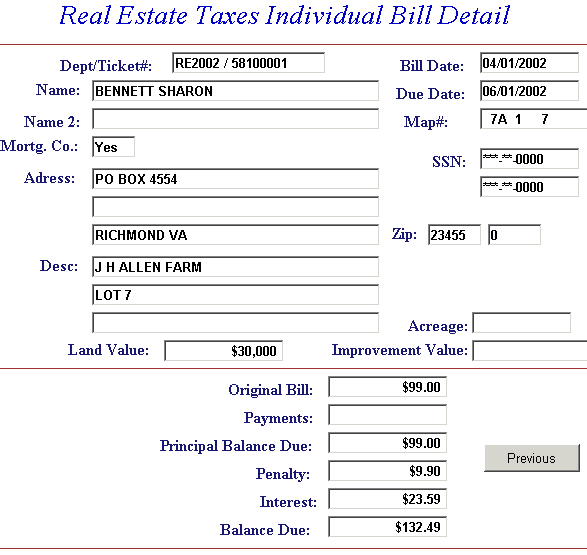
This guide provides a deep dive into the mechanisms of real estate taxation, the various methods available for payment, and strategic approaches to ensure you are never caught off guard by a tax bill.
The Mechanics of Real Estate Taxation
Before addressing the “how” of payment, it is crucial to understand the “what” and “why.” Real estate taxes are generally “ad valorem” taxes, meaning they are based on the assessed value of the property. Local jurisdictions, usually at the county or municipal level, employ assessors to determine the value of every parcel of land and the structures built upon them.
Understanding Assessed Value vs. Market Value
A common point of confusion for many taxpayers is the difference between the fair market value of their home and the assessed value used for taxation. While market value is what a willing buyer would pay a willing seller in an open market, the assessed value is a figure determined by a government official for tax purposes. In many jurisdictions, the assessed value is a specific percentage of the market value, known as the “assessment ratio.”
Furthermore, the tax rate itself is often expressed in “mills.” One mill represents one-tenth of one percent, or $1 for every $1,000 of assessed value. Understanding your local millage rate and how your property was assessed is the first step in ensuring your tax bill is accurate before you ever issue a payment.
The Role of Local Levies and Referendums
Property tax bills are rarely static. They fluctuate based on local government budgets and public referendums. If a community votes to fund a new high school or an expanded library system, the necessary revenue is often generated through an increase in property taxes. Staying informed about local elections and budget hearings allows you to anticipate changes in your tax liability long before the bill arrives in the mail.
Practical Payment Methods and Systems
The evolution of financial technology has significantly expanded the ways in which property owners can satisfy their tax obligations. While traditional methods remain available, digital options offer greater convenience and record-keeping capabilities.
Managing Payments Through Mortgage Escrow Accounts
For the majority of residential homeowners, property taxes are managed through an escrow account tied to their mortgage. Under this arrangement, the homeowner pays a monthly portion of their estimated annual property tax along with their principal and interest payment. The mortgage servicer holds these funds in a designated account and pays the tax bill directly to the municipality when it becomes due.
The primary advantage of escrow is the “set it and forget it” nature of the system. However, it requires vigilance. If the local tax rate increases or your property is reassessed, your monthly mortgage payment may rise to cover the “escrow shortage.” Conversely, if taxes decrease, you may receive an escrow refund. It is vital to review your annual escrow analysis statement to ensure your lender is collecting the correct amount.
Direct Payment to Local Authorities
If you own your property outright or if your mortgage lender does not require an escrow account, you are responsible for paying the tax collector directly. Most jurisdictions now offer a variety of channels for these payments:
- Online Portals: Most counties provide a secure web portal where you can pay via Electronic Funds Transfer (EFT) from a bank account. This is usually the fastest and most cost-effective method.
- Credit and Debit Cards: While convenient, paying via credit card often incurs a “convenience fee” ranging from 2% to 3%. For a high tax bill, these fees can be substantial, making this method less ideal unless you are trying to meet a minimum spend requirement for credit card rewards.
- Check by Mail: The traditional method involves mailing a physical check to the tax collector’s office. If choosing this route, it is highly recommended to use certified mail to ensure you have proof of the date it was sent and received.
- In-Person Payments: Many local treasurers still accept walk-in payments at the county courthouse or municipal building. This provides an immediate receipt and the opportunity to ask questions directly to tax officials.
Managing Deadlines and Navigating Penalties
Timing is everything when it comes to real estate taxes. Unlike federal income taxes, which generally have a single primary deadline, property tax schedules vary wildly from one state or county to another.
Annual, Semi-Annual, and Quarterly Schedules
Some jurisdictions require a single annual payment, while others split the bill into two or four installments. For example, a county might issue a bill in October that is due by the end of December, or it might require one payment in June and another in September. Knowing your local schedule is paramount for cash flow management.
Many savvy investors use high-yield savings accounts to “self-escrow” their tax payments. By setting aside a portion of rental income or salary each month into an interest-bearing account, they ensure the funds are available when the bill arrives while earning a small return in the interim.
The Consequences of Delinquency
The penalties for late property tax payments are notoriously aggressive. Most jurisdictions charge an immediate late fee, often a percentage of the total bill, followed by monthly interest charges that can far exceed standard market rates.
If taxes remain unpaid for an extended period, the local government may issue a tax lien against the property. A tax lien is a legal claim that prevents the owner from selling or refinancing the property without first clearing the debt. If the debt remains unresolved, the municipality may eventually sell the tax lien to a third-party investor or move toward a tax deed sale (foreclosure). In these scenarios, the owner risks losing the entire property for a fraction of its value.
Legitimate Strategies to Lower Your Property Tax Liability
You are legally obligated to pay what you owe, but you are not obligated to pay more than is fair. There are several professional strategies to ensure your tax burden is as low as possible.
Utilizing Homestead and Other Exemptions
Most states offer a “homestead exemption” for a taxpayer’s primary residence. This exemption reduces the taxable value of the home, potentially saving the owner hundreds or even thousands of dollars per year. Other common exemptions exist for senior citizens, disabled individuals, and military veterans. It is essential to proactively apply for these exemptions through the county assessor’s office, as they are rarely applied automatically.
The Formal Appeals Process
If you believe your property’s assessed value is higher than its actual market value—perhaps due to a downturn in the local market or specific damage to your property—you have the right to appeal. The appeals process typically involves:
- Reviewing the Property Record Card: Ensure the county has the correct data regarding your square footage, number of bedrooms, and lot size.
- Comparative Market Analysis: Gather data on similar properties in your neighborhood that have recently sold for less than your assessed value.
- Formal Hearing: Present your evidence to a board of equalization or a similar local body.
Successfully appealing an assessment can result in permanent tax savings that compound over the years.
Integrating Property Taxes into Your Wealth Strategy
From a personal finance and investment perspective, real estate taxes should be viewed as a variable operating expense that requires active management.
Tax Deductibility and the SALT Cap
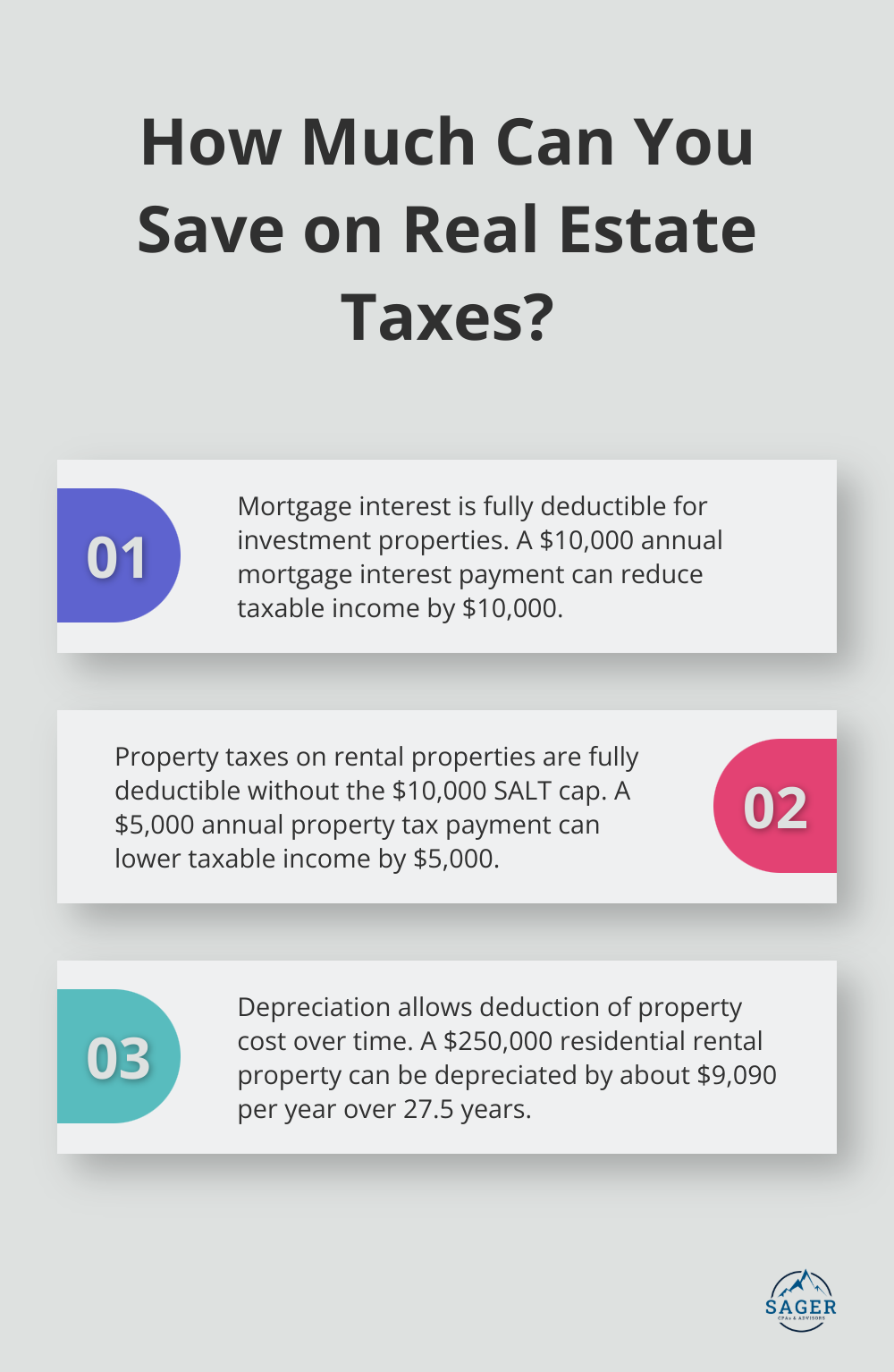
For individuals, property taxes may be deductible on federal income tax returns if you itemize. However, the Tax Cuts and Jobs Act of 2017 introduced a $10,000 limit on the State and Local Tax (SALT) deduction, which includes property taxes. For homeowners in high-tax states, this cap means that a significant portion of their property tax payment may not provide a federal tax benefit.
For real estate investors, however, property taxes are generally considered a fully deductible business expense. This deduction reduces the net taxable income generated by a rental property, making real estate a highly tax-efficient asset class.
Due Diligence in Real Estate Acquisitions
Before purchasing a new property, an investor must conduct thorough due diligence on the tax history. Some jurisdictions “uncap” or reset the assessed value to the purchase price upon sale. If the previous owner had lived in the home for thirty years with a capped assessment, the new owner might see their tax bill double or triple in the first year of ownership. Factoring these “tax jumps” into your pro-forma financial projections is the difference between a profitable investment and a cash-flow drain.
Managing real estate taxes is not merely a matter of writing a check once a year; it is a continuous process of monitoring assessments, understanding local laws, and planning for future liabilities. By staying proactive and utilizing the digital tools and legal exemptions available, property owners can protect their equity and ensure their real estate assets remain a foundation of their long-term financial stability.
aViewFromTheCave is a participant in the Amazon Services LLC Associates Program, an affiliate advertising program designed to provide a means for sites to earn advertising fees by advertising and linking to Amazon.com. Amazon, the Amazon logo, AmazonSupply, and the AmazonSupply logo are trademarks of Amazon.com, Inc. or its affiliates. As an Amazon Associate we earn affiliate commissions from qualifying purchases.