
In the modern financial landscape, the methodology behind how we settle recurring obligations has evolved from a simple chore into a strategic component of personal cash flow management. Paying your phone bill online is no longer just a convenience; it is a foundational practice for anyone looking to optimize their personal finances, enhance their credit profile, and maintain a rigorous oversight of their monthly expenditures. As mobile connectivity becomes an inextricable part of our professional and personal lives, the way we fund this utility requires a sophisticated approach that balances security, speed, and financial incentives.

The Financial Paradigm Shift: Transitioning to Digital Payments
The transition from physical check-writing and in-store payments to digital interfaces represents a significant shift in how consumers interact with their capital. In the realm of personal finance, “friction” is often the enemy of efficiency. When a bill payment requires physical effort, the likelihood of procrastination increases, leading to the risk of late fees, service interruptions, and negative impacts on credit reporting.
Speed and Liquidity Management
Paying your phone bill online allows for real-time liquidity management. Unlike traditional mail-in methods, where a check might float in the banking system for several days before being cleared, online payments offer immediate confirmation. This transparency allows individuals to manage their bank balances with precision. For those operating on a strict monthly budget, knowing exactly when funds will exit the account is vital for preventing overdrafts and ensuring that other financial obligations—such as rent, mortgage, or investment contributions—are met without incident.
Avoiding the Hidden Costs of Manual Payments
Manual payments carry hidden costs that many overlook. Beyond the literal cost of postage and checks, there is the “time-cost” of physical transit to a retail location or post office. In financial terms, time is a non-renewable asset. By automating or streamlining phone bill payments through online portals, a consumer reclaims hours over the course of a fiscal year. Furthermore, most major carriers now offer incentives, such as a $5 to $10 discount per line, specifically for customers who opt into paperless billing and online payments. Over a year, this can result in hundreds of dollars in direct savings, representing a high-yield return for a simple change in behavior.
Strategic Payment Methods: Maximizing Every Dollar
In the niche of personal finance, a bill is not just an expense; it is an opportunity to leverage financial tools for rewards. When you pay your phone bill online, you have a variety of instruments at your disposal, each with distinct advantages for your overall net worth.
The Credit Card Multiplier Effect
One of the most effective strategies for managing recurring digital expenses is the use of rewards-based credit cards. Many financial institutions offer cards specifically designed to provide high cashback percentages or accelerated point accumulation for “utility” or “communication” categories. By routing a $100 monthly phone bill through a card that offers 5% cashback on telecommunications, a consumer effectively reduces their annual expenditure by $60 without changing their consumption habits.
Furthermore, certain premium credit cards offer “Cell Phone Protection” as a built-in benefit. By paying your monthly bill online using these specific cards, you may be eligible for insurance that covers theft or damage to your device. From a risk management perspective, this eliminates the need to pay for expensive carrier-provided insurance, further optimizing your monthly cash flow.
Direct Bank Transfers and Debit Portals
For those who prefer to avoid credit utilization, paying via ACH (Automated Clearing House) or a debit portal provides a different set of benefits. This method ensures that you are only spending capital you currently possess, which is a core tenet of debt-averse financial planning. Many carriers prioritize these direct-from-bank payments, often making them the prerequisite for receiving “auto-pay” discounts. While you forgo the points associated with credit cards, the guaranteed monthly discount often outweighs the marginal value of credit rewards, particularly for those focused on absolute cost reduction.
Leveraging Automation for Long-Term Financial Health
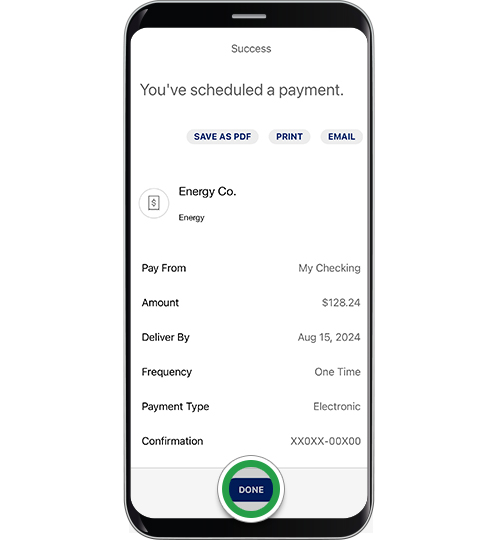
True financial mastery involves moving away from manual intervention and toward a system of automated wealth management. Online bill payment platforms serve as the perfect entry point for this systematic approach.
The Autopay Advantage: Credit Scores and Late Fees
Payment history is the single most significant factor in calculating a FICO credit score, accounting for approximately 35% of the total. A single missed phone bill payment, if it reaches a collections agency or is reported by the carrier, can cause a catastrophic drop in a credit score that may take years to recover.
By setting up online autopay, you create a defensive wall around your credit reputation. This “set it and forget it” mentality ensures that the obligation is met regardless of life’s distractions. From an insightful financial perspective, automation removes the element of human error, effectively guaranteeing that you never pay a late fee again. The compounding effect of avoided fees and a high credit score (which leads to lower interest rates on future loans) is worth thousands of dollars over a lifetime.
Integrating Bill Pay with Budgeting Software
Modern online payment portals are designed to interface with financial aggregators and budgeting tools like Mint, YNAB (You Need A Budget), or Empower. When you pay your phone bill online, the transaction data is categorized and tracked automatically. This provides a granular view of your “Burn Rate”—the amount of money you spend each month to maintain your lifestyle. By analyzing these digital records, you can identify trends, such as creeping costs or unnecessary add-on services, allowing for proactive adjustments to your financial plan.
Security Protocols and Financial Sovereignty
A primary concern for many when moving to online payment systems is the security of their financial data. However, in the current digital economy, online payments are often more secure than traditional methods, provided the user adheres to best practices in digital security.
Safeguarding Your Personal Identification Information (PII)
When paying a phone bill online, you are interacting with high-level encryption protocols (SSL/TLS) that protect your data during transit. To maintain financial sovereignty, it is essential to use multi-factor authentication (MFA) on both your carrier account and your banking apps. From a financial security standpoint, this creates multiple layers of defense against unauthorized access to your funds. Avoiding public Wi-Fi for these transactions and using a dedicated password manager are standard professional practices that ensure your financial ecosystem remains untampered.
Audit Trails and Dispute Resolution
Digital payments leave a “paperless trail” that is far more robust than physical receipts. Every online payment generates a unique transaction ID and an immediate email confirmation. In the event of a billing error—which is common in the telecommunications industry—having an online dashboard with a complete history of payments and invoices is invaluable. This organized record-keeping allows for rapid dispute resolution, ensuring that you can hold corporations accountable and protect your capital from overcharges.
Optimization: Reducing the Monthly Financial Burden
The ultimate goal of managing your phone bill online is not just to pay it, but to optimize the expense. Frequent review of your digital account can lead to significant budgetary breakthroughs.
Analyzing Cost-to-Value Ratios in Mobile Plans
By logging into your online portal, you gain access to detailed usage statistics that are rarely visible on a paper statement. Are you paying for an unlimited data plan but only using 5GB? Are you being charged for a tablet line you no longer use? Online management allows you to conduct a monthly “audit” of your plan. In the world of personal finance, cutting an unnecessary $30 monthly charge is the equivalent of “earning” that money tax-free.

Family Plans and Corporate Discounts
Many online payment systems make it easy to manage “Family Plans,” which significantly reduce the per-line cost of service. Furthermore, many online portals allow you to verify your employment or student status to apply corporate discounts. These professional affiliations can often shave 15-20% off the primary service plan. By actively managing these settings online, you ensure that your service plan is always aligned with the most cost-effective options available in the market.
In conclusion, the act of paying your phone bill online is a vital exercise in modern personal finance. It is an opportunity to leverage technology for the sake of efficiency, security, and capital growth. By viewing this recurring expense through the lens of strategic management—utilizing the right payment instruments, embracing automation, and maintaining rigorous security—you transform a routine utility payment into a tool for long-term financial success. In a digital-first economy, those who master these online financial tools are the ones who ultimately command their financial future.
aViewFromTheCave is a participant in the Amazon Services LLC Associates Program, an affiliate advertising program designed to provide a means for sites to earn advertising fees by advertising and linking to Amazon.com. Amazon, the Amazon logo, AmazonSupply, and the AmazonSupply logo are trademarks of Amazon.com, Inc. or its affiliates. As an Amazon Associate we earn affiliate commissions from qualifying purchases.