
In an increasingly digital world, the way we manage our financial responsibilities has undergone a significant transformation. Among the most critical of these responsibilities is tax payment. Gone are the days when physically mailing checks or standing in long queues were the only options. Online tax payment has emerged as a secure, efficient, and financially astute method for individuals and businesses alike to fulfill their dues to the government. This guide delves into the nuances of online tax payment, offering insights into its benefits, the preparatory steps required, a detailed walkthrough of the process, risk mitigation strategies, and how to integrate it into your broader financial planning.
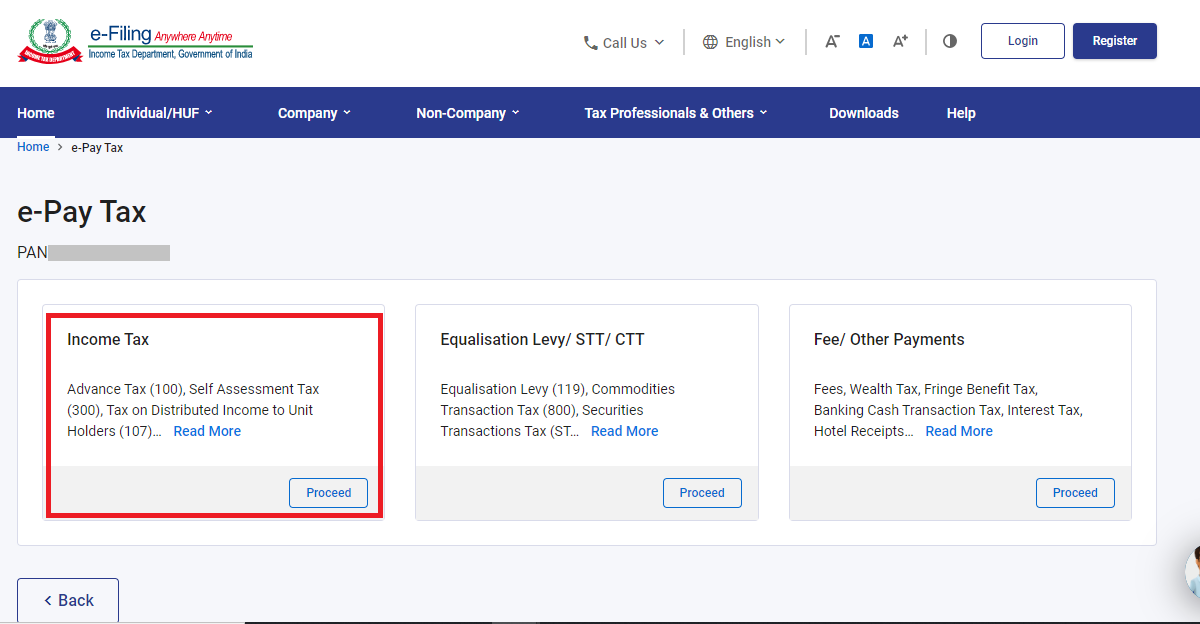
The Financial Imperative: Why Online Tax Payments are the Modern Standard
The shift towards online tax payments isn’t merely a matter of convenience; it represents a fundamental enhancement in financial management. For anyone dealing with financial obligations, understanding the benefits of digital tax transactions is crucial.
Efficiency and Convenience: Valuing Your Time and Resources
One of the most immediate financial advantages of online tax payments is the sheer efficiency they offer. Time, in the world of finance, is money. Online platforms allow you to complete your tax payments from anywhere, at any time, eliminating travel costs, postage fees, and the opportunity cost of time spent on traditional methods. This flexibility is invaluable for busy professionals, entrepreneurs, and anyone seeking to optimize their personal financial schedule. Furthermore, the speed of online transactions ensures that payments are registered almost instantaneously, reducing the anxiety of delayed processing and potential late payment notices. For businesses, this translates into more productive hours for employees and streamlined financial operations.
Enhanced Security: Protecting Your Financial Information
While some may harbor concerns about the security of online transactions, government tax portals and approved payment processors employ robust encryption and security protocols that often surpass the safety of traditional methods. Physical mail can be intercepted, and checks can be lost or stolen, potentially exposing sensitive financial information. Online systems, however, are designed with multi-layered security measures, including secure socket layer (SSL) technology, two-factor authentication (2FA), and regular security audits. From a financial perspective, protecting your data from fraud and identity theft is paramount, and secure online platforms offer a higher degree of protection for your bank account numbers, credit card details, and personal financial data.
Accuracy and Audit Trails: Minimizing Financial Discrepancies
Accuracy is a cornerstone of sound financial management, especially when dealing with taxes. Online payment systems often integrate with tax preparation software or offer guided interfaces that minimize calculation errors, a common source of financial penalties. Beyond accuracy, every online transaction generates a digital record – an immutable audit trail. This electronic proof of payment, complete with transaction IDs, dates, and amounts, is invaluable for financial record-keeping. In the event of a dispute, an audit, or simply for future financial planning, having immediate access to these precise records can save significant time, effort, and potential financial headaches. It provides undeniable proof that your financial obligations have been met, offering peace of mind.
Preparing Your Financial Toolkit for Digital Tax Submission
Before embarking on the online tax payment journey, a degree of preparation is essential to ensure a smooth and successful transaction. This involves gathering the right information, understanding payment methods, and setting up necessary accounts.
Gathering Essential Financial Documents and Information
The first step in preparing for any tax payment, online or otherwise, is to compile all relevant financial documents. This includes your Social Security Number (SSN) or Employer Identification Number (EIN), previous year’s tax returns, income statements (W-2s, 1099s), expense records, and any other forms related to deductions or credits. For online payment, you’ll specifically need your bank account details (account number and routing number) if you plan to use direct debit (ACH), or your credit/debit card information. Having these readily accessible not only speeds up the process but also reduces the chance of errors that could lead to financial penalties or delays.
Understanding Payment Methods: Direct Debit, Credit/Debit Cards, and Digital Wallets
Online tax payment systems typically offer several methods, each with its own financial implications:
- Direct Debit (ACH Transfer): This is often the preferred method as it usually incurs no additional fees. Payments are directly withdrawn from your checking or savings account. It’s financially efficient as it avoids transaction costs.
- Credit/Debit Cards: Many government portals accept major credit and debit cards. While convenient, credit card payments often come with a processing fee, typically a small percentage of the transaction amount, which can add up for large tax bills. Debit card payments might have a flat fee, which is usually lower. From a financial planning perspective, weigh the convenience against these additional costs. Some taxpayers might use credit cards to earn rewards points, but this should be carefully balanced against the processing fees and the risk of accruing interest if the balance isn’t paid off quickly.
- Digital Wallets/Third-Party Processors: Some jurisdictions are beginning to accept payments through platforms like PayPal, Google Pay, or other authorized third-party payment processors. These can offer an additional layer of convenience and security but may also involve their own set of fees. Always confirm the accepted methods and associated costs on the official tax website.
Registering for Government Online Tax Portals
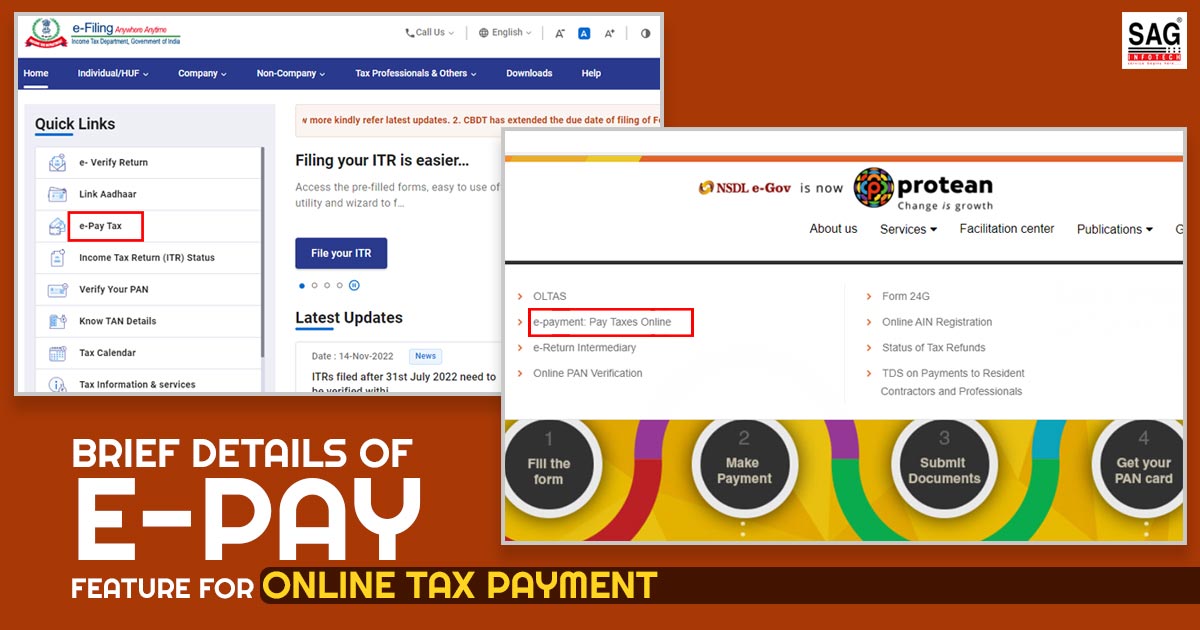
To make online payments, you will typically need to register for an account on the relevant government tax agency’s official website (e.g., IRS.gov for federal taxes in the U.S., or your state’s revenue department website). This registration process usually involves creating a username and password, and often setting up multi-factor authentication for enhanced security. This personalized portal not only facilitates payments but also often provides access to your tax history, payment status, and other valuable financial resources. Taking the time to set this up correctly ensures a secure and personalized financial transaction environment.
Step-by-Step: Navigating the Online Tax Payment Process
The actual process of paying taxes online is designed to be user-friendly, but understanding the general steps and specific considerations for different tax types can help avoid financial missteps.
Individual Income Tax Payments
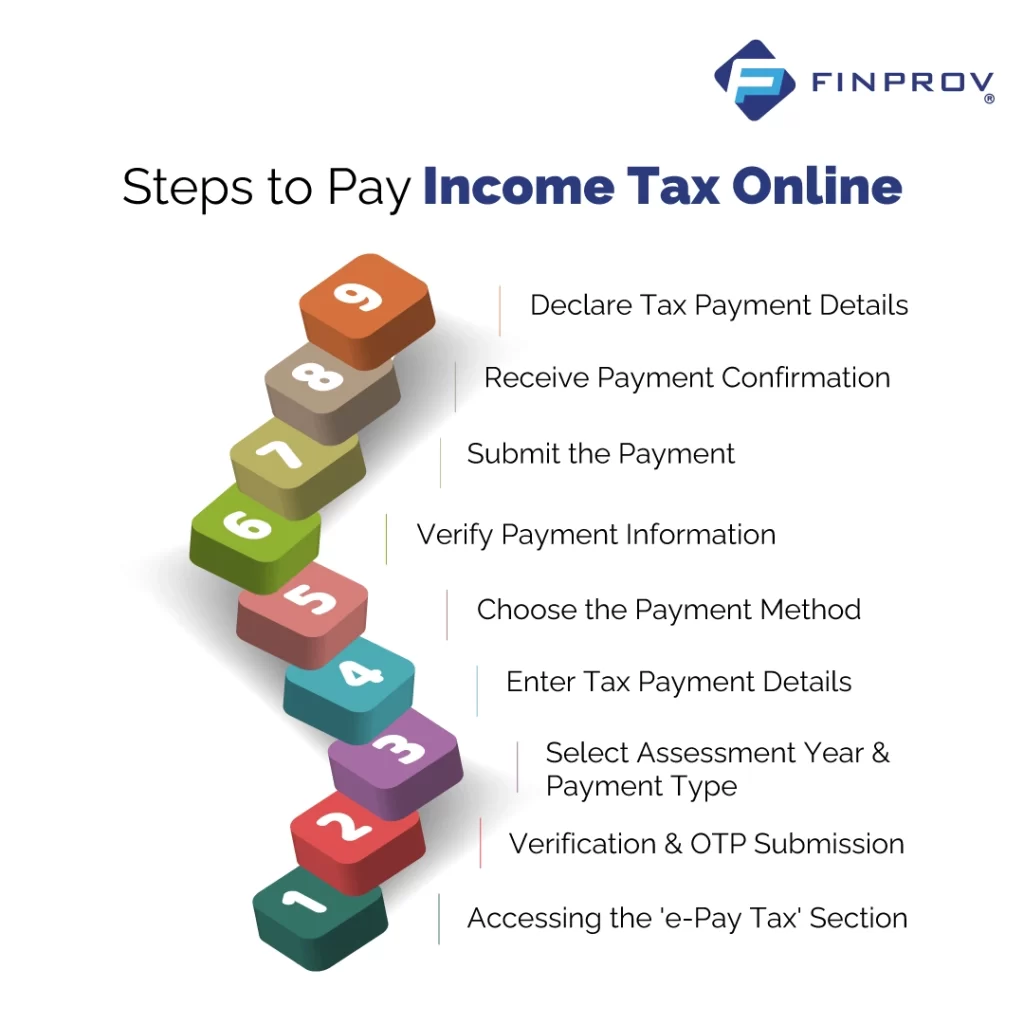
For individual income tax, the process typically involves:
- Logging In: Access your account on the official tax authority’s website.
- Selecting Payment Option: Navigate to the “make a payment” or “pay taxes” section.
- Specifying Tax Type and Tax Year: Clearly indicate that you are paying individual income tax for the correct tax year.
- Entering Payment Amount: Input the exact amount you owe. Double-check this figure against your tax return to prevent overpayment or underpayment, both of which can have financial implications.
- Choosing Payment Method: Select your preferred method (direct debit, credit card, etc.) and provide the necessary details.
- Review and Confirm: Carefully review all details before confirming the payment. This is your last chance to catch any errors.
- Receiving Confirmation: A confirmation number or email will be provided. Save this immediately for your financial records.
Business and Corporate Tax Obligations
Business tax payments often involve more complex calculations and might require specific forms or identification numbers (like EINs). The steps are similar to individual payments but with additional considerations:
- Specific Tax Forms: Ensure you are paying for the correct business tax (e.g., estimated taxes, employment taxes, corporate income tax) and referencing the correct form series.
- Authorized Users: For businesses, ensure the person making the payment has the proper authorization and access rights to the business’s financial accounts.
- Financial Software Integration: Many businesses integrate their accounting software directly with tax payment portals or use payroll services that automate tax payments, streamlining financial workflow and reducing manual errors.
Property and Other Local Tax Payments
Local taxes, such as property taxes, vehicle registration fees, or utility taxes, are typically paid through municipal or county government websites.
- Locating the Correct Portal: Search for your specific city or county tax collector’s website.
- Property ID/Account Number: You will usually need a property identification number or a specific account number tied to the asset being taxed.
- Payment Schedules: Local taxes often have different payment schedules (e.g., quarterly, semi-annually), so be mindful of these deadlines to avoid penalties.
Confirming Payment and Record-Keeping
Regardless of the type of tax, the final step is always to confirm the payment and meticulously record the transaction. Print or save the confirmation page, including the transaction ID. Check your bank or credit card statement within a few business days to ensure the payment has been successfully processed. This diligence ensures you have a complete financial audit trail, protecting you in case of any future queries.
Mitigating Risks and Ensuring Financial Compliance
While online tax payments offer numerous benefits, it’s crucial to be aware of potential risks and best practices for compliance to protect your financial standing.
Verifying Official Portals and Avoiding Scams
The digital landscape is unfortunately rife with financial scams. Always ensure you are on the official government website before entering any personal or financial information. Phishing emails or fraudulent websites can mimic legitimate government sites to steal your data. Look for secure website indicators (e.g., “https://” in the URL, a padlock icon) and never click on suspicious links from unsolicited emails or texts claiming to be from a tax agency. Financial prudence dictates extreme caution when dealing with sensitive information online.
Understanding Payment Deadlines and Penalties
Missing a tax payment deadline can lead to significant financial penalties, including interest charges and late payment fees. Online systems are efficient, but it’s your responsibility to initiate the payment before the deadline. Be aware that some online payments (especially ACH transfers) might take a few business days to process, so don’t wait until the last minute. Familiarize yourself with the specific deadlines for various tax types and jurisdictions to ensure timely compliance and avoid unnecessary financial burdens.
Troubleshooting Common Payment Issues
Despite careful preparation, issues can sometimes arise.
- Payment Rejection: This could be due to incorrect bank details, insufficient funds, or exceeding credit card limits. Immediately contact your bank or card provider and reattempt the payment.
- Website Glitches: If the official website is experiencing technical difficulties, try again later or contact the tax agency’s helpline. Document any attempts to pay and technical issues you encounter.
- Confirmation Not Received: If you don’t receive a confirmation, check your spam folder. If it’s still missing, log back into your account to check payment status or contact support.
Proactive troubleshooting and swift action are key to resolving these issues without incurring financial penalties.
The Importance of Digital Record-Keeping for Audits
Maintaining comprehensive digital records is a non-negotiable aspect of sound financial management, especially concerning taxes. Keep digital copies of all tax returns, payment confirmations, and supporting documents in a secure, organized manner (e.g., cloud storage, external hard drive). This meticulous record-keeping is invaluable during an audit, demonstrating compliance and providing immediate access to required financial information. It simplifies financial reviews and helps in future tax planning.
Strategic Financial Planning Through Online Tax Management
Online tax payments are more than just a transaction; they are an integral component of a sophisticated financial strategy, offering opportunities for better planning and future optimization.
Integrating Tax Payments into Your Overall Financial Strategy
By automating or semi-automating your tax payments, you can integrate them seamlessly into your broader financial plan. For businesses, this might mean scheduling estimated tax payments quarterly to align with cash flow. For individuals, it could involve setting aside funds monthly into a dedicated savings account to cover annual tax liabilities, preventing a large, unexpected drain on finances. Viewing tax payments as a predictable financial outflow rather than a sporadic burden allows for more accurate budgeting and forecasting, enhancing overall financial health.
Leveraging Technology for Future Tax Planning
The data generated through online tax payments and filings can be a powerful tool for future financial planning. Analysis of past tax liabilities can inform decisions about investment strategies, charitable contributions, and business expenditures that can impact future tax burdens. Many financial software tools and professional services integrate tax data to provide personalized insights, helping individuals and businesses identify opportunities for tax optimization and strategic financial growth.
The Future of Tax Payments: Automation and AI in Finance
The trajectory of online tax payments points towards even greater automation and the incorporation of artificial intelligence. Imagine systems that not only facilitate payment but also proactively analyze your financial activities throughout the year, suggest tax-saving strategies, and even automatically calculate and remit estimated taxes. While full automation is still evolving, the groundwork laid by current online payment systems paves the way for a future where managing tax obligations is an even more integrated, intelligent, and less burdensome aspect of financial life. Embracing these digital tools now prepares you for the advanced financial management systems of tomorrow.
In conclusion, mastering online tax payments is no longer an optional skill but a fundamental requirement for effective financial management. By understanding its advantages, preparing diligently, navigating the process carefully, and remaining vigilant about security and compliance, individuals and businesses can transform a necessary obligation into a streamlined, secure, and strategically beneficial component of their financial journey.
aViewFromTheCave is a participant in the Amazon Services LLC Associates Program, an affiliate advertising program designed to provide a means for sites to earn advertising fees by advertising and linking to Amazon.com. Amazon, the Amazon logo, AmazonSupply, and the AmazonSupply logo are trademarks of Amazon.com, Inc. or its affiliates. As an Amazon Associate we earn affiliate commissions from qualifying purchases.