
Navigating the complexities of the tax system can feel like a daunting task, but with strategic planning and an understanding of the available mechanisms, individuals and businesses alike can significantly reduce their tax burden. Paying less in taxes isn’t about evading obligations; it’s about optimizing your financial decisions within the legal framework to keep more of your hard-earned money. This involves a proactive approach, rather than simply reacting when tax season arrives.
Foundational Tax Planning Strategies
Effective tax reduction begins with a solid understanding of fundamental principles and diligent record-keeping. These foundational strategies serve as the bedrock for more advanced tax planning.
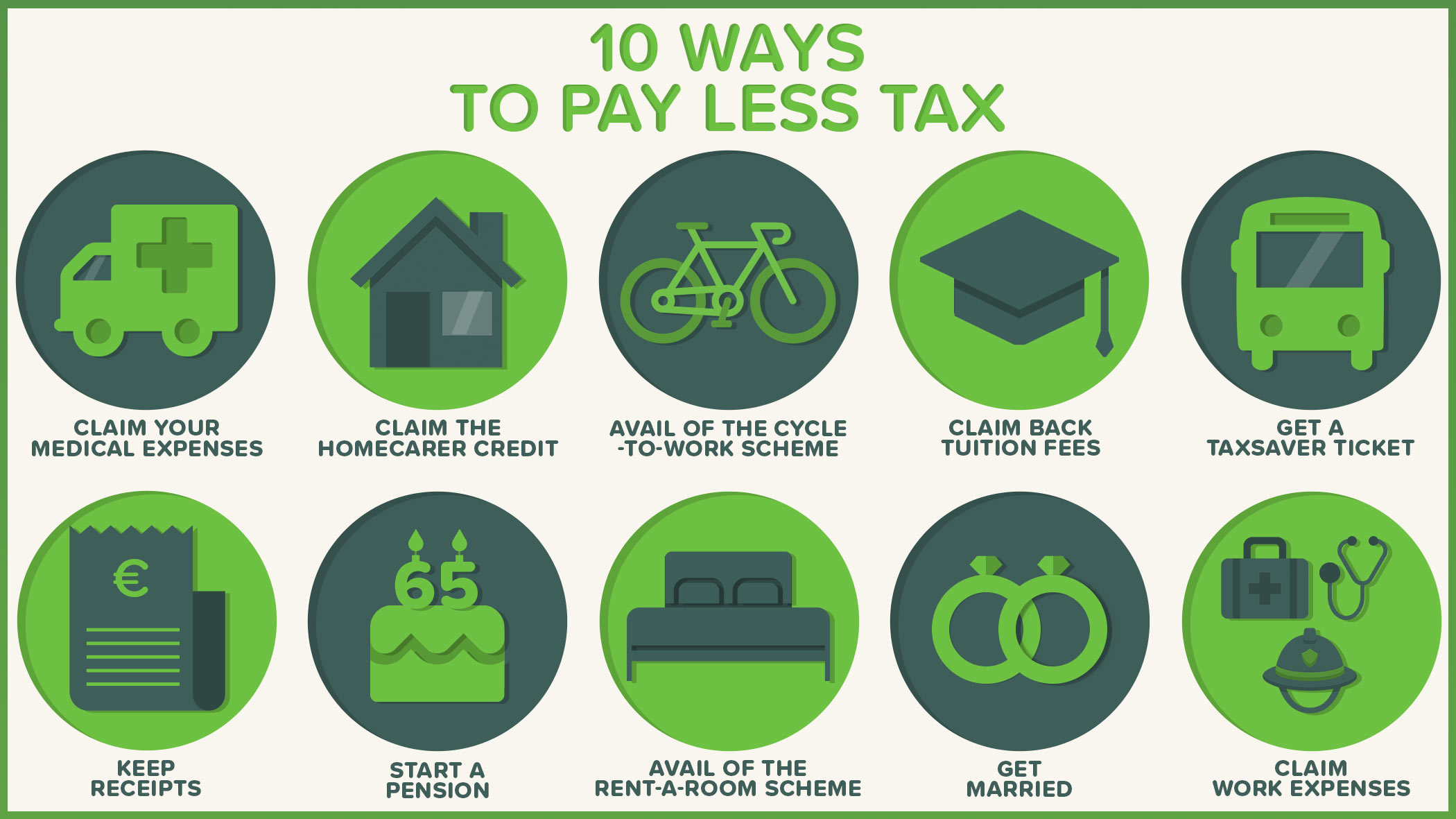
Understanding Your Tax Obligations
Before you can reduce your taxes, you need to understand what you’re obligated to pay. This means knowing your income sources, understanding the difference between various types of income (e.g., earned, investment, passive), and familiarizing yourself with your tax bracket. The progressive nature of most tax systems means different portions of your income are taxed at different rates. A clear picture of your current tax situation is the first step towards identifying areas for potential savings. Regularly reviewing your pay stubs, income statements, and previous tax returns can offer valuable insights.
Maximizing Standard Deductions vs. Itemizing
One of the most impactful decisions for many taxpayers is whether to take the standard deduction or itemize. The standard deduction is a fixed dollar amount that reduces your taxable income, and its value depends on your filing status. Itemizing, on the other hand, allows you to deduct specific eligible expenses, such as state and local taxes (SALT) up to a certain limit, mortgage interest, charitable contributions, and certain medical expenses that exceed a percentage of your adjusted gross income (AGI).
For many, especially since tax law changes increased the standard deduction, taking the standard deduction is simpler and often results in a lower taxable income. However, if your eligible itemized deductions collectively exceed the standard deduction for your filing status, itemizing will yield greater savings. It’s crucial to track all potential itemized deductions throughout the year to make an informed decision come tax time.
Leveraging Tax Credits
Tax credits are often more valuable than deductions because they directly reduce the amount of tax you owe, dollar for dollar, rather than just reducing your taxable income. Some credits are even refundable, meaning you could receive a refund even if your tax liability is zero. Common tax credits include the Child Tax Credit, Earned Income Tax Credit (EITC), American Opportunity Tax Credit (AOTC) and Lifetime Learning Credit for education expenses, and various credits for energy-efficient home improvements.
Eligibility for tax credits often depends on income levels and specific circumstances. It’s vital to investigate all credits for which you might qualify, as they can significantly reduce or even eliminate your tax bill.
Strategic Income Management
Timing your income and deductions can play a crucial role in lowering your tax liability, especially for those with variable income or nearing retirement. If you anticipate being in a lower tax bracket in the following year, you might consider deferring income (e.g., delaying a bonus, deferring sales of assets) or accelerating deductions (e.g., making charitable contributions or paying property taxes early) into the current year. Conversely, if you expect a higher income next year, accelerating income or deferring deductions might be beneficial. This strategy requires forecasting and careful planning.
Optimizing Through Retirement Accounts
Retirement accounts are not just tools for future financial security; they are powerful tax-advantaged vehicles that can significantly reduce your current and future tax burden.
Traditional vs. Roth IRAs
Individual Retirement Arrangements (IRAs) offer distinct tax benefits. Contributions to a Traditional IRA are often tax-deductible in the year they are made, reducing your current taxable income. The money then grows tax-deferred until retirement, when withdrawals are taxed as ordinary income. This is particularly beneficial if you expect to be in a lower tax bracket in retirement than you are now.
Roth IRAs, conversely, are funded with after-tax dollars, meaning contributions are not tax-deductible. However, qualified withdrawals in retirement are entirely tax-free. This option is attractive if you expect to be in a higher tax bracket in retirement or wish to have a source of tax-free income in your later years. The choice between Traditional and Roth often depends on your current and projected future income levels and tax bracket.
Employer-Sponsored Plans (401k, 403b)
Employer-sponsored plans like 401(k)s and 403(b)s are among the most effective ways to reduce taxable income. Contributions are typically made pre-tax, reducing your current taxable income by the amount contributed. The money grows tax-deferred, and many employers offer matching contributions, which is essentially free money. Maximizing these contributions, especially up to the employer match, is a dual win: you save for retirement and lower your current taxes. These plans also often have high contribution limits, allowing for substantial tax deferral.
Health Savings Accounts (HSAs)
HSAs are triple tax-advantaged accounts available to individuals with high-deductible health plans (HDHPs). Contributions are tax-deductible, the money grows tax-free, and qualified withdrawals for medical expenses are also tax-free. Unlike Flexible Spending Accounts (FSAs), HSA funds roll over year after year and are portable, meaning they stay with you even if you change employers. For those who qualify, an HSA is an excellent way to save for healthcare costs while enjoying significant tax benefits, effectively serving as an additional retirement savings vehicle once you reach age 65, as withdrawals for non-medical expenses are then taxed as ordinary income, similar to a traditional IRA.
Smart Investing for Tax Efficiency

How you invest your money can have a profound impact on your overall tax liability. Tax-efficient investing strategies aim to minimize the taxes paid on investment gains.
Tax-Loss Harvesting
Tax-loss harvesting involves selling investments at a loss to offset capital gains and, potentially, a limited amount of ordinary income. If you have realized capital gains from selling profitable investments, you can sell other investments that have declined in value to offset those gains, thereby reducing your capital gains tax bill. If your capital losses exceed your capital gains, you can use up to $3,000 of the remaining loss to offset ordinary income each year, carrying forward any additional losses to future years. This strategy requires careful timing and understanding of wash-sale rules.
Long-Term Capital Gains
The tax rates for long-term capital gains (on assets held for more than one year) are generally lower than ordinary income tax rates. For many taxpayers in lower and middle-income brackets, the long-term capital gains rate can even be 0%. By holding investments for more than a year before selling, you can significantly reduce the tax owed on your investment profits. This encourages a buy-and-hold strategy, which also often aligns with sound investment principles.
Municipal Bonds and Other Tax-Advantaged Investments
Certain investments are specifically designed to offer tax advantages. Municipal bonds, issued by state and local governments, are a prime example. The interest earned on municipal bonds is typically exempt from federal income tax and may also be exempt from state and local taxes if you live in the issuing state. This tax-exempt interest can be particularly appealing to investors in higher tax brackets. Other tax-advantaged investments might include certain real estate investments that offer depreciation deductions, or specific types of annuities.
Business Owners and Self-Employed Tax Savings
For entrepreneurs and the self-employed, the opportunities for tax reduction are often more numerous and complex, requiring careful attention to business structure and deductible expenses.
Deductible Business Expenses
Virtually every legitimate expense incurred in the course of operating a business is deductible. This includes office supplies, equipment, software, marketing costs, professional development, business travel, and a portion of home office expenses. Diligent record-keeping is paramount here, as accurate documentation is necessary to substantiate deductions. Many self-employed individuals often miss legitimate deductions, such as health insurance premiums (if not covered by an employer plan), or contributions to self-employed retirement plans like a SEP IRA or Solo 401(k).
Entity Selection and Structure
The legal structure of your business (e.g., sole proprietorship, partnership, S corporation, C corporation, LLC) has significant tax implications. For example, electing S corporation status can allow business owners to pay themselves a reasonable salary and take the remaining profits as distributions, which are typically not subject to self-employment taxes (Social Security and Medicare). A C corporation, while subject to double taxation (corporate and shareholder level), can offer specific deductions and benefits for larger, growing businesses. Choosing the right entity can significantly impact your overall tax burden.
Qualified Business Income (QBI) Deduction
The Qualified Business Income (QBI) deduction allows eligible self-employed individuals and small business owners to deduct up to 20% of their qualified business income. This deduction is available to owners of pass-through entities, such as sole proprietorships, partnerships, S corporations, and LLCs. There are income limitations and other restrictions, particularly for certain service businesses, so understanding the nuances of this deduction is crucial for maximizing savings.
Advanced Strategies and Professional Guidance
While many strategies can be implemented independently, some more complex tax-saving avenues benefit significantly from professional advice.
Gifting and Estate Planning Considerations
Strategic gifting can reduce your taxable estate and help pass wealth to heirs more efficiently. The annual gift tax exclusion allows individuals to gift a certain amount to any number of recipients each year without incurring gift tax or using up their lifetime exemption. For larger estates, more comprehensive estate planning, including trusts and other mechanisms, can minimize estate taxes and ensure your assets are distributed according to your wishes.
Education Savings Plans (529s)
529 plans are tax-advantaged savings plans designed to encourage saving for future education costs. While contributions are generally not federally tax-deductible, the earnings grow tax-free, and withdrawals are also tax-free when used for qualified education expenses. Many states also offer a state income tax deduction or credit for contributions to their 529 plan, providing an upfront tax benefit.

The Value of a Tax Professional
The tax landscape is constantly evolving, with new laws, regulations, and interpretations emerging regularly. Engaging a qualified tax professional—such as a Certified Public Accountant (CPA) or an Enrolled Agent (EA)—can be an invaluable investment. They can help identify deductions and credits you might miss, provide guidance on complex financial transactions, ensure compliance, and develop a long-term tax strategy tailored to your specific financial situation. Their expertise can not only save you money but also provide peace of mind.
By proactively incorporating these strategies into your financial planning, you can move beyond simply filing taxes to actively managing your tax liability, ultimately enhancing your overall financial well-being.
aViewFromTheCave is a participant in the Amazon Services LLC Associates Program, an affiliate advertising program designed to provide a means for sites to earn advertising fees by advertising and linking to Amazon.com. Amazon, the Amazon logo, AmazonSupply, and the AmazonSupply logo are trademarks of Amazon.com, Inc. or its affiliates. As an Amazon Associate we earn affiliate commissions from qualifying purchases.