
In the modern era of personal finance, the ability to manage obligations efficiently and securely is a hallmark of financial literacy. Gone are the days of mailing paper checks and waiting weeks for confirmation. The Internal Revenue Service (IRS) has modernized its infrastructure, allowing taxpayers to fulfill their obligations through a variety of digital channels. Understanding how to navigate these online payment systems is not just a matter of convenience; it is a critical component of strategic cash flow management and long-term fiscal health.
Whether you are a freelancer managing quarterly estimated taxes, a small business owner handling payroll liabilities, or an individual settling an annual tax bill, the digital shift offers unparalleled transparency. By leveraging these tools, you can ensure timely compliance, avoid unnecessary penalties, and maintain a clear audit trail of your financial interactions with the federal government.
Navigating the Digital Financial Landscape of the IRS
The transition toward digital tax management reflects a broader trend in global finance: the move toward instantaneous, verifiable, and secure transactions. For the taxpayer, this shift reduces the friction associated with compliance and provides a more accurate real-time view of one’s financial standing.
The Shift Toward Financial Digitization
The IRS has invested heavily in its digital infrastructure to accommodate the increasing demand for online services. For individuals and businesses, this means that the “check is in the mail” era is being replaced by immediate electronic confirmations. This digitization serves two primary purposes: it reduces administrative overhead for the government and provides taxpayers with immediate proof of payment. In the context of personal finance, having an instant receipt is vital for maintaining accurate ledgers and ensuring that funds are accounted for exactly when they leave your bank account.
Benefits of Online Tax Management
The primary benefit of paying the IRS online is the mitigation of human error. Paper checks can be lost in the mail, misread by scanners, or delayed by postal issues, leading to late fees and interest charges. Online payments, conversely, are typically processed within 24 to 48 hours. Furthermore, the flexibility to schedule payments in advance allows for better budgeting. For those managing complex portfolios or multiple income streams, the ability to automate or precisely time tax outflows is a significant advantage in maintaining liquidity.
Core Online Payment Methods for Personal and Business Finance
Choosing the right payment method depends on your specific financial situation, your need for speed, and your willingness to absorb transaction fees. The IRS offers several distinct pathways, each tailored to different types of taxpayers and financial goals.
IRS Direct Pay: The No-Fee Solution
For individual taxpayers, IRS Direct Pay is often the most efficient tool. This service allows you to pay your 1040 series taxes directly from a checking or savings account without any additional fees. It is particularly useful for those making estimated tax payments or paying a balance due on a filed return. From a financial planning perspective, Direct Pay is the “cleanest” method because it involves a direct transfer of cash, avoiding the high-interest debt potential associated with credit cards. Users can schedule payments up to 30 days in advance, providing a window for strategic cash management.
Debit and Credit Card Transactions: Balancing Convenience and Cost
The IRS does not collect fees for credit or debit card payments, but the third-party processors they use do. These fees typically range from a flat rate for debit cards to a percentage (usually between 1.8% and 2%) for credit cards. While paying by credit card might seem counterintuitive for someone focused on personal finance, there are specific scenarios where it makes sense. For instance, if a taxpayer is seeking to meet a minimum spend requirement for a high-value sign-up bonus on a rewards card, the value of the points earned might outweigh the processing fee. However, this strategy requires disciplined liquidity to pay off the credit card balance immediately to avoid accruing interest that would negate any financial gain.
EFTPS: The Standard for Business and Large Transfers
The Electronic Federal Tax Payment System (EFTPS) is a free service provided by the U.S. Department of the Treasury. While individuals can use it, it is the gold standard for businesses and high-net-worth individuals who require more robust reporting and larger transaction limits. EFTPS allows for the payment of all federal taxes, including corporate income, payroll, and excise taxes. It requires an initial enrollment process, including the mailing of a PIN, which adds a layer of security. For business finance, EFTPS is essential because it allows for the scheduling of payments up to 365 days in advance, ensuring that tax obligations are never overlooked during busy fiscal quarters.
Integrating Tax Payments into Your Personal Finance Strategy
Paying the IRS is not merely a legal obligation; it is a recurring financial event that should be integrated into your broader wealth management strategy. Proactive management of these payments can prevent “tax season shock” and keep your investment goals on track.
Managing Cash Flow through Estimated Payments
For those with “side hustles,” freelance income, or significant investment dividends, the IRS requires quarterly estimated tax payments. This is a critical area where online payment tools become indispensable. Instead of facing a massive lump-sum bill in April—which can disrupt investment contributions or emergency funds—taxpayers can use Direct Pay to distribute their tax liability throughout the year. This “pay-as-you-go” approach mimics the withholding process of a traditional W-2 job, ensuring that you aren’t “borrowing” from the government at the risk of underpayment penalties.
Avoiding Penalties with Timely Digital Filings
The IRS is rigorous about deadlines. The Failure to Pay penalty is 0.5% of the unpaid taxes for each month or part of a month the tax remains unpaid, up to 25%. By using online payment portals, you receive an immediate time-stamped confirmation. This digital receipt is your primary defense in the event of a dispute. In a well-managed financial plan, avoiding these “leaks”—unnecessary fees and interest—is just as important as maximizing returns. The precision of online payments ensures that capital remains in your accounts for as long as possible without crossing the threshold into penalty territory.
Security and Documentation in the Digital Age
When dealing with large financial transfers and sensitive personal data, security is paramount. The intersection of technology and money requires a heightened state of vigilance to protect your assets.
Protecting Financial Data During Transactions
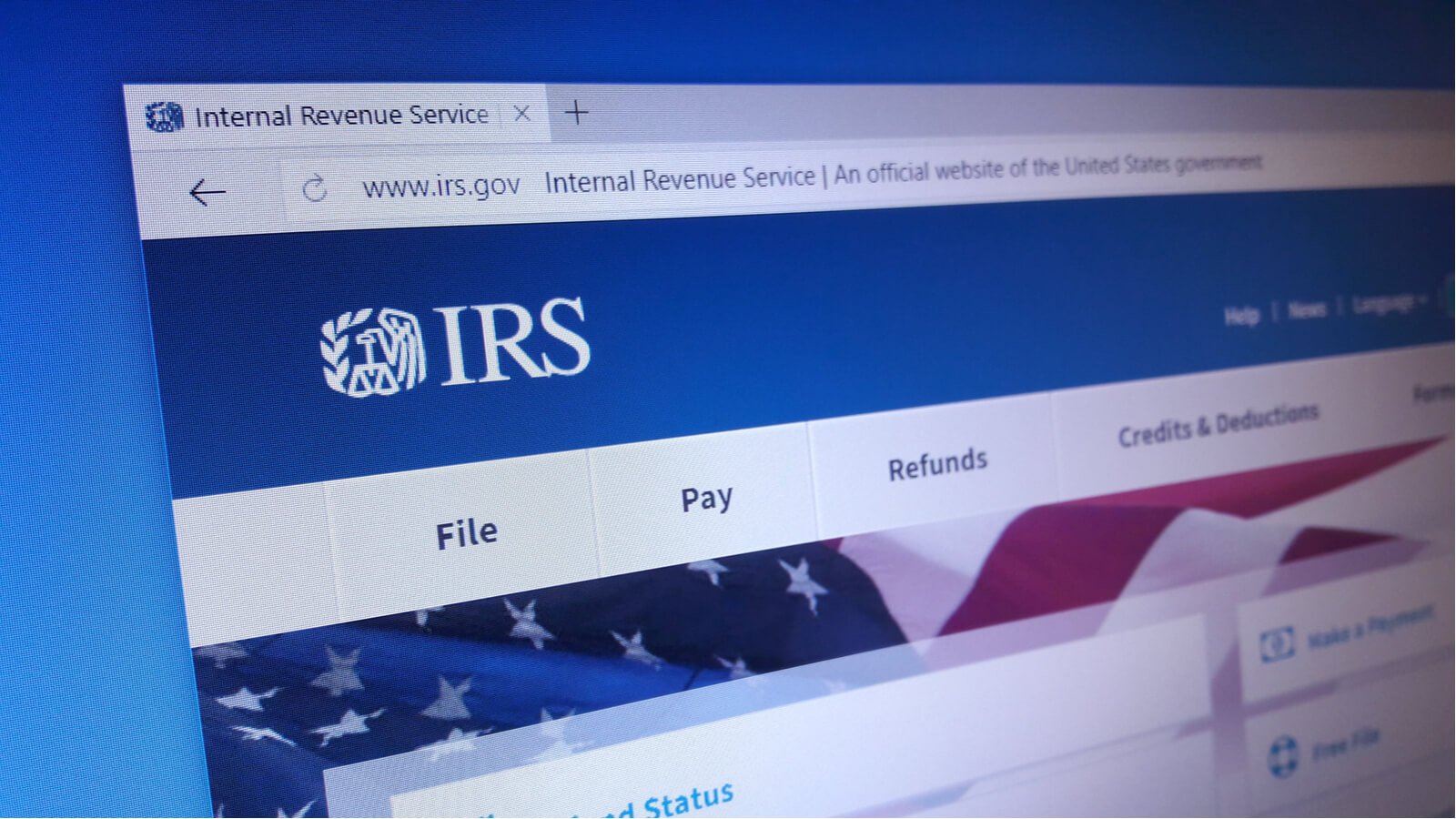
The IRS utilizes high-level encryption and multi-factor authentication (MFA) to protect taxpayer data. When paying online, it is crucial to ensure you are on the official “.gov” domain. Scams involving “look-alike” websites are common in the financial world. From a personal security standpoint, utilizing an IRS Online Account through the ID.me verification system provides an added layer of protection. This allows you to monitor your payment history and ensure that no unauthorized changes are being made to your tax record, serving as an early warning system for identity theft.
Digital Record Keeping for Audit Readiness
A robust financial plan is only as good as its documentation. One of the greatest advantages of online IRS payments is the ease of record-keeping. Most online systems allow you to download PDF receipts or view a digital ledger of past transactions. For those who utilize accounting software or work with a financial advisor, these digital records can be easily exported and categorized. This level of organization is invaluable during an audit or when applying for significant financing, such as a mortgage, where proof of tax compliance is frequently required.
Strategic Financial Planning and the Future of IRS Payments
As we look toward the future, the integration of tax compliance into daily financial management will only become more seamless. The goal for any financially savvy individual is to move from a reactive stance to a proactive one.
Leveraging IRS Online Accounts for Financial Clarity
The IRS Online Account portal has evolved into a comprehensive financial dashboard. Beyond just making payments, you can view your tax procripts, check the status of refunds, and view any digital notices sent by the agency. For a comprehensive view of your net worth and liabilities, this portal is an essential tool. It allows you to see exactly what you owe in real-time, enabling more accurate calculations for your debt-to-income ratio and overall liquidity.
Long-term Fiscal Health and Compliance
Ultimately, the ability to pay the IRS online is a tool for maintaining your financial reputation. In the eyes of lenders and the government, a history of timely, digital, and verifiable tax payments is a sign of financial stability. By embracing these digital tools, you reduce the mental load of tax season, eliminate the risk of physical mail errors, and maintain tighter control over your capital. Whether you are building a business or growing a personal nest egg, mastering the digital avenues of the IRS is a fundamental step in sophisticated financial management. By treating tax payments as a scheduled, digital business process rather than a stressful annual hurdle, you secure your path toward long-term fiscal success.
aViewFromTheCave is a participant in the Amazon Services LLC Associates Program, an affiliate advertising program designed to provide a means for sites to earn advertising fees by advertising and linking to Amazon.com. Amazon, the Amazon logo, AmazonSupply, and the AmazonSupply logo are trademarks of Amazon.com, Inc. or its affiliates. As an Amazon Associate we earn affiliate commissions from qualifying purchases.