
The landscape of personal and business finance is constantly evolving, with digital transformation touching nearly every aspect of our monetary lives. One area that has seen significant change, much to the benefit of taxpayers, is the process of paying income tax. Gone are the days when a physical check and a trip to the post office were the only reliable methods. Today, paying income tax online has become the standard, offering unparalleled convenience, security, and efficiency. This shift isn’t just about modernizing an administrative task; it’s about empowering individuals and businesses with greater control over their financial obligations, streamlining compliance, and reducing the potential for costly errors.
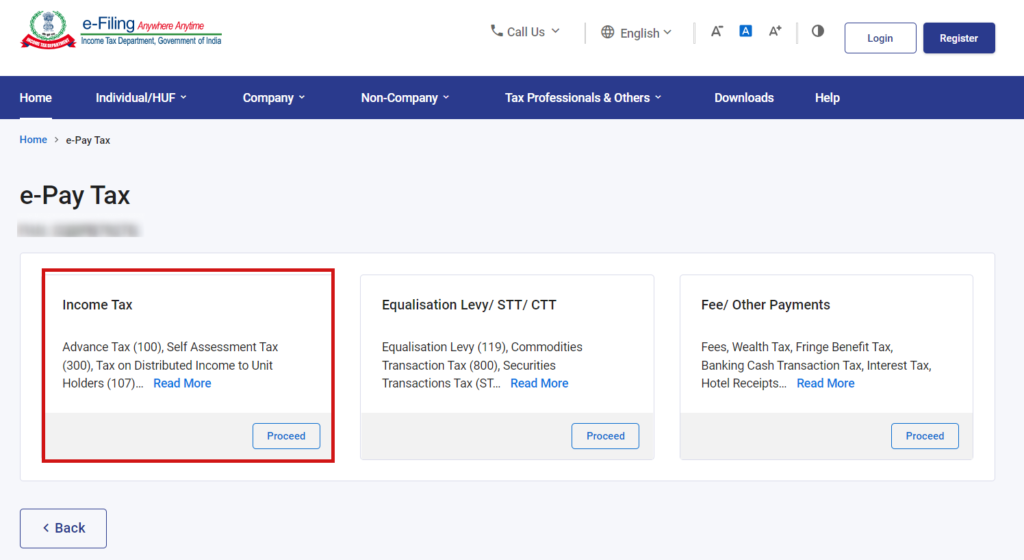
For many, the annual tax season can feel daunting, a complex maze of forms, calculations, and deadlines. However, understanding the digital avenues available for tax payment can transform this experience from a source of stress into a manageable financial task. This comprehensive guide will navigate you through the world of online income tax payments, shedding light on the “why” and the “how,” ensuring you’re equipped to meet your financial responsibilities with confidence and ease. We’ll delve into the benefits, outline essential preparatory steps, explore the various online payment channels, share crucial best practices, and offer guidance for troubleshooting common issues. By embracing the digital frontier of tax payments, you’re not just paying a bill; you’re adopting a smarter, more secure approach to your financial well-being.
The Digital Transformation of Tax Payments: Why Go Online?
The migration from paper-based transactions to digital platforms is a global trend, and tax payments are no exception. For decades, the process was cumbersome, often involving manual calculations, physical forms, and mail services. The advent of online payment systems has revolutionized this, offering a suite of advantages that benefit both the taxpayer and the tax authorities. Understanding these benefits is the first step toward appreciating the value of digital tax compliance.
Enhanced Convenience and Accessibility
Perhaps the most immediate and tangible benefit of paying income tax online is the unparalleled convenience it offers. Taxpayers can fulfill their obligations from anywhere, at any time, as long as they have an internet connection. This eliminates the need for physical visits to banks or post offices, saving valuable time and reducing logistical hurdles. Whether you’re filing an extension, making quarterly estimated payments, or settling your annual tax bill, the ability to do so at your convenience, 24/7, vastly simplifies financial planning and execution. This accessibility is particularly beneficial for those with busy schedules, limited mobility, or living in remote areas, democratizing the tax payment process.
Improved Accuracy and Error Reduction
Manual processes are inherently prone to human error, from miswriting account numbers to incorrect payment amounts. Online tax payment systems are designed with built-in checks and balances that significantly reduce the likelihood of such mistakes. Digital forms often validate entries in real-time, flagging potential issues before submission. This enhanced accuracy not only saves taxpayers from the headaches of correcting errors, which can be time-consuming and sometimes lead to penalties, but also ensures that payments are correctly attributed and processed by tax authorities, leading to smoother financial reconciliation.
Security and Record-Keeping Benefits
Security is a paramount concern when dealing with financial transactions, and online tax payment platforms employ advanced encryption and security protocols to protect sensitive taxpayer data. This often makes online payments more secure than sending checks through the mail, where they can be lost or intercepted. Furthermore, digital payment systems automatically generate and store detailed transaction records, including confirmation numbers, dates, and amounts. This robust digital trail is invaluable for personal financial management, auditing purposes, or in the event of any discrepancies, providing an easily accessible and immutable record that’s far superior to sifting through stacks of paper receipts.
Environmental Impact and Efficiency
Beyond the direct benefits to individual taxpayers, the shift to online payments contributes to broader societal and environmental advantages. Reducing the reliance on paper forms, checks, and physical mail significantly lowers paper consumption and associated logistical carbon footprints. For tax authorities, digital payments streamline administrative processes, reducing the need for manual data entry, processing, and storage, leading to greater operational efficiency and cost savings that can ultimately benefit the public through better resource allocation.
Essential Preparations Before You Pay Online
While paying income tax online is designed for simplicity, a little preparation goes a long way in ensuring a smooth and successful transaction. Rushing the process can lead to mistakes that are costly and time-consuming to correct. By taking a few crucial steps beforehand, you can minimize stress and maximize efficiency, ensuring your financial obligations are met accurately and on time.
Gather Your Financial Documents
Before you even think about logging into a payment portal, ensure all necessary financial documents are at hand. This includes your filed tax return (Form 1040, 1120, etc.), which will specify your tax liability and any relevant identification numbers like your Social Security Number (SSN) or Employer Identification Number (EIN). If you’re making estimated payments, have your calculations ready. Additionally, you’ll need details of the bank account or credit card you intend to use for payment, including routing and account numbers, or card details. This pre-gathering prevents last-minute scrambling and ensures you have accurate information readily available.
Verify Your Tax Liability
Double-check the exact amount you owe. This figure should be clearly stated on your tax return or payment voucher. Confirming the amount prevents overpayments or underpayments, both of which can lead to complications. For federal taxes, this is usually line 37 on Form 1040 for the amount you owe. If you’re paying state taxes, locate the corresponding line on your state tax form. Accuracy here is paramount for financial compliance.
Choose Your Preferred Online Payment Method
Various online payment options exist, each with its own set of advantages and potential fees. Familiarize yourself with these methods and decide which one best suits your needs. For federal taxes, options include IRS Direct Pay, Electronic Federal Tax Payment System (EFTPS), debit/credit card payments via third-party processors, or paying directly through tax software. State tax agencies also offer their own dedicated online portals. Your choice might depend on factors like convenience, transaction fees (if any), and whether you’re paying an individual return or business taxes.
Create or Access Necessary Accounts
Some online payment systems, like EFTPS, require prior enrollment and account setup, which can take several days to process. If you plan to use such a system, initiate the registration well in advance of the payment deadline. For other methods, like IRS Direct Pay, you may only need to provide identifying information. If you’re paying through tax software, ensure your account is active and linked to your bank details. Proactive account setup eliminates last-minute delays and ensures you’re ready when the payment window opens.
Navigating the Primary Online Payment Channels
The digital ecosystem for tax payments is robust, offering several secure and efficient channels to fulfill your financial obligations. Understanding the nuances of each option will help you choose the most appropriate method for your specific situation, whether you’re an individual taxpayer, a small business owner, or managing complex corporate finances.
IRS Direct Pay: Simplicity and Speed (for Federal Taxes)
IRS Direct Pay is a free, secure, web-based tool provided by the IRS, designed for individual taxpayers to make payments directly from their checking or savings accounts. It’s ideal for making a single payment for current year taxes, estimated taxes, or a payment for an installment agreement. The process is straightforward: you provide your SSN, date of birth, filing status, and prior year’s adjusted gross income (AGI) for verification, then enter your bank account information and the payment amount. You receive an immediate confirmation number, making it a favorite for its simplicity and lack of transaction fees.
Electronic Federal Tax Payment System (EFTPS): For Businesses and Regular Payers
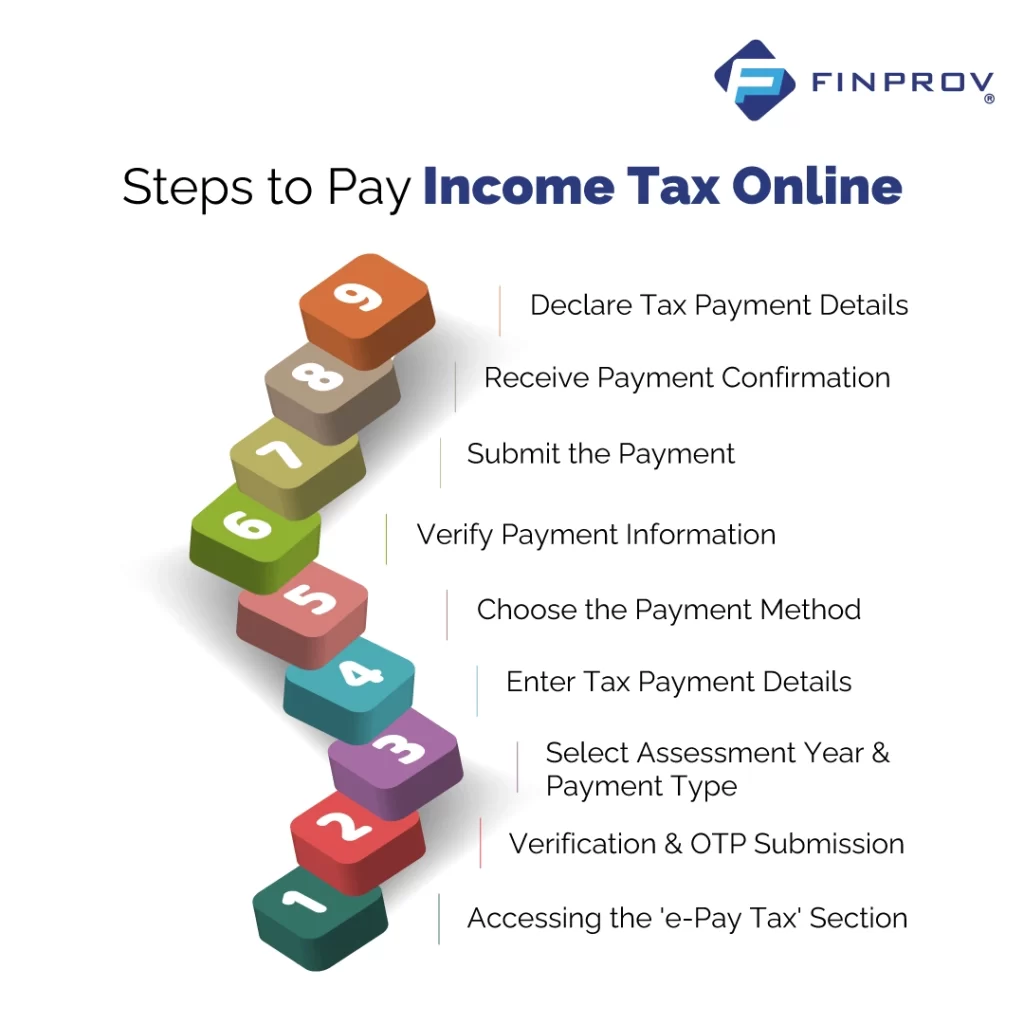
EFTPS is the U.S. Treasury’s electronic tax payment service, catering to businesses and individuals who make recurring tax payments, such as quarterly estimated taxes or payroll taxes. Unlike IRS Direct Pay, EFTPS requires enrollment, which can take 5-7 business days to complete as a Personal Identification Number (PIN) is mailed to you. Once enrolled, taxpayers can schedule payments up to 365 days in advance and review their payment history. While more involved in setup, its robust scheduling features and comprehensive payment history make it invaluable for those with regular, recurring federal tax obligations. It also carries no fees.
Debit/Credit Card Payments via Third-Party Processors
For those who prefer the convenience of using a debit or credit card, the IRS partners with several third-party payment processors. While this method offers flexibility and the potential to earn reward points (if using a credit card), it comes with a processing fee charged by the third party, which varies depending on the processor and payment amount. These fees typically range from 1.87% to 2.25% for credit cards, and a flat fee for debit cards. This option is accessible directly through the IRS website, which provides links to the approved processors. It’s a good choice for taxpayers who need to pay quickly and don’t mind the convenience fee, or who prefer to manage their cash flow using credit.
State Tax Agencies’ Online Portals
Just as the federal government offers online payment options, nearly all state tax agencies provide their own secure online portals for state income tax payments. These portals function similarly to IRS Direct Pay, allowing taxpayers to pay directly from their bank accounts or, in some cases, via debit/credit card (often with associated fees). It’s crucial to visit your specific state’s department of revenue or tax agency website to find the correct portal and instructions, as procedures and available options vary significantly from state to state. Always ensure you are on the official state government website to prevent fraud.
Payment Through Tax Software
Many popular tax preparation software programs (e.g., TurboTax, H&R Block, TaxAct) integrate payment options directly into their platforms. After you’ve prepared and e-filed your tax return, the software will often prompt you to schedule your payment. This method typically uses an electronic funds withdrawal (EFW) from your bank account, which is free and convenient as all steps are handled within the familiar interface of your tax software. This streamlines the process, ensuring consistency between your filed return and your payment instructions.
Best Practices and Critical Considerations for Online Tax Payments
While the convenience of online tax payments is undeniable, adopting certain best practices and being aware of critical considerations can further safeguard your financial interests and ensure compliance. A proactive approach to these aspects will prevent common pitfalls and provide peace of mind throughout the tax season.
Adhere to Deadlines: Avoiding Penalties
The most critical aspect of any tax payment is adherence to deadlines. Missing a payment deadline, even by a day, can result in penalties and interest charges, which can significantly increase your tax liability. Be meticulously aware of the federal income tax deadline (typically April 15th for most taxpayers), as well as any state-specific deadlines for income tax, estimated payments, or extensions. Online systems often allow you to schedule payments in advance, making it easier to meet these deadlines without last-minute stress. Always schedule your payment a few days before the actual deadline to account for any unforeseen technical issues.
Double-Check All Information
Before submitting any online payment, take a moment to meticulously review all entered information. This includes your SSN/EIN, bank account and routing numbers, credit card details, the payment amount, the tax year the payment applies to, and your filing status. A small typo in an account number or an incorrect tax year can lead to your payment being misdirected or rejected, potentially incurring penalties. Treat this review process as a final, critical financial audit.
Secure Your Transactions and Personal Data
Always use official government websites or reputable tax software for making payments. Be wary of unsolicited emails or calls claiming to be from the IRS or state tax agencies, especially if they demand immediate payment or personal information. These are common phishing scams. Ensure the website you’re using has “https://” in its URL and a padlock icon, indicating a secure connection. Use strong, unique passwords for any accounts you create, and enable two-factor authentication where available. Protecting your personal financial data is paramount.
Retain Confirmation and Records
Upon successful completion of an online payment, you will receive a confirmation number. It is absolutely crucial to save this confirmation number and print or digitally store a copy of the payment confirmation page. This serves as your official proof of payment. Keep these records organized with your other tax documents. In the rare event of a dispute or if the payment isn’t properly recorded, this confirmation will be your most important tool for resolution.
Understand Payment Options for Various Scenarios
Online payment options are versatile. You can use them for:
- Current Year Taxes: The balance due after filing your annual return.
- Estimated Taxes: For self-employed individuals or those with significant income not subject to withholding.
- Extension Payments: If you file an extension (Form 4868), you must still pay any estimated tax due by the original deadline to avoid penalties.
- Installment Agreements: If you owe more than you can pay, you can often set up an installment agreement with the IRS or state agency and make payments online.
Be clear about the specific type of payment you are making when using the online portal to ensure it is correctly applied.
Troubleshooting and Support: When Things Don’t Go as Planned
While online tax payment systems are designed for reliability, occasional issues can arise. Knowing how to troubleshoot common problems and where to seek support is crucial for managing your financial obligations effectively and avoiding unnecessary stress or penalties.
Common Issues and How to Address Them
- Payment Not Showing Up: If your payment doesn’t appear in your bank account or on your tax authority’s records within a few business days, first recheck your confirmation number and the payment date. Contact your bank to verify if the transaction went through. If it did, proceed to contact the tax authority with your confirmation number.
- Incorrect Amount Paid: If you realize you paid the wrong amount, do not try to cancel or re-submit the payment immediately unless the system explicitly allows it. For federal taxes, the IRS advises against trying to change or cancel payments through IRS Direct Pay once submitted. Instead, contact the IRS directly. For underpayments, you can usually make an additional payment. For overpayments, the IRS will typically issue a refund or apply the overpayment to your next tax year’s liability.
- Technical Glitches: If you encounter website errors, try clearing your browser’s cache and cookies, or try a different browser or device. Ensure your internet connection is stable. If the problem persists, wait a short while and try again, especially during non-peak hours.
- Password/Account Lockouts: If you forget your password or get locked out of an account (like EFTPS), follow the system’s recovery procedures. These often involve email verification or mailed PINs, so allow ample time.
Contacting Tax Authorities for Assistance
Both the IRS and state tax agencies provide helplines and online resources for taxpayer assistance. When contacting them, have all relevant information ready: your SSN/EIN, confirmation numbers, bank statements, and details of the issue. Be prepared for potentially long wait times during peak tax season. The official IRS website (IRS.gov) has a comprehensive “Contact Us” section, and similar resources are available on your state’s tax agency website. They are the ultimate authority for resolving payment discrepancies.
Utilizing Tax Professionals for Complex Situations
If you face a particularly complex payment issue, or if the problem has led to notices of penalties or audits, it might be wise to consult a qualified tax professional (e.g., a CPA or Enrolled Agent). These experts can help interpret tax notices, communicate with tax authorities on your behalf, and guide you through the resolution process, ensuring your financial interests are protected and compliance is maintained. Their expertise can be invaluable in navigating challenging financial landscapes.
In conclusion, paying income tax online is no longer a futuristic concept but a vital component of modern financial management. By understanding the available tools, preparing diligently, adhering to best practices, and knowing how to troubleshoot, taxpayers can transform a potentially stressful obligation into a streamlined, secure, and efficient process. Embrace the digital age of tax payments, and take control of your financial responsibilities with confidence.
aViewFromTheCave is a participant in the Amazon Services LLC Associates Program, an affiliate advertising program designed to provide a means for sites to earn advertising fees by advertising and linking to Amazon.com. Amazon, the Amazon logo, AmazonSupply, and the AmazonSupply logo are trademarks of Amazon.com, Inc. or its affiliates. As an Amazon Associate we earn affiliate commissions from qualifying purchases.