
Navigating the complexities of the U.S. immigration system can be a daunting journey, and a significant part of this challenge lies in understanding and managing the associated financial obligations. The “green card fee,” while seemingly a straightforward payment, encompasses a range of potential costs, varying payment methods, and crucial financial considerations that, if mishandled, can lead to delays or even rejection of an application. This guide aims to demystify the financial aspects of obtaining a green card, providing a professional, insightful, and engaging roadmap for applicants to effectively budget, pay, and manage their immigration-related expenses. By focusing on smart financial planning and understanding the payment landscape, applicants can approach this critical step with confidence and clarity.

Understanding the Landscape of Green Card Fees
Before even considering how to pay, it’s paramount to grasp precisely what fees are involved in the green card application process. These aren’t always a single, monolithic payment; rather, they comprise several distinct charges, each with its own purpose and potential for variation. A thorough understanding of these costs is the bedrock of effective financial preparation.
Breaking Down the Core Costs
At the heart of the green card application are the primary fees levied by U.S. Citizenship and Immigration Services (USCIS). These typically include:
- Form I-485, Application to Register Permanent Residence or Adjust Status: This is often the most substantial fee for those adjusting status from within the U.S. The exact amount can vary based on the applicant’s age, so it’s critical to check the latest USCIS fee schedule.
- Form I-130, Petition for Alien Relative (if applicable): For family-based green cards, the petitioner (the U.S. citizen or green card holder) pays this fee to establish the relationship with the beneficiary. This is paid before the I-485 in most cases.
- Biometrics Services Fee: Almost all applicants are required to attend a biometrics appointment (fingerprints, photos, signature), for which a separate fee is charged. This fee covers the cost of identity verification and background checks.
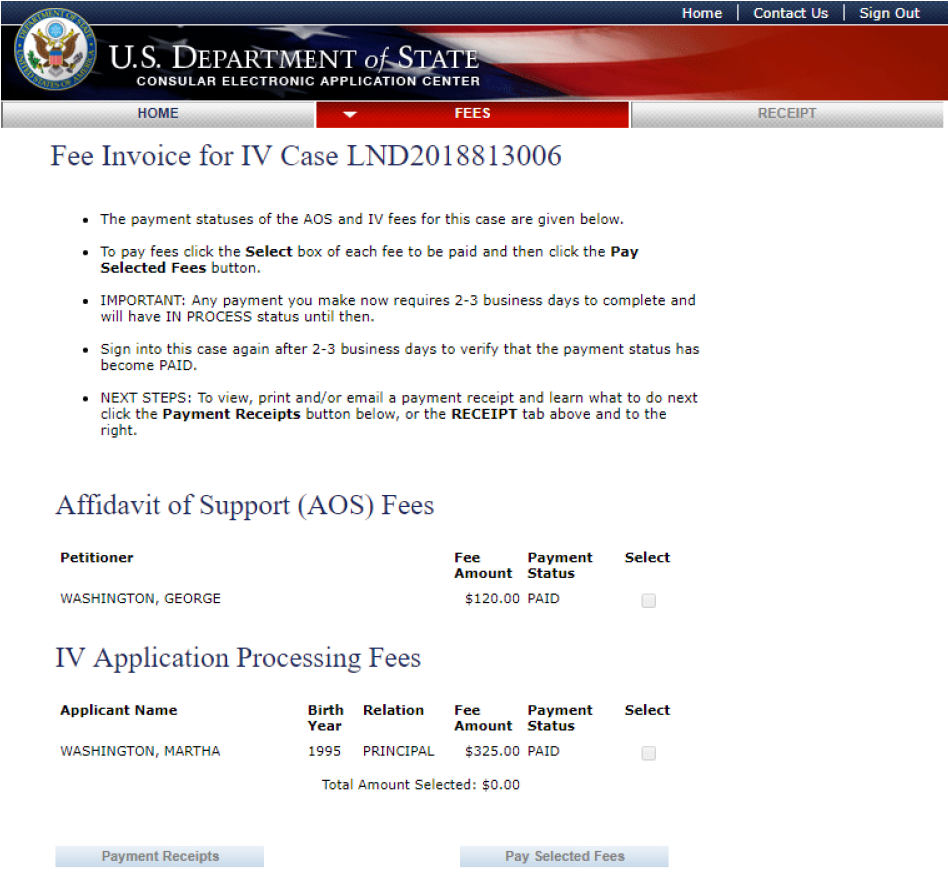
- USCIS Immigrant Fee (for those applying from outside the U.S.): Individuals applying for an immigrant visa through a U.S. embassy or consulate abroad must pay this fee after their visa is approved but before they enter the U.S. as a permanent resident. This fee covers the cost of producing and mailing the physical green card.
It is crucial to consult the official USCIS website (uscis.gov/fees) for the most current fee schedule, as these amounts are subject to change without prior notice. Discrepancies, even minor ones, can lead to your application being rejected and returned, causing significant delays.
Potential Additional Expenses
Beyond the core USCIS fees, applicants must financially prepare for a range of additional expenses that, while not paid directly to USCIS for the application itself, are integral to a successful process. Ignoring these can lead to unexpected financial strain.
- Legal Fees: Many applicants opt to hire an immigration attorney to navigate the complex legal requirements, prepare forms, and represent them. Attorney fees can vary significantly based on the complexity of the case, the attorney’s experience, and geographic location. Budgeting for legal counsel is a wise financial decision for many.
- Medical Examination Fees: All green card applicants are required to undergo a medical examination by a USCIS-approved civil surgeon. The cost of this exam, which often includes required vaccinations, is paid directly to the doctor’s office and is separate from USCIS fees. These costs are not standardized and can vary widely.
- Translation and Evaluation Fees: If any supporting documents (birth certificates, marriage certificates, academic transcripts) are not in English, certified translations are required. Similarly, foreign educational degrees might need an evaluation to determine their U.S. equivalency. These services incur additional costs.
- Travel Costs: Applicants may incur travel expenses for biometrics appointments, interviews, or to consult with their attorney or civil surgeon. For those applying from abroad, the cost of international travel to the U.S. is a major consideration.
- Postage and Courier Services: While seemingly minor, the cost of sending applications via certified mail or courier services to ensure trackability and secure delivery can add up, especially if multiple submissions are required.
Fee Waivers and Reductions: Eligibility and Process
For applicants facing financial hardship, USCIS offers the possibility of fee waivers for certain forms. This is a critical financial relief mechanism for eligible individuals.
- Eligibility Criteria: Fee waivers are generally granted based on demonstrated financial inability to pay. Common criteria include receiving a means-tested public benefit, having an income at or below 150% of the Federal Poverty Guidelines, or experiencing financial hardship that makes it impossible to pay the fee. Not all forms are eligible for fee waivers; generally, only certain humanitarian and benefit applications qualify.
- The Process: To request a fee waiver, applicants must submit Form I-912, Request for Fee Waiver, along with their application. This form requires detailed documentation of income, assets, and liabilities. It’s crucial to provide robust evidence of financial need, as incomplete or unsubstantiated requests will be denied, leading to delays. Understanding the specific forms eligible for waivers and meticulously preparing the I-912 is essential for leveraging this financial lifeline.
Navigating Official Payment Methods
Once the fees are understood, the next step is to choose the correct and secure method of payment. USCIS is very particular about how payments are made, and errors in this area are a common reason for application rejection. Adhering strictly to their guidelines is crucial for a smooth financial transaction.
Online Payment Systems
In today’s digital age, online payment has become the preferred and often most efficient method for many USCIS fees.
- USCIS ELIS (Electronic Immigration System) and Pay.gov: For forms that can be filed online, payments are integrated directly into the ELIS system. For paper-filed applications that require an online payment (e.g., the USCIS Immigrant Fee), Pay.gov is the designated portal. Pay.gov allows payments via credit card, debit card, or direct debit from a U.S. bank account.
- Advantages: Speed, immediate confirmation, reduced risk of errors (e.g., incorrect amounts, unsigned checks), and ease of tracking.
- Financial Best Practices: Ensure sufficient funds are available in your bank account or on your credit card. Double-check all entered numbers for accuracy. Retain all confirmation emails and transaction IDs for your records. For credit card payments, be aware of your credit limit and potential interest charges if you don’t pay off the balance promptly.
Payment by Mail
For paper-filed applications, payment by mail remains a common method, primarily through checks or money orders.
- Checks (Personal, Certified, Cashier’s):
- Personal Checks: Must be drawn from a U.S. bank account and made payable to “U.S. Department of Homeland Security.” The exact amount must be written clearly in both numerical and word format. Ensure the check is signed and dated.
- Cashier’s Checks & Money Orders: These are generally considered more secure as they are guaranteed by a bank or financial institution. They also avoid the issue of bounced personal checks. Like personal checks, they must be made out to “U.S. Department of Homeland Security” for the exact amount.
- Financial Best Practices: Always write the form number and applicant’s name on the memo line of the check or money order for easy identification. Never send cash through the mail. Verify that the routing and account numbers are correct on personal checks. Keep a photocopy of the check or money order for your records. Do not staple or clip checks to the application; instead, place them on top.
- Avoiding Common Pitfalls: One of the most frequent reasons for rejection is an incorrect payment amount. Always verify the current fees. Ensure checks are properly signed and dated. An expired check or one with an unclear amount will lead to rejection.
In-Person Payments (Limited Availability)
While most USCIS fees are paid online or by mail, some specific situations, particularly those involving certain biometrics fees or specific humanitarian applications, might allow for in-person payments at designated USCIS lockboxes or Application Support Centers. However, this is increasingly rare for general application fees. Always verify with USCIS if in-person payment is an option for your specific application and what methods are accepted (often only credit/debit card or money order). This method often comes with additional logistical considerations and potential delays.

Strategies for Financial Preparation and Management
The sheer volume and variability of green card fees necessitate a robust financial strategy. Proactive planning can alleviate stress, prevent delays, and ensure the process moves forward smoothly.
Budgeting for Immigration Costs
Creating a detailed budget is the cornerstone of managing immigration expenses.
- Comprehensive Cost Estimation: Start by listing all potential fees: USCIS application fees, biometrics, potential legal fees, medical exam costs, translation, travel, and miscellaneous expenses. Use the highest reasonable estimates for variable costs.
- Timeline Integration: Map out when each payment is likely to be due. Some fees are upfront, others later in the process. This helps in cash flow management. For example, attorney fees might be an initial retainer, while medical exams occur later.
- Contingency Fund: Always budget for a contingency — an extra 10-20% above your estimated costs. Unexpected costs can arise, or fees might change. A buffer prevents last-minute financial scrambling.
Saving Strategies for Large Fees
For many, green card fees represent a significant financial outlay. Effective saving strategies are crucial.
- Dedicated Savings Account: Open a separate savings account specifically for immigration funds. This segregates these funds, making it easier to track progress and less tempting to use them for other expenses.
- Automated Transfers: Set up automatic weekly or monthly transfers from your primary checking account into your dedicated immigration savings account. Consistency is key to reaching your goal.
- Income Optimization: Explore opportunities for increasing income through side hustles, overtime, or selling unused items. Every extra dollar contributed accelerates your savings.
- Expense Reduction: Review personal budgets to identify areas where spending can be reduced, even temporarily, to redirect funds towards immigration fees.
Avoiding Common Payment Pitfalls
Financial errors can be costly, leading to application rejections and lost time.
- Incorrect Fee Amount: This is the most common pitfall. Always verify the current fee schedule on the USCIS website immediately before submitting your application. Fees can change without notice.
- Expired or Unsigned Checks: Ensure your check is current, signed, and correctly dated.
- Incorrect Payee: Checks and money orders must be made payable to “U.S. Department of Homeland Security” (not “USCIS” or “Department of Homeland Security”).
- Insufficient Funds: If a check bounces due to insufficient funds, your application will be rejected, and USCIS may charge an additional fee.
- Sending Cash: Never send cash through the mail. It is untraceable and often not accepted.
Leveraging Financial Tools and Best Practices
In an era of digital convenience and increasing financial scrutiny, utilizing modern tools and adhering to best practices can significantly enhance the efficiency and security of green card fee payments.
Utilizing Digital Payment Tracking and Record Keeping
The digital age offers powerful tools for managing and tracking financial transactions.
- Online Banking & Budgeting Apps: Use your bank’s online platform to monitor account balances, set up automated transfers, and review transaction history. Integrate these with budgeting apps (e.g., Mint, YNAB) to categorize and track all immigration-related expenses.
- Digital Document Management: Scan and save all payment confirmations, receipts, check copies, and financial correspondence in a secure digital folder. Cloud storage services with robust security features are ideal for this. This creates an easily accessible backup and a clear audit trail.
- Transaction Alerts: Set up email or SMS alerts for large transactions from your bank or credit card provider. This helps monitor your account for any unauthorized activity and provides real-time confirmation of successful payments.
Secure Transaction Practices for Online Payments
When paying online, security is paramount to protect your financial information.
- Official Websites Only: Always ensure you are on the legitimate USCIS website (uscis.gov) or Pay.gov before entering any payment information. Beware of phishing scams or fraudulent websites that mimic official government pages.
- Secure Internet Connection: Use a secure, private Wi-Fi connection when making online payments. Avoid public Wi-Fi networks, which are often unencrypted and vulnerable to eavesdropping.
- Strong Passwords and Two-Factor Authentication: Use strong, unique passwords for all financial accounts and enable two-factor authentication (2FA) whenever possible. This adds an extra layer of security.
- Monitor Bank Statements: Regularly review your bank and credit card statements for any suspicious transactions, especially after making large online payments.
Seeking Professional Financial Advice
While this guide offers comprehensive financial insights, some situations may warrant personalized professional advice.
- Complex Financial Situations: If you have unusual income sources, significant assets, debts, or are navigating complex tax implications related to your immigration, a financial advisor can provide tailored guidance. They can help optimize your financial strategy, particularly concerning large transfers or asset liquidation.
- Fee Waiver Guidance: While the fee waiver process is outlined, a legal professional or financial counselor specializing in immigration can provide specific advice on maximizing your chances of approval, especially if your financial situation is borderline or complex.
- Long-Term Financial Planning: Beyond the immediate fees, obtaining a green card has long-term financial implications, including tax obligations, investment opportunities, and financial integration into the U.S. economy. A financial planner can assist with these broader considerations.
Conclusion
Paying green card fees is more than just a transaction; it’s a critical financial milestone in the immigration journey. By meticulously understanding the costs, choosing appropriate payment methods, strategically preparing your finances, and leveraging modern financial tools and best practices, applicants can significantly reduce stress and improve their chances of a successful application. Meticulous planning, diligent record-keeping, and a proactive approach to financial management will ensure that the journey to permanent residency is as smooth and financially sound as possible. Armed with this knowledge, you can navigate the financial landscape of green card applications with confidence and precision.
aViewFromTheCave is a participant in the Amazon Services LLC Associates Program, an affiliate advertising program designed to provide a means for sites to earn advertising fees by advertising and linking to Amazon.com. Amazon, the Amazon logo, AmazonSupply, and the AmazonSupply logo are trademarks of Amazon.com, Inc. or its affiliates. As an Amazon Associate we earn affiliate commissions from qualifying purchases.