
Managing credit card debt effectively is a cornerstone of sound personal finance. While credit cards offer unparalleled convenience and can be valuable tools for building credit and earning rewards, missteps in repayment can lead to a compounding cycle of interest and financial stress. Understanding the mechanisms of credit card payments and adopting strategic approaches is crucial for maintaining financial health. This guide will delve into the intricacies of paying for credit cards, offering actionable insights and highlighting the most effective strategies for debt management and financial freedom.
Understanding Your Credit Card Statement and Obligations
Before formulating a payment strategy, it’s essential to thoroughly understand your credit card statement. This document is more than just a bill; it’s a detailed report of your spending, payments, and the terms of your agreement.
Decoding Key Terms
Your statement contains several critical pieces of information:
-
Annual Percentage Rate (APR): This is the yearly interest rate charged on outstanding balances. It’s often variable and can differ for purchases, cash advances, and balance transfers. A higher APR means your debt grows faster.
-
Minimum Payment Due: This is the smallest amount you must pay by the due date to keep your account in good standing. While tempting, paying only the minimum can trap you in long-term debt due to accruing interest.
-
Payment Due Date: This is the deadline by which your payment must be received. Missing this date can result in late fees and a penalty APR, negatively impacting your credit score.
-
Statement Balance (or New Balance): This is the total amount you owe as of the statement date. Paying this amount in full by the due date allows you to avoid interest charges on new purchases, thanks to the grace period.
-
Grace Period: The period between the end of your billing cycle and your payment due date, during which no interest is charged on new purchases if you pay your entire statement balance in full. If you carry a balance, you usually lose this grace period, and interest accrues immediately on new purchases.
The Dangers of Minimum Payments
Paying only the minimum payment often feels manageable, but it’s a perilous path. Credit card companies calculate minimum payments to be a small percentage of your outstanding balance (often 1-3%) plus any accrued interest and fees. While it prevents late fees, this approach ensures you carry a balance for an extended period, maximizing the interest you pay. For example, a $5,000 balance with an 18% APR and a 2% minimum payment could take over 20 years to pay off, costing thousands in interest alone.
The Impact of Interest and Fees
Interest charges are the primary cost of carrying a credit card balance. If you don’t pay your statement balance in full each month, interest is calculated on the average daily balance for that billing cycle. Late fees, over-limit fees, and returned payment fees can also add significant costs, further increasing your debt and complicating repayment efforts. These fees not only inflate your balance but can also signal to lenders that you are a higher credit risk.
Strategic Approaches to Paying Down Debt
Once you understand the mechanics, it’s time to implement a strategic approach to debt repayment. Consistency and discipline are key.
The Debt Avalanche Method
This method prioritizes paying down the credit card with the highest Annual Percentage Rate (APR) first, while making minimum payments on all other cards. Once the highest-APR card is paid off, you take the money you were paying on that card and apply it to the card with the next highest APR. This continues until all cards are paid off. The avalanche method is mathematically the most efficient, as it minimizes the total interest paid over time, saving you money.
The Debt Snowball Method
The snowball method focuses on psychological momentum. With this approach, you prioritize paying off the credit card with the smallest balance first, while making minimum payments on all other cards. Once the smallest balance is cleared, you “roll” that payment amount into the next smallest balance. This creates a psychological “snowball” effect as you quickly clear smaller debts, providing motivation to tackle larger ones. While it may cost slightly more in interest than the avalanche method, many find the quick wins incredibly motivating, making it easier to stick to the plan.
Creating a Realistic Budget for Debt Repayment
Neither the avalanche nor the snowball method will work without a clear understanding of your income and expenses. A well-structured budget is fundamental.
-
Track Income: List all your sources of income.
-
Track Expenses: Categorize and track all your spending for at least a month. Differentiate between fixed expenses (rent, utilities) and variable expenses (groceries, entertainment).
-
Identify Surplus: Determine how much money is left after essential expenses. This surplus is your dedicated debt repayment fund.
-
Cut Non-Essentials: Look for areas to cut back. Even small reductions in discretionary spending can free up significant funds for debt payments. Dining out less, canceling unused subscriptions, or reducing entertainment expenses can make a big difference.
A budget helps you allocate specific funds towards debt repayment each month beyond the minimum, accelerating your path to becoming debt-free.
Automating Payments for Consistency
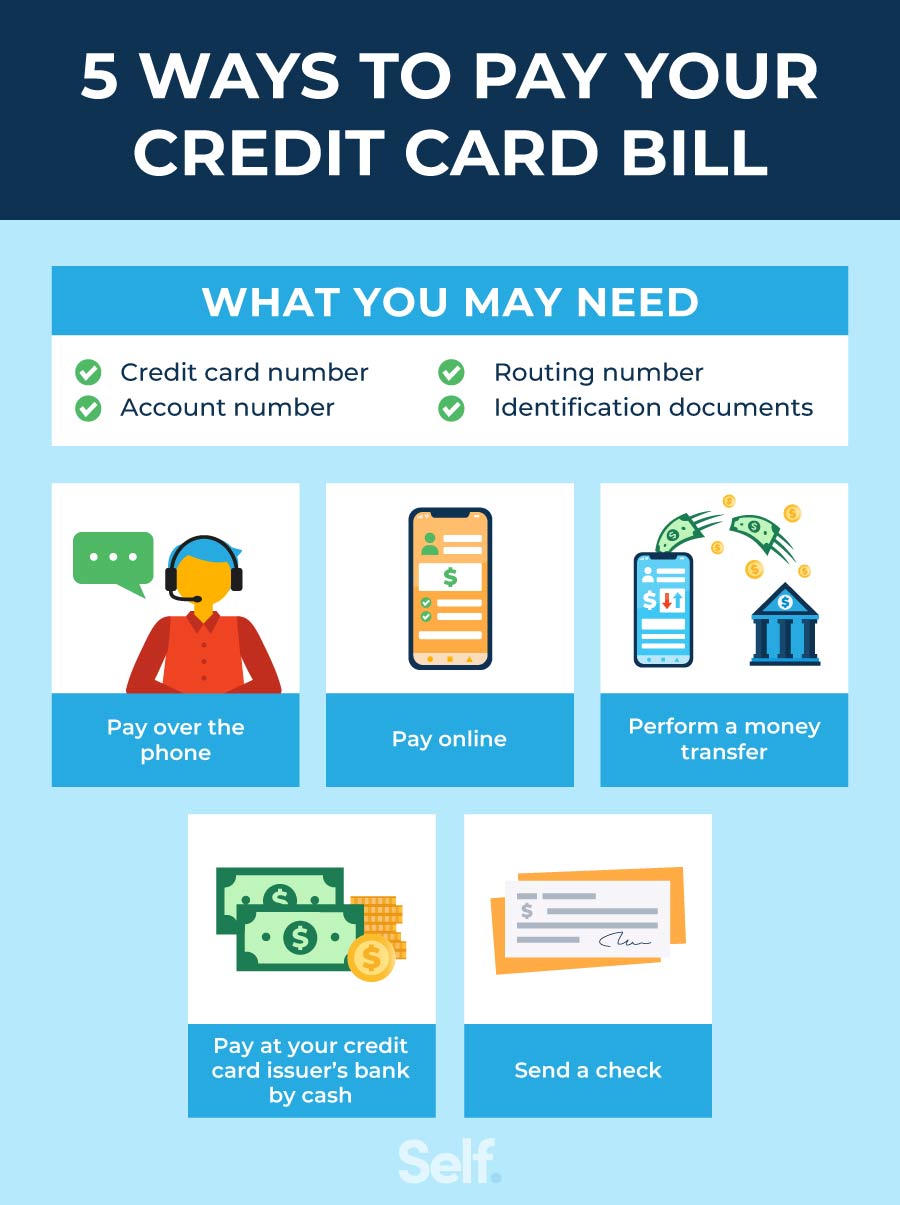
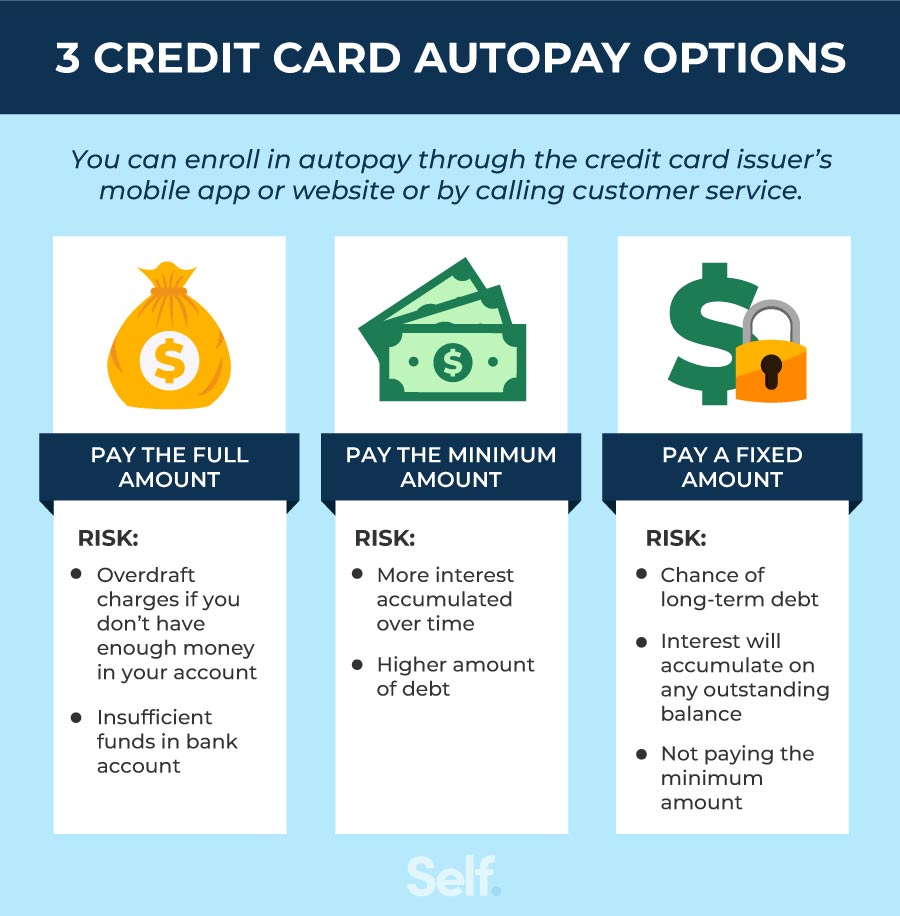
Setting up automatic payments can prevent missed due dates, avoid late fees, and protect your credit score. You can typically set up automatic payments through your credit card issuer’s website or your bank’s online bill pay service. While it’s wise to automate at least the minimum payment, ideally, you should automate your target repayment amount (which should be more than the minimum) to stay on track with your chosen debt repayment strategy. Always ensure you have sufficient funds in your account to cover automated payments.
Leveraging Financial Tools and Options
Sometimes, direct repayment methods aren’t enough, or you might benefit from tools designed to restructure your debt more favorably.

Balance Transfer Cards
A balance transfer credit card allows you to move debt from one or more high-interest credit cards to a new card, often with an introductory 0% APR for a promotional period (e.g., 12 to 21 months). This can be a powerful tool, as it gives you a window to pay down your principal without accumulating interest.
-
Pros: Significant interest savings, consolidated payments, a clear deadline to pay off debt.
-
Cons: Requires good credit for approval, often involves a balance transfer fee (typically 3-5% of the transferred amount), and if the balance isn’t paid off by the end of the promotional period, the remaining balance will be subject to a much higher standard APR. It’s crucial to have a solid repayment plan to take full advantage.
Personal Loans for Debt Consolidation
A personal loan can also be used to consolidate high-interest credit card debt. You take out a single loan, typically with a fixed interest rate and a set repayment term, and use the funds to pay off your credit cards.
-
Pros: Lower, fixed interest rates than most credit cards, predictable monthly payments, a definite end date for debt repayment, and simplifies payments to one lender.
-
Cons: Requires good credit for favorable rates, and if you continue to use your credit cards after consolidation, you risk accumulating new debt on top of the personal loan.
Debt Management Plans (DMPs)
If you’re struggling with significant credit card debt and feel overwhelmed, a Debt Management Plan (DMP) offered through a non-profit credit counseling agency might be suitable. In a DMP, the agency negotiates with your creditors to potentially lower your interest rates, waive fees, and set up a single, affordable monthly payment that is then distributed to your creditors.
-
Pros: Can significantly reduce interest rates, simplify payments, and stop collection calls. It’s often a less damaging alternative to bankruptcy.
-
Cons: Requires closing credit card accounts included in the plan, can appear on your credit report, and requires adherence to the payment schedule.
Avoiding Payday Loans and High-Interest Alternatives
When facing financial difficulty, it’s tempting to turn to quick fixes like payday loans or title loans. These options typically carry astronomically high interest rates (sometimes 400% APR or more) and can trap borrowers in a vicious cycle of debt that is far worse than credit card debt. Always exhaust all other options before considering such predatory lending products.
Building Sustainable Financial Habits
Paying off credit card debt is only half the battle; preventing its recurrence is equally important. Building sustainable financial habits ensures long-term financial stability.
The Importance of an Emergency Fund
A robust emergency fund is your first line of defense against unexpected expenses (car repair, medical bill, job loss). Without one, these events often lead to relying on credit cards, accumulating new debt. Aim to save at least 3-6 months’ worth of essential living expenses in a readily accessible, separate savings account. This fund acts as a buffer, preventing you from using credit cards for emergencies.
Setting Spending Limits and Tracking Expenses
Beyond budgeting, actively setting spending limits for various categories (e.g., entertainment, dining out) and diligently tracking your expenses helps you stay accountable. Use budgeting apps, spreadsheets, or even pen and paper to monitor where your money goes. This vigilance helps identify overspending patterns and reinforces responsible financial behavior.
Utilizing Cash for Everyday Purchases
For individuals who struggle with overspending on credit cards, temporarily shifting to cash for discretionary spending can be highly effective. The physical act of handing over cash creates a tangible sense of your money leaving your wallet, making you more mindful of your spending. Once the cash is gone for a particular category, the spending stops.
Regular Financial Review and Adjustment
Your financial situation is not static. Life changes, income fluctuates, and expenses evolve. Make it a habit to review your budget and financial goals monthly or quarterly. Adjust your spending plan as needed, celebrate your progress in debt repayment, and recalibrate your strategies to stay on track. This proactive approach ensures your financial plan remains relevant and effective.
When to Seek Professional Help
Despite best efforts, some credit card debt situations can be overwhelming and necessitate external assistance. Recognizing when to seek professional help is a sign of financial maturity.
Recognizing Signs of Overwhelm
Signs that you might need professional help include:
-
Consistently paying only the minimum on your credit cards.
-
Using one credit card to pay off another.
-
Receiving constant collection calls.
-
Experiencing significant stress or anxiety due to debt.
-
Having your credit score severely impacted by missed or late payments.
-
Feeling like you’re drowning in debt with no clear path out.
The Role of Non-Profit Credit Counselors
Non-profit credit counseling agencies offer invaluable services. They can help you assess your financial situation, develop a personalized budget, and explore debt relief options, including Debt Management Plans. They provide unbiased advice and are focused on helping you achieve financial stability, not on selling you a product. Look for agencies certified by reputable organizations like the National Foundation for Credit Counseling (NFCC).
Understanding Debt Settlement vs. Bankruptcy
These are last-resort options with significant long-term consequences for your credit.
-
Debt Settlement: Involves negotiating with creditors (often through a third-party company) to pay a lump sum that is less than the full amount owed. While it can reduce the principal, it severely damages your credit score, may incur taxes on forgiven debt, and often comes with high fees from the settlement company.
-
Bankruptcy: A legal process that either liquidates assets to pay creditors (Chapter 7) or reorganizes debt into a repayment plan (Chapter 13). It provides a fresh start but has severe and long-lasting negative impacts on your credit report, making it difficult to obtain credit, loans, or even housing for many years.
These options should only be considered after exploring all other avenues and consulting with a qualified financial advisor or attorney.
Effectively paying for credit cards goes beyond simply making a payment each month. It involves understanding your financial obligations, implementing strategic repayment plans, leveraging available financial tools, and cultivating sound money management habits for the long term. By taking a proactive and informed approach, you can navigate the complexities of credit card debt and achieve financial control.
aViewFromTheCave is a participant in the Amazon Services LLC Associates Program, an affiliate advertising program designed to provide a means for sites to earn advertising fees by advertising and linking to Amazon.com. Amazon, the Amazon logo, AmazonSupply, and the AmazonSupply logo are trademarks of Amazon.com, Inc. or its affiliates. As an Amazon Associate we earn affiliate commissions from qualifying purchases.