
Amazon Prime has become an indispensable service for millions worldwide, offering a suite of benefits from expedited shipping and streaming entertainment to exclusive deals and cloud storage. While the value proposition is clear for many, understanding the various payment methods, optimizing subscription choices, and strategically managing this recurring expense is crucial for sound personal finance. This guide delves into the financial intricacies of paying for Amazon Prime, equipping you with the knowledge to make informed decisions that align with your budget and financial goals.
Navigating Amazon Prime’s Payment Landscape
Understanding the accepted payment methods is the first step in managing your Amazon Prime membership. Amazon provides a variety of options to ensure flexibility and convenience, catering to diverse financial preferences. Knowing these options allows you to choose the most secure, cost-effective, and practical way to maintain your subscription.
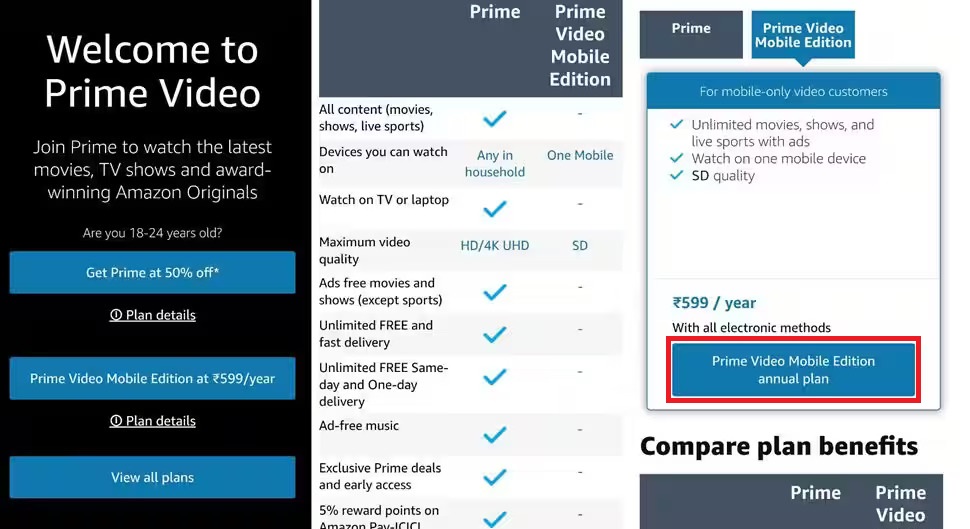
Standard Payment Methods Explained
The most common and widely accepted payment methods for Amazon Prime are credit and debit cards. These offer a straightforward way to process recurring payments, automatically renewing your membership until you decide to cancel.
- Credit Cards: Almost all major credit cards, including Visa, MasterCard, American Express, Discover, and others, are accepted. Using a credit card can be beneficial for those who leverage rewards programs (cashback, points, miles), provided they pay off their balance in full each month to avoid interest charges. It also offers a layer of consumer protection against fraudulent charges. For budgeting purposes, associating your Prime membership with a specific credit card can help categorize your spending and track expenses more effectively. However, it’s essential to monitor statements to ensure the correct amount is charged and to identify any unauthorized transactions promptly.
- Debit Cards: Debit cards linked to your checking or savings account are another popular choice. Payments are deducted directly from your bank account, which can be an excellent way to prevent overspending if you prefer to live within your immediate means. Unlike credit cards, there’s no risk of accumulating debt or paying interest. However, if funds are insufficient, transactions may be declined, or overdraft fees could be incurred by your bank. Regular monitoring of your bank balance is therefore advisable when using a debit card for recurring subscriptions.
- Bank Accounts (ACH/Direct Debit): In some regions, Amazon may allow you to link your bank account directly for payments through Automated Clearing House (ACH) or direct debit. This method facilitates direct fund transfers from your checking or savings account. While less common for initial Prime sign-ups than cards, it can be a reliable option for those who prefer not to use cards online or want a direct link to their primary financial institution. This method often requires verifying your bank account, usually through small deposits or linking services.
Utilizing Amazon Balance and Gift Cards
Amazon offers unique payment avenues that leverage its own ecosystem, providing flexibility and sometimes even opportunities to save or manage funds more strategically.
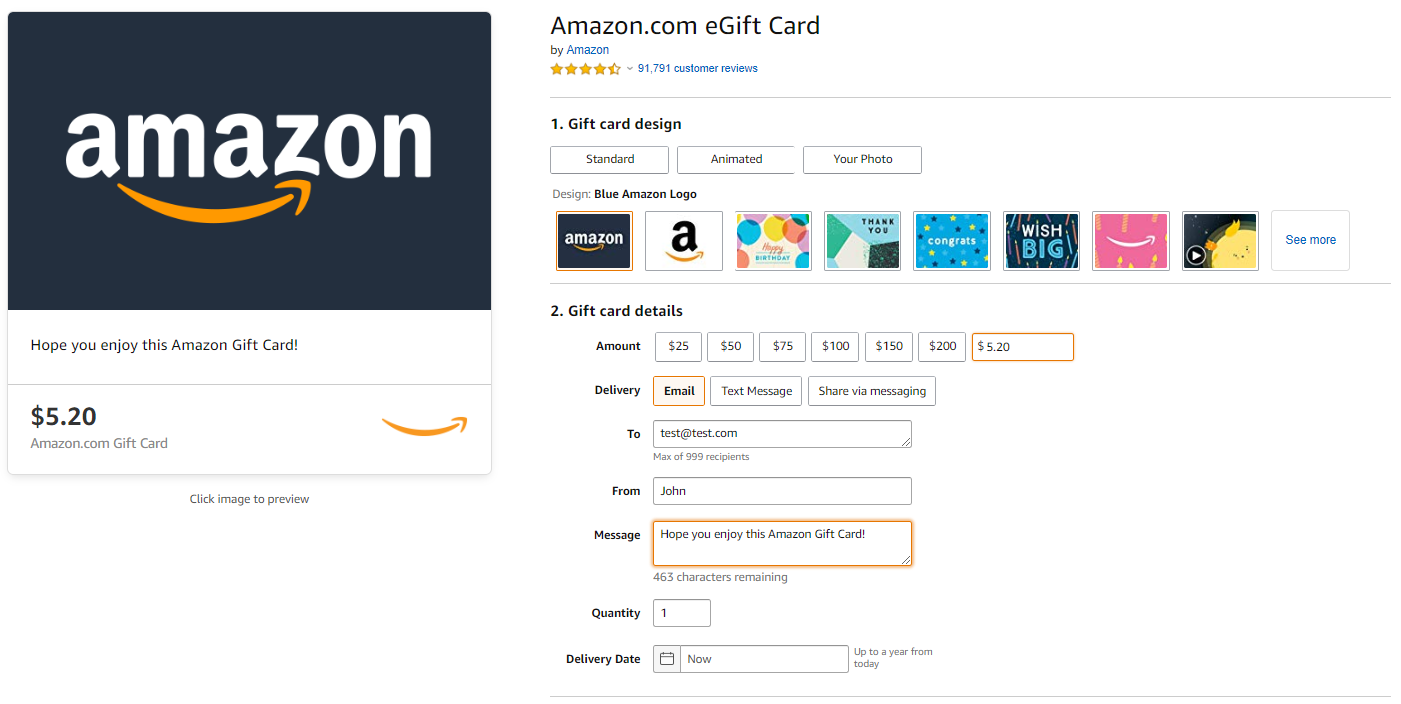
- Amazon Gift Cards: A highly versatile option, Amazon Gift Cards can be redeemed and applied to your Amazon account balance. This balance can then be used to pay for your Prime membership. This method is particularly useful for budgeting, as you can load a specific amount onto your balance to cover the annual or monthly fee, thereby segmenting your spending. It’s also an excellent way to use gift cards received for birthdays or holidays towards a valuable service rather than just physical products. Furthermore, some users strategically purchase discounted Amazon gift cards from third-party retailers or through promotions, effectively reducing the overall cost of their Prime membership.
- Amazon Account Balance: Beyond gift cards, any refunds or promotional credits applied to your Amazon account automatically contribute to your Amazon Balance. This balance is typically prioritized for purchases, including Prime membership fees, before other payment methods are charged. Regularly checking your account balance for available credits can be a smart financial habit, as it might cover part or all of your Prime subscription cost without dipping into your primary bank account or credit card.
Alternative Payment Options
While less common for direct Prime payments, other methods may be available or relevant depending on your location and specific circumstances.
- Prepaid Cards: Some prepaid debit cards, often branded with Visa or MasterCard logos, can be used if they are enabled for online and recurring transactions. These cards function similarly to debit cards but are loaded with funds in advance, offering a way to control spending rigidly. They can be a good option for those without traditional bank accounts or credit cards, or for individuals looking to strictly budget for their Prime membership by only loading the exact amount needed.
- Promotional Credits/Coupons: Occasionally, Amazon may offer promotional credits as part of specific campaigns (e.g., for using a new payment method, participating in a survey, or receiving a refund). If these credits are applicable to Prime membership, they can effectively reduce your out-of-pocket cost. It’s always worthwhile to check the terms and conditions of such promotions to see if they can be leveraged for your subscription.
Optimizing Your Subscription for Financial Savings
Beyond choosing a payment method, strategic planning regarding your subscription type and leveraging available discounts can significantly impact the long-term cost of your Amazon Prime membership. A savvy financial approach goes beyond just paying; it involves paying smarter.
Annual vs. Monthly: A Cost-Benefit Analysis
One of the most critical financial decisions regarding Amazon Prime is whether to opt for a monthly or annual subscription.
- Monthly Subscription: Offers greater flexibility, allowing you to cancel at any time without a significant upfront commitment. This can be beneficial if your usage of Prime benefits is seasonal, or if you anticipate changes in your financial situation. However, the cumulative cost of a monthly subscription over a year is substantially higher than the annual plan. For instance, if a monthly plan is $14.99, the annual cost would be nearly $180, whereas an annual plan might be $139, representing a direct saving of over $40.
- Annual Subscription: Provides a clear cost saving if you intend to use Prime consistently throughout the year. Paying upfront means you lock in a lower effective monthly rate. This option is ideal for long-term users who are confident in their continuous need for Prime’s services. From a budgeting perspective, an annual payment simplifies tracking—it’s one lump sum once a year rather than 12 smaller transactions. However, it requires a larger upfront payment, which might be a barrier for some, and cancelling mid-year typically results in a partial refund based on unused months, not a full reimbursement.
A careful analysis of your usage patterns and financial stability should guide this decision. If you frequently use Prime benefits year-round, the annual plan is almost always the financially superior choice.
Unlocking Special Discount Programs
Amazon offers several discounted Prime memberships aimed at specific demographics, providing significant savings for eligible individuals. Awareness of these programs is key to reducing your financial outlay.
- Prime Student: For currently enrolled college students, Amazon offers Prime Student at a significantly reduced rate, often half the price of a standard membership. This plan typically includes an extended free trial period (e.g., six months) and then continues at the discounted monthly or annual rate for up to four years or until graduation, whichever comes first. Eligibility usually requires a valid .edu email address or proof of enrollment. This program is a substantial financial boon for students, allowing them access to Prime benefits without the full financial burden.
- EBT and Medicaid Holders: In a commendable effort to make Prime accessible, Amazon offers a discounted membership for individuals receiving qualifying government assistance, such as EBT (Electronic Benefits Transfer) or Medicaid. This typically lowers the monthly cost to a fraction of the standard rate, without requiring an annual commitment. This initiative ensures that a broader demographic can access essential services like fast shipping, which can be particularly impactful for those in financial constraints. Eligibility usually needs verification of EBT or Medicaid enrollment.
- Household Sharing: While not a direct discount on the primary membership fee, Amazon Household allows two adults and up to four teens and four children to share Prime benefits. The two adults can share Prime benefits like free shipping, Prime Video, and Kindle books, and also share digital content. This effectively halves the cost per adult for shared benefits, making Prime significantly more cost-effective for families or roommates. It’s a smart financial strategy for households that can pool resources.
Leveraging Free Trials Effectively
Amazon Prime frequently offers free trial periods, typically 30 days, for new members. Leveraging these trials strategically can provide significant value.

- Trial Benefits: A free trial grants full access to all Prime benefits, allowing you to experience the service without any financial commitment. This is an excellent opportunity to evaluate if Prime genuinely meets your needs and provides sufficient value before committing to a paid subscription.
- Trial Management: To avoid unwanted charges, it is crucial to set a reminder to cancel your trial before it automatically converts to a paid membership if you decide not to continue. Amazon usually sends an email reminder a few days before the trial ends, but personal reminders offer an extra layer of protection. If you opt to continue, understanding your payment options and choosing the most financially advantageous plan (monthly vs. annual, discounted rates) during the trial-to-paid transition is vital.
Managing Your Amazon Prime Payments and Account
Effective financial management of your Amazon Prime membership extends beyond initial payment. It involves actively overseeing your payment methods, understanding billing cycles, and knowing how to adjust or discontinue your subscription as needed. Proactive management can prevent unexpected charges and ensure you’re always in control of your spending.
Adding, Updating, and Removing Payment Information
Keeping your payment information current and secure is paramount for uninterrupted service and preventing financial hiccups.
- Accessing Payment Settings: All payment management for your Amazon Prime account is typically handled within the “Your Account” section on the Amazon website or app, under “Payment Options” or “Manage Prime Membership.” From here, you can view your current payment methods linked to your Amazon profile.
- Adding New Methods: You can add new credit cards, debit cards, or bank accounts at any time. It’s often prudent to have a backup payment method on file, especially for recurring subscriptions. If your primary card expires or is declined, Amazon can automatically attempt to charge a secondary method, preventing a lapse in service.
- Updating Expired/Changed Information: Credit and debit cards have expiration dates, and sometimes card numbers change due to reissuance or theft. It’s crucial to promptly update this information to avoid payment failures. Amazon often sends notifications when a payment method is nearing expiration, prompting you to update it.
- Removing Old Methods: For security and organizational purposes, you should remove any old or unused payment methods from your account. This reduces clutter and minimizes the risk if your account were ever compromised.
Understanding Billing Cycles and Charges
Clarity on when and how you’re charged for Prime is fundamental to good budgeting.
- Billing Frequency: As discussed, Prime memberships are typically billed either monthly or annually. Understanding your chosen frequency dictates when you can expect the charges to appear on your bank or credit card statement.
- Charge Date: Your Prime membership fee is generally charged on the same day each month or year that you initiated your paid subscription (or converted from a free trial). If this date falls on a non-existent day (e.g., the 31st of a 30-day month), Amazon typically adjusts it to the last day of the month.
- Viewing Payment History: Amazon provides a clear transaction history within your account, usually under “Orders” or “Digital Orders,” where you can view past Prime charges. Regularly reviewing this helps you track your spending, reconcile against bank statements, and identify any discrepancies.
- Tax Implications: Be aware that sales tax may apply to your Prime membership fee depending on your location, which can slightly increase the advertised price. This will be reflected in your total charge.
Seamless Subscription Management: Renewals and Cancellations
Having the ability to easily manage your subscription’s status is a key aspect of financial control.
- Automatic Renewal: Amazon Prime memberships are set to automatically renew by default, ensuring uninterrupted service. This convenience means you don’t have to manually resubscribe. However, it also means you’ll be charged automatically if you forget to cancel or update your payment method.
- Turning Off Auto-Renewal: If you are unsure about continuing your membership or want to manage it manually, you can often turn off auto-renewal in your Prime membership settings. This allows your current term to expire without being charged for the next period.
- Cancelling Your Membership: If you decide Prime is no longer for you, cancelling is straightforward. Amazon typically offers an option to “End Membership” or “End Prime Benefits.” If you cancel during a paid period, Amazon usually provides a refund for any unused time. For instance, if you pay for an annual membership and cancel after six months without using Prime benefits significantly during that period, you might receive a pro-rata refund for the remaining six months. Always review Amazon’s specific refund policy for Prime when considering cancellation.
- Pausing or Downgrading: While not a direct “pause” function, you can sometimes switch between annual and monthly plans, or explore special discount programs if your circumstances change. If you foresee a temporary reduction in Prime usage, consider switching to a monthly plan for a period to maintain flexibility.
Strategic Financial Planning for Your Amazon Prime Membership
Integrating Amazon Prime into your personal finance strategy requires more than just understanding how to pay; it involves evaluating its true value, budgeting effectively, and proactively mitigating potential financial pitfalls. A financially astute consumer continually assesses the return on investment for all subscription services.
Is Amazon Prime a Prudent Investment for You?
The annual or monthly fee for Amazon Prime is a significant financial commitment. Before committing, or at renewal time, it’s essential to conduct a personal cost-benefit analysis.
- Analyze Your Usage: Objectively list out the Prime benefits you actually use. Is it primarily for free two-day shipping? How often do you order? Do you stream Prime Video or Amazon Music? Do you use Prime Reading or Twitch Prime? Quantify, if possible, the value these benefits provide. For example, if you saved $X on shipping fees because of Prime, compare that to the membership cost.
- Opportunity Cost: Consider what else you could do with the money. Could that $139 annual fee be better spent elsewhere in your budget, or invested?
- Alternatives: Evaluate if free shipping on Amazon (e.g., by hitting minimum order thresholds) or alternative streaming services/libraries could meet your needs at a lower cost or for free. Sometimes, the perceived convenience outweighs actual financial benefit.
- Emotional vs. Practical Value: Acknowledge if you’re paying for Prime primarily for convenience or FOMO (fear of missing out) rather than genuine, frequent usage of its benefits. A truly prudent financial decision is based on practical value.
Integrating Prime into Your Household Budget
Once you’ve determined Prime is a worthwhile expense, integrating it seamlessly into your budget is crucial.
- Categorize Subscriptions: Create a dedicated category in your budget for “Subscriptions” or “Entertainment & Services.” This helps you track all recurring monthly/annual expenses, including Prime, Netflix, Spotify, gym memberships, etc.
- Allocate Funds: For an annual Prime membership, either save a pro-rata amount each month (e.g., $139/12) into a sinking fund, or ensure you have sufficient funds available when the annual charge is due. For monthly plans, simply allocate the monthly fee within your regular spending budget.
- Review Regularly: At least once a year, preferably before your Prime renewal date, review all your subscriptions. Are you still using them? Are you getting enough value? This practice helps prune unnecessary expenses and ensures your money is always working efficiently for you.
Best Practices for Avoiding Unforeseen Costs
Unforeseen costs can erode the value of your Prime membership. Adopting best practices helps maintain financial discipline.
- Beware of Auto-Renewals: While convenient, auto-renewals can lead to charges for services you no longer want. As mentioned, if in doubt, disable auto-renewal well in advance, or set strict calendar reminders.
- Monitor Linked Accounts: If you share Prime benefits via Amazon Household, ensure all linked adults are aware of the shared benefits and the primary account holder’s responsibility for payment. Prevent unauthorized purchases by setting up parental controls for children’s profiles.
- Watch for Price Changes: Amazon, like all subscription services, can adjust its pricing. While they usually provide advance notice, it’s important to be aware of these changes and re-evaluate your membership value accordingly.
- Secure Your Account: Use strong, unique passwords and enable two-factor authentication for your Amazon account. This protects your payment information from unauthorized access and potential fraudulent charges. Regularly review your order history for any suspicious activity.
- Utilize Financial Tools: Leverage budgeting apps or bank features that track recurring subscriptions. Many financial tools can alert you to upcoming charges, help categorize your spending, and provide an overview of your financial commitments, ensuring Amazon Prime remains a controlled and valued expense within your overall financial health.
By approaching Amazon Prime from a detailed financial perspective—understanding payment mechanics, optimizing for savings, diligently managing your account, and strategically planning its place in your budget—you can ensure this popular service remains a convenience and a value enhancer, rather than a drain on your personal finances.
aViewFromTheCave is a participant in the Amazon Services LLC Associates Program, an affiliate advertising program designed to provide a means for sites to earn advertising fees by advertising and linking to Amazon.com. Amazon, the Amazon logo, AmazonSupply, and the AmazonSupply logo are trademarks of Amazon.com, Inc. or its affiliates. As an Amazon Associate we earn affiliate commissions from qualifying purchases.