
Purchasing a car is one of the most significant financial decisions many individuals will make, second only to perhaps buying a home. It represents freedom, convenience, and often a substantial investment. However, the path to vehicle ownership can be fraught with complex financial jargon, multiple payment options, and hidden costs if not approached strategically. Understanding “how to pay for a car” extends far beyond simply handing over money; it involves meticulous planning, astute financial literacy, and a clear understanding of your personal economic landscape. This guide will navigate the myriad payment methods, financial tools, and strategic considerations essential for a savvy car purchase, ensuring your new set of wheels brings peace of mind, not financial strain.

1. Laying the Financial Foundation: Assessing Your Readiness
Before you even begin browsing car models or dreaming of test drives, the most crucial step is to objectively assess your financial situation. A solid financial foundation is the bedrock of a smart car purchase, helping you avoid overextending your budget and securing the most favorable terms.
Budgeting for Your Car Purchase
The first and most vital task is to create a comprehensive budget. This isn’t just about the monthly car payment; it’s about the total cost of ownership. Start by analyzing your current income and expenses to determine how much you can realistically allocate each month to car-related costs without jeopardizing other financial goals or basic necessities. Remember to factor in:
- The purchase price: What you expect to pay for the car itself.
- Down payment: How much cash you can put down upfront.
- Loan payments: The principal and interest if you finance.
- Insurance: A mandatory and often substantial recurring expense.
- Fuel: An ongoing cost that varies with driving habits and car efficiency.
- Maintenance and repairs: Routine servicing, unexpected breakdowns, tires, etc.
- Registration and taxes: Annual fees and one-time sales tax.
- Miscellaneous: Parking fees, tolls, car washes, emergency kit.
A common rule of thumb suggests that your total car expenses (including payment, insurance, and fuel) should not exceed 10-15% of your net monthly income. Exceeding this threshold can quickly lead to financial stress and compromise your ability to save or cover other essential expenses.
Understanding Your Credit Score’s Impact
Your credit score is a three-digit number that holds immense power in the world of car financing. Lenders use it to assess your creditworthiness – essentially, how likely you are to repay a loan. A higher credit score (typically 700+) signals lower risk to lenders, translating into lower interest rates, more favorable loan terms, and potentially higher borrowing limits. Conversely, a poor credit score can result in significantly higher interest rates, costing you thousands more over the life of the loan, or even outright denial of financing.
Before applying for a car loan, obtain a free copy of your credit report from all three major bureaus (Experian, Equifax, TransUnion) and review it for accuracy. Dispute any errors, and if your score is less than ideal, consider taking steps to improve it, such as paying down existing debts, making all payments on time, and avoiding opening new credit lines in the months leading up to your car purchase.
The Importance of a Down Payment
A down payment is the initial sum of money you pay upfront for the car, reducing the amount you need to borrow. While it’s possible to buy a car with no money down, a substantial down payment offers numerous financial benefits:
- Lower monthly payments: By reducing the principal loan amount, your monthly obligations decrease, making the car more affordable.
- Less interest paid over time: A smaller loan amount means less interest accrues over the loan term, saving you money in the long run.
- Reduced risk of being “upside down”: Cars depreciate rapidly. A larger down payment helps mitigate the risk of owing more on the car than its actual market value, a situation known as being “upside down” or having negative equity.
- Potentially better loan terms: Lenders often view borrowers with significant down payments as lower risk, which can lead to better interest rates.
- Equity building: A higher down payment means you start building equity in your vehicle sooner.
While 10-20% is often recommended for new cars, and 20% or more for used cars, even a modest down payment can make a noticeable difference.
2. Exploring Your Payment Avenues: Cash, Loan, or Lease?
Once your financial foundation is solid, it’s time to consider the different ways you can actually pay for the car. Each method — paying with cash, securing a loan, or opting for a lease — comes with its own set of advantages and disadvantages.
The Allure of Paying with Cash
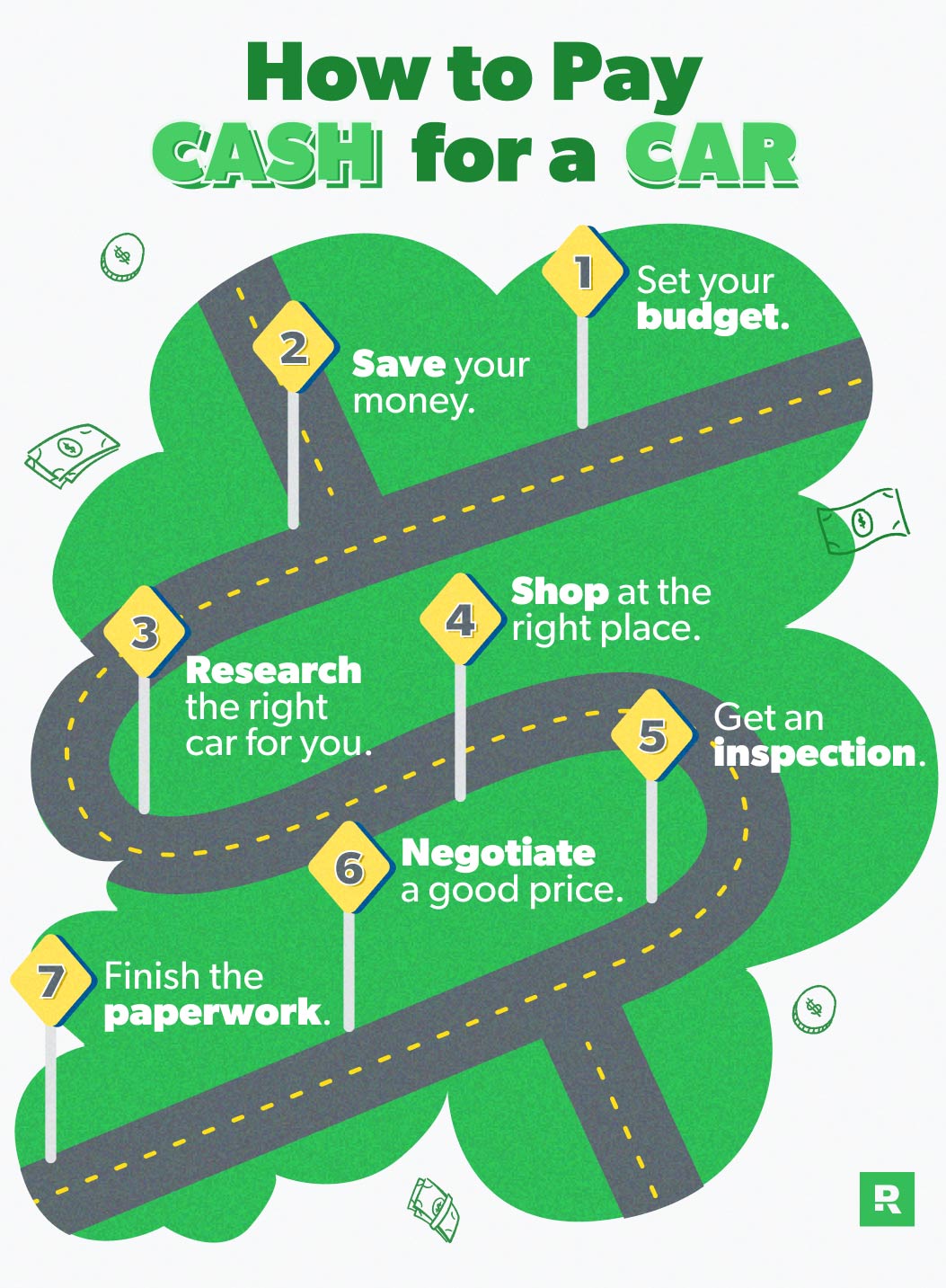
For those with sufficient liquid assets, paying for a car with cash is undoubtedly the most straightforward and financially sound option.
- Benefits: You avoid paying any interest, saving you thousands of dollars. You own the car outright from day one, giving you complete freedom to customize, sell, or trade it in without lender restrictions. There are no monthly payments, freeing up your cash flow. You also have stronger negotiation power with dealerships as they don’t earn commission on financing.
- Drawbacks: Tying up a significant portion of your savings in a depreciating asset might not be the best use of capital, especially if that money could generate higher returns elsewhere (e.g., investments) or if it depletes your emergency fund. It also means you won’t benefit from potential new car financing incentives like 0% APR offers, which can sometimes make a small loan attractive even if you have the cash.
Navigating Car Loans: A Common Path
For most buyers, a car loan is the most practical way to finance a vehicle. This involves borrowing money from a lender and repaying it, with interest, over a set period.
- Types of Loans: Most car loans are secured loans, meaning the car itself serves as collateral. If you default on payments, the lender can repossess the vehicle.
- Sources of Loans:
- Dealerships: Convenient, often offering manufacturer-backed incentives, but rates might be marked up.
- Banks: Traditional lenders with competitive rates, especially for existing customers.
- Credit Unions: Often known for offering highly competitive interest rates and personalized service due to their member-owned structure.
- Online Lenders: Increasingly popular, offering quick approvals and competitive rates, often through streamlined digital processes.
- Interest Rates and APR: The interest rate is the cost of borrowing money, expressed as a percentage of the principal. The Annual Percentage Rate (APR) includes the interest rate plus any additional fees, providing a more accurate total cost of borrowing. Always compare APRs when shopping for loans.
The Lease Alternative: When Renting Makes Sense
Leasing is essentially a long-term rental agreement. You pay to use the car for a specified period (typically 2-4 years) and mileage limit, after which you return it to the dealership.
- Pros: Lower monthly payments compared to buying, allowing you to drive a newer, more expensive car. You’re typically always driving a car under warranty, minimizing repair costs. The ability to switch to a new car every few years. Tax advantages for businesses.
- Cons: You don’t own the car and build no equity. Mileage limits can be restrictive, with hefty penalties for exceeding them. Wear and tear charges can apply at lease end. Breaking a lease early can be very expensive. At the end of the lease, you have no asset to trade in or sell. Leasing typically costs more in the long run than buying and holding a car for an extended period.
3. Deciphering the Loan Process and Terms
Once you’ve decided on financing, understanding the intricacies of the loan process and its various terms is paramount. This knowledge empowers you to negotiate effectively and secure the best possible deal.

The Application Journey: What Lenders Look For
When you apply for a car loan, lenders will scrutinize several aspects of your financial profile to determine your eligibility and risk level:
- Credit Score and History: As discussed, a strong credit score is key. Your payment history, types of credit, and length of credit history are all factored in.
- Income and Employment Stability: Lenders want assurance that you have a steady income stream to make payments. They’ll typically ask for proof of employment and income (pay stubs, tax returns).
- Debt-to-Income (DTI) Ratio: This ratio compares your total monthly debt payments (including the proposed car payment) to your gross monthly income. A lower DTI (ideally below 36-43%) indicates you have more disposable income to cover new debt.
- Down Payment Amount: A larger down payment reduces the lender’s risk.
- Vehicle Information: The type of car, its age, mileage, and condition can also influence loan terms, especially for used vehicles.
Understanding Loan Terms: Length and Interest Rates
The terms of your loan – primarily its length and interest rate – profoundly impact your monthly payments and the total amount you’ll pay over time.
- Loan Length (Term): Car loans typically range from 24 to 84 months.
- Shorter terms (e.g., 36-48 months): Result in higher monthly payments but lower total interest paid, meaning you pay off the car faster.
- Longer terms (e.g., 60-84 months): Offer lower monthly payments, making the car seem more affordable upfront. However, you pay significantly more in interest over the life of the loan, and you risk being “upside down” for a longer period.
- Interest Rates: This is the cost of borrowing. A lower interest rate means less money spent on interest. Rates are influenced by your credit score, the loan term, current market rates, and the lender. Fixed-rate loans are common for cars, meaning your interest rate and monthly payment remain constant throughout the loan term.
Pre-Approval: Your Negotiation Powerhouse
One of the smartest moves you can make before stepping into a dealership is to get pre-approved for a car loan.
- How it works: You apply for a loan with a bank, credit union, or online lender before you’ve chosen a specific car. The lender evaluates your financial profile and, if approved, offers you a loan amount at a specific interest rate, valid for a certain period.
- Why it’s crucial:
- Know your budget: You’ll know exactly how much you can afford, preventing you from falling in love with a car outside your price range.
- Negotiation leverage: You walk into the dealership with your own financing secured, empowering you to negotiate the car’s price as a cash buyer. The dealership knows you’re not solely dependent on their financing options, which often carry higher rates.
- Simplify the process: It separates the financing negotiation from the car price negotiation, making both easier.
- Benchmark: It gives you a benchmark to compare any financing offers from the dealership against. If they can beat your pre-approved rate, great; if not, you already have a better option.
4. Beyond the Sticker Price: Unveiling Hidden Costs
The sticker price on a car, or even the agreed-upon sale price, is rarely the final amount you’ll pay. Several additional costs are an inherent part of car ownership and must be factored into your budget. Overlooking these “hidden” expenses can quickly turn an affordable purchase into a financial burden.
The Inevitable Insurance Premium
Car insurance is a legal requirement in almost every state and a significant ongoing expense. The cost of your premium depends on a multitude of factors:
- Your Driving Record: A clean record typically means lower premiums.
- Type of Car: Sports cars and luxury vehicles usually cost more to insure than sedans or SUVs. The car’s safety features, theft rates, and repair costs also play a role.
- Your Age and Location: Younger, less experienced drivers often pay more. Urban areas generally have higher rates due to increased risk of accidents and theft.
- Coverage Levels: Basic liability insurance is the minimum, but full coverage (including collision and comprehensive) is essential for financed cars and offers greater protection.
- Deductibles: Higher deductibles generally lead to lower premiums, but you’ll pay more out-of-pocket in case of a claim.
It’s wise to get insurance quotes for specific models before you buy, as the cost can vary dramatically and impact your overall affordability.
Registration, Taxes, and Fees
These are one-time or recurring expenses that are typically unavoidable:
- Sales Tax: Most states levy a sales tax on car purchases, calculated as a percentage of the car’s price. This can add hundreds or even thousands of dollars to your total cost.
- Title and Registration Fees: You’ll need to pay to transfer the car’s title into your name and register it with your state’s Department of Motor Vehicles (DMV) or equivalent. These are typically annual fees.
- Dealer Fees: Dealerships often charge various administrative fees, such as documentation fees (“doc fees”), preparation fees, and advertising fees. While some are legitimate, others can be negotiable or excessive. Always scrutinize these charges.
- License Plates: A fee for new plates or to transfer existing ones.
These fees can quickly add up, so inquire about them early in the buying process to avoid surprises.
Maintenance and Running Costs
A car requires regular care to run smoothly and safely. These costs include:
- Fuel: An obvious and ongoing expense. Consider the car’s fuel efficiency (MPG) and current gas prices when budgeting.
- Routine Servicing: Oil changes, tire rotations, filter replacements, fluid checks – these are essential for longevity and typically occur every 5,000-10,000 miles.
- Tires: Worn tires need replacement, which can be a significant expense, especially for larger vehicles or performance tires.
- Unexpected Repairs: Even reliable cars can break down. Set aside an emergency fund for unexpected repairs, which can range from minor fixes to major engine or transmission overhauls.
- Depreciation: While not a direct cash outflow, depreciation is arguably the largest “cost” of car ownership. Cars lose value rapidly, especially in the first few years. This impacts your equity and trade-in value.
Factoring in all these costs beyond the purchase price provides a much more realistic picture of what you’ll truly pay for a car.
5. Strategic Approaches to Optimize Your Car Purchase
With a clear understanding of costs and payment methods, you can employ several smart strategies to further optimize your car purchase, save money, and ensure long-term financial stability.
Leveraging Trade-Ins Wisely
If you have an existing vehicle, trading it in can reduce the amount you need to pay for your new car. However, handling a trade-in strategically is key:
- Research its Value: Use online valuation tools (e.g., Kelley Blue Book, Edmunds) to get an estimate of your car’s trade-in value and private party sale value.
- Negotiate Separately: Ideally, negotiate the price of your new car first, independent of your trade-in. Once you’ve agreed on a price for the new car, then discuss the trade-in value. This prevents the dealer from muddying the waters by adjusting one to compensate for the other.
- Consider Selling Privately: Selling your old car yourself, though more effort, often yields a higher price than a trade-in, giving you more cash for your down payment.
The Power of Refinancing
If you’ve already purchased a car and secured a loan, but your financial situation has improved (e.g., better credit score) or interest rates have dropped, refinancing your car loan can be a powerful money-saving tool.
- When to Consider Refinancing:
- Your credit score has improved significantly since you first took out the loan.
- Current interest rates are lower than your original loan’s rate.
- You want to lower your monthly payments by extending the loan term (though this means more interest overall).
- You want to reduce the total interest paid by shortening the loan term (this will increase monthly payments).
- Process: Shop around with various lenders (banks, credit unions, online lenders) for new rates. The process is similar to applying for an initial loan, requiring credit checks and income verification.
Refinancing can potentially save you hundreds or even thousands of dollars over the life of your loan, making it a strategy worth exploring.
Future-Proofing Your Car Payments
Smart car payment strategies extend beyond the initial purchase; they involve planning for the long haul to prevent future financial strain.
- Build an Emergency Fund: Before making a significant car purchase, ensure you have a robust emergency fund (3-6 months of living expenses) separate from your car down payment. This provides a buffer against unexpected job loss, medical emergencies, or significant car repairs without derailing your car payments.
- Avoid Stretching Payments Too Thin: While a longer loan term might offer tempting lower monthly payments, resist the urge to stretch payments beyond 60-72 months unless absolutely necessary. The extra interest paid often outweighs the benefit of lower payments, and you risk being “upside down” for too long.
- Consider GAP Insurance: If you’re financing a car with a small down payment or a long loan term, Guaranteed Asset Protection (GAP) insurance can be a wise investment. If your car is totaled or stolen, GAP insurance covers the difference between what you owe on the loan and the car’s actual cash value (which the standard insurance payout covers).
- Regular Financial Reviews: Periodically review your car budget and loan terms. As life changes, so too might your financial capacity. Being proactive allows you to adjust and remain on sound financial footing.
Paying for a car is a multi-faceted process that demands careful consideration of your personal finances, a thorough understanding of available options, and an awareness of all associated costs. By laying a strong financial foundation, exploring payment avenues wisely, deciphering loan terms, accounting for hidden expenses, and employing strategic optimization techniques, you can confidently navigate the car-buying journey and drive away with a vehicle that enhances your life without compromising your financial well-being.
aViewFromTheCave is a participant in the Amazon Services LLC Associates Program, an affiliate advertising program designed to provide a means for sites to earn advertising fees by advertising and linking to Amazon.com. Amazon, the Amazon logo, AmazonSupply, and the AmazonSupply logo are trademarks of Amazon.com, Inc. or its affiliates. As an Amazon Associate we earn affiliate commissions from qualifying purchases.