
The annual tax season often brings with it a mix of dread and diligence. While most taxpayers are familiar with traditional payment methods like direct debit from a bank account or mailing a check, fewer realize that the Internal Revenue Service (IRS) also accepts federal tax payments via credit card. This option, though seemingly convenient, comes with its own set of considerations, benefits, and potential drawbacks. For the financially savvy, understanding how to leverage this payment method can offer strategic advantages, while for the unwary, it can lead to unnecessary costs. This comprehensive guide will explore the intricacies of paying your federal taxes with a credit card, helping you determine if it’s the right strategy for your personal financial situation.
Understanding the Mechanics: Why and How It’s Possible
Paying your taxes with a credit card isn’t as straightforward as swiping at a retail store. The IRS itself does not directly process credit card payments; instead, it relies on third-party payment processors. This system is crucial to understanding the fee structure and the overall mechanics of this payment method.
The IRS’s Stance on Credit Card Payments
The IRS has accepted credit card payments for federal taxes for over two decades. Their primary motivation is to offer taxpayers more flexibility and convenience, aiming to encourage timely filing and payment. By diversifying payment options, the IRS makes it easier for individuals and businesses to meet their tax obligations, potentially reducing late payment penalties and the administrative burden of chasing delinquent accounts. This flexibility extends to various types of federal taxes, including income tax (Form 1040), estimated taxes, and even business taxes. However, it’s important to note that while the IRS facilitates this option, they do not absorb the processing fees associated with credit card transactions.
Authorized Payment Processors: The Middlemen
When you choose to pay your federal taxes with a credit card, you’re not paying the IRS directly. Instead, you’re interacting with an authorized third-party payment processor. These are private companies that have been vetted and approved by the IRS to handle these transactions. They act as intermediaries, collecting your payment details, processing the transaction, and then forwarding the funds to the U.S. Treasury, along with your tax information.
Currently, there are a handful of approved processors, and they typically operate online or over the phone. Each processor sets its own fee structure, which is a percentage of the payment amount. This fee is non-refundable and is charged directly to you by the processor, not by the IRS. Therefore, it’s crucial to research and compare these processors before making a payment, as their fees can vary slightly. Examples of such processors include Payusatax.com, OfficialPayments.com, and ACI Payments, Inc. (formerly Official Payments Corporation).
The Cost of Convenience: Transaction Fees Explained
The most significant financial implication of paying federal taxes with a credit card is the transaction fee. As mentioned, these fees are levied by the third-party processors, not the IRS. Typically, the fee ranges from 1.87% to 1.99% of the payment amount, though specific rates can vary by processor and sometimes by the type of card used (e.g., credit vs. debit). For example, if you owe $5,000 in federal taxes and the processor charges a 1.96% fee, you would pay an additional $98.00.
This fee is often the make-or-break factor in deciding whether to use a credit card. It’s an unavoidable cost of the transaction and must be factored into your financial calculations. While it might seem small, for large tax bills, these fees can accumulate quickly. It’s essential to view this fee as an additional cost on top of your tax liability and consider it when evaluating the overall financial prudence of this payment method.
The Strategic Advantages: When Paying by Credit Card Makes Sense
Despite the transaction fees, paying federal taxes with a credit card can be a financially astute move for certain individuals and under specific circumstances. The key lies in leveraging credit card benefits to outweigh or even surpass the cost of the processing fee.
Earning Rewards: Miles, Points, and Cash Back
One of the primary motivators for many is the opportunity to earn credit card rewards. If you have a credit card that offers lucrative cash back, airline miles, hotel points, or other rewards, paying a large tax bill could significantly boost your reward balance. For instance, if you have a card that offers 2% cash back on all purchases, and the processing fee is 1.96%, you could technically net a small profit (0.04% of your payment) or at least largely offset the fee.
This strategy is particularly effective with high-value travel rewards cards, where points can be redeemed for flights or stays worth more than their cash equivalent. A $10,000 tax payment could yield a substantial number of points, potentially enough for a domestic flight or several nights at a hotel, effectively making the transaction “free” or even profitable if the value of the rewards exceeds the fee.
Meeting Spending Bonuses and Minimums
Many premium credit cards offer substantial sign-up bonuses, often contingent on meeting a significant spending threshold within the first few months of account opening (e.g., spend $5,000 in three months to get 50,000 bonus points). A large federal tax bill can be an excellent way to effortlessly meet these spending requirements. The value of a sign-up bonus, which can often be worth hundreds of dollars in cash back or thousands of points, will almost always far exceed the processing fee.
Beyond sign-up bonuses, some cards offer tiered rewards or annual spending bonuses that unlock additional benefits. Using a tax payment to reach these thresholds can be a strategic move to maximize your card’s value proposition for the year.
Short-Term Liquidity and Managing Cash Flow
For individuals or businesses facing temporary cash flow issues, paying taxes with a credit card can provide much-needed short-term liquidity. If your funds are tied up or you’re awaiting a payment, a credit card can bridge the gap, allowing you to pay your taxes on time without depleting your bank account or liquidating investments at an inopportune moment. This can be particularly useful for small business owners managing seasonal income fluctuations.
However, this advantage comes with a significant caveat: you must have a clear plan to pay off the credit card balance before interest accrues. Using a credit card to pay taxes simply because you don’t have the cash and then carrying a balance is a financially precarious position, as credit card interest rates almost always dwarf the transaction fee.
Avoiding Penalties: Filing on Time
The IRS imposes penalties for failure to pay taxes on time. These penalties can be substantial, often 0.5% of the unpaid taxes for each month or part of a month that taxes remain unpaid, up to a maximum of 25%. If you find yourself in a situation where you cannot pay your taxes by the deadline through traditional means, using a credit card to make the payment can prevent these penalties. In such cases, the credit card processing fee will almost certainly be less than the IRS late payment penalty, making it a pragmatic choice to mitigate further financial damage.
The Potential Pitfalls: Risks to Consider
While the strategic advantages are compelling for some, paying federal taxes with a credit card is not without its risks. It’s crucial to understand these potential downsides to avoid making a costly mistake.
High-Interest Rates and Compounding Debt
The most significant risk associated with this payment method is incurring credit card interest. If you carry a balance on your credit card, the interest rate (which can easily be 15% to 25% APR or higher) will quickly eclipse any rewards earned or convenience gained. A $5,000 tax payment carried over several months could accrue hundreds of dollars in interest, far exceeding the initial $98 processing fee.
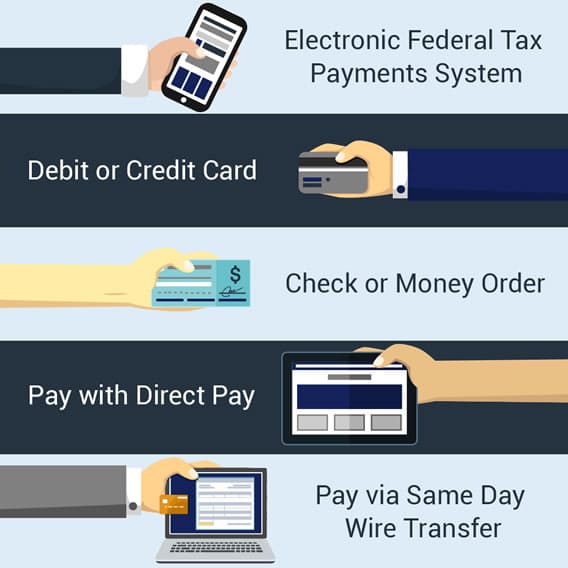
Using a credit card for tax payments should only be considered if you are absolutely certain you can pay off the entire balance before the grace period ends and interest charges kick in. If there’s any doubt, it’s generally wiser to explore other payment options or set up an installment agreement with the IRS, which typically has lower interest rates than credit cards.
The “Cost vs. Benefit” Equation: When Fees Outweigh Rewards
It’s imperative to perform a careful cost-benefit analysis before deciding to pay with a credit card. Calculate the exact processing fee for your tax amount and compare it against the value of the rewards you expect to earn. For a basic 1% cash-back card, a 1.96% processing fee means you’re losing 0.96% on the transaction. Only cards offering higher reward rates (e.g., 2% cash back or high-value travel points) or those tied to lucrative sign-up bonuses typically make this a profitable endeavor.
Do not assume all reward cards are suitable. Evaluate the specific card you intend to use, its reward structure, and your ability to redeem those rewards effectively. Sometimes, the perceived value of rewards is not realized, making the transaction a net loss.
Impact on Credit Score: Utilization and New Debt
Paying a large tax bill with a credit card can temporarily increase your credit utilization ratio, which is the amount of credit you’re using compared to your total available credit. A high utilization ratio can negatively impact your credit score, especially if it pushes you above 30%. While this impact is usually temporary if you pay off the balance quickly, it’s a factor to consider if you plan to apply for other forms of credit (like a mortgage or auto loan) in the near future.
Furthermore, if you open a new credit card specifically for a sign-up bonus to pay your taxes, this action introduces a new hard inquiry on your credit report and reduces the average age of your accounts, both of which can slightly ding your score. These effects are usually minor and transient for individuals with strong credit habits but are worth being aware of.
Step-by-Step Guide to Making Your Payment
Once you’ve decided that paying federal taxes with a credit card is the right move for you, the process is relatively straightforward. Following these steps will ensure a smooth transaction.
Choosing an Authorized Payment Processor
The first step is to select an authorized third-party payment processor. The IRS website (IRS.gov) provides an updated list of approved processors along with their respective fees. Review their fees, terms, and conditions. Some processors might offer slight variations in accepted cards or payment methods (online, phone). Compare their rates and choose the one that offers the best balance of convenience and lowest fee for your specific card type and tax amount.
Gathering Your Information: What You’ll Need
Before you initiate the payment, have all necessary information readily available. This typically includes:
-
Your Social Security Number (SSN) or Employer Identification Number (EIN)
-
Your tax form number (e.g., Form 1040)
-
The tax year for which you are making the payment
-
Your payment amount
-
Your credit card details (card number, expiration date, CVV)
-
Your billing address and contact information
Ensuring you have accurate information will prevent delays or errors during the payment process.
Navigating the Payment Portal
Once you’ve chosen a processor, visit their website or call their automated payment line. The process usually involves:
-
Selecting the type of tax payment: Income tax, estimated tax, etc.
-
Entering the tax year: Be careful to select the correct year.
-
Providing your personal information: SSN/EIN, name, address.
-
Inputting the payment amount: Double-check this figure.
-
Entering your credit card details: Ensure accuracy to avoid transaction declines.
-
Reviewing and confirming: Before finalizing, thoroughly review all entered information, especially the tax amount and the processing fee.
-
Submitting the payment: Once confirmed, submit the payment.
Confirmation and Record Keeping
After a successful payment, the processor will provide you with a confirmation number. This is a critical piece of information. Immediately record this number and save or print any confirmation emails or screens. This confirmation serves as proof that your payment was processed and submitted to the IRS. In the rare event of a discrepancy or issue, this confirmation number will be invaluable. You will also receive an email confirmation from the processor. Keep these records with your other tax documents.
Maximizing Your Strategy: Tips for Smart Credit Card Tax Payments
For those who choose to pay federal taxes with a credit card, employing a few smart strategies can ensure you maximize benefits and minimize risks.
Calculate All Costs and Potential Rewards Meticulously
Do not guess. Before hitting “submit,” calculate the exact processing fee and compare it to the precise value of the rewards you expect to earn. Factor in any annual fees for the card if you opened it specifically for this purpose. Use online calculators or spreadsheets to make sure the math works in your favor. Remember that the perceived value of points can vary based on redemption options.
Pay Off the Balance Immediately
This cannot be stressed enough: if you do not have the cash readily available to pay off the credit card balance in full before the statement’s due date, do not use this method. The high interest rates on credit cards will quickly negate any rewards earned and turn a potentially beneficial transaction into a costly mistake. Treat the credit card as a temporary bridge, not a long-term financing solution. Consider setting up an immediate bank transfer to your credit card account as soon as the tax payment posts.
Explore Other Payment Alternatives
Before committing to a credit card payment, quickly review other available options. Could an installment agreement with the IRS be a better solution if you need more time? Is a personal loan with a lower interest rate a viable option if cash flow is an issue? Sometimes, the simplest and cheapest option is direct debit from your bank account. The credit card option is one tool in your financial toolkit, but it’s not always the best one.

Consult a Financial Advisor
If you have a particularly complex financial situation, a very large tax bill, or are unsure about the best payment strategy, consult with a qualified financial advisor or tax professional. They can provide personalized advice tailored to your specific circumstances, helping you weigh the pros and cons and choose the most advantageous path. Their expertise can help you avoid potential pitfalls and optimize your financial decisions.
In conclusion, paying federal taxes with a credit card is a legitimate and often strategic option, but it requires careful planning and a thorough understanding of the associated costs and benefits. For the financially disciplined individual capable of paying off the balance promptly and leveraging valuable credit card rewards or sign-up bonuses, it can be a smart move. However, for those who might be tempted to carry a balance, the high cost of credit card interest far outweighs any potential convenience, making alternative payment methods or IRS installment plans much more prudent choices. Always prioritize your financial health and ensure that convenience does not come at an excessive cost.
aViewFromTheCave is a participant in the Amazon Services LLC Associates Program, an affiliate advertising program designed to provide a means for sites to earn advertising fees by advertising and linking to Amazon.com. Amazon, the Amazon logo, AmazonSupply, and the AmazonSupply logo are trademarks of Amazon.com, Inc. or its affiliates. As an Amazon Associate we earn affiliate commissions from qualifying purchases.