
Navigating the landscape of student loan repayment can feel like deciphering a complex financial puzzle. For millions of Americans, Federal Student Aid (FAFSA) loans represent a significant investment in their future, yet understanding the “how-to” of paying them back is often less clear than the process of securing them. This comprehensive guide aims to demystify FAFSA loan repayment, offering insights and actionable strategies to manage your debt effectively, reduce financial stress, and pave the way for a stronger financial future. From understanding your loan specifics to choosing the right repayment plan and employing smart strategies, we’ll cover everything you need to know to take control of your federal student loans.

Deconstructing Your Federal Student Loans
Before you can strategically pay off your FAFSA loans, it’s crucial to understand what kind of loans you have, who holds them, and the terms associated with them. This foundational knowledge empowers you to make informed decisions about your repayment journey.
Identifying Your Loan Servicer
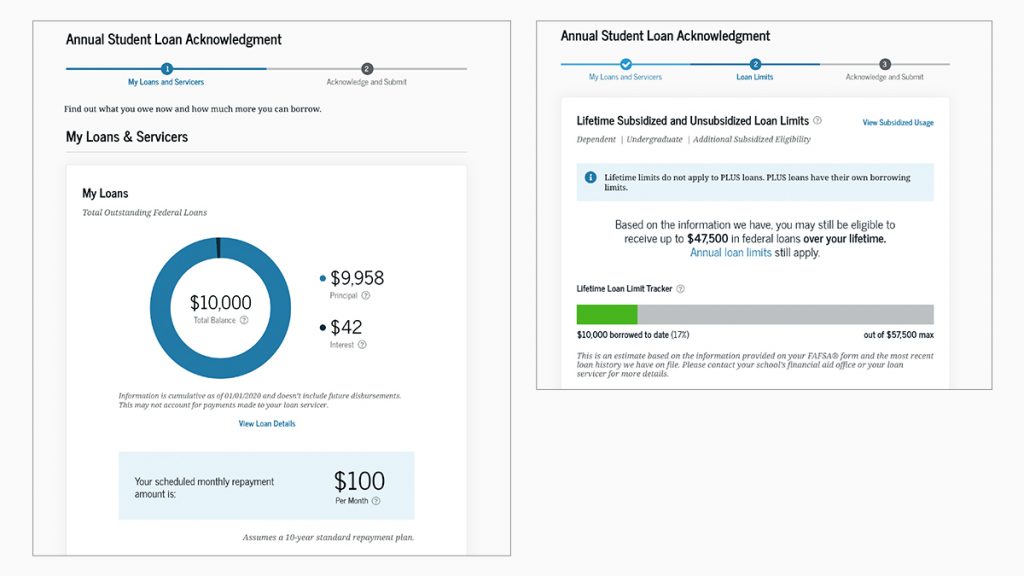
Your loan servicer is the company that handles the billing and other services for your federal student loans. They are your primary point of contact for questions about your loan balance, interest rate, repayment options, and making payments. You likely have one or more servicers if you have multiple federal loans.
To find out who your loan servicer is:
- Visit StudentAid.gov: Log in with your FSA ID. Your dashboard will display all your federal student loan information, including your servicer(s) and their contact details.
- Check Your Credit Report: Your federal student loans will appear on your credit report, typically identifying the servicer.
Knowing your servicer is the first step toward effective communication and management of your loans.
Understanding Loan Types: Subsidized vs. Unsubsidized, PLUS Loans
Federal student loans come in several forms, each with distinct characteristics that impact repayment.
- Direct Subsidized Loans: These are for undergraduate students with demonstrated financial need. The U.S. Department of Education pays the interest while you’re in school at least half-time, during your grace period, and during periods of deferment. This makes them highly advantageous as interest doesn’t accrue during these times.
- Direct Unsubsidized Loans: Available to undergraduate and graduate students, regardless of financial need. Interest accrues on these loans from the moment they are disbursed, even while you’re in school or during grace periods. If you don’t pay the interest as it accrues, it will be capitalized (added to your principal balance), increasing your total loan cost.
- Direct PLUS Loans: These are federal loans that graduate or professional students and parents of dependent undergraduate students can use to help pay for education expenses. A credit check is required for PLUS Loans. For Direct PLUS Loans made to students, interest also accrues from disbursement. For Parent PLUS Loans, the parent is responsible for repayment, and interest accrues immediately.
Understanding these distinctions helps you prioritize which loans to pay off first, especially if you have a mix of subsidized and unsubsidized loans.
Key Loan Terms: Interest Rates, Principal, Grace Period
Familiarizing yourself with key loan terminology is essential for effective management:
- Principal: This is the original amount of money you borrowed. Your payments primarily aim to reduce this amount.
- Interest Rate: This is the cost of borrowing money, expressed as a percentage of the principal. Federal loan interest rates are fixed for the life of the loan. A higher interest rate means a higher total cost over time.
- Grace Period: After you graduate, leave school, or drop below half-time enrollment, you typically have a grace period (usually six months for most federal student loans) before you must start making payments. Interest may accrue during this period, depending on your loan type. Understanding when your grace period ends is crucial for planning your first payment.
Exploring Repayment Plans That Fit Your Life
Federal student loans offer a variety of repayment plans designed to accommodate different financial situations. Choosing the right plan can significantly impact your monthly payments, the total interest you pay, and the length of your repayment term.
The Standard Repayment Plan: The Default Choice
This is the default plan for most federal student loans. Under the Standard Repayment Plan, you’ll make fixed monthly payments for up to 10 years (or up to 30 years for consolidated loans). While it typically results in the lowest total interest paid over the life of the loan, it also usually has the highest monthly payment among federal plans. It’s an excellent choice if your income is stable and sufficient to comfortably cover the payments.
Graduated Repayment Plan: Easing into Payments
The Graduated Repayment Plan allows your payments to start low and gradually increase, typically every two years. The repayment term is also up to 10 years (or up to 30 years for consolidated loans). This plan can be beneficial if you expect your income to increase steadily over time, making it easier to manage initial payments. However, you’ll pay more interest over the life of the loan compared to the Standard Plan due to the lower initial payments.
Income-Driven Repayment (IDR) Plans: Tailoring Payments to Income
Income-Driven Repayment (IDR) plans are a lifeline for borrowers struggling with high monthly payments relative to their income. These plans adjust your monthly payment based on your income and family size, rather than your loan balance. Payments are typically capped at a percentage of your discretionary income, and any remaining balance after 20 or 25 years of payments is forgiven (though the forgiven amount may be taxable).
- PAYE (Pay As You Earn): Generally, your payment is 10% of your discretionary income, but never more than the 10-year Standard Repayment Plan amount.
- REPAYE (Revised Pay As You Earn): Your payment is also 10% of your discretionary income, with no cap.
- IBR (Income-Based Repayment): Payments are either 10% or 15% of your discretionary income, capped at the 10-year Standard Repayment Plan amount.
- ICR (Income-Contingent Repayment): Payments are either 20% of your discretionary income or what you’d pay on a fixed 12-year plan, whichever is less.
IDR plans provide a crucial safety net, preventing default and offering a path to eventual forgiveness, especially for those in lower-paying public service jobs who might also qualify for Public Service Loan Forgiveness (PSLF).
Extended Repayment Plan: For Larger Loan Balances
If you have more than $30,000 in federal student loan debt, the Extended Repayment Plan allows you to make either fixed or graduated payments over a period of up to 25 years. This plan typically results in lower monthly payments than the Standard or Graduated plans over 10 years, but it also means you’ll pay significantly more interest over the extended term.
Strategic Approaches to Accelerate Repayment and Save Money
While choosing the right repayment plan sets your foundation, adopting strategic payment habits can significantly reduce the total cost of your loans and shorten your repayment timeline.
Making Extra Payments: Principal First
One of the most effective ways to save on interest and pay off your loans faster is to make extra payments whenever possible.
- Target High-Interest Loans: If you have multiple loans, prioritize sending any extra money towards the loan with the highest interest rate first. This is known as the “debt avalanche” method and minimizes the total interest paid over time.
- Specify Principal-Only Payments: When making an extra payment, clearly instruct your loan servicer to apply the additional funds directly to the principal balance. Otherwise, they might apply it to future interest, which doesn’t accelerate repayment as effectively.
Bi-Weekly Payments: A Simple Trick
Instead of making one monthly payment, divide your required monthly payment in half and pay that amount every two weeks. Because there are 52 weeks in a year, you’ll end up making 26 half-payments, which equates to 13 full monthly payments annually instead of 12. This subtle shift can shave years off your repayment schedule and significantly reduce the total interest paid.
Refinancing and Consolidation: Opportunities and Risks
Understanding the difference between federal loan consolidation and private refinancing is critical.
- Federal Loan Consolidation: This process combines multiple federal loans into a single new Direct Consolidation Loan. It can simplify your payments to one servicer and might lower your monthly payment by extending the repayment period up to 30 years. However, it can also cause you to lose specific benefits tied to your original loans (like interest subsidies or borrower benefits) and may result in paying more interest over the longer term. Your interest rate will be a weighted average of your previous loans, rounded up to the nearest one-eighth of a percentage.
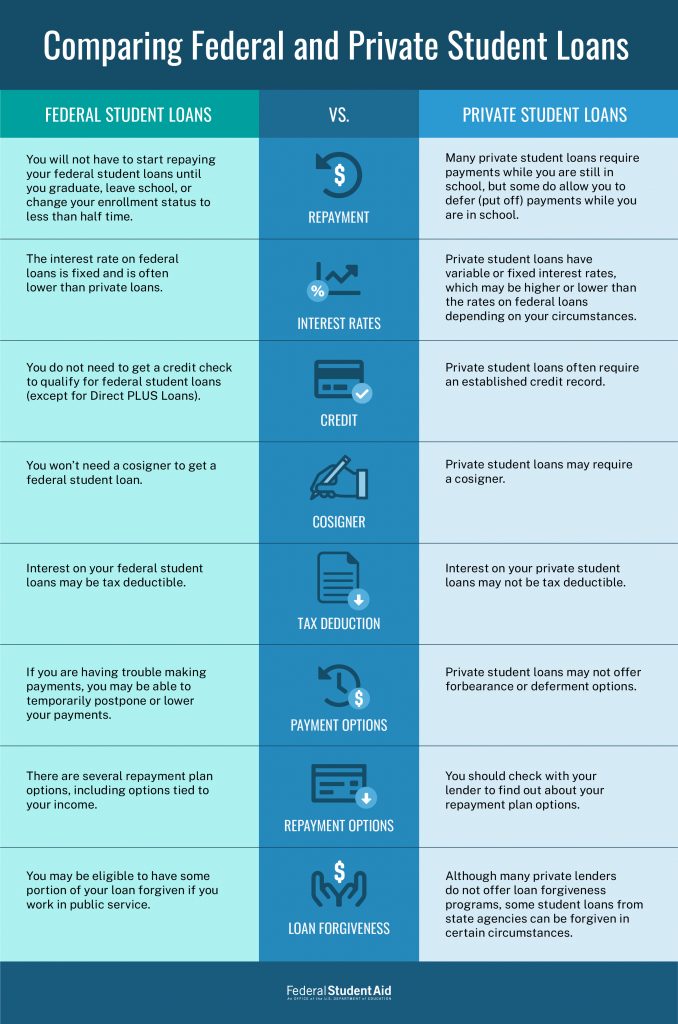
- Private Refinancing: This involves taking out a new loan from a private lender (like a bank or credit union) to pay off your existing federal (and/or private) student loans. Private refinancing can potentially get you a lower interest rate, especially if your credit score has improved since you first took out your loans. The main risk is that you lose all federal loan benefits, such as access to income-driven repayment plans, deferment/forbearance options, and federal loan forgiveness programs. This option is generally only recommended for borrowers with stable jobs, excellent credit, and a solid emergency fund, who are confident they won’t need federal protections.
Leveraging Employer Benefits and Loan Forgiveness Programs
Don’t overlook potential avenues for assistance beyond your direct payments.
- Employer Student Loan Repayment Assistance: Some employers offer benefits to help employees with their student loan payments. This could be a direct contribution, a matching program, or access to financial wellness resources. Inquire with your HR department.
- Public Service Loan Forgiveness (PSLF): This program forgives the remaining balance on your Direct Loans after you’ve made 120 qualifying monthly payments while working full-time for a qualifying employer (government or non-profit organization). This is a highly valuable program for those in public service, but it requires careful adherence to specific criteria.
- Other Forgiveness, Cancellation, or Discharge Programs: Various other programs exist for specific professions (e.g., teachers, nurses, doctors in underserved areas), for borrowers with total and permanent disability, or in cases of school closure or false certification. Research these options on StudentAid.gov.
What to Do When Repayment Gets Tough
Life can throw unexpected curveballs. If you find yourself struggling to make your federal student loan payments, several options are available to prevent default and protect your financial health.
Deferment and Forbearance: Temporary Pauses
These options allow you to temporarily postpone or reduce your loan payments. Both generally increase the total cost of your loan due to accruing interest.
- Deferment: During deferment, the U.S. Department of Education may pay the interest on subsidized loans, Perkins Loans, and the subsidized portion of consolidation loans. Common reasons for deferment include unemployment, economic hardship, military service, or returning to school.
- Forbearance: Interest typically accrues on all loan types during forbearance. It’s granted for shorter periods or when you don’t qualify for deferment. Reasons can include financial hardship, illness, or other special circumstances.
Always exhaust deferment options before considering forbearance, especially if you have subsidized loans, to minimize interest accrual.
Avoiding Default: The Critical Steps
Defaulting on your federal student loans carries severe consequences: a damaged credit score, wage garnishment, seizure of tax refunds, loss of eligibility for future federal student aid, and even the inability to renew professional licenses.
- Communicate with Your Servicer: If you anticipate missing a payment, or have already missed one, contact your loan servicer immediately. They can discuss options like changing your repayment plan, deferment, or forbearance.
- Don’t Ignore the Problem: Ignoring your loans will only worsen the situation. Federal loans offer many protections; use them.
Student Loan Rehabilitation and Consolidation to Get Back on Track
If your federal loans are already in default, there are paths to bring them back into good standing:
- Loan Rehabilitation: This is a one-time opportunity to remove your loans from default. It involves making nine voluntary, reasonable, and affordable monthly payments within 10 consecutive months. Upon successful completion, the default will be removed from your credit report (though the late payments leading to default will remain), and you’ll regain eligibility for federal student aid.
- Loan Consolidation (after default): You can consolidate defaulted federal loans into a new Direct Consolidation Loan if you agree to repay the new loan under an Income-Driven Repayment plan or make three consecutive, voluntary, on-time, full monthly payments on the defaulted loan. This also removes the loans from default and makes you eligible for federal benefits.
Integrating Loan Repayment into Your Broader Financial Strategy
Paying FAFSA loans isn’t just about making monthly payments; it’s about fitting this obligation into a larger, coherent financial plan that supports your present needs and future aspirations.
Budgeting for Student Loan Payments
A well-structured budget is the bedrock of financial stability. Incorporate your student loan payments as a fixed expense within your monthly budget.
- Track Income and Expenses: Understand where your money comes from and where it goes.
- Allocate Funds: Ensure you’re setting aside enough money each month specifically for your loan payments, even if you’re on an IDR plan.
- Find Room for Extra Payments: By scrutinizing discretionary spending, you might find small amounts that can be redirected to make extra principal payments, accelerating your repayment.
The Impact on Your Credit Score
Your student loan repayment history directly affects your credit score.
- Positive Impact: Consistent, on-time payments demonstrate financial responsibility and build a positive credit history, which is crucial for securing mortgages, car loans, and even some jobs.
- Negative Impact: Late payments and, especially, default can severely damage your credit score, making it harder and more expensive to borrow money in the future. Prioritize making at least the minimum payment on time every month.
Balancing Loan Payments with Other Financial Goals
While paying off student loans is important, it shouldn’t be your only financial goal.
- Emergency Fund: Aim to build an emergency fund of 3-6 months’ worth of living expenses. This provides a crucial safety net for unexpected costs, preventing you from missing loan payments or incurring new debt.
- Retirement Savings: Don’t delay saving for retirement. Contribute enough to your employer’s 401(k) or similar plan to at least get the full company match – that’s essentially free money. The power of compound interest means early contributions have a massive long-term impact.
- Other Goals: Balance loan payments with other personal financial goals like saving for a down payment on a home, continuing education, or starting a family. A holistic financial plan considers all these elements, ensuring you progress on multiple fronts.
Paying off FAFSA loans is a marathon, not a sprint. By understanding your loans, choosing the right repayment strategy, proactively addressing challenges, and integrating repayment into your broader financial plan, you can navigate this journey successfully. Take control, stay informed, and work steadily towards financial freedom.
aViewFromTheCave is a participant in the Amazon Services LLC Associates Program, an affiliate advertising program designed to provide a means for sites to earn advertising fees by advertising and linking to Amazon.com. Amazon, the Amazon logo, AmazonSupply, and the AmazonSupply logo are trademarks of Amazon.com, Inc. or its affiliates. As an Amazon Associate we earn affiliate commissions from qualifying purchases.