
Managing your credit card responsibly is a cornerstone of sound personal finance. For millions of Americans, a Bank of America credit card is a key financial tool, offering convenience, rewards, and a pathway to building a strong credit history. However, the benefits of a credit card only fully materialize when bills are paid on time and effectively. Missing a payment can lead to late fees, increased interest rates, and a detrimental impact on your credit score, making it crucial to understand all available payment methods and best practices.
Bank of America, as one of the largest financial institutions globally, offers a diverse array of secure and convenient options to ensure you can meet your payment obligations with ease. Whether you prefer the speed of digital transactions, the traditional approach of mail, or the personal touch of an in-branch visit, there’s a method tailored to your preferences. This comprehensive guide will walk you through each option, providing insights and strategies to manage your Bank of America credit card payments effectively and maintain your financial health.
Understanding Your Bank of America Credit Card Statement
Before diving into payment methods, it’s essential to thoroughly understand your Bank of America credit card statement. This document is more than just a bill; it’s a detailed summary of your spending, payments, and account status, offering crucial insights into your financial behavior. Familiarity with its contents empowers you to make informed payment decisions and detect potential issues early.
Key Information on Your Statement
Every Bank of America credit card statement will prominently feature several critical pieces of information:
- Payment Due Date: This is arguably the most important date on your statement. Payments must be received and processed by this date to avoid late fees and negative reporting to credit bureaus.
- Minimum Payment Due: This is the smallest amount you can pay to keep your account in good standing. While paying only the minimum prevents late penalties, it extends your debt repayment period and significantly increases the total interest you’ll pay.
- New Balance: This reflects your total outstanding balance for the billing cycle, including new purchases, cash advances, fees, and interest, minus any payments or credits.
- Previous Balance: The outstanding balance at the end of the prior billing cycle.
- Interest Rate Information (APR): Details your Annual Percentage Rate (APR) for different types of transactions (purchases, cash advances, balance transfers). Understanding your APR is vital for calculating the cost of carrying a balance.
- Transaction Details: A chronological list of all purchases, payments, returns, and fees posted to your account during the billing period. Reviewing this section helps you spot unauthorized transactions or billing errors.
- Credit Limit and Available Credit: Your total borrowing limit and how much credit you have left to use.
- Payment Due Date (again) and Payment Address: Often listed on a detachable coupon for mail payments.
Why Reading Your Statement Matters
Regularly reviewing your statement offers several critical advantages for your financial well-being:
- Preventing Late Fees and Credit Score Damage: By noting the due date, you can proactively schedule your payment, avoiding costly late fees (which can be substantial, often up to $41 per instance) and the negative impact of a late payment on your credit score, which can linger for years.
- Identifying Errors or Fraud: Scrutinizing your transactions allows you to quickly identify any unauthorized purchases or billing errors. The sooner you report these, the easier it is to dispute them with Bank of America and protect yourself from financial fraud.
- Budgeting and Financial Planning: Your statement provides a clear overview of your spending habits. This information is invaluable for creating and adhering to a budget, identifying areas where you might be overspending, and planning future financial goals.
Multiple Convenient Ways to Pay Your Bank of America Credit Card Bill
Bank of America understands that financial routines vary. To accommodate diverse preferences and schedules, they offer numerous avenues for making your credit card payment. Each method is designed for ease of use and security.
Online Payment through Bank of America Online Banking
This is, by far, the most popular and recommended method for most cardholders due to its speed, convenience, and control.
- Setting Up an Account: If you haven’t already, enroll in Bank of America Online Banking. You’ll need your credit card number, Social Security Number, and other personal details to create a secure login.
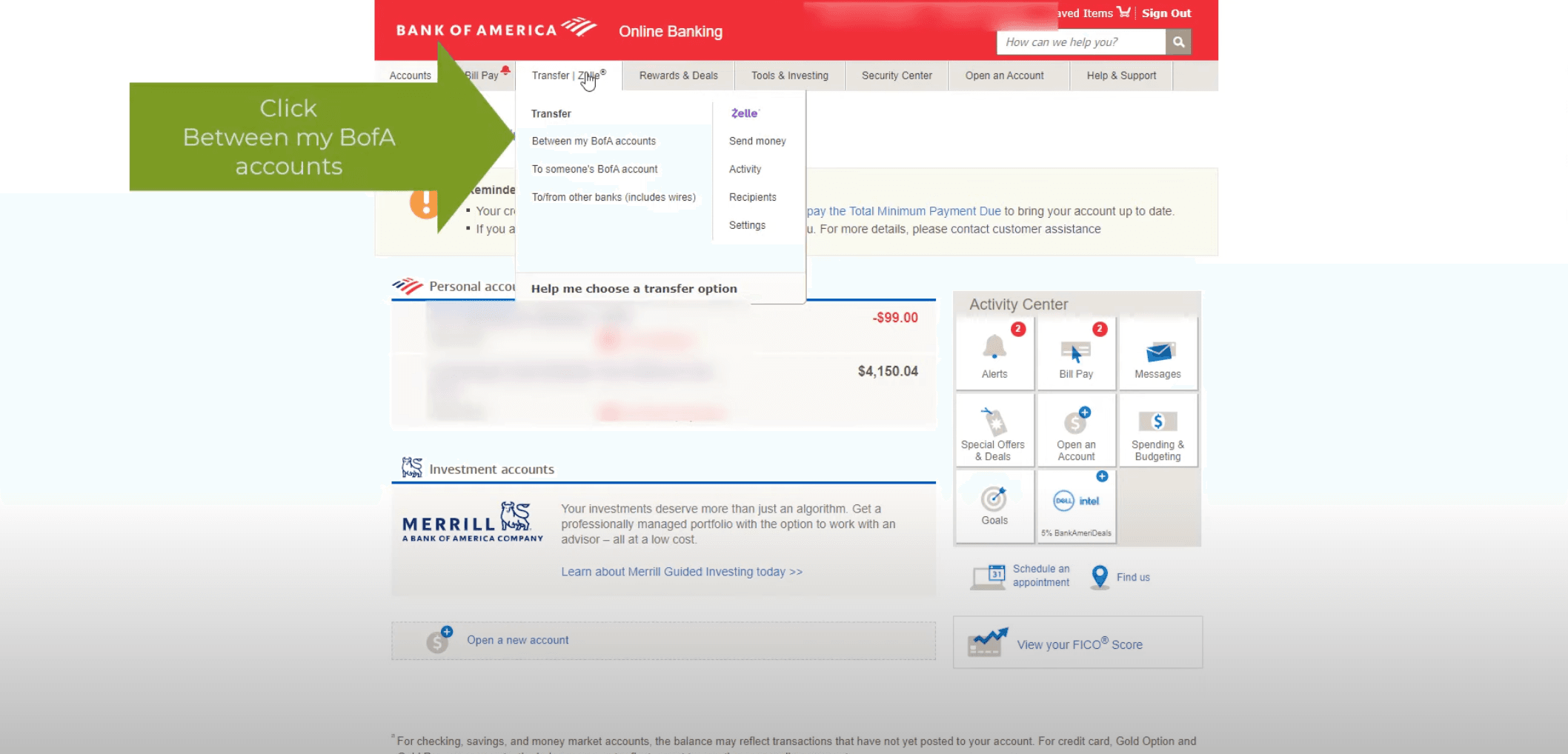
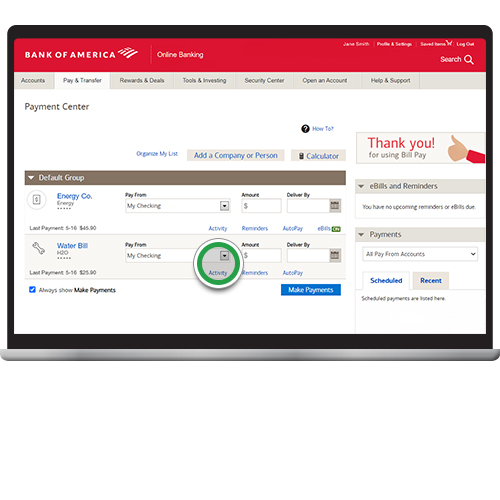
- Making One-Time Payments: Once logged in, navigate to your credit card account. You’ll see options to make a payment. You can pay the minimum amount due, the full statement balance, or a custom amount. You can typically use funds from your Bank of America checking or savings account, or link an external bank account for payment.
- Scheduling Payments: For added peace of mind, you can schedule payments in advance, ensuring they are made by the due date without last-minute rush. This is particularly useful if your payday falls after your due date.
- Setting Up AutoPay: For ultimate convenience, AutoPay allows you to automatically pay a set amount (minimum due, statement balance, or a fixed amount) from a designated bank account on your due date each month. This virtually eliminates the risk of missed payments, provided you have sufficient funds.
Mobile App Payment
The Bank of America Mobile Banking app offers a streamlined and highly intuitive experience for managing your credit card on the go.
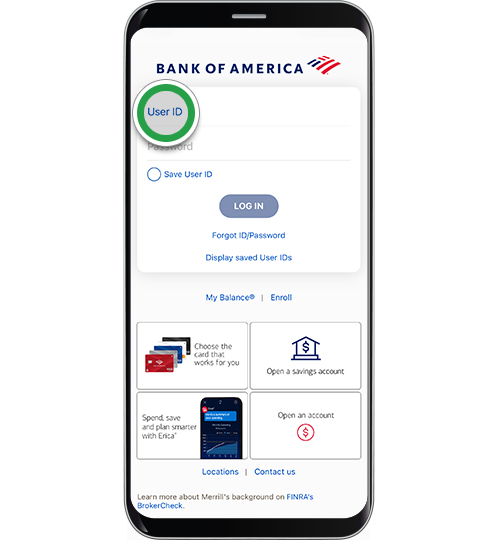
- Downloading and Logging In: Download the “Bank of America Mobile Banking” app from your device’s app store. Log in using your Online Banking credentials. Many users opt for biometric authentication (fingerprint or facial recognition) for quick and secure access.
- Navigating to Credit Card Accounts: Once logged in, your credit card account will be easily accessible from the dashboard.
- Making Payments on the Go: The app provides a simplified payment interface, mirroring the online banking experience. You can view your statement, make one-time payments, or manage your AutoPay settings directly from your smartphone or tablet, anytime, anywhere.
Paying by Phone
For those who prefer a verbal interaction or don’t have internet access, Bank of America offers phone payment options.
- Automated System: You can call the customer service number on the back of your card (typically 1-800-432-1000) and use the automated system to make a payment. You’ll need your credit card number and the routing and account number of the bank account from which you’re paying.
- Speaking with a Representative: If you need assistance or prefer to speak with a human, you can opt to connect with a customer service representative. While most banks no longer charge a fee for making a payment over the phone with an agent, it’s always good to confirm. Be prepared to provide your account information for verification.
Paying by Mail
The traditional method of paying by mail remains an option for those who prefer it, though it requires careful timing due to postal delivery times.
- Finding the Correct Payment Address: Your credit card statement will include a payment coupon with the correct mailing address. It’s crucial to use this address, as it’s often a specific payment processing center.
- Using the Payment Coupon: Enclose the payment coupon along with your check or money order. Do not send cash through the mail.
- Timelines and Postmark Considerations: Mail payments must be received by the due date, not just postmarked. Factor in at least 5-7 business days for mail delivery to avoid late payments. If your due date is nearing, consider an alternative method.
In-Person Payments
For those who value face-to-face interaction or need to pay with cash, in-person options are available.
- Visiting a Bank of America Branch: You can visit any Bank of America branch during business hours. A teller can process your credit card payment using funds from your Bank of America account or with cash or a check. Remember to bring your credit card or account number.
- Using ATMs: Some Bank of America ATMs allow you to make credit card payments using funds from your linked Bank of America checking or savings account. Check the ATM’s capabilities before relying on this method, as not all ATMs offer this feature.
Strategies for Managing Your Credit Card Payments Effectively
Paying your bill is just one part of effective credit card management. To truly leverage your Bank of America credit card for financial success, consider these strategies.
Setting Up AutoPay
As mentioned, AutoPay is a powerful tool for consistency. While convenient, it requires mindful setup:
- Benefits: Guarantees on-time payments, preventing late fees and preserving your credit score. Reduces mental load.
- Considerations: Always ensure the linked bank account has sufficient funds to cover the AutoPay amount. Decide whether to pay the minimum, the full statement balance, or a fixed amount. Paying the full balance is ideal to avoid interest. If you opt for the minimum, remember interest will accrue.
- How to Adjust AutoPay Settings: You can modify your AutoPay amount or linked account at any time through Online Banking or the mobile app, typically requiring a few days for changes to take effect.
Paying More Than the Minimum
Always strive to pay more than the minimum due, ideally the full statement balance.
- Reducing Interest Accrual: When you carry a balance, interest is charged daily. Paying more significantly reduces the principal balance, which in turn lowers the amount of interest you’ll pay over time.
- Paying Off Debt Faster: This is the most direct path to becoming debt-free and freeing up your financial resources for other goals.
- Impact on Credit Score: While timely minimum payments are good, keeping your credit utilization (the amount of credit you’re using vs. your total available credit) low by paying off balances quickly is excellent for your credit score. Lenders view lower utilization as a sign of responsible credit management.
Monitoring Your Account Regularly
Don’t wait for your monthly statement. Proactive monitoring is key.
- Preventing Overspending: Regularly checking your balance helps you stay within your budget and avoid accumulating debt unexpectedly.
- Detecting Unauthorized Transactions: Instantaneously spotting suspicious activity allows for quicker reporting and resolution, minimizing potential fraud damage.
- Staying Aware of Your Credit Utilization: Knowing your current balance relative to your credit limit allows you to make strategic spending decisions that support a healthy credit score.
What to Do If You Can’t Pay
Life happens, and sometimes you might find yourself in a situation where paying your full bill, or even the minimum, is challenging.
- Contacting Bank of America Customer Service Before the Due Date: This is paramount. Do not wait until after you’ve missed a payment. Explain your situation. They may be able to offer solutions.
- Discussing Hardship Options: Depending on your circumstances, Bank of America might offer temporary payment arrangements, deferrals, or other hardship programs. These are typically reviewed on a case-by-case basis.
- Understanding the Consequences: Be aware that even with arrangements, a missed payment can incur late fees and negatively impact your credit score. Being proactive can sometimes mitigate these consequences or at least help you understand what to expect.
Security and Best Practices for Credit Card Payments
While convenience is important, security should always be a top priority when making financial transactions. Adhering to best practices protects your personal information and financial health.
Protecting Your Personal Information
- Using Secure Networks: Always make online or mobile payments on a secure, private Wi-Fi network. Avoid making payments on public Wi-Fi networks (e.g., coffee shops, airports), as these are often unsecured and susceptible to data breaches.
- Strong Passwords and Multi-Factor Authentication (MFA): Use unique, complex passwords for your Bank of America online banking. Enable multi-factor authentication (e.g., a code sent to your phone) for an extra layer of security.
- Beware of Phishing Scams: Bank of America will never ask for your full credit card number, PIN, or online banking password via unsolicited email or text message. Be extremely cautious of suspicious communications that mimic Bank of America; always verify the sender and, if in doubt, navigate directly to Bank of America’s official website or app to log in.
Keeping Records
Maintain diligent records of your payments and statements.
- Confirmation Numbers: When making online or phone payments, always save or screenshot the confirmation number. This is your proof of payment if any discrepancies arise.
- Retaining Statements: Keep digital or physical copies of your credit card statements for at least a year. These are crucial for tax purposes, budgeting, and resolving disputes.
- Dispute Resolution: Should an issue arise, having thorough records makes it much easier to dispute charges or prove timely payments.
Understanding Payment Processing Times
It’s vital to differentiate between when you make a payment and when it’s fully processed and reflected on your account.
- Online Payments: While often submitted instantly, it can take 1-2 business days for the payment to fully clear and reflect on your credit card balance, especially if paying from an external bank account. Schedule these with a buffer before your due date.
- Mail Payments: These take the longest. Account for several days for postal delivery plus Bank of America’s internal processing time. Aim to mail your payment at least a week before your due date.
- Importance of Paying Before the Due Date: To avoid late fees and ensure your payment is registered on time, always submit your payment a few days in advance of the due date, regardless of the method chosen.
Conclusion
Paying your Bank of America credit card bill is a straightforward process, thanks to the array of convenient and secure options provided by the bank. From the speed and efficiency of online and mobile banking to the more traditional methods of mail and in-person payments, you have the flexibility to choose what works best for your lifestyle.
However, simply making a payment isn’t enough; responsible credit card management involves understanding your statement, strategically paying more than the minimum, and actively monitoring your account. By adopting these practices and prioritizing security, you can ensure your Bank of America credit card remains a valuable asset, contributing positively to your financial health and credit standing. Take control of your payments, and enjoy the peace of mind that comes with sound financial management.
aViewFromTheCave is a participant in the Amazon Services LLC Associates Program, an affiliate advertising program designed to provide a means for sites to earn advertising fees by advertising and linking to Amazon.com. Amazon, the Amazon logo, AmazonSupply, and the AmazonSupply logo are trademarks of Amazon.com, Inc. or its affiliates. As an Amazon Associate we earn affiliate commissions from qualifying purchases.